The Trump administration has informed a federal court that President Trump can restrict reporters’ access to the White House based on their reporting, arguing it is necessary for national security. In a filing, the Justice Department stated that access to the White House is a privilege, not a right, and that journalists can be barred even if it's due to their viewpoints. This came in response to an emergency hearing requested by CNN, MS NOW, and Politico after these outlets had their hard passes revoked over concerns of reporting on sensitive information. The filing also asserts that the president has broad authority under the Constitution to protect national security-related information.
Written locally by qwen2.5:14b on 2026-09-23,
using this article's own text rather than the other coverage of the
same event (that is the story summary below).
The Trump administration has told a federal court that the president can restrict reporters’ access to the White House, including on the basis of their reporting, arguing that protecting national security gives him broad authority over who can enter the complex.
asserted
who → tell → complex
In a court filing late Tuesday, the Justice Department argued that “access to the White House is a privilege, not a right” and said the administration could deny journalists access to restricted presidential areas even for “viewpoint-discriminatory reasons”.
uncertain
administration → argue → reasons
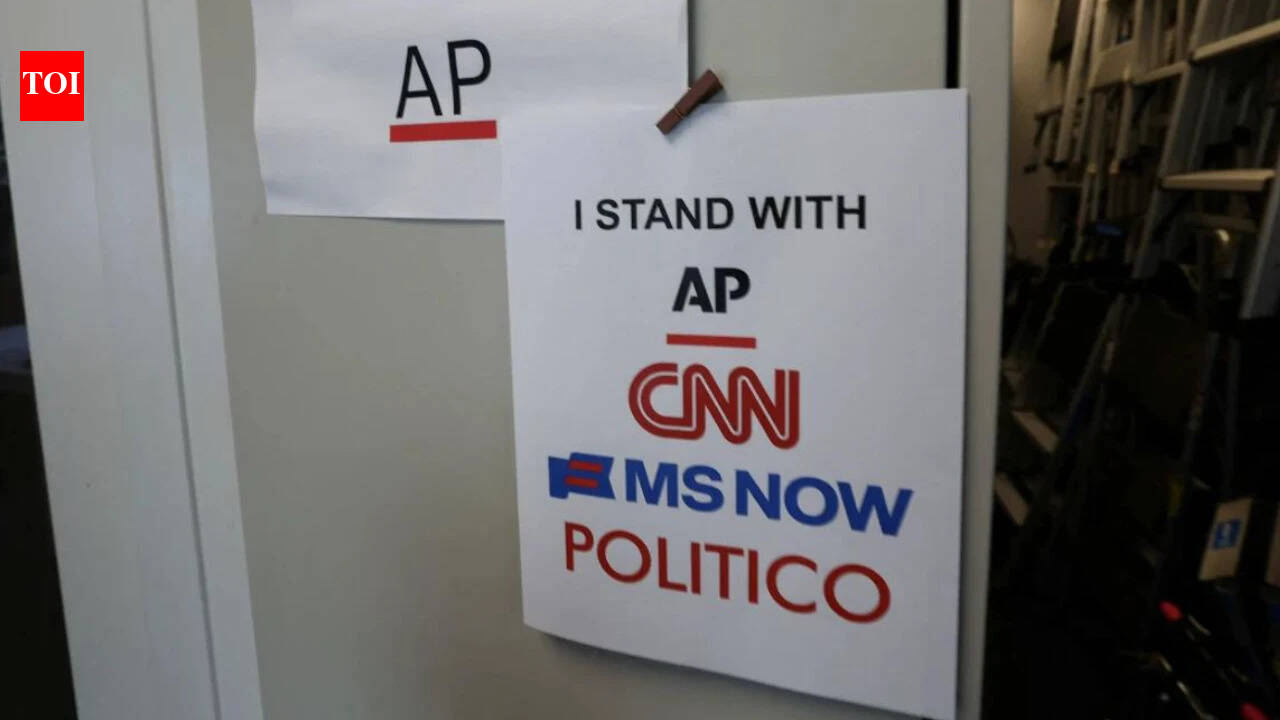
The filing came hours before an emergency hearing in Washington over the Trump administration’s decision to revoke the White House hard passes of CNN, MS NOW and Politico.
asserted
filing → come → CNN
The three news organisations are asking the court to restore their access.
asserted
organisations → ask → access
The administration has argued that the journalists’ reporting on sensitive and classified information has raised national security concerns.
asserted
reporting → argue → concerns
What the DOJ is arguing
The Justice Department said the White House is a highly controlled government facility and argued that First Amendment protections do not give journalists an independent right to access it.
asserted
protections → argue → it
Citing previous court rulings, the DOJ said the First Amendment does not create a right for journalists to enter the White House or obtain government information simply because they are members of the press.
asserted
they → cite → press
The filing also argued that the White House can impose standards on journalists receiving hard passes and that the president can determine whether reporters meet those standards.
asserted
reporters → argue → standards
According to the filing, the administration considers the publication of classified or sensitive national security information a violation of the standards expected of journalists granted access to the White House.
uncertain
publication → accord → House
The DOJ said the government had two “compelling reasons” for restricting the journalists’ access: enforcing minimum standards of professionalism and protecting classified information.
asserted
government → say → information
The administration also argued that the president has constitutional authority to protect information relating to national security.
asserted
president → argue → security
The filing cited a Supreme Court ruling recognising the president’s authority to classify and control access to national-security information.
asserted
filing → cite → information
The DOJ further said the president had determined that reporting by the three organisations had threatened national security, including reports involving sensitive information about the White House complex.
asserted
reporting → say → complex
Why did Trump revoke the hard passes?
asserted
Trump → revoke → passes
The White House press office said in letters to CNN, MS NOW and Politico that the president had decided to revoke their hard passes because they had allegedly violated standards of professionalism and decorum.
uncertain
they → say → professionalism
The letters accused the organisations of publishing sensitive or classified information and, in some cases, spreading what the administration described as false information about national security.
asserted
administration → accuse → security
For CNN, the White House cited reports including a January story about construction details of a “top-secret” bunker beneath the White House east wing and an August report that US missile-defence interceptor stocks had been significantly depleted.
asserted
stocks → cite → wing
The letter to Politico cited, among other reports, coverage of White House plans involving Secret Service security improvements and reports about US military weapons stocks.
asserted
letter → cite → stocks
The MS NOW letter similarly cited reports involving alleged FBI leak investigations and US military munitions.
asserted
letter → cite → investigations
The White House has given the three organisations until Friday to contest the decision and the factual basis cited in the letters.
asserted
House → give → letters
Press groups seek immediate restoration of access
asserted
groups → seek → access
CNN, MS NOW and Politico have challenged the restrictions in federal court, arguing that the administration is retaliating against them because of their reporting.
asserted
administration → challenge → reporting
The dispute has already affected White House coverage, with major television networks, National Public Radio and White House photographers suspending or reducing live coverage in response to the restrictions, according to CNN.
uncertain
networks → affect → CNN
The federal court in Washington has previously intervened when administrations sought to restrict journalists’ White House access.
asserted
administrations → intervene → access
The current case is therefore shaping up as a major test of how far presidential control over the White House extends when it comes into conflict with press freedom and due process protections.
asserted
it → shape → freedom
The emergency hearing before US district judge Timothy Kelly is expected to determine whether the three organisations will regain access while the broader legal fight continues.
asserted
fight → expect → access
 The Aporia