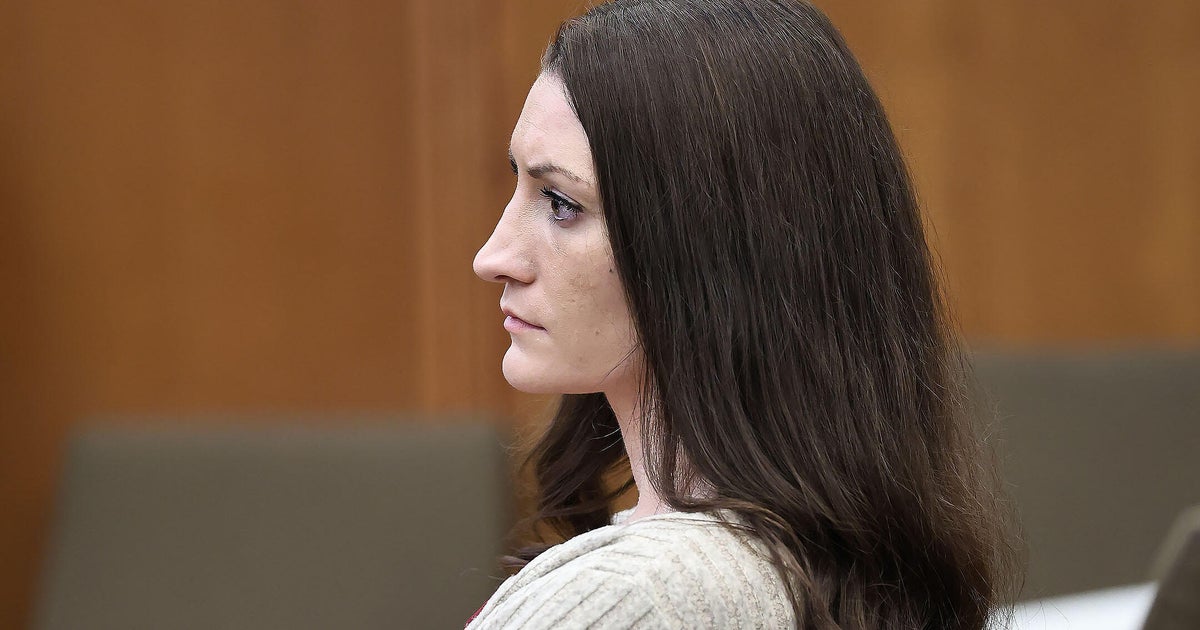
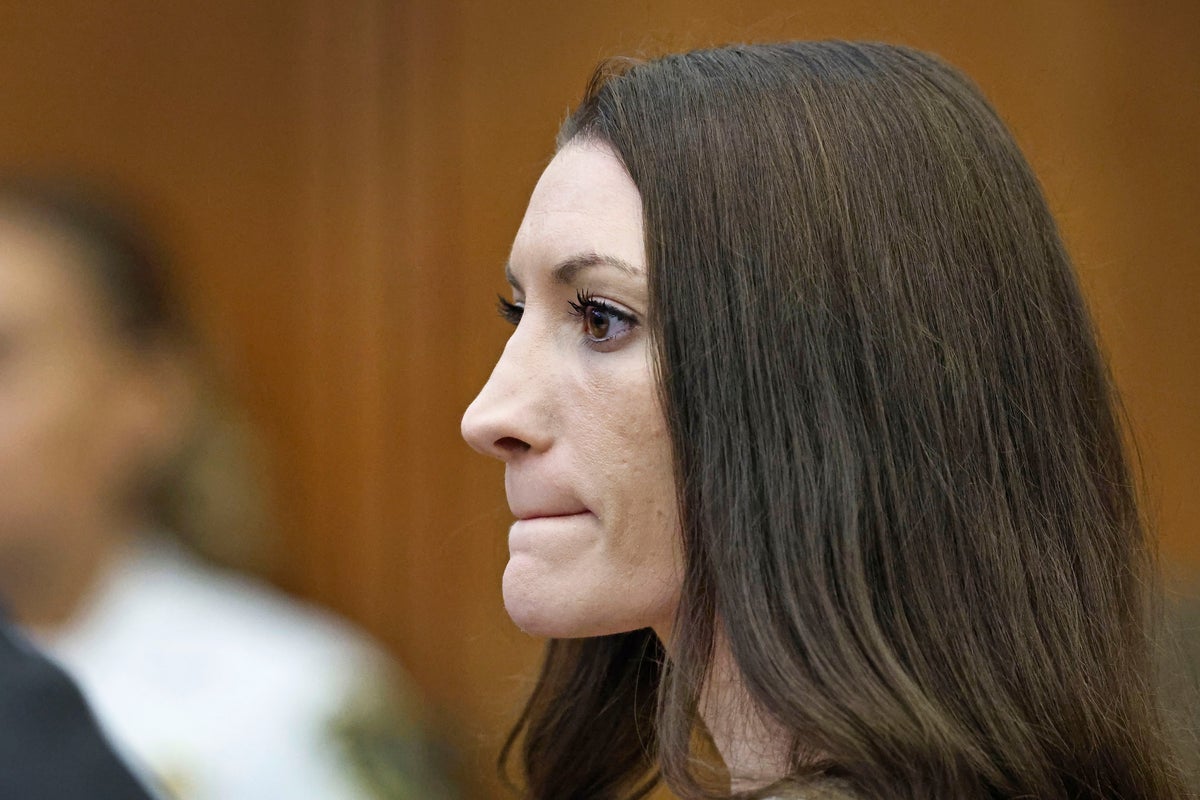
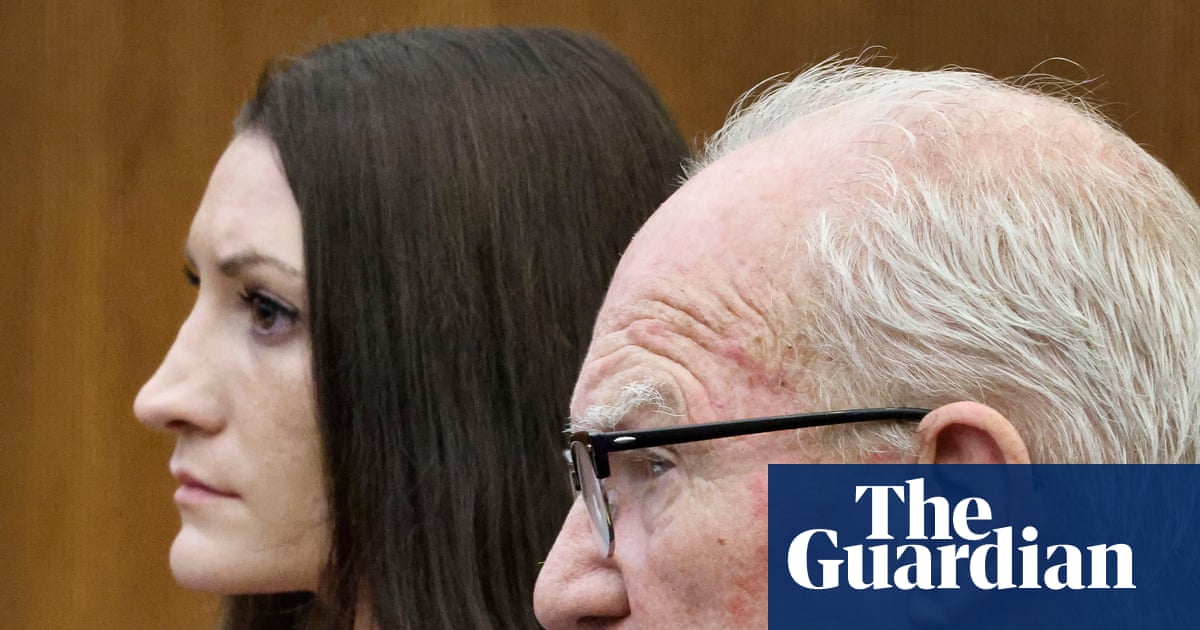
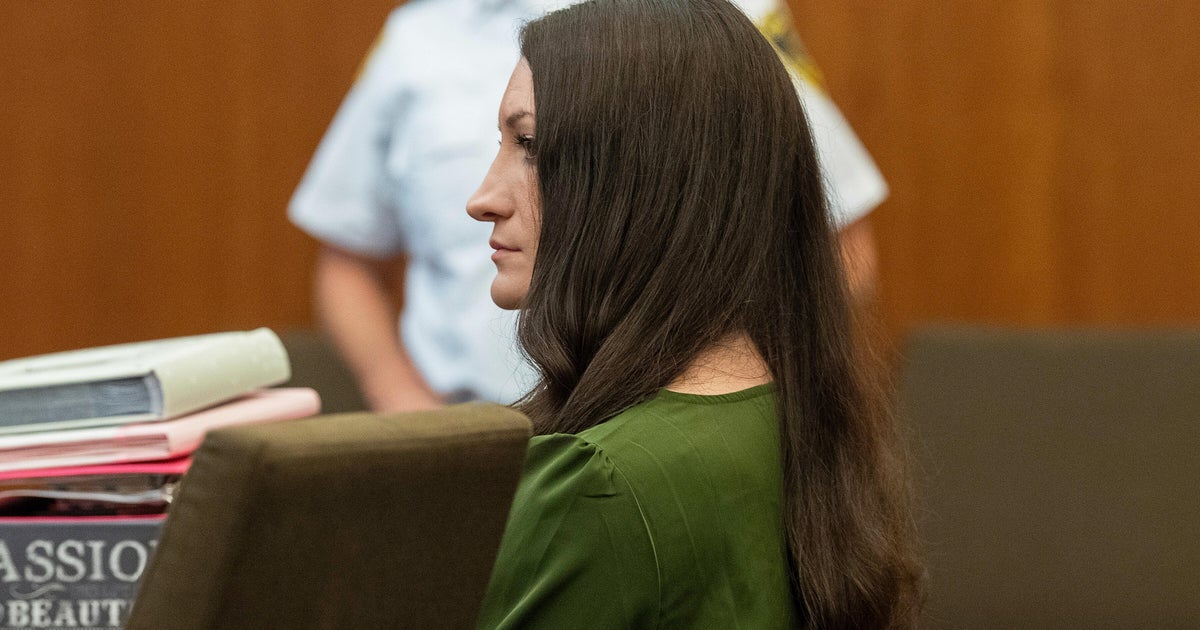
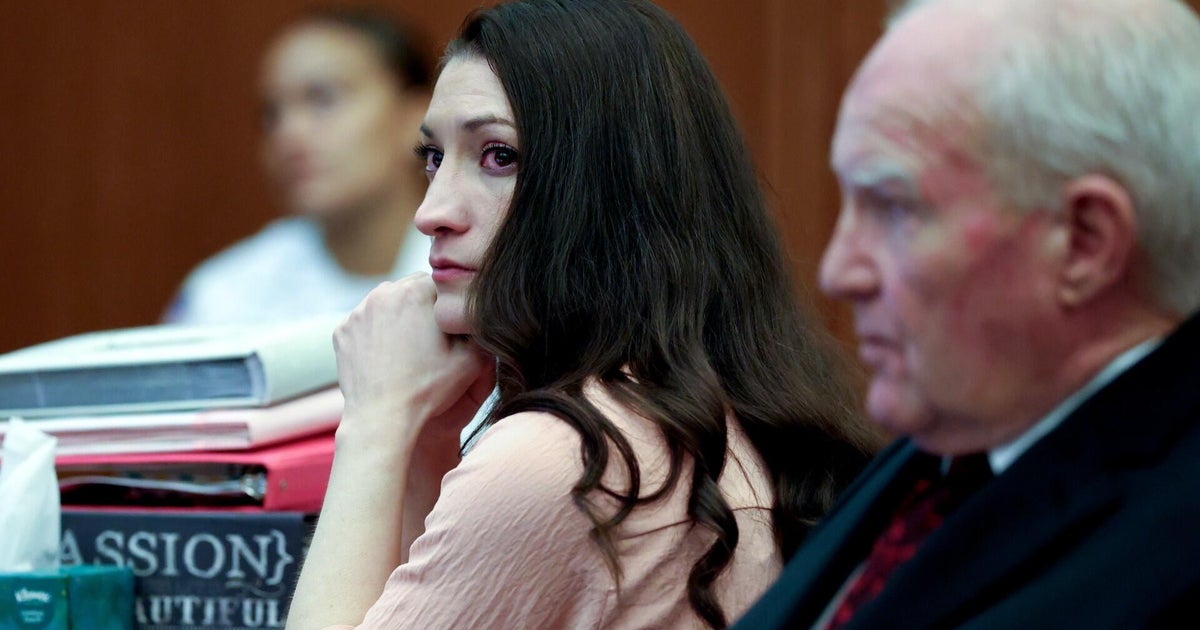
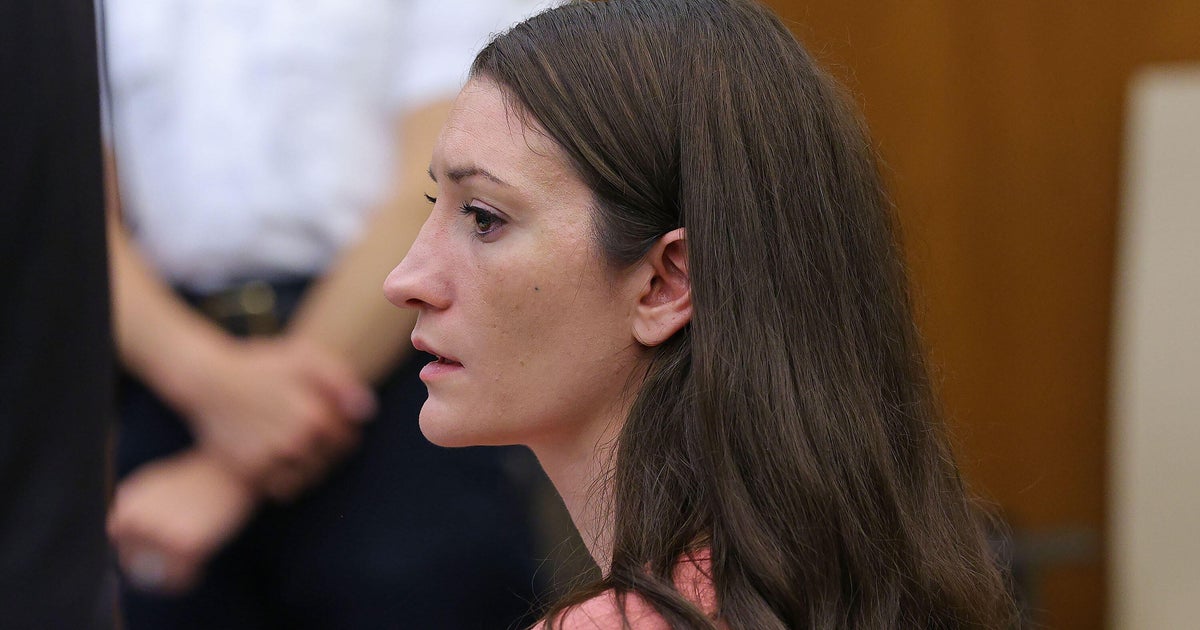
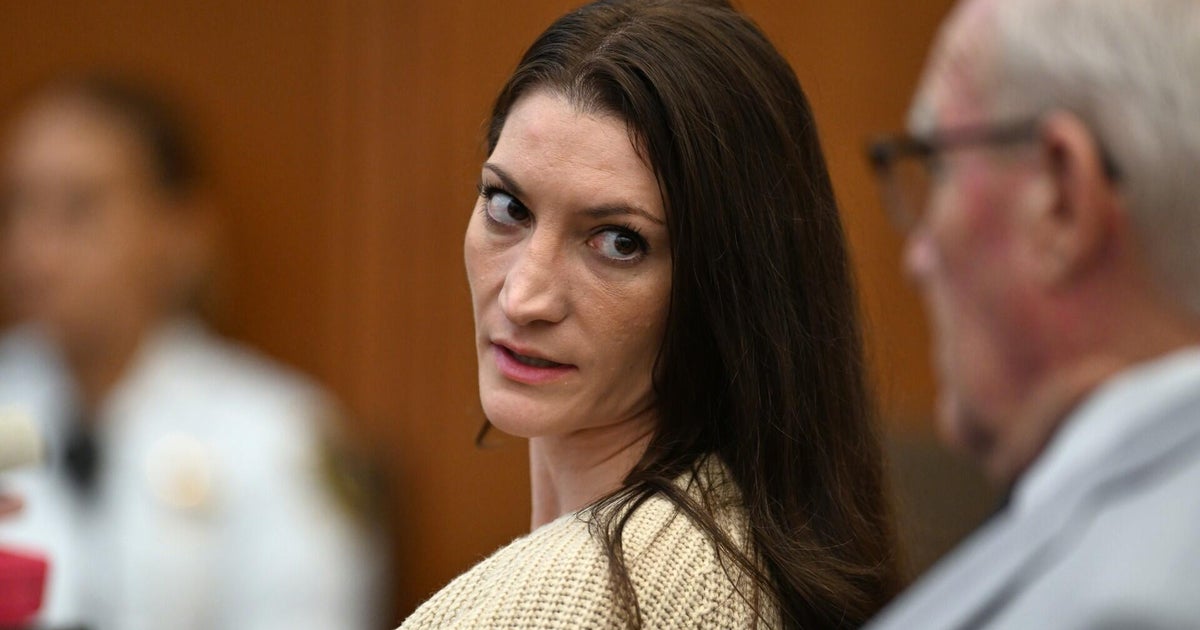
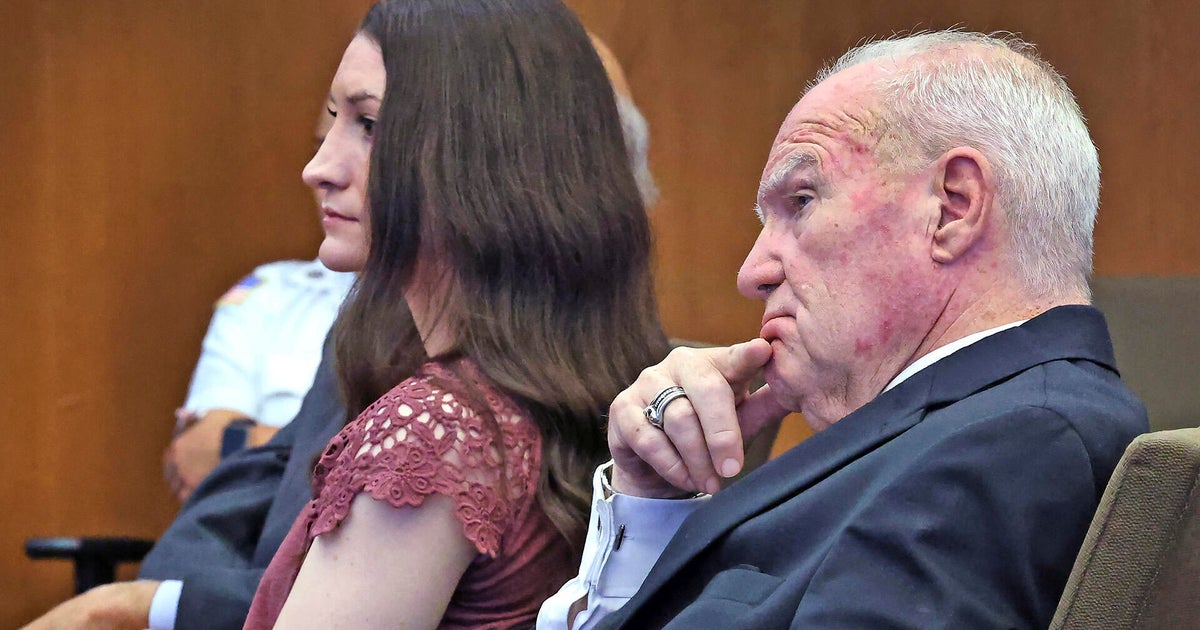
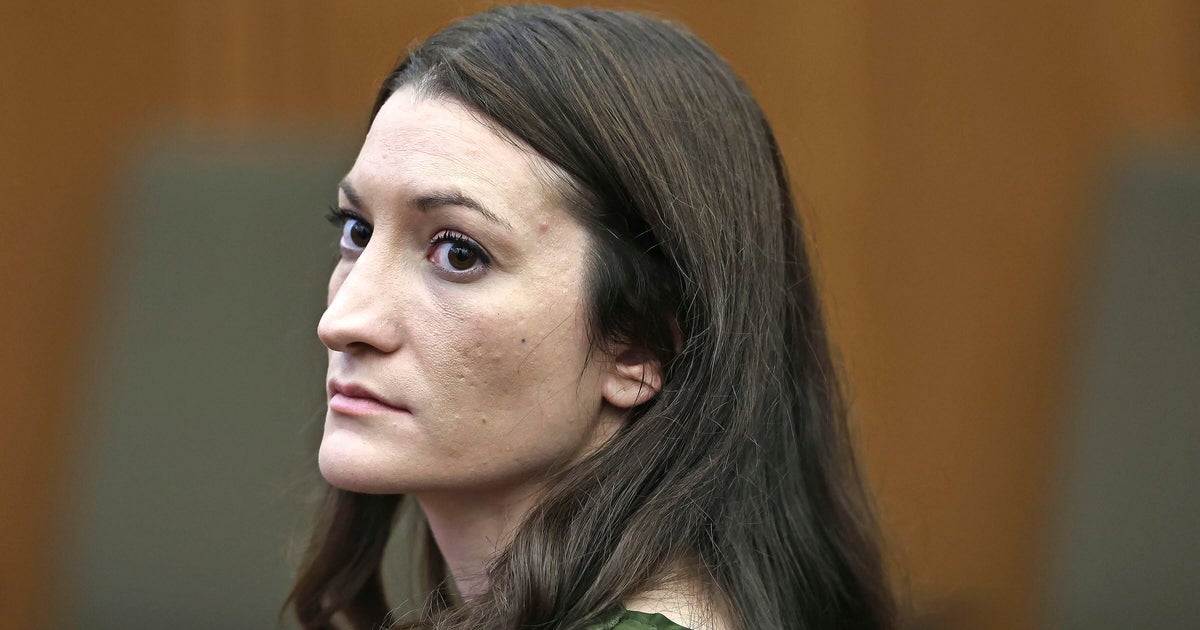
Testimony in
is finished after jurors in the Massachusetts murder case heard from 85 witnesses.
asserted
jurors → finish → witnesses
Prosecutors rested their case Wednesday afternoon after calling three rebuttal witnesses, and now the trial prepares to move to closing arguments.
asserted
trial → rest → arguments
Dr. Gregory Saathoff, a professor of emergency medicine and a forensic psychiatrist who has worked with the FBI, was the last witness called in Plymouth Superior Court.
asserted
who → work → Court
After he finished testifying at about 1 p.m., jurors were sent home.
asserted
jurors → testify → p.m.
Closing arguments are set for Thursday.
asserted
arguments → set → Thursday
After testimony ended, the prosecutors and defense met with the judge to discuss final instructions for the jury and exactly what will appear on their verdict slips.
asserted
what → end → slips
The prosecution objected to involuntary manslaughter being an option on the jury form, but it will be included.
asserted
it → object → form
Clancy can be found guilty of first-degree murder, second-degree murder, or manslaughter.
asserted
Clancy → find → murder
She can also be found not guilty by reason of insanity.
asserted
She → find → insanity
The jury could return a straight not guilty verdict, but it is considered highly unlike because Clancy's defense attorney has admitted that she killed her children.
uncertain
she → return → children
"The judge will charge the jury on the lesser offense of manslaughter and it's up to them what they feel is appropriate," defense attorney Kevin Reddington said outside of court when asked about the lesser offense being included.
asserted
offense → charge → court
"She's been beat down for 3.5 years, and she feels she's had a fair trial with the judge and the jury's been very attentive.
asserted
jury → beat → judge
All we can do is hope for the best."
asserted
we → do → best
Judge William Sullivan denied the defense's request to give the jury a "Bowden instruction," which allows jurors to consider the consequences of an insufficient police investigation.
asserted
jurors → deny → investigation
Both sides will get an hour each to make their closing arguments.
asserted
sides → get → arguments
Cross-examination of final witness
Reddington began his cross-examination by noting that Saathoff didn't interview Clancy until more than three years after the murders.
asserted
Saathoff → begin → murders
He went through Saathoff's resume line-by-line, saying he's "written a lot about terrorism" but not much about postpartum depression.
asserted
he → go → depression
Saathoff said he last treated a woman suffering from postpartum psychosis in the 1990s.
asserted
he → say → 1990s
Reddington said Clancy was complaining of dark thoughts and homicidal ideation to doctors and others in her community.
asserted
Clancy → say → community
"The homicidal ideation, as I understand, was just voiced to her husband and her mother," Saathoff replied.
asserted
Saathoff → understand → husband
Is that like talking about the Red Sox?" Reddington said.
asserted
Reddington → talk → Sox
"She's talking about homicidal ideation of her children."
asserted
She → talk → children
Reddington also questioned Saathoff's testimony about crushed-up pills being found in a wine tumbler in Clancy's bedroom.
asserted
pills → question → bedroom
"So how do we know that that's even drugs or medications?" Reddington asked.
asserted
Reddington → know → ?
"It was Patrick Clancy's observation," Saathoff said.
asserted
Saathoff → say → ?
There were heated moments as Reddington asked Saathoff about his efforts to interview Clancy as well as her mother.
asserted
Reddington → be → mother
"Do you think for one minute when you're trying to put her in jail for her life that she wants to talk to you?" Reddington said before the judge stopped him.
asserted
judge → think → him
Reddington ended his cross-examination by quoting part of the prosecution's opening statement, which talked about Clancy making a selfish choice to kill her children because she no longer liked her life.
asserted
she → end → life
"I think the statement that you read really minimizes what she was going through," Saathoff said.
asserted
Saathoff → think → what
Saathoff began his testimony Tuesday.
asserted
Saathoff → begin → testimony
He interviewed Clancy in May and June of this year and talked to her about
she said she heard that ordered her to kill the children.
uncertain
that → interview → children
He said she told him the voice stopped once the killings had ended.
asserted
killings → say → him
Saathoff also said there were inconsistencies in Clancy's story.
asserted
Saathoff → say → story
When Saathoff was back on the stand Wednesday, prosecutor Jennifer Sprague asked if the voice Clancy heard told her where or how to kill the children and herself.
asserted
Clancy → ask → children
He said it was significant that it did not.
asserted
it → say → ?
"It indicated that she had control," he said.
asserted
he → indicate → control
Saathoff characterized
as "very serious," even though prosecutors have previously highlighted that the cuts she inflicted on herself were not too severe.
asserted
she → characterize → herself
"The fact that the lacerations were not deep doesn't mean that she wasn't intending to kill herself," he said.
asserted
he → mean → herself
Sprague asked Saathoff if Clancy was overmedicated, which is one of the defense's key arguments.
asserted
which → ask → arguments
"She experienced some significant side effects from some of her medication," he said, but added she still had an ability to appreciate right from wrong.
asserted
she → experience → wrong
…and 12 more, not listed.
 The Aporia