The Aporia
The Aporia
The Aporia
Rubenfeld, J. (2026, August 31). The Law Is Inadequate to Judge Lindsay Clancy. The Free Press. https://www.thefp.com/p/law-inadequate-lindsay-clancy-trial
Rubenfeld, Jed. “The Law Is Inadequate to Judge Lindsay Clancy.” The Free Press, 31 Aug. 2026, https://www.thefp.com/p/law-inadequate-lindsay-clancy-trial.
Rubenfeld, Jed. “The Law Is Inadequate to Judge Lindsay Clancy.” The Free Press, August 31, 2026. https://www.thefp.com/p/law-inadequate-lindsay-clancy-trial.
Dated when The Aporia collected the article, usually within hours of publication. Check the original for its exact date and byline.
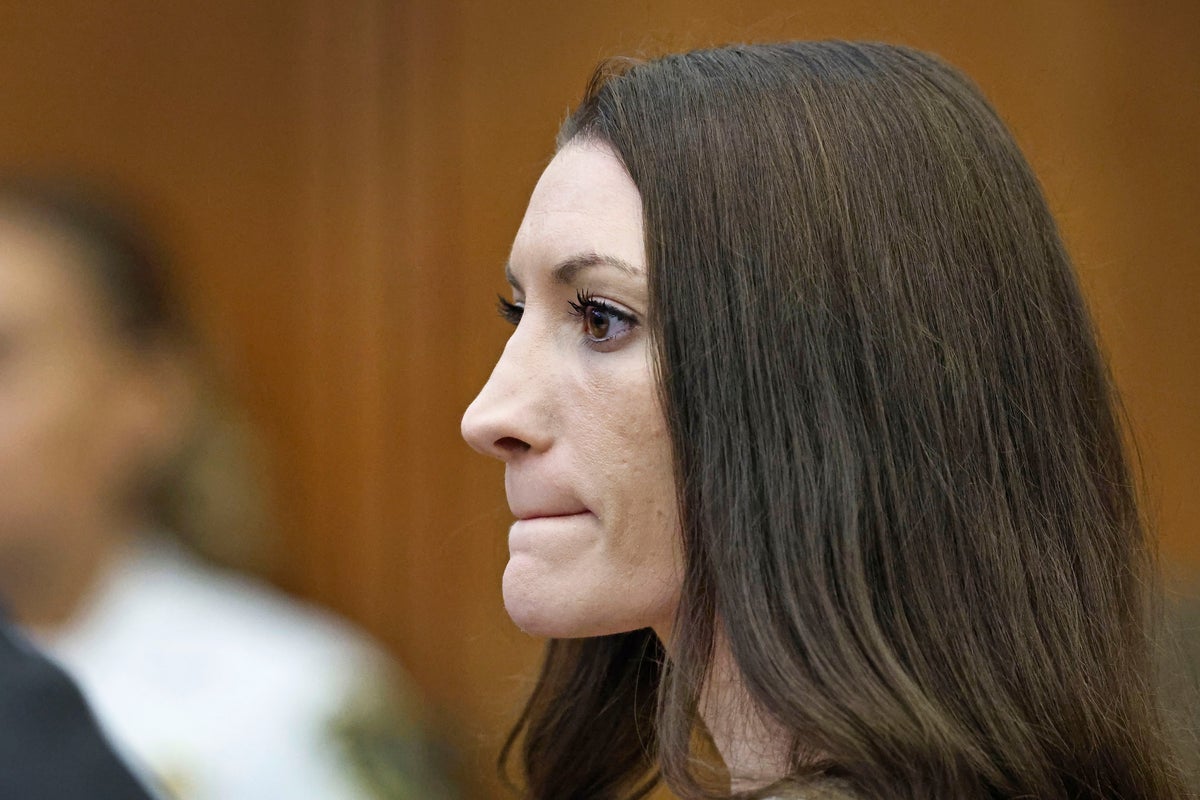
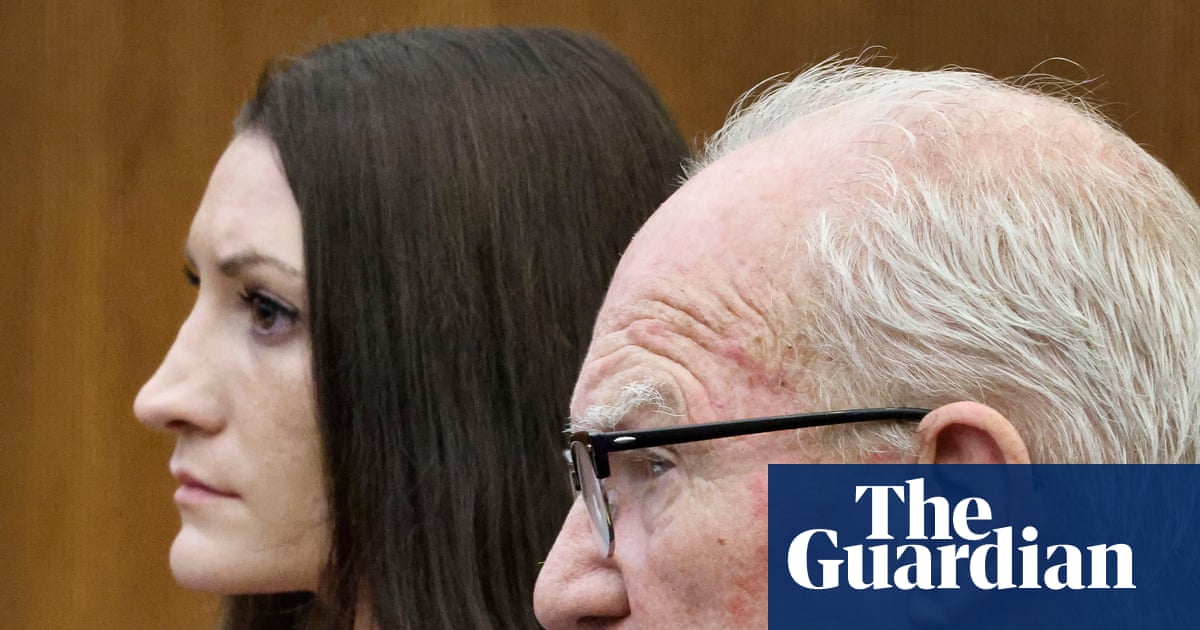
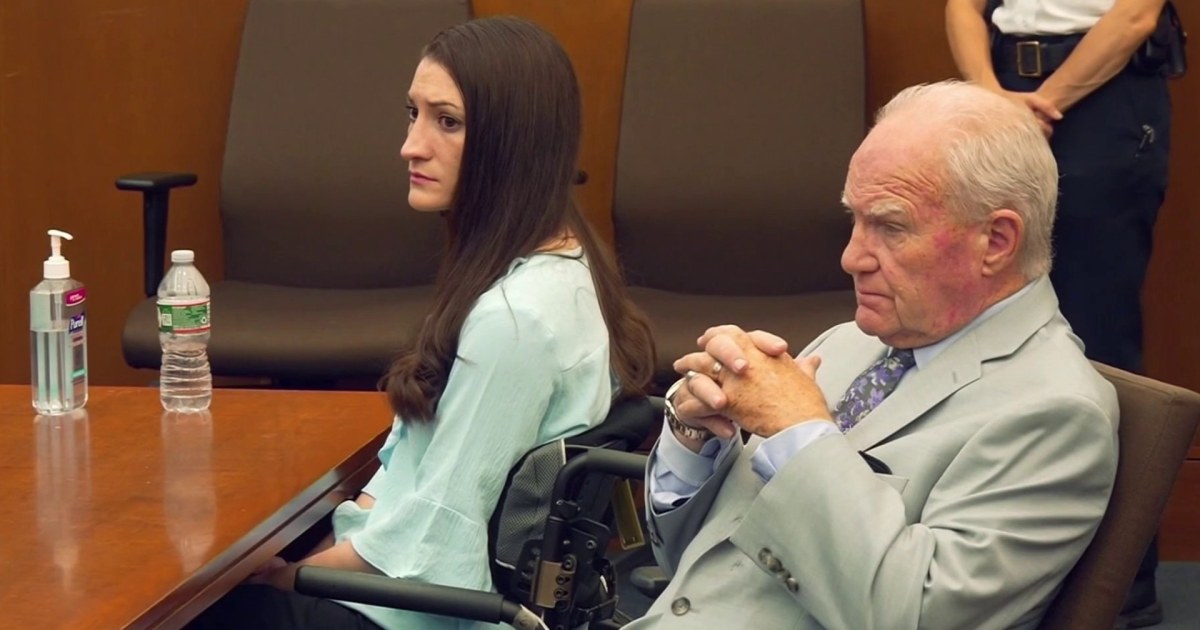
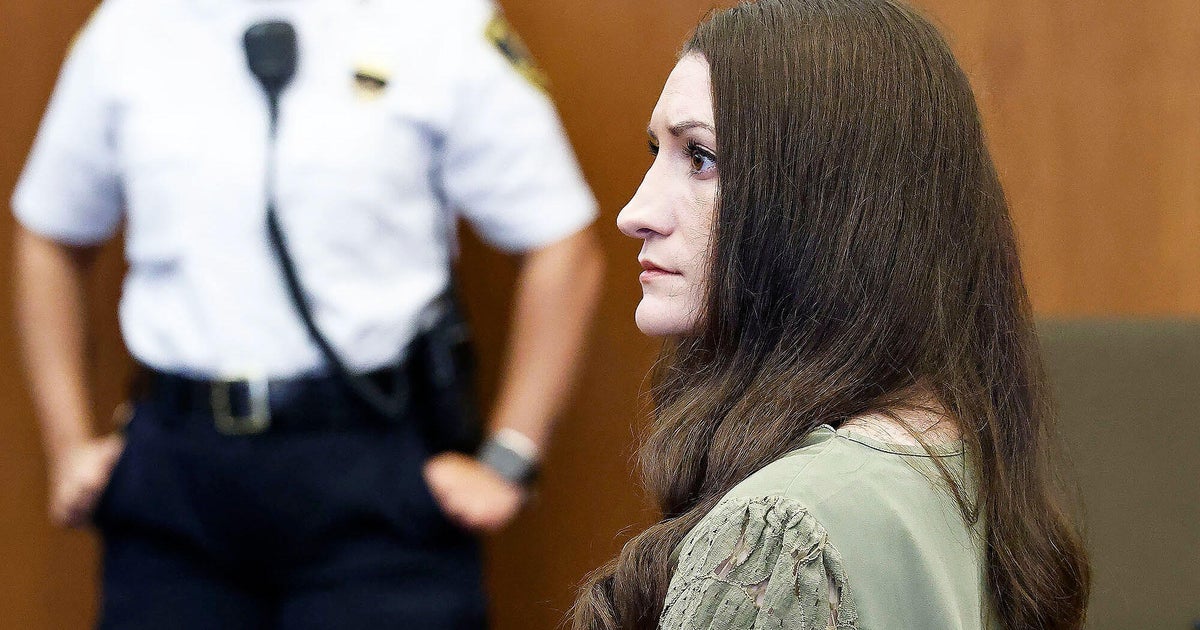
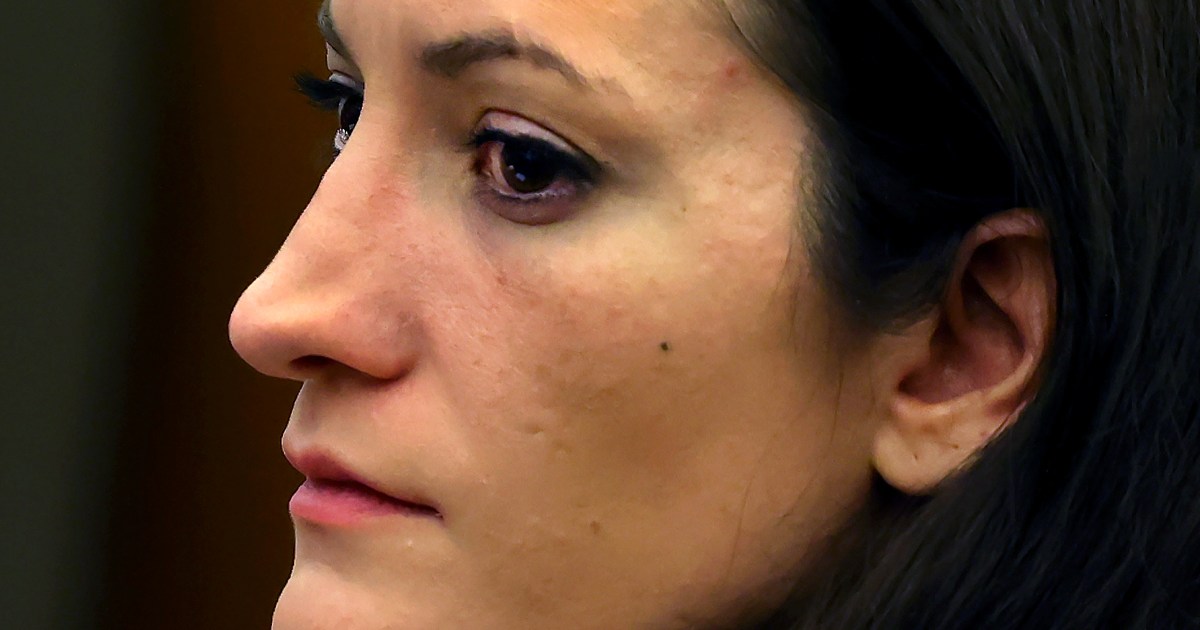
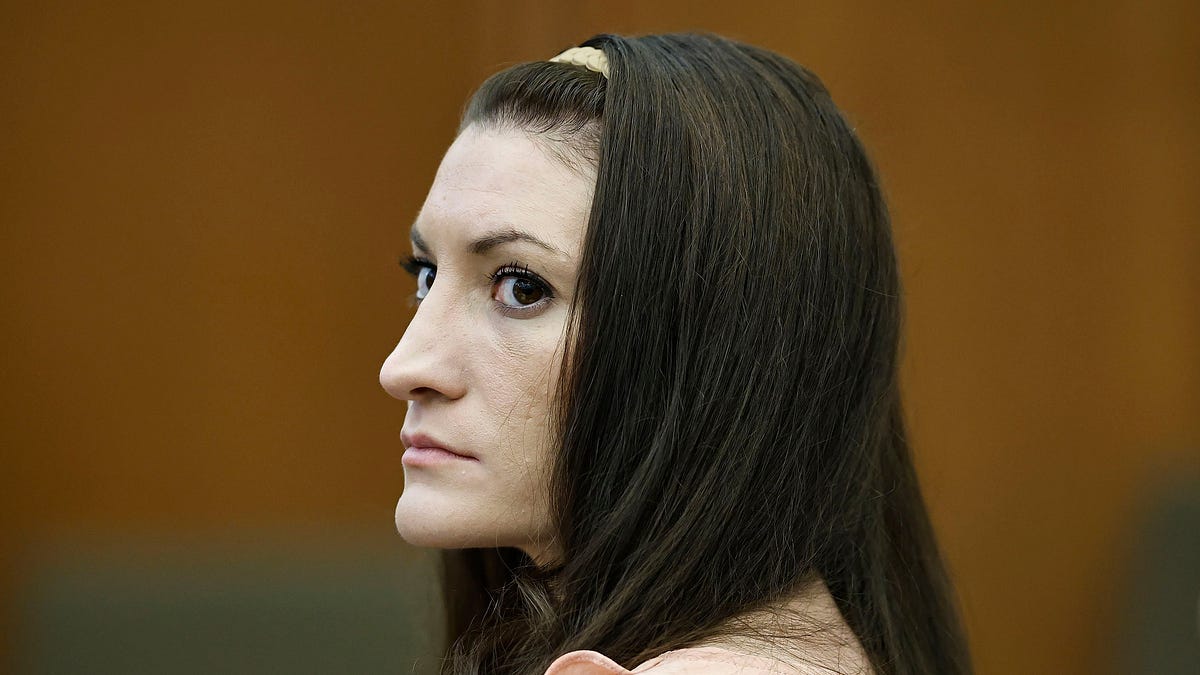
As of September 2026, Lindsay Clancy's murder trial in Duxbury, Massachusetts ended in a mistrial after five weeks due to a hung jury. The case involves the deaths of Clancy’s three young children—5-year-old Cora, 3-year-old Dawson, and 8-month-old Callan—in January 2023. Clancy did not testify but admitted to killing her children while arguing she was suffering from postpartum psychosis at the time. The prosecution presented over 70 witnesses, including an FBI psychiatrist who testified that he does not believe Clancy heard a voice ordering her actions, suggesting she had control over her decisions.
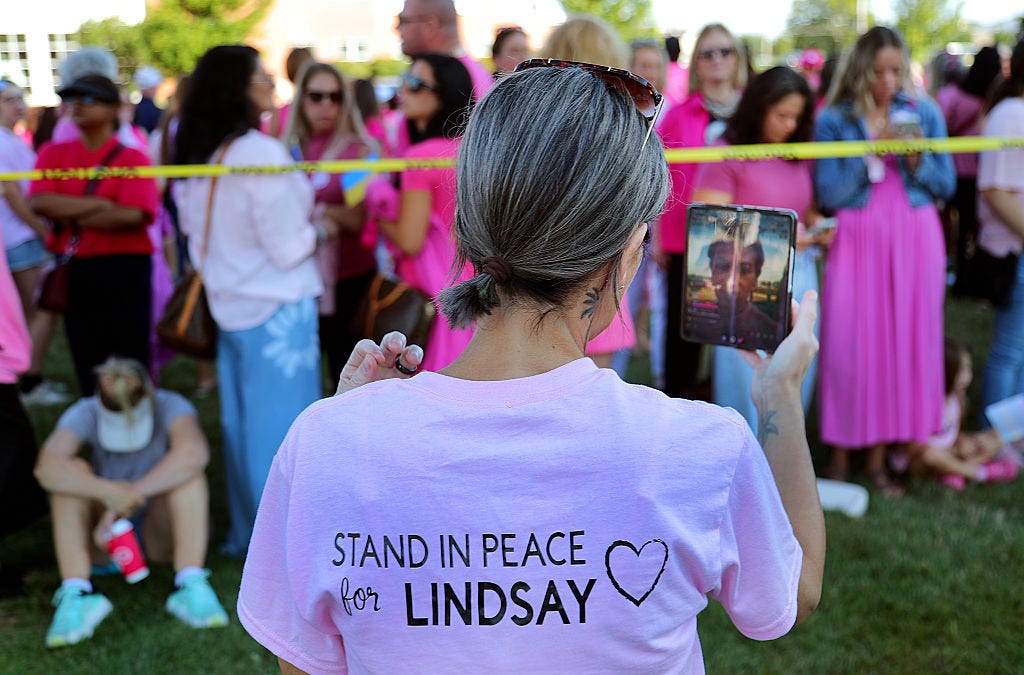
The defense highlighted systemic failures in mental health support and rallied public sympathy by highlighting the challenges new mothers face when seeking help. However, one juror’s alleged misconduct prompted Clancy's attorney to ask Judge William Sullivan to investigate his phone use during deliberations and review a questionnaire he filled out prior to the trial. The judge is now considering whether Desronvil shared information or used his phone improperly during jury deliberation hours, which lasted seven days without reaching a verdict.