Final witness in Lindsay Clancy trial says he doesn’t believe she heard a voice during killings

US news | The Guardian · collected 2026-08-27 · by Edward Helmore
Read the original at US news | The Guardian ↗

Summary

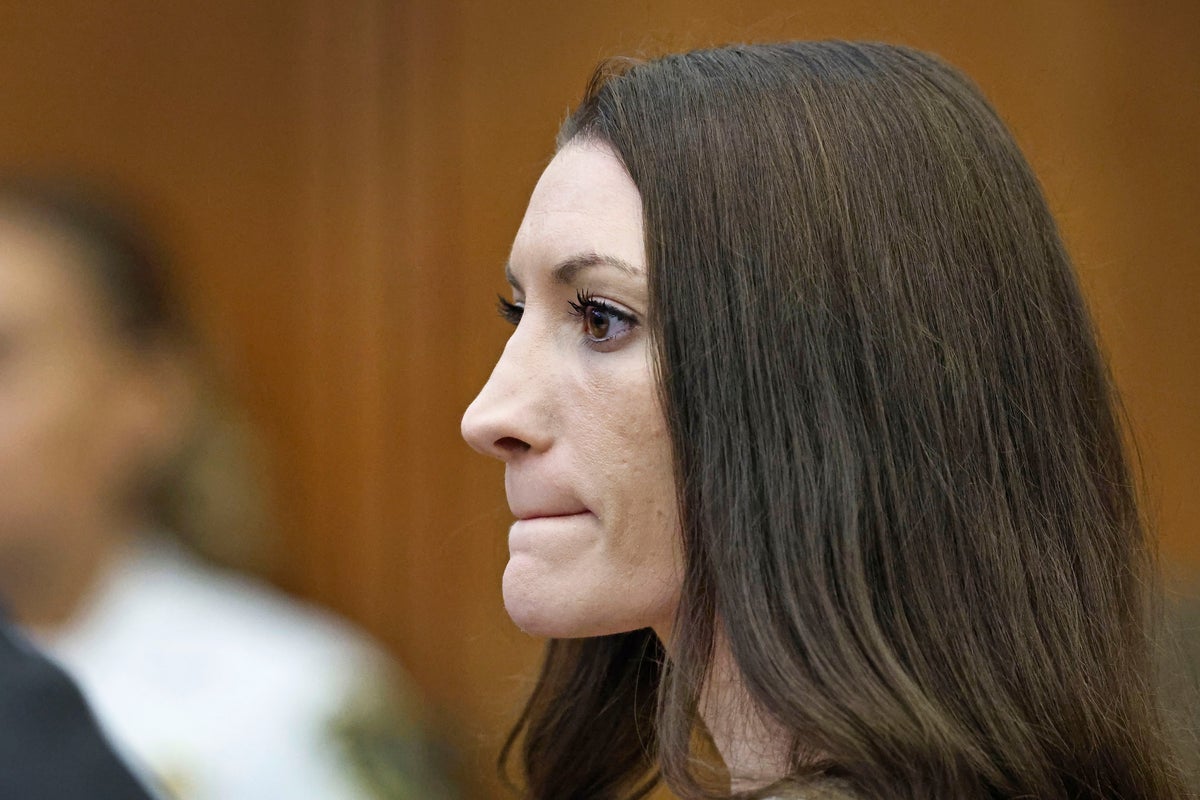
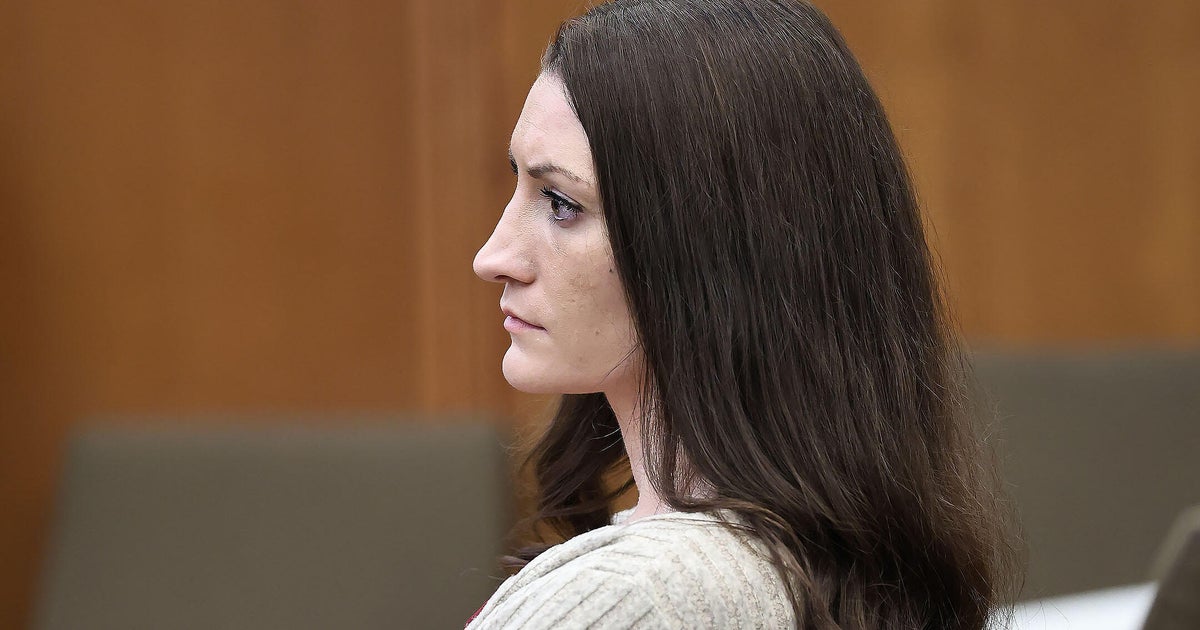
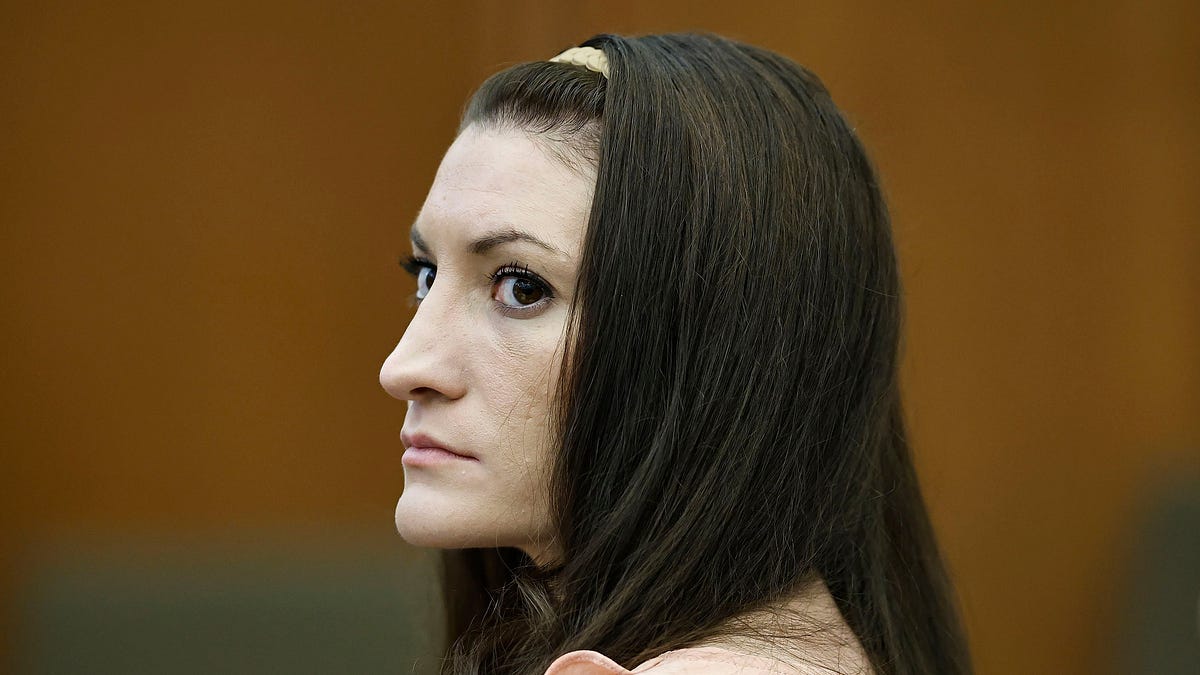
Dr Gregory Saathoff, an FBI psychiatrist, testified in court that Lindsay Clancy knew right from wrong when she killed her three young children. Clancy has claimed that she heard a voice ordering her to kill the children, but Saathoff does not believe this account. He pointed out that Clancy was able to carry out the killings and her own attempted suicide "methodically and alike" without any direction or plan, indicating she had control over her actions. Closing arguments are expected to begin on Thursday, after which the jury will deliberate.
Written by the local model on 2026-08-27, using this article's own text rather than the other coverage of the same event (that is the story summary below).

Signals How these are calculated →

Claims extracted
27
claim-shaped sentences
Uncertain
7%
2 of 27 hedged
Leaning
not political
takes no side on a contested political question
Publisher trust
95.2
red-flag proxy, not a credibility rating
Outlets on this story
7
Crime & Law
Narrative spread
1
articles carrying this framing
Analyzed 2026-08-27 · how these are computed

AI analysis (generated at analysis time, not now)

Story summary

Lindsay Clancy, a 36-year-old mother from Massachusetts, is on trial for the murder of her three young children: 5-year-old Cora, 3-year-old Dawson, and 8-month-old Callan. The children died in January 2023 at their family's home in Duxbury. Clancy has pleaded not guilty by reason of lack of criminal responsibility, arguing that she was suffering from postpartum psychosis at the time. Prosecutors claim that Clancy made a calculated decision to kill her children and knew right from wrong.

The trial has lasted for five weeks and included testimony from over 80 witnesses, including psychologists, psychiatrists, and family members. Clancy's defense team presented 10 witnesses, including friends and relatives. The prosecution rested its case after calling three rebuttal witnesses, and the jury is now deliberating.

Clancy's mental health and whether she was capable of distinguishing right from wrong at the time of the killings are key issues in the trial. Her lawyers argue that she was suffering from postpartum psychosis, a rare condition that can cause severe hallucinations and disconnection from reality. However, an FBI psychiatrist testified that he does not believe Clancy's account of hearing a voice ordering her to kill the children.

The jury will consider several options: not guilty, not guilty by reason of insanity, first-degree murder, second-degree murder, or manslaughter. If convicted, Clancy could face up to life in prison without parole. The trial has sparked debate about maternal mental health and the need for better support systems for new mothers.

Clancy's supporters have gathered outside the courtroom, mostly women who identify with her experience of seeking help but feeling dismissed or misunderstood by the medical system. Many argue that systemic failures around maternal health contributed to the tragedy and that Clancy's case highlights the need for more resources and understanding for new mothers struggling with mental health issues.

Written for “Lindsay Clancy Murder Trial” on 2026-08-31, grounded in this article and the 6 other(s) covering the same event.
Why this leaning score
This article does not take a side on a contested political question, so it has no leaning score. That is an answer rather than a gap: a match report or a rescue can be warmly or critically written without being left or right, and scoring it anyway is how approval of a subject gets recorded as a political position.
No political leaning scored for article 2892 · logged 2026-08-27

Story

📰 Lindsay Clancy Murder Trial
Crime & Law · 7 article(s) covering the same event.

How this is being covered How these are calculated →

Article leaning vs. publisher reliability
Source leaning vs. consistency

Compared with similar articles

This article reads unscored and hedges 7% of its claims. Each row says how that neighbour differs.
The Independent World
⚖️ Leans left 🔴 29% hedged 4 of 14 📰 publisher trust 95
“The events described in both articles occur at different times: 2021 for Article A, 2023 for Article B.”
NBC News Top Stories
⚖️ leaning not scored 🔴 0% hedged 0 of 1 📰 publisher trust 96
“Article A mentions 'Judge sets 2028 trial for alleged 9/11 mastermind' while Article B is about the Lindsay Clancy murder trial”
The Independent World
⚖️ leaning not scored 🔴 4% hedged 1 of 27 📰 publisher trust 95
“Both articles report on the same trial of Lindsay Clancy, with the final witness testifying on Wednesday and closing arguments expected to begin on Thursday”
Mother Jones
⚖️ Leans left 🔴 13% hedged 13 of 98 📰 publisher trust 95
“Both articles report on the Lindsay Clancy trial, discussing the events of August 27th, 2026”
Home - CBSNews.com
⚖️ leaning not scored 🔴 4% hedged 2 of 52 📰 publisher trust 58
“Both articles report on the same trial testimony ending and closing arguments being set for Thursday in the Lindsay Clancy case, with identical witness names and dates”
CBC | World News
⚖️ Leans left 🔴 15% hedged 7 of 47 📰 publisher trust 95
“Both articles report on the same trial of Lindsay Clancy for the deaths of her three children, with Article A covering testimony from an FBI psychiatrist and Article B mentioning closing arguments and the start of jury deliberations.”
The Free Press
⚖️ Leans left 🔴 0% hedged 0 of 8 📰 publisher trust 96
“Both articles report on the ongoing trial of Lindsay Clancy, mentioning the same children and the current stage of the trial (jury deliberation)”
BBC News
⚖️ leaning not scored 🔴 11% hedged 3 of 27 📰 publisher trust 96
“Both articles describe the ongoing murder trial of Lindsay Clancy, specifically addressing her defense and prosecution arguments regarding her alleged mental state during the killing of her three children in 2023.”
Home - CBSNews.com · 0.86 cosine similarity
⚖️ leaning not scored 🔴 6% hedged 5 of 84 📰 publisher trust 58

Publisher

US news | The Guardian · 90 article(s) · 0 correction(s) detected
SignalValueWeight
Correction rate 0.000 0.4
Uncertainty density 0.095 0.25
Assertive mismatch rate 0.000 0.35
No corrections detected for this publisher. That may mean careful reporting, or simply that nothing has been checked.

Who wrote this

Edward Helmore
5 article(s) here · 1 carrying a prediction
🔮 And it said “those in Canada will continue to see ‘Lake Ontario’” on Google Maps, “and those outside … the US and Canada will see both names”.
🔮 Closing arguments are expected to begin on Thursday.
🔮 He added that canine search teams will clear the area, but officials have not yet identified any fatalities.
🔮 “History will record this deployment as one of the most operationally intense and consequential of the modern era.”
🔮 Clancy, Musgrove testified to the court in Plymouth, Massachusetts, had asked if she could sleep in her mother’s bed and told her she felt the medication she had been prescribed for postpartum depression were “destroying” her mind.
More on this subject from Edward Helmore
All 5 articles by Edward Helmore →

Topics

FBI Massachusetts Plymouth

Subjects

Clancy PERSON · 11× Saathoff PERSON · 7× Callan PERSON · 1× Cora PERSON · 1× Dawson PERSON · 1× FBI ORG · 1× Gregory Saathoff PERSON · 1× Lindsay Clancy PERSON · 1× Massachusetts GPE · 1× Plymouth GPE · 1×

Narrative

Saathoff was asked by prosecutor Jennifer Sprague whether he believed a voice told Clancy where to kill the children, how to kill them, what to use to do it and in what order to kill them. “Having no instructions as to how to do it, but being able to execute those decisions … that is surprising that she’s able to accomplish all of this without any other kind of direction or plan,” Saathoff testified. Saathoff testified that Clancy’s ability to accomplish everything she did without direction indicated she “had control, control of the sequence of what she was doing throughout”. “In the small amount of time that Miss Clancy had in the home without her husband, it was important, in order to carry this out, as well as her suicide [attempt], to do this quickly, methodically and alike,” he added.
framing: assertive · carried by 1 article(s) · first seen 2026-08-27
🔮 Closing arguments are expected to begin on Thursday.

Claims (27 extracted, 2 hedged)

Testimony finished in the Lindsay Clancy trial on Wednesday, as a final witness for the prosecution laid out that he believed the Massachusetts mother knew right from wrong when she took the lives of her three young children before attempting to commit suicide in 2023. asserted
she → finish → 2023
Closing arguments are expected to begin on Thursday. asserted
arguments → expect → Thursday
The jury will then start deliberating. asserted
jury → start → ?
An FBI psychiatrist, Dr Gregory Saathoff, testified in court in Plymouth that he does not believe Clancy’s account that she heard a voice ordering her to kill the children – five-year-old Cora, three-year-old Dawson and eight-month-old Callan – as her defense team maintains that this occurred while she was suffering from the relatively rare condition of postpartum psychosis. asserted
she → testify → psychosis
The issue is the crux of the case: Clancy’s mental health and whether, as prosecutors contend, she knowingly murdered her children or, as the defense argues, she was at that moment outside the realms of reality and, in legal terms, lacks criminal responsibility for her actions. asserted
she → contend → actions
She has admitted to killing the children, but not to murdering them. asserted
She → admit → them
Saathoff was asked by prosecutor Jennifer Sprague whether he believed a voice told Clancy where to kill the children, how to kill them, what to use to do it and in what order to kill them. “Having no instructions as to how to do it, but being able to execute those decisions … that is surprising that she’s able to accomplish all of this without any other kind of direction or plan,” Saathoff testified. Saathoff testified that Clancy’s ability to accomplish everything she did without direction indicated she “had control, control of the sequence of what she was doing throughout”. “In the small amount of time that Miss Clancy had in the home without her husband, it was important, in order to carry this out, as well as her suicide [attempt], to do this quickly, methodically and alike,” he added. asserted
he → ask → this
Clancy has admitted to strangling her children with exercise bands in the family’s basement while her then husband was out on errands, but pleaded not guilty to a crime, by reason of insanity. asserted
husband → admit → insanity
The case has brought national attention to the court as jurors heard dueling explanations for Clancy’s actions over almost five weeks of testimony. asserted
jurors → bring → testimony
Her defense claims that postpartum psychosis, exacerbated by undiagnosed bipolar disorder and a combination of anti-anxiety and sedative medications, led to the killings. uncertain
psychosis → claim → killings
Supporters who claim she was failed by the health system last week rallied outside the courthouse. uncertain
she → claim → courthouse
In recent days, prosecutors have refined their argument that Clancy was a high-functioning mother and a perfectionist who felt she was losing control and planned to take her own and her children’s lives. asserted
she → refine → lives
Clancy knew right from wrong when she killed her children, Saathoff testified. asserted
Saathoff → know → children
“The planning involved, prior to the strangling of her children, I thought was significant,” he said. asserted
he → involve → children
He pointed to Clancy’s visits to a pediatrician’s office on the day of the killings and later making lunch for her children and building a snowman with them. asserted
He → point → them
“The activities of that day were controlled. asserted
activities → control → day
Throughout the day she was methodical and quite controlled and organized,” he said. asserted
he → organize → day
Saathoff said on Tuesday he found it unusual that Clancy said the voice she was hearing stopped once she had killed the children, and that the voice was constant rather than intermittent. asserted
voice → say → children
“Committing the act is not curative of the voice,” Saathoff said, adding that in his experience he had “not ever seen that” happen. asserted
that → commit → experience
Under cross-examination by defense attorney Kevin Reddington, Saathoff said he had treated only two women experiencing postpartum psychosis “in the late 1980s and also during the 1990s” when he worked at a state hospital. asserted
he → say → hospital
He acknowledged that the mental health progression from postpartum depression to psychosis can be “rapid” and the latter can look similar to regular depression, along with sleep problems and suicidal ideation. Saathoff also acknowledged that changes in a woman’s hormone levels after giving birth can affect neurotransmitters in the brain and lead to “intrusive and hard-to-control thoughts and hard-to-control behavior”. But in a closing moment of testimony, Reddington read from the prosecution’s opening statement, which said Clancy had “made a calculated decision” and “was a woman who no longer liked the life she thought she wanted”. asserted
she → acknowledge → life
Prosecutors accused Clancy of having chosen “to manipulate her providers” and “seek out a quick and easy fix when she was feeling depressed and anxious”, adding: “When she didn’t get what she expected, she chose the alternate route.” asserted
she → accuse → route
Reddington asked Saathof if he supported that summation. asserted
he → ask → summation
Saathof said he would not “I think that statement that you read really minimizes what [Clancy] was going through,” he said. asserted
he → say → [
Jurors also heard from Saathoff that Clancy had complained about a lack of sleep and feeling numb when she went to an emergency room about a month before the killings. asserted
she → hear → killings
But the Women and Infants hospital in Rhode Island turned her away from a postpartum day program. asserted
hospital → turn → program
Jurors will hear closing arguments, probably on Thursday, before being given jury instructions and sent to deliberate. asserted
Jurors → hear → instructions

💬 Give feedback
🕘 History 🎫 Support