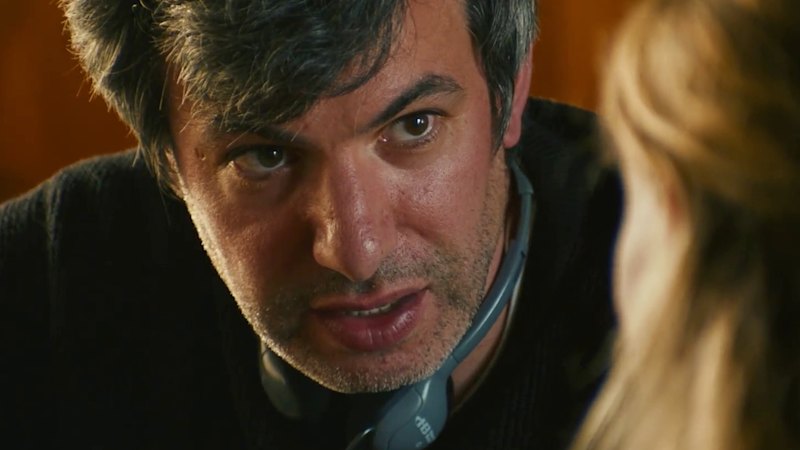
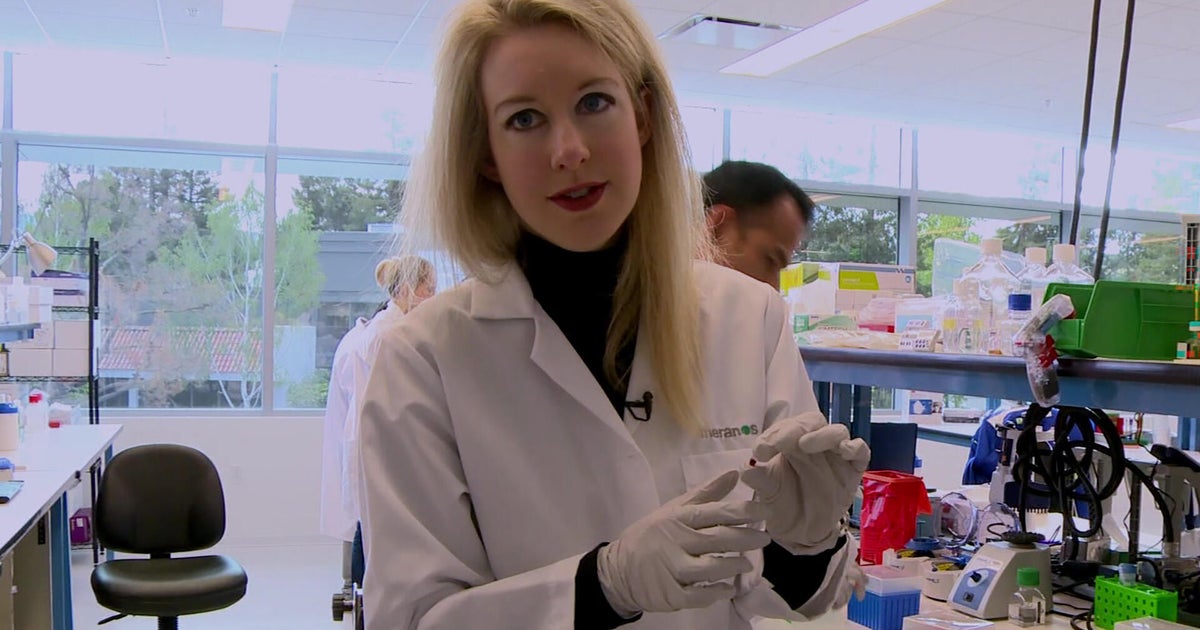
For all the despicable acts Elizabeth Holmes carried out as the CEO of Theranos, that long list of criminal behavior somehow manages to feel small under Nathan Fielder’s analytical masterpiece, You Can See Everything.
asserted
You → carry → Everything
Which is not to say they are treated trivially; Holmes’ dramatic fall from entrepreneurial wunderkind to convicted fraudster, along with her unshakable claims of innocence, loom over nearly every turn of the three-hour documentary.
uncertain
fall → say → documentary
But after effectively moving in with Holmes in 2023, just 34 days before she is set to report to federal prison, Fielder and co-director Lance Oppenheim have turned their extraordinary access into an interrogation of heady questions that go far beyond Holmes’ guilty conviction.
asserted
that → move → conviction
(In 2022, Holmes was found guilty of defrauding investors but acquitted of defrauding patients.
asserted
Holmes → find → patients
Earlier this year, her legal team asked President Trump for an early release.)
asserted
team → ask → release
The result is a documentary that wonders: What shapes our realities?
asserted
What → wonder → realities
Do we really know the depths of someone’s inner life?
asserted
we → know → life
And perhaps critically, is it possible, even with near-total entrée into the lives of your subjects, to see everything?
asserted
it → see → everything
The film opens eerily, almost like a dream, capturing the disgraced tech leader as she tends to her two young children, including a newborn, while taking anguished Zoom calls with lawyers to discuss the logistics of her upcoming prison sentence: the timing of bathroom breaks, wake-up calls, etc.
asserted
she → open → breaks
In several scenes that make up the first two hours, we see Holmes crying, something she tells Fielder she long had trouble letting others watch her do.
asserted
her → make → trouble
Are we, instead, witnessing yet more fraud in an attempt to curry sympathy with the public?
asserted
we → witness → public
Such doubt is warranted, perhaps necessary, considering Holmes’ record.
asserted
doubt → consider → record
But in some ways, I found them to be beside the point.
asserted
them → find → point
Watching a mother weep, a waterfall of wet snot dripping from her nose as she considers her family and prison, it is nearly impossible not to want to reach out and embrace her.
asserted
it → watch → her
I felt this same mix of pity and tenderness kick in, repeatedly, when we bear witness to apparent abuse between supposed loved ones, again having the effect of wanting to protect a convicted fraudster.
asserted
we → feel → fraudster
The filmmakers might complain that I’ve already revealed too much.
uncertain
I → complain → much
Until last month, when the film made its surprise premiere at the Telluride Film Festival, it had been a virtual secret that Holmes, in 2023, invited Fielder to document the final weeks of her freedom.
asserted
Holmes → make → freedom
And since the film’s stealth arrival, A24 has been exceptionally tight-lipped about the project, urging attendees and critics to abstain from revealing too much to anyone before its wider October release.
asserted
A24 → urge → release
Having been a fan of Fielder’s since the first days of Nathan for You, I understand that absurdist, slow-building intrigue is central to his work.
asserted
intrigue → understand → work
Still, I was skeptical: When it comes to Elizabeth Holmes, what profundity could be wrung out of a backstory that has been rigorously reported on and turned into an Emmy Award-winning Hulu series?
uncertain
that → come → series
You Can See Everything is jaw-dropping, earning every effort at secrecy its executives doggedly sought to protect.
asserted
executives → see → secrecy
I’ll stop before I end up blurting out more.
asserted
I → stop → more
It is ideal for viewers to go in knowing nothing more than what the trailer offers, especially any details of the final hour.
asserted
trailer → go → hour
But leaving the theater into the crispness of an October evening, a confounding mix of affections swirling in my brain—compassion, confusion, delight—I couldn’t help but feel a touch emotional.
asserted
I → leave → brain
“Were there mostly good guys or bad guys?” my five-year-old asked when I returned home.
asserted
I → ask → home
I started to answer, but then realized I had no idea.
asserted
I → start → idea
 The Aporia