- Published
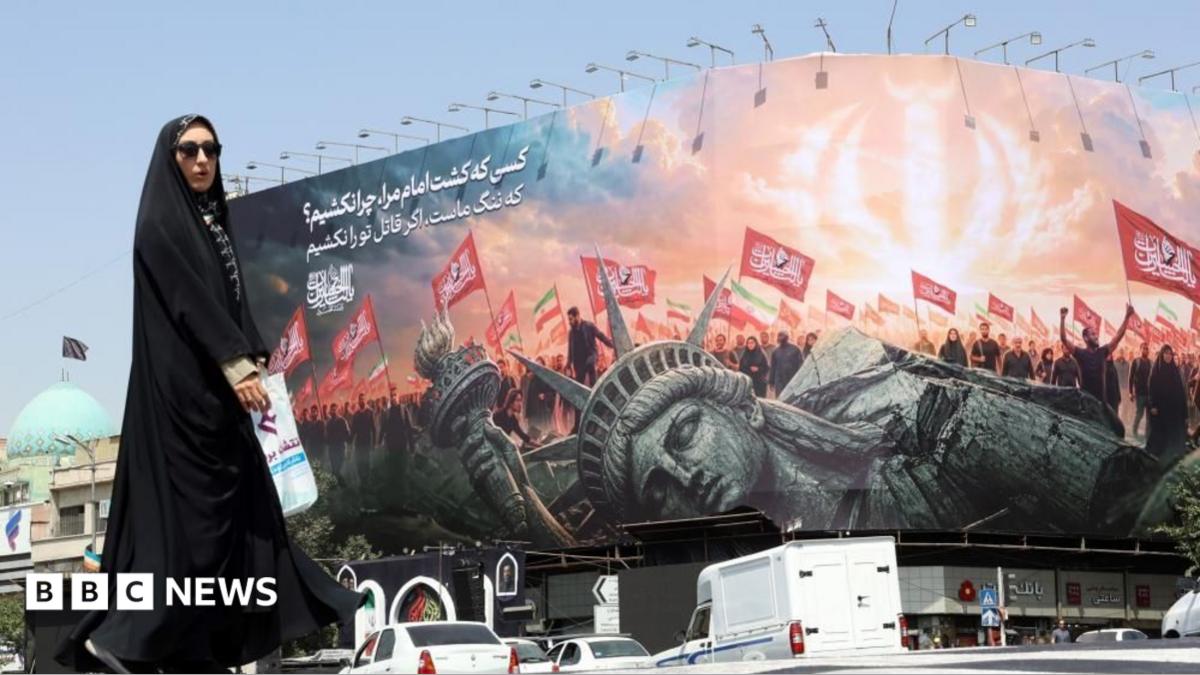
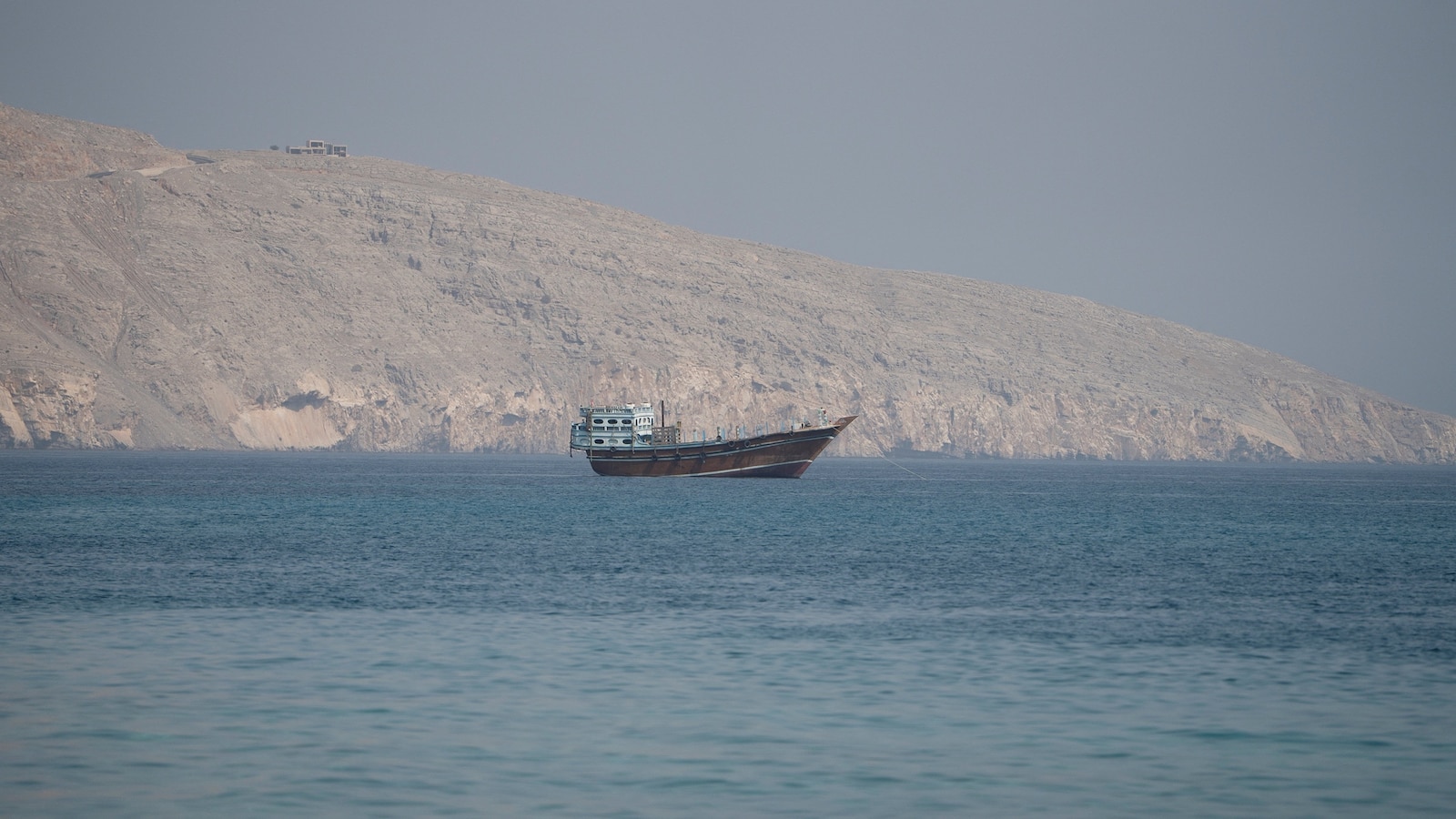
US President Donald Trump has said that the US Navy has removed or detonated all mines in the Strait of Hormuz - the vital waterway which Iran has largely closed since the beginning of the war in the Middle East.
asserted
Iran → publish → East
"Iran has been notified that any ship or boat placing new mines will be immediately and systematically destroyed," Trump said in a post on his Truth Social platform.
asserted
Trump → notify → platform
Closure of the strait has caused wild fluctuations in the price of oil on world markets.
asserted
Closure → cause → markets
Trump has often said the US has control of the area - but Iran has fired against vessels it says have sought to cross without its permission.
asserted
it → say → permission
Some 20% of the world's oil and liquefied natural gas used to transit the Strait of Hormuz before the war, which began on 28 February with US and Israeli air strikes against Iran.
asserted
which → liquefy → Iran
In addition to closing the strait, Iran retaliated against Israel and against US bases in the region as well as US Arab allies in the Gulf.
asserted
Iran → close → Gulf
A ceasefire aimed at facilitating talks to end the war has collapsed and there has been intermittent exchange of fire between the US and Iran.
asserted
ceasefire → aim → US
However, this week the US announced a raft of economic sanctions against Iran.
asserted
US → announce → Iran
US Treasury Secretary Scott Bessent warned that any nation financially partnering with Iran would be isolated.
asserted
nation → warn → Iran
Iran and the US signed a Memorandum of Understanding (MoU) in June - a 14-point document which set a 60-day deadline to reach a deal on the Strait of Hormuz, before substantial negotiations on resolving the nuclear issue - allegations that Iran is building a nuclear weapon, which Tehran has consistently denied.
asserted
Tehran → sign → which
However, that deadline has now expired and talks have collapsed leading to the new US sanctions that Trump believes will lead to the collapse of the Iranian regime.
asserted
Trump → expire → regime
Iran has been under sanctions for most of the time since the founding of the Islamic Republic in 1979 and Economy Minister Ali Madanizadeh said Tehran was "fully prepared" for the wider sanctions, which he added would lead to "another defeat" for the US.
asserted
he → say → US
Its economy, however, has suffered as a result of the war - and a blockade of Iranian ports that the US has been maintaining for weeks not to allow trade to continue.
asserted
trade → suffer → weeks
On Tuesday, China - the biggest buyer of Iranian oil - said it was firmly opposed to what it called the US's "illegal unilateral sanctions" and would take "all necessary measures" to safeguard its rights.
asserted
it → say → rights
The US announcement comes ahead of planned talks between Trump and Chinese President Xi Jinping next month.
asserted
announcement → come → Trump
Washington is likely to be wary of potential retaliation from Beijing, which processes the majority of the world's rare earths and other critical minerals, crucial in the manufacture of many high-tech products.
asserted
which → process → products
Beijing has already tightened export controls on rare earths as part of previous trade negotiations with the US.
asserted
Beijing → tighten → US
Iran, for its part, has indicated that it wants to establish full control of the Strait of Hormuz - a view that is opposed by the US and most other countries which believe that the passage constitutes international waters and transit should remain unimpeded as it was before the war.
asserted
it → indicate → war
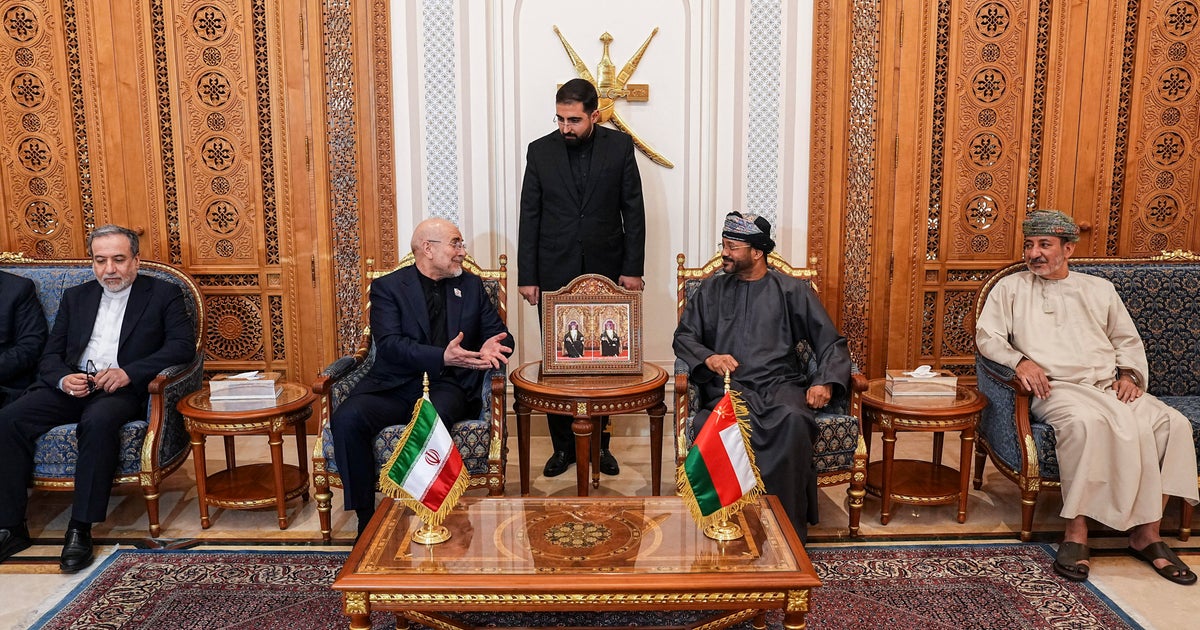
Until recently - and on the basis of the MoU - Iran had been involved in negotiations with Oman, a US ally, to agree a mechanism for administering the strait.
asserted
Iran → involve → strait
However, those talks have so far not produced an agreement and, last week, Trump even threatened to bomb its ally "if it gets in the way" of his administration's own talks with Iran over the issue.
asserted
it → produce → issue
Omani Foreign Minister Badr Albusaidi said on Tuesday that he hoped his country and Iran would soon announce the establishment of a temporary shipping corridor in the strait after meeting his Iranian counterpart Abbas Araghchi in Tehran.
asserted
country → say → Tehran
He said in a statement he also hoped for "practical arrangements" to restore safe navigation, adding: "Future management of the strait and a permanent solution will follow in due course."
asserted
management → say → course
Araghchi confirmed the meeting in a statement, saying "regional solutions" were discussed in talks with representatives from Pakistan and Oman.
asserted
solutions → confirm → Pakistan
He added that discussions covered the future management of the strait, as well as the framework for a new corridor and a joint mine-clearing operation.
asserted
discussions → add → corridor
Speaking to state television news after the meeting Iran's Deputy Foreign Minister Kazem Gharibabad said the entry route to the Gulf would be "through Iranian waters and the exit route through Omani territorial waters, and ships will pass through Iranian waters on both routes".
asserted
ships → speak → routes
The minister added that the south corridor of the waterway, which has been recommended to shipping firms by the US and is situated close to the coast of Oman, would be "closed" under the framework, and the meeting "does not mean that the Strait will be opened from tomorrow".
asserted
Strait → add → tomorrow
He said "no military vessels will be allowed to pass through the Strait of Hormuz, and only commercial vessels will be allowed to pass through it".
asserted
vessels → say → it
Gharibabad called the route "temporary", adding Iran and Oman will negotiate a new permanent route within a timeframe of 60 days to replace the previous maritime traffic plan.
"If Iran's requests are not granted, the Strait will be closed," he said.
asserted
he → call → plan
 The Aporia