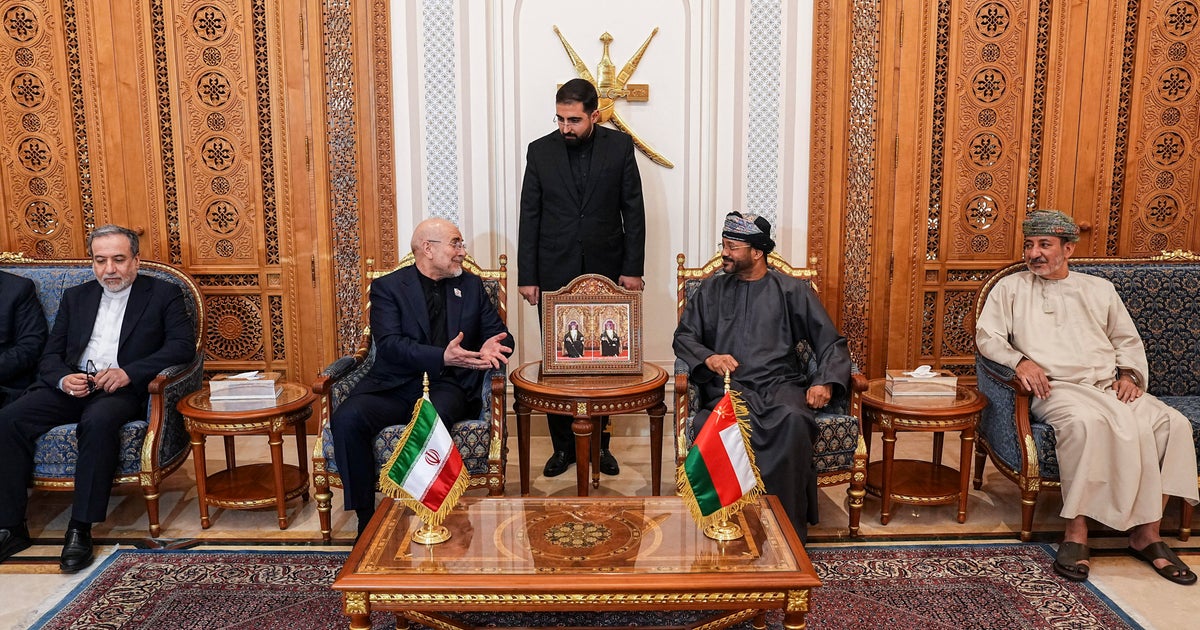
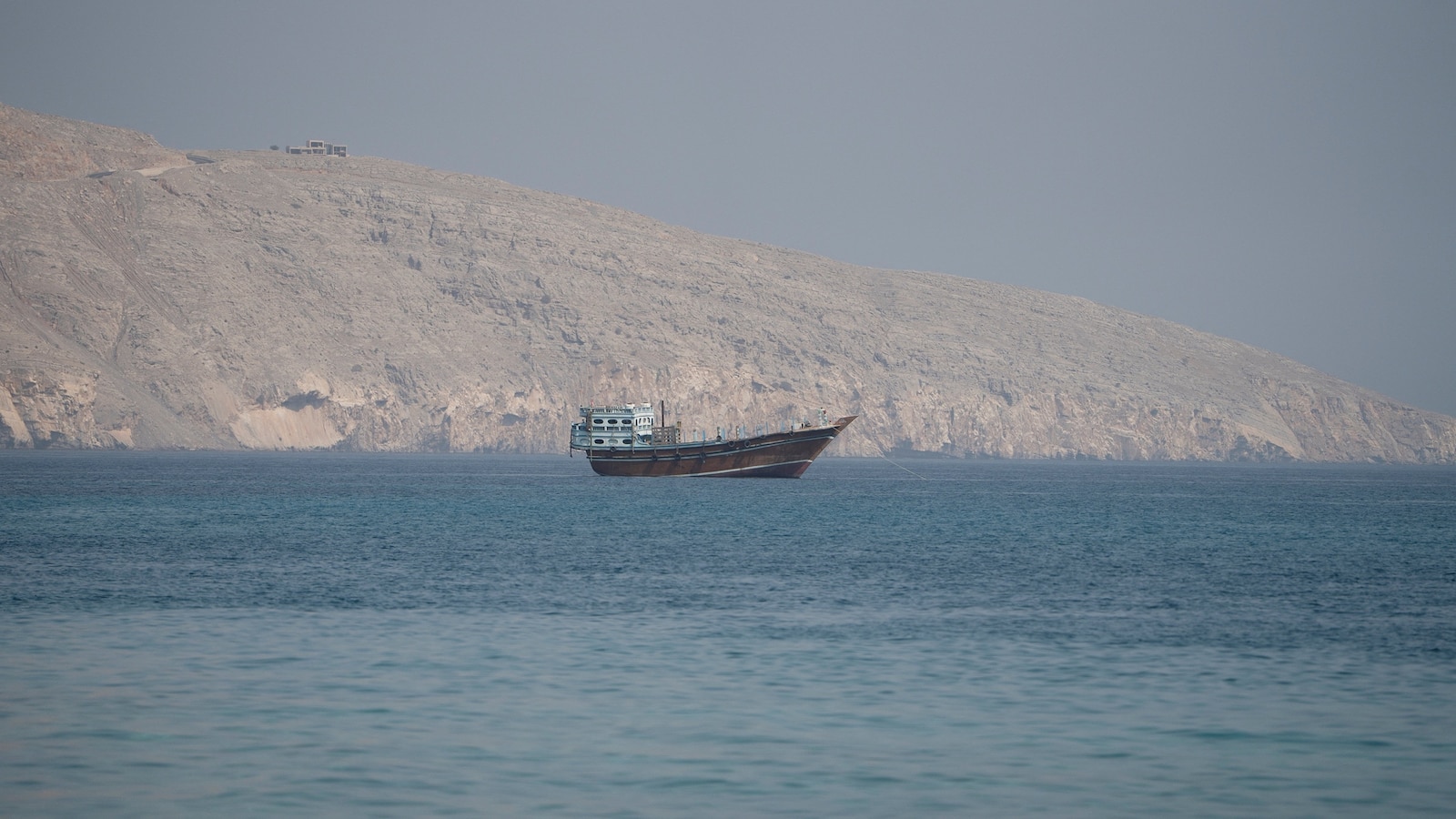
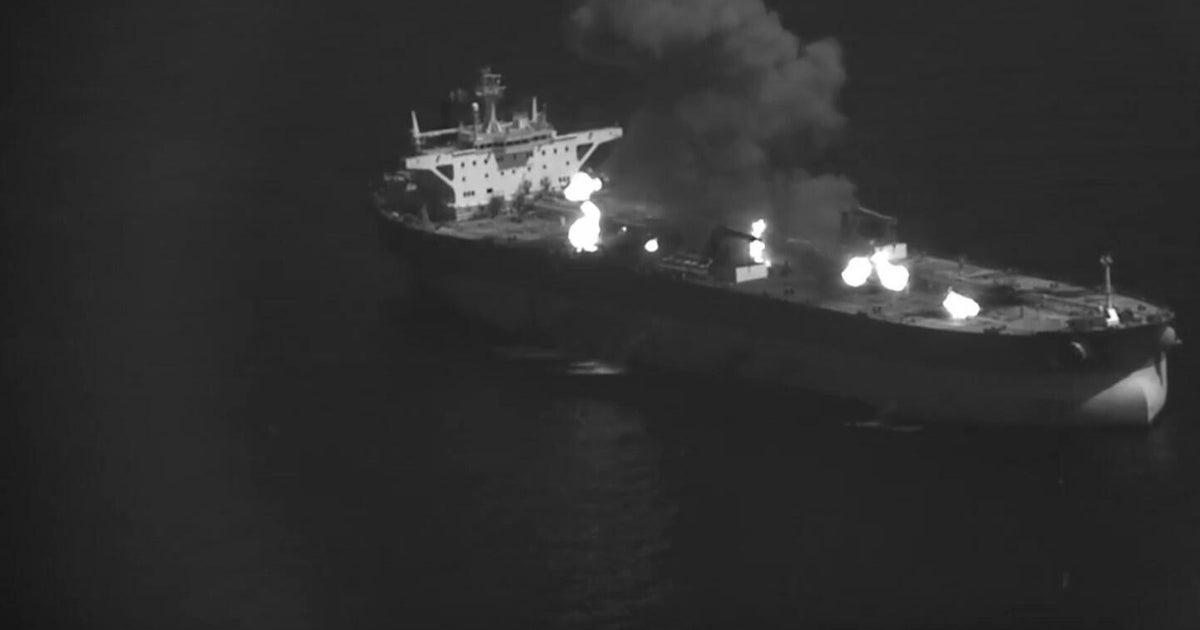
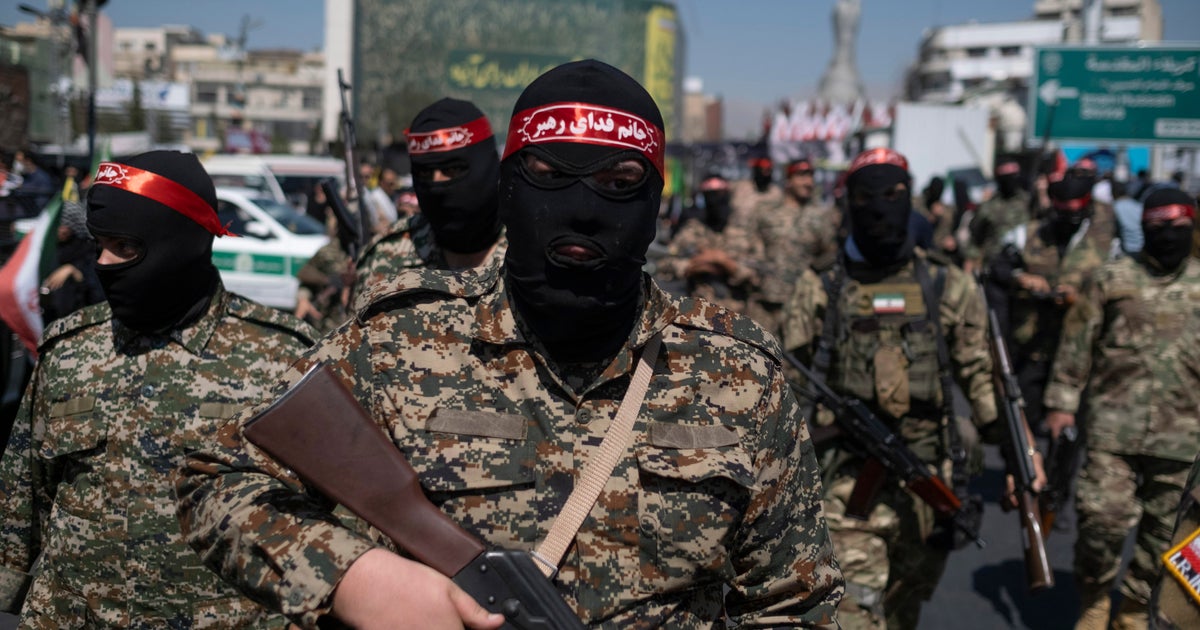
- A news outlet run by Iran's military said Thursday that Iranian and Omani officials have reached an agreement to open a temporary new shipping route through the Strait of Hormuz, but that the U.S. must lift its naval blockade and return to the terms of a previous truce for the plan to be implemented.
asserted
plan → run → truce
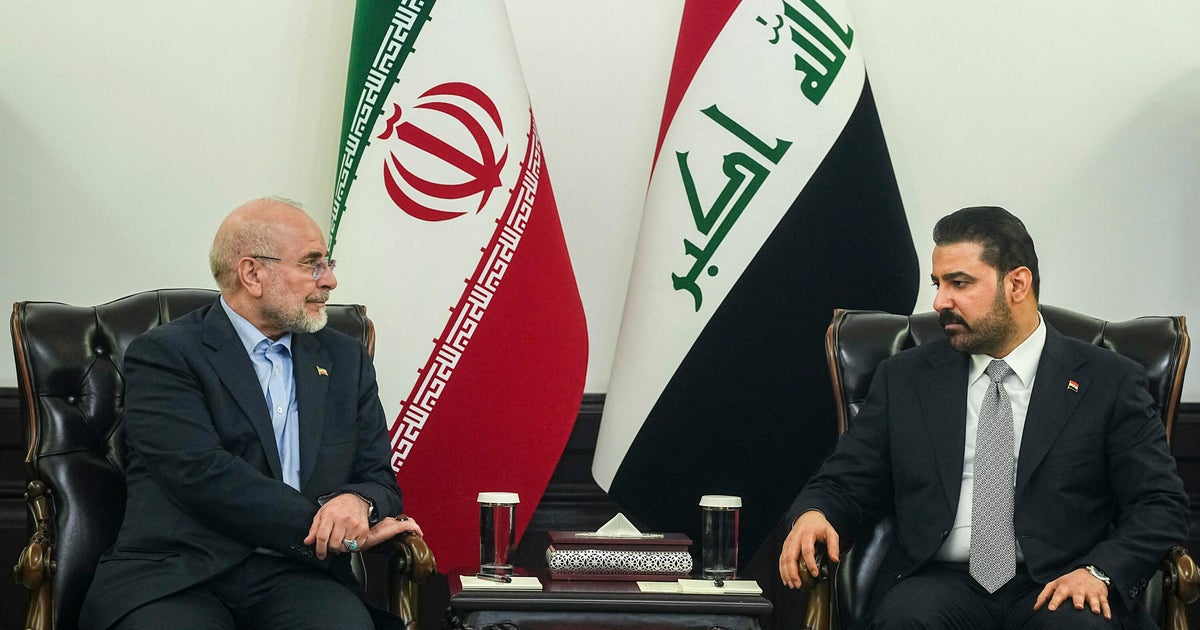
- Qatar's foreign minister visited Tehran Thursday for talks with his counterpart aimed at creating "suitable conditions for dialogue," amid a push by mediators Pakistan and Qatar to draw the U.S. and Iran back into direct negotiations to end the nearly six-month war.
asserted
minister → visit → war
Qatar said the foreign ministers also discussed the emerging proposal by Iran and Oman to open a shipping route through the Strait of Hormuz.
asserted
ministers → say → Hormuz
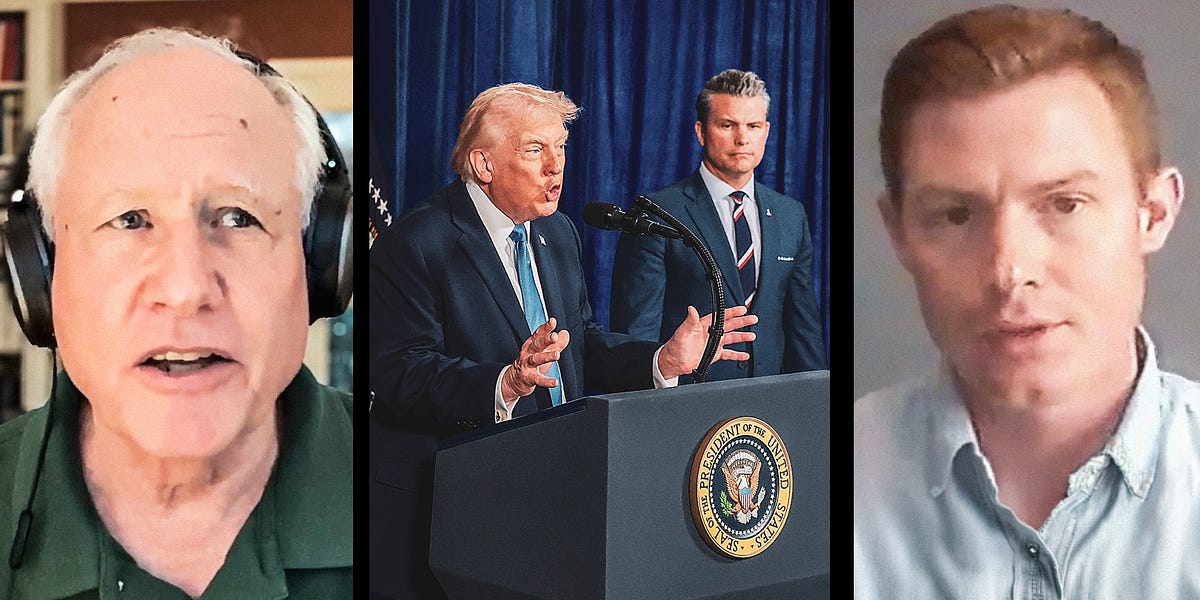
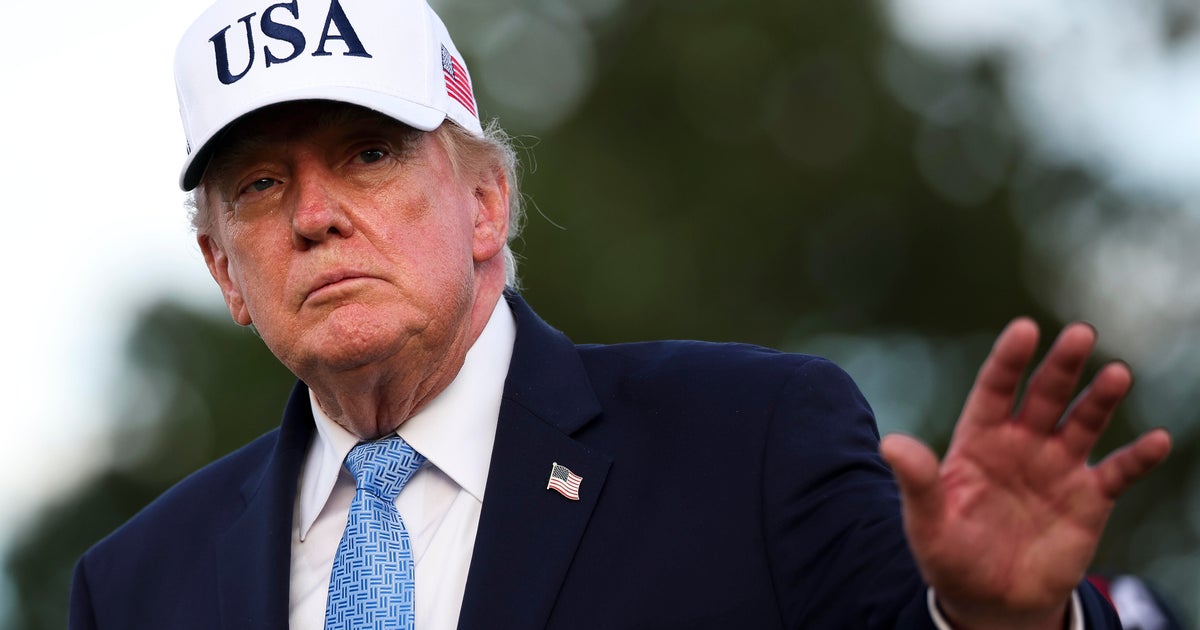
President Trump told Al Jazeera on Wednesday that the U.S. was "achieving a very big victory" against Iran, but that the war "will continue for as long as necessary" and there's no timetable to resume peace talks with Tehran.
asserted
war → tell → Tehran
U.S. shouldn't expect China to help it put stranglehold on Iran's economy, analysts say
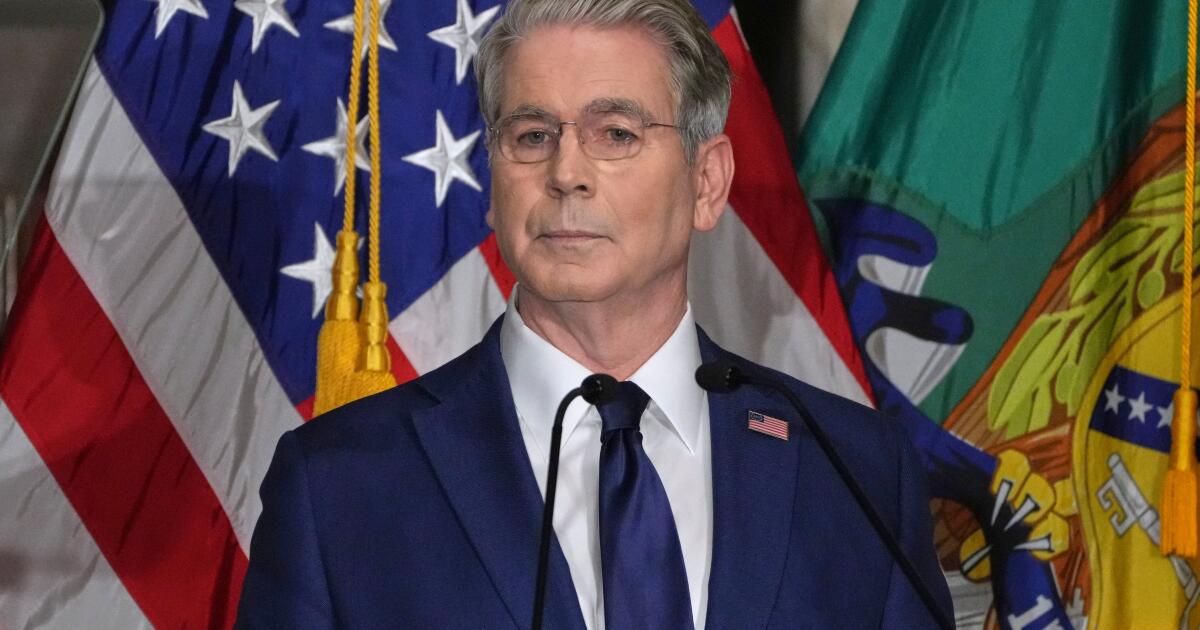
Treasury Secretary Scott Bessent laid out plans this week for the "economic asphyxiation" of Iran, warning of dire consequences for countries that don't join the campaign.
asserted
that → expect → campaign
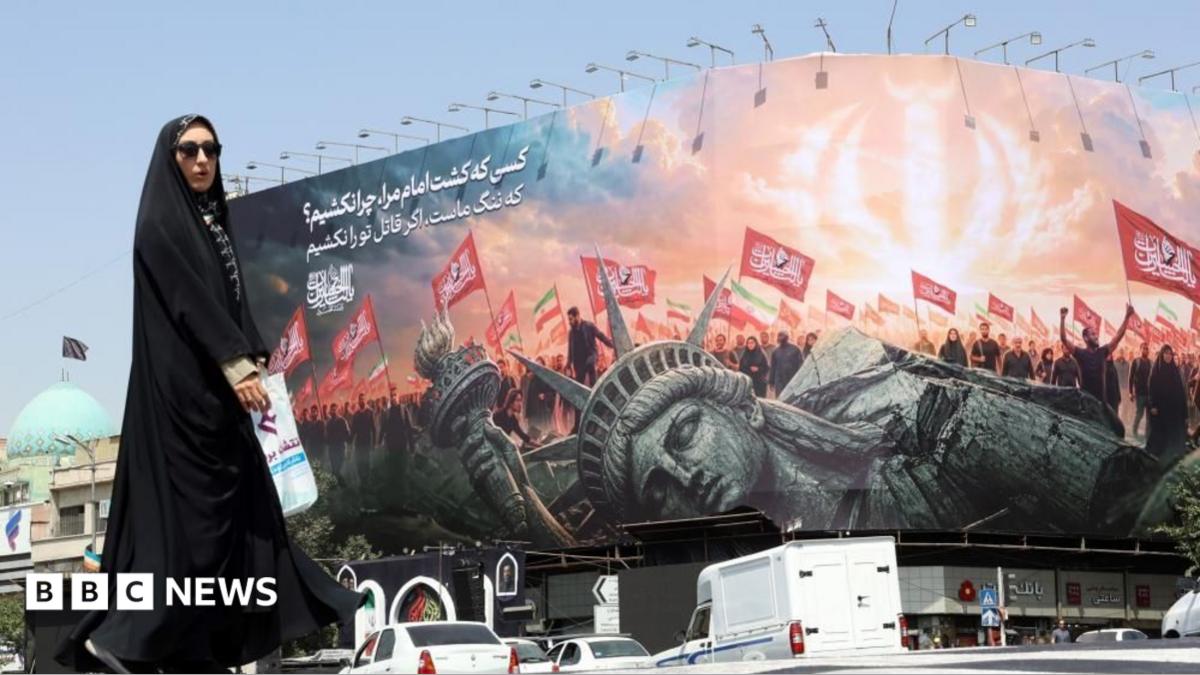
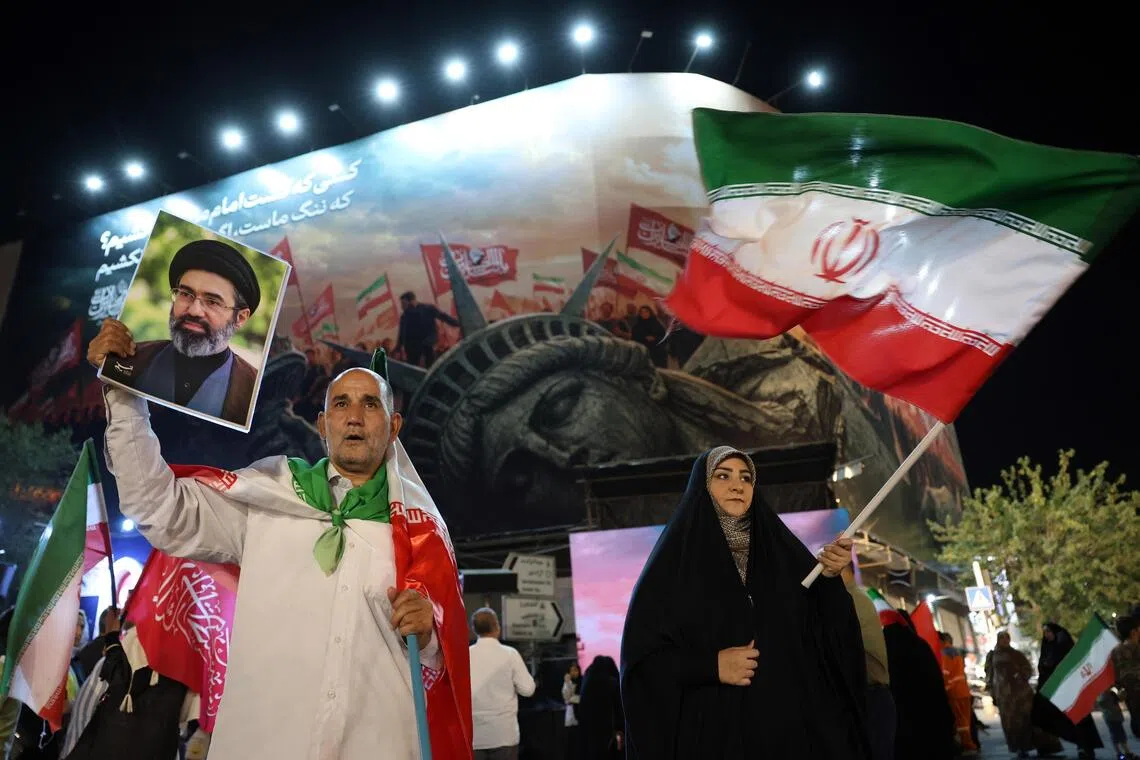
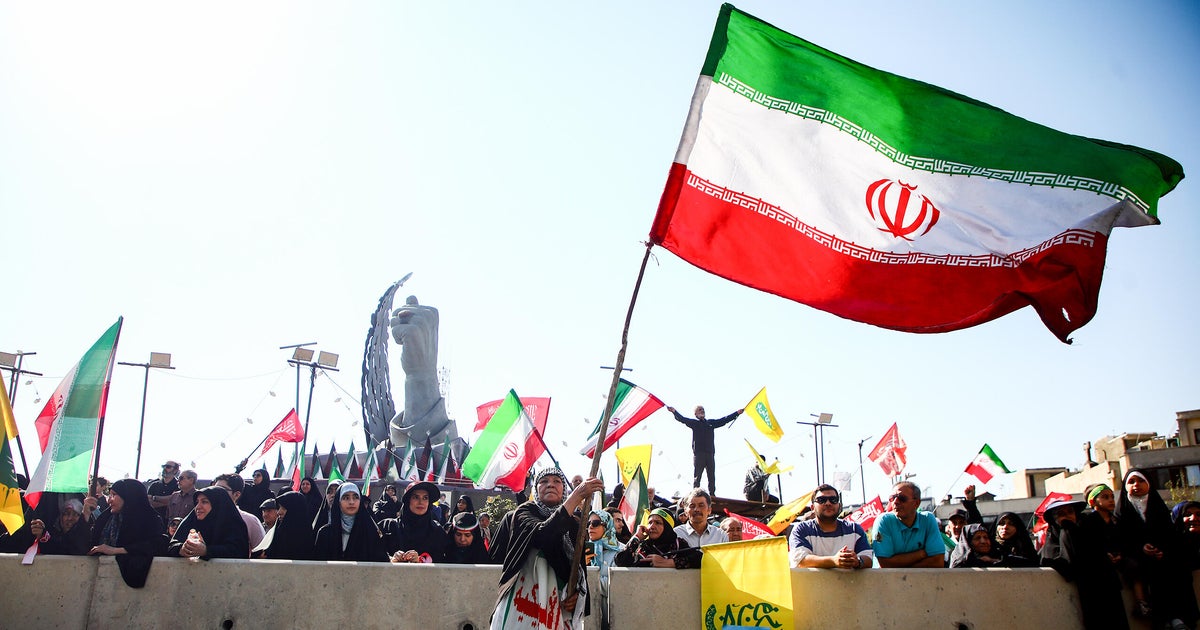
Iran's leaders, however, dismissed the impact of the new measures, having already endured decades-long crippling sanctions since shortly after the 1979 revolution.
asserted
leaders → dismiss → revolution
And analysts say a successful chokehold on the Islamic Republic
— but that's unlikely.
asserted
that → say → Republic
Bessent told China to "get with the program," but Beijing instead has defended its cooperation with Tehran and vowed to safeguard its interests.
asserted
Beijing → tell → interests
The apparent impasse is likely to further strain ties between Beijing and Washington ahead of an expected visit by China's President Xi Jinping to the U.S. capital in September.
asserted
impasse → strain → September
Before the war, Tehran exported millions of barrels of oil a day, mostly to China.
asserted
Tehran → export → China
Despite China buying less Iranian oil than it had been, the purchases remain an important source of revenue for Iran.
asserted
purchases → buy → Iran
Although most ship traffic in the vital Strait of Hormuz is still blocked and the U.S. is blockading Iranian ports, China isn't totally cut off from Iran's crude thanks to the highways and railways of Central Asia, said Sun Degang, a professor of political science at Shanghai's Fudan University.
asserted
Degang → block → University
6 months in, war has changed Mideast, but not how U.S. and Israel intended
asserted
U.S. → change → Mideast
It's been six months since the United States and Israel attacked Iran with the perennial goal of transforming the Middle East through military force.
asserted
States → attack → force
The region has changed, but not in the way they had hoped.
asserted
they → change → way
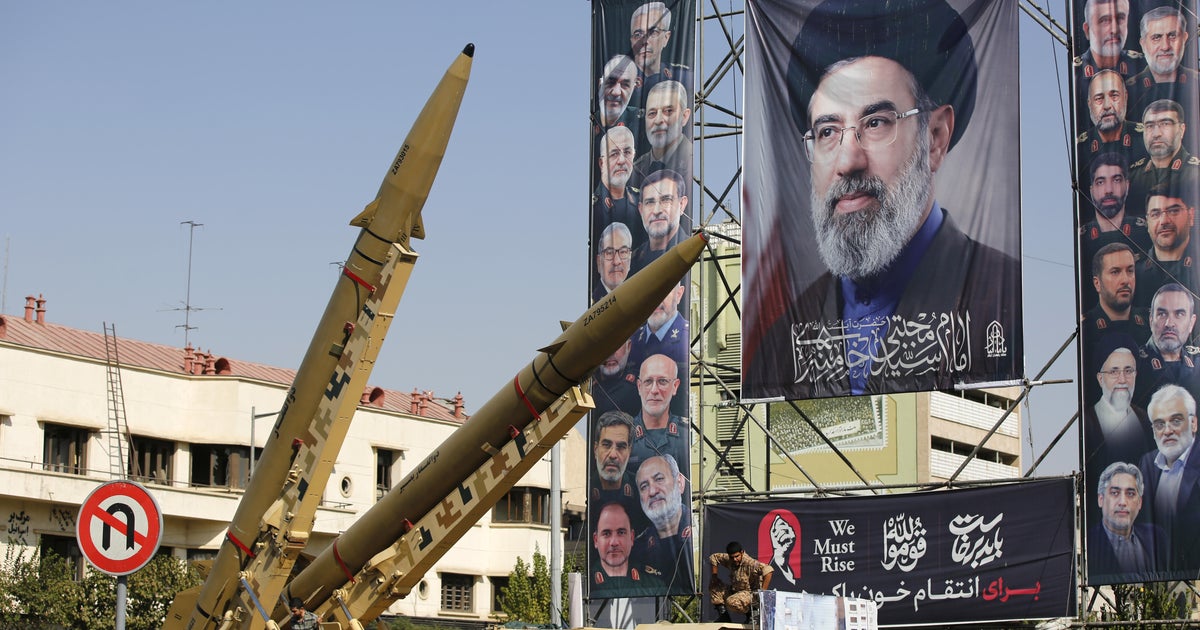
The Islamic Republic survived the assassination of its top leaders and weeks of heavy bombing, and found a potent form of leverage in the Strait of Hormuz.
asserted
Republic → survive → Hormuz
Gulf Arab nations saw worrying gaps open up in the American security umbrella they have relied on for decades - and some are looking at alternatives.
asserted
some → see → alternatives
Israel has once again thrashed its enemies without defeating them, and after nearly three years of war in Gaza and new land seizures, is at risk of a generational rupture with the U.S., its closest ally.
asserted
Israel → thrash → U.S.
Hopes of normalizing relations with Saudi Arabia - another enduring U.S. and Israeli aspiration - have dimmed even further.
asserted
Hopes → normalize → Arabia
When they attacked Iran on Feb. 28, the U.S. and Israel hoped to topple its clerical leadership and replace it with a pro-Western government.
asserted
U.S. → attack → government
Instead, they've ended up with a "hardened and very radical regime," said Barbara Leaf, a former ambassador who served as assistant secretary of state for the Middle East in the Biden administration.
asserted
who → end → administration
"That is going to be exceptionally difficult to deal with, to say the least," she said.
asserted
she → deal → least
Iran's "confidence has grown over the months that it cannot only survive, but it can prevail, it can reset the regional landscape."
asserted
it → grow → landscape
Trump says Iran is "begging to make a deal"
asserted
Iran → say → deal
President Trump insisted Thursday that Iran is "begging to make a deal," as Iranian officials push back against the U.S. and talks between the two countries remain stalled.
"I don't want to meet, they do," he said in a Truth Social post that lashed out at a Fox News report.
asserted
that → insist → report
Mr. Trump told reporters earlier Thursday his administration is "not looking to meet" with Iran, arguing the naval blockade on Iranian ports and ever-tightening sanctions on Iran's economy have inflicted severe damage on the country.
asserted
blockade → tell → country
Publicly, Iranian officials have stood firm, vowing to keep the Strait of Hormuz closed to shipping traffic unless the U.S. returns to a temporary deal the two sides struck earlier this summer.
asserted
sides → stand → deal
Mr. Trump claims the strait is open, but ships have been hesitant to sail through the vital waterway.
uncertain
ships → claim → waterway
Meanwhile, Qatar's foreign minister visited Tehran on Thursday and urged the two sides to "resume the diplomatic process."
asserted
minister → visit → process
Pakistan, Kuwait reach deal to bolster Kuwait's military
Pakistan's military announced Thursday that it has agreed to assist Kuwait's military with training, capacity building and border management.
asserted
it → reach → training
The Pakistani armed forces said the deal was signed by Kuwait's defense minister during a visit to the garrison city of Rawalpindi focused on bilateral defense relations and security cooperation.
asserted
deal → say → relations
Gulf states, long reliant on American protection, have been considering alternative security arrangements in the wake of the Iran war.
asserted
states → consider → war
In early August, Saudi Arabia signed a mutual defense pact with Pakistan and Turkey.
asserted
Arabia → sign → Pakistan
Pakistan said Thursday that it was also continuing diplomatic efforts with Iran, citing a recent visit to Tehran focused on reopening the Strait of Hormuz.
Trump responds "Who says I'm not?" to question about whether he'll sanction Chinese banks
President Trump fired back at a reporter Thursday who asked whether the U.S. would institute sanctions on Chinese banks that cooperate with Iran, responding, "Who says I'm not?"
The president was asked about the potential punishment for China after officials in that country said they would not support U.S. sanctions on Iran.
asserted
they → say → Iran
"Well, who said I'm not?
asserted
I → say → ?
You said, 'Why not?'
asserted
You → say → ?
I mean, who said I'm not?" Mr. Trump responded.
asserted
Trump → mean → ?
"You don't know if I'm doing it.
asserted
I → know → it
Well, I don't have to announce everything, do I?
asserted
I → have → everything
Treasury Secretary Scott Bessent said last week that China should "get with the program" in regard to sanctions during an interview with CNBC.
asserted
China → say → CNBC
…and 238 more, not listed.
 The Aporia