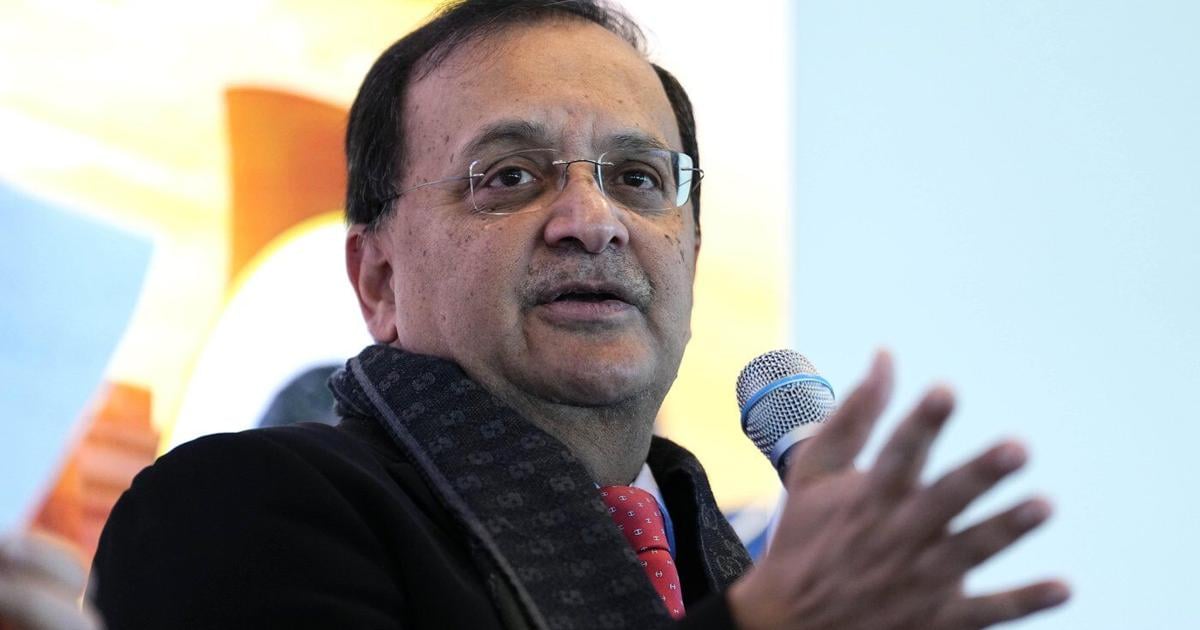
Photo via The Globe and Mail

Ottawa to introduce legislation to curb federal strike interventions

Read the original at The Globe and Mail ↗
Cite

Morrison, C. (2026, September 19). Ottawa to introduce legislation to curb federal strike interventions. The Globe and Mail. https://www.theglobeandmail.com/canada/article-ottawa-to-introduce-legislation-to-curb-federal-strike-interventions/

Dated when The Aporia collected the article, usually within hours of publication. Check the original for its exact date and byline.

The Globe and Mail · collected 2026-09-19 · by Catherine Morrison

Quick Summary

Jobs Minister Patty Hajdu announced plans to introduce legislation aimed at reducing federal interventions in strikes by amending the Canada Labour Code. Speaking on Parliament Hill, Hajdu noted that employers and unions have differing views on the government's role in labour disputes, with some advocating for stronger intervention measures while others like Bea Bruske of the Canadian Labour Congress argue against weakening workers' right to strike. The legislation could be introduced as early as next week and is part of Prime Minister Mark Carney’s focus on lowering costs for Canadians and defending national sovereignty.
Written by AI on 2026-09-19, from this article's own text only (the story summary below draws on all the coverage).
See how they differ ↓

AI analysis

Story summary

Patty Hajdu, Canada’s Jobs Minister, stated that the federal government will not interfere with workers’ right to strike despite considering legal changes to improve labour relations. The minister emphasized that upcoming legislation aims to reduce the number of times the government has to intervene in strikes under Section 107 of the Canada Labour Code. This section allows Ottawa to refer disputes to the Canada Industrial Relations Board, a measure employers and unions have differing views on. While most employers advocate for greater federal power to intervene during labour disruptions that could harm national interests, unions argue against any measures that might compromise their right to strike. Hajdu added that government intervention is a last resort and encouraged parties to resolve issues themselves at the negotiating table. The proposed amendments include introducing a special mediator role who will document arguments in acrimonious negotiations and publish reports identifying sticking points.

Written for “Canada Labour Law Changes” on 2026-11-18, grounded in this article and the 23 other(s) covering the same event.

How they differ

5 outlets covered “Canada Labour Law Changes”.

What each outlet says

One AI summary per outlet of its latest article on this story, written from that article alone and checked against it. Open the article for the outlet's own words.

The Globe and MailThis outlet19 Sep

Jobs Minister Patty Hajdu announced plans to introduce legislation aimed at reducing federal interventions in strikes by amending the Canada Labour Code. Speaking on Parliament Hill, Hajdu noted that employers and unions have differing views on the government's role in labour disputes, with some advocating for stronger intervention measures while others like Bea Bruske of the Canadian Labour Congress argue against…

Ottawa to introduce legislation to curb federal strike interventions (this article)4 articles from The Globe and Mail on this story
Toronto Star27 Sep

Prime Minister Mark Carney’s government has introduced Bill C-39, which includes changes to Section 107 of Canada’s labour code, allowing the minister to end strikes or lockouts without parliamentary approval. This move faces significant opposition from unions and legal challenges, putting Conservative leader Pierre Poilievre in a difficult position as he tries to balance his party's pro-labour stance with its…

Carney government's energy and labour bill puts Conservative leader in a 'pickle' →12 articles from Toronto Star on this story
Global News23 Sep

Jobs Minister Patty Hajdu states that proposed changes to the Canada Labour Code will increase transparency in collective bargaining processes, aiming to reduce the need for government intervention by identifying and publishing negotiation sticking points before disputes escalate. The legislation includes a new mediator role who will file public reports during contentious negotiations. Despite support for increased…

Labour law changes are the ‘sunlight’ collective bargaining needs: minister →4 articles from Global News on this story
CBC28 Sep

Ottawa has introduced the Building Canada Strong Act, which aims to accelerate major project approvals. Prime Minister Mark Carney claims this is one of the most significant economic measures in a generation, targeting threats to Canada's economy from U.S. President Donald Trump. However, environmental experts like Gretchen Fitzgerald from Sierra Club Canada Foundation warn that the bill may undermine protections…

Speed over species? What experts are saying about Ottawa's new major projects bill →2 articles from CBC on this story
National Post28 Sep

Jamie Sarkonak critiques Mark Carney’s proposed revamp of Canada's federal infrastructure approvals process, outlined in Bill C-39. The bill aims to simplify and expedite project approval by consolidating multiple assessments into one year under the guise of “One project, one decision, one year.” However, Sarkonak argues that this streamlined approach may be more aspirational than practical due to potential…

Jamie Sarkonak: Mark Carney’s ‘one project, one year’ mirage →2 articles from National Post on this story

Where they agree and split

Framing

How the first headlines put it

Attributed to a source3
The headlines (3)

Ottawa will not interfere with workers’ right to strike, Hajdu says The Globe and Mail · attributed to a source

Liberals looking to give minister explicit authority to end strikes: sources CBC · attributed to a source

Bill will help reduce government interventions during strikes: Hajdu Toronto Star · attributed to a source

Words to watch (1)

Minister touts transparency measures in labour bill The Globe and Mail

The full story: what happened, how it changed, and all 24 articles →

Compared with similar articles

This article reads unscored and hedges 5% of its claims. Each row says how that neighbour differs.
Toronto Star
Hedges 0 of 7 claims Outlet record 64/100
CBC News
Leans left Hedges 1 of 21 claims Outlet record 72/100
“Article A discusses plans to give explicit authority to end strikes, while Article B focuses on reducing strike interventions and does not mention giving new powers.”
Global News
Hedges 4 of 32 claims Outlet record 63/100
Toronto Star
Leans left Hedges 0 of 2 claims Outlet record 64/100
“Article A reports on an announcement by Jobs Minister Patty Hajdu about upcoming legislation, while Article B is a statement from United Steelworkers union National Director Marty Warren in response to proposed changes.”
Toronto Star
Leans right Hedges 0 of 5 claims Outlet record 64/100
“Article A discusses an upcoming announcement about proposed legislation, while Article B comments on the actual introduction of Bill C-39.”
The Globe and Mail
Leans left Hedges 1 of 21 claims Outlet record 51/100
“While both articles discuss similar topics and mention Patty Hajdu's statements, they describe different parts of a broader discussion on labour relations legislation—Article A covers consultations and feedback summary, while Article B reports on Hajdu’s statement about upcoming legislation to reduce strike interventions.”
Toronto Star
Leans right Hedges 2 of 18 claims Outlet record 64/100
“The articles describe different stages of the legislative process related to strike interventions, not a single specific incident.”
Toronto Star
Leans strongly right Hedges 3 of 33 claims Outlet record 64/100
“While both articles discuss government actions related to strikes and regulatory changes, they describe different specific events occurring on different dates.”
Toronto Star
Leans left Hedges 0 of 40 claims Outlet record 64/100
“Article A describes Jobs Minister Patty Hajdu's announcement about upcoming legislation to reduce federal strike interventions, while Article B discusses unions' reaction to a bill introduced later that makes strikes more difficult in federally regulated sectors.”
Toronto Star
Leans right Hedges 6 of 40 claims Outlet record 64/100
“While both articles discuss proposed labour law changes, Article A describes the announcement and general intentions behind upcoming legislation, while Article B reports on reactions to a bill already tabled, indicating different stages of the same broader topic.”

Story

Canada Labour Law Changes
Politics · 24 article(s) covering the same event. Compare every outlet's account →
How this article was measured signals, leaning charts, publisher record, byline, topics and claims

Signals How these are calculated →

Claims extracted
42
sentences that state something as happening or true
Uncertain
5%
2 of 42 hedged ("reportedly", "may", "according to")
Leaning
withheld
no quote in the article backed the model's score
Publisher signals
51/100
The Globe and Mail's corrections and hedging, across everything collected from it. Not a measure of accuracy.
Outlets on this story
24
Politics
Same framing elsewhere
1
articles that frame the event the way this one does
Analyzed 2026-09-19 · how these are computed

How this is being covered How these are calculated →

Article leaning vs. publisher reliability
Source leaning vs. consistency

Publisher

The Globe and Mail · 1259 article(s) · 48 correction(s) detected
Running correction rate · 48 correction(s)

Who wrote this

Catherine Morrison
38 article(s) here · 1 carrying a prediction
Modi is set to visit Canada next month, making stops in Toronto and Ottawa on Dec. 11 and 12, just ahead of this year’s G20 summit in Miami.
He’s expected to meet privately with President Xi Jinping during the visit.
Public Services and Procurement Canada said in its report that it will continue to “rehabilitate and reinvigorate” heritage assets in the parliamentary precinct.
"Actual spending in 2025-26 was barely lower than the year before, and projected spending for 2026-27 is the highest on record," he said.
Control of both chambers of the U.S. Congress will shift to the Democrats next year, after Tuesday’s midterm elections saw a blue wave wash over even some of the most reliably Republican states.
He said such a deal would create jobs for workers, improve affordability for families, and respect Canada’s languages, culture and sovereignty.
A pastor and longtime Conservative is running as an Independent candidate in an upcoming federal byelection in Ontario after the party chose to bypass a local nomination contest and appoint Brantford Mayor Kevin Davis as its candidate.
Prime Minister Mark Carney on Tuesday acknowledged talks had intensified slightly in recent days and President Donald Trump and his officials have suggested a deal could be possible before next week midterm elections in the United States.
During a meeting with the crown prince, Carney said the visit would reinforce the countries' partnership, which has grown substantially over the past year.
Tammy Wilsker Mermelstein, a Texas voter who moved to the Greater Toronto Area last year, will be voting in a U.S. election from Canada for the first time.
Also by Catherine Morrison
Nothing else under this byline is closely related to this article, so these are simply their most recent.
All 38 articles by Catherine Morrison →

Topics

Canada Liberal Ottawa the Canada Labour Code the House of Commons

Subjects

Canada GPE · 5× Carney PERSON · 4× Liberal NORP · 3× the House of Commons ORG · 3× Ottawa ORG · 2× Employment and Social Development Canada ORG · 1× Hajdu ORG · 1× Patty Hajdu PERSON · 1× Transport ORG · 1× the Canada Industrial Relations Board ORG · 1×

Narrative

Hynes added that in the rare circumstance where the impacts of a labour disruption on the Canadian economy are so extreme that they run counter to the national public interest, and an agreement is unlikely to be struck, cabinet must have the ability to impose binding arbitration “before the damage is done.”
framing: assertive · carried by 1 article(s) · first seen 2026-09-19
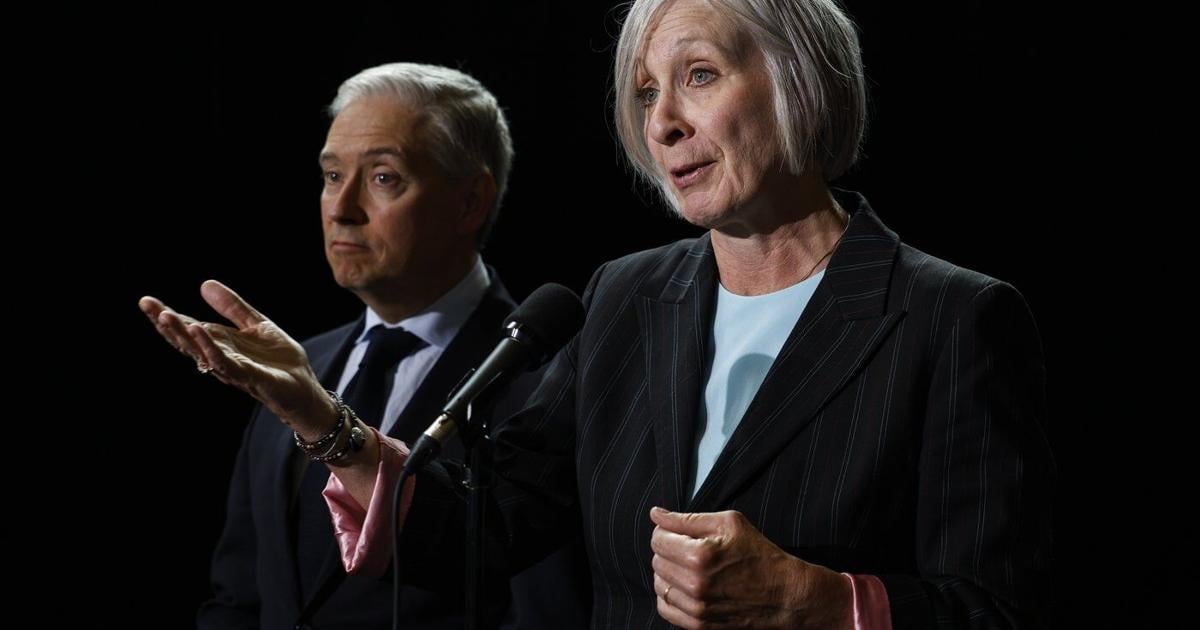
Jobs Minister Patty Hajdu says upcoming legislation will help reduce the number of times the federal government has to intervene in strikes.
2026-09-19 · The Globe and Mail
Ottawa to introduce legislation to curb federal strike interventions · assertive framing

Claims (42 extracted, 2 hedged)

Jobs Minister Patty Hajdu says upcoming legislation will help reduce the number of times the federal government has to intervene in strikes. asserted
government → say → strikes
Speaking to reporters on Parliament Hill Saturday, Hajdu did not provide many details about expected plans to amend the Canada Labour Code. asserted
Hajdu → speak → Code
However, she said no government wants to intervene in a strike and that parties are better off if they can solve problems themselves at the negotiating table. asserted
they → say → table
“The government already has the power to intervene,” she said. asserted
she → have → power
“The point is to reduce the times that the government is forced to solve the problem for employers and unions.” asserted
government → reduce → employers
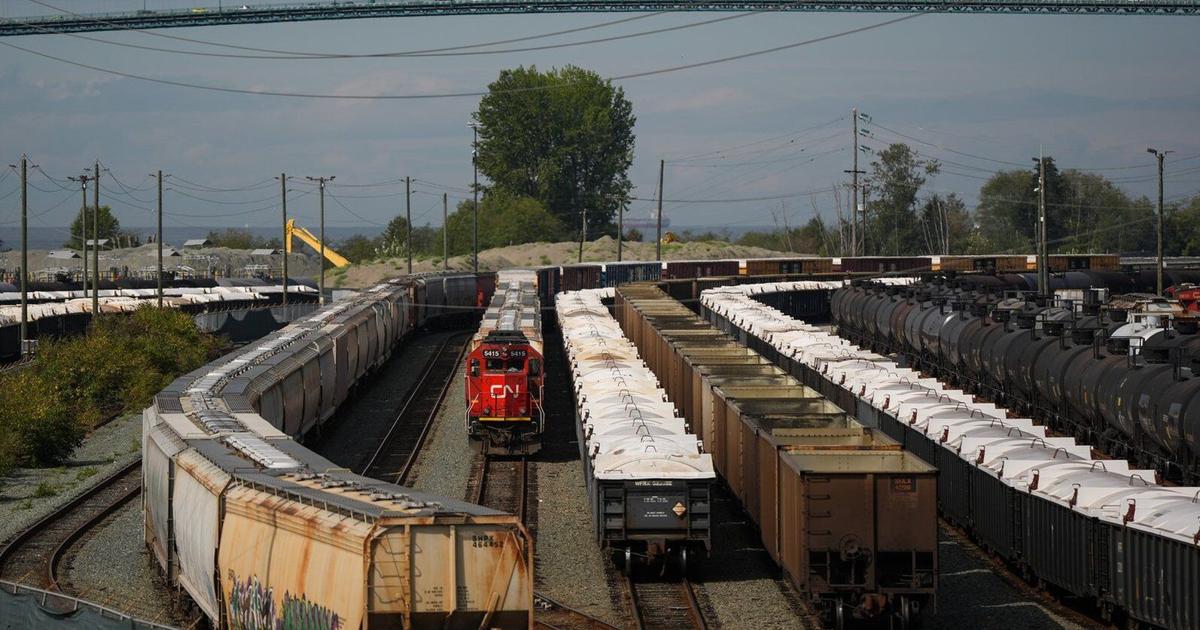
Employers and unions have disagreed strongly on the use of Section 107 of the labour code, which has been used increasingly to curb work stoppages in key industries by referring disputes to the Canada Industrial Relations Board. asserted
which → disagree → Board
Employment and Social Development Canada said in a report earlier this month that employers and unions are divided over how much power Ottawa should have to intervene in labour disputes. asserted
Ottawa → say → disputes
Transport Minister Steven MacKinnon told reporters Saturday that the legislation – which could be introduced in the House of Commons as early as next week – isn’t targeting the right to strike. uncertain
which → tell → right
“What we want to do is make achieving collective agreements easier,” he said. asserted
he → want → agreements
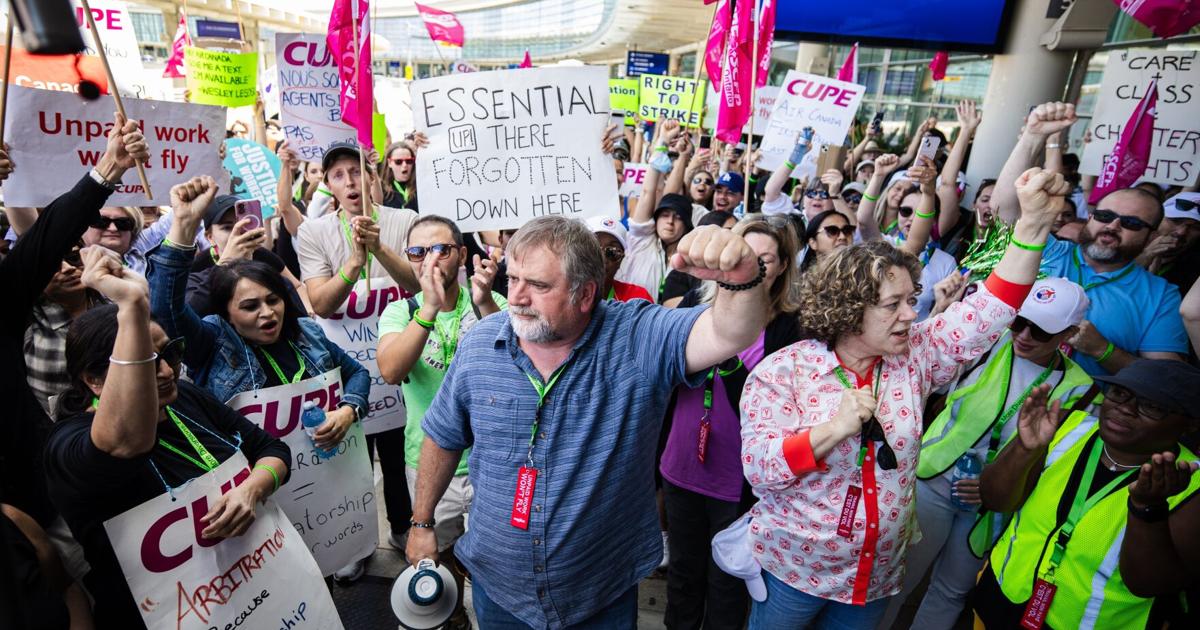
Bea Bruske, president of the Canadian Labour Congress, said in a statement that the right to strike is in the national interest. asserted
right → say → interest
“Canada’s economic security depends on workers having the power to bargain for better wages, working conditions and job security,” she said. asserted
she → depend → wages
“Any new power to prevent or shut down a legal strike, including before it begins, would weaken that power. asserted
it → prevent → power
Canada needs workers with our elbows up, not our hands tied.” asserted
hands → need → workers
Derrick Hynes, CEO of Federally Regulated Employers–Transportation and Communications, said changes to the Canada Labour Code must include new tools to avoid “catastrophic” labour disruptions. asserted
changes → say → disruptions
“The inclusion of a neutral, third-party special mediator who can provide a public report on bargaining and inform government actions would be a significant step forward,” he said. asserted
he → provide → actions
Hynes added that in the rare circumstance where the impacts of a labour disruption on the Canadian economy are so extreme that they run counter to the national public interest, and an agreement is unlikely to be struck, cabinet must have the ability to impose binding arbitration “before the damage is done.” asserted
damage → add → arbitration
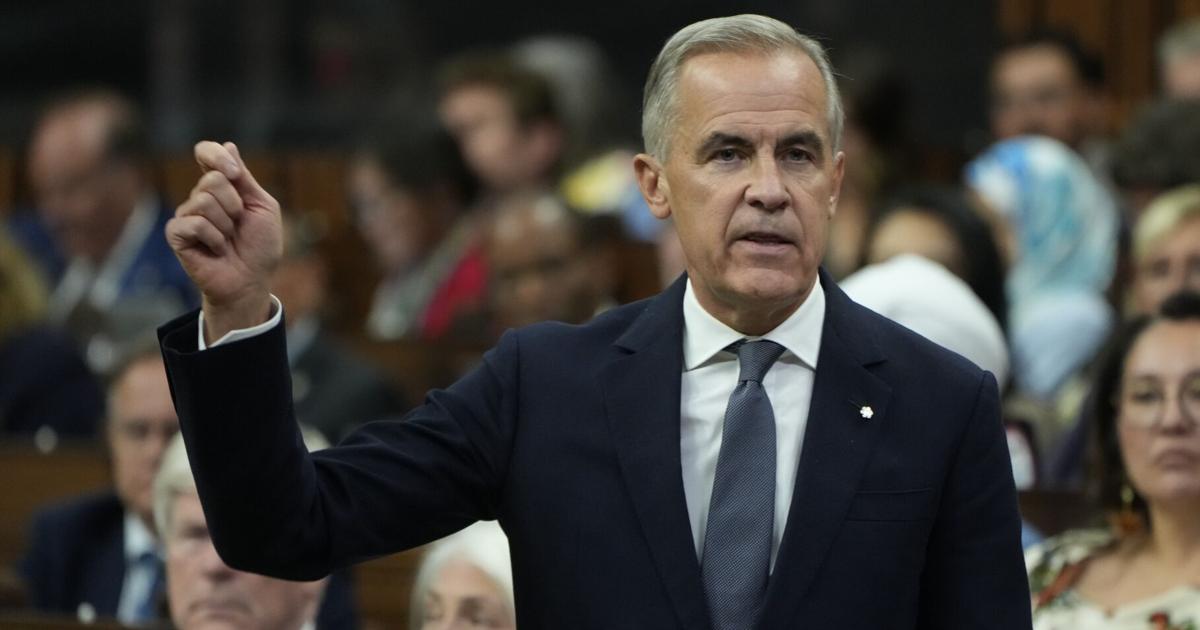
Prime Minister Mark Carney met with his Liberal caucus in Ottawa on Friday and Saturday as MPs prepare to return to the House of Commons next week. asserted
MPs → meet → Commons
Looking ahead to the fall sitting of Parliament, several MPs said Saturday that they expect the pace to be fast. asserted
pace → look → Parliament
Speaking to reporters Saturday, Liberal MP Robert Oliphant said, “It’s Prime Minister Carney, it’ll be fast.” asserted
it → speak → reporters
Carney said Friday his government is focused on bringing down costs for Canadians and defending the country’s sovereignty, though he acknowledged some of those efforts are in their early stages. asserted
some → say → stages
“This is a crucial session of the House of Commons,” he told the caucus. asserted
he → tell → caucus
“We are going to introduce some of the most consequential legislation not just of this government, but in decades.” asserted
We → go → decades
Carney said the government will introduce legislation this fall to streamline project reviews, to be known as the Building Canada Strong Act. asserted
government → say → Act
“For projects and supply chains, our standard will be simple – one project, one review, one year,” he said. asserted
he → say → projects
“If we’re going to say no, say no quickly. asserted
we → go → no
If we are going to say yes, say yes on time. asserted
we → go → time
When Canada decides a project should go ahead, that project will go ahead.” asserted
project → decide → ?
The Liberal government is also set to release a new budget in the fall sitting. asserted
government → set → fall
This all comes against a backdrop of continued threats from U.S. President Donald Trump’s White House against Canada’s sovereignty and economy. asserted
This → come → sovereignty
Carney and his negotiating team walked away from talks with the White House in August, saying that what was on the table was a bad deal for Canada. asserted
was → negotiate → Canada
The trade conflict then escalated, with Trump imposing another volley of tariffs and threatening even more, while Canada imposed its own counter-tariffs. asserted
Canada → escalate → tariffs
Industry Minister Melanie Joly said Saturday she is meeting with several Democratic politicians. asserted
she → say → politicians
On Saturday, she discussed her recent trip to Chicago, where she met with Democratic Governor J.B. Pritzker. asserted
she → discuss → Pritzker
She said the goals of that trip were to work with him on how to eliminate tariffs and to speak with several companies. asserted
goals → say → companies
Regardless of the outcome of the upcoming U.S. midterm elections, Joly believes – like Carney – that the trade relationship with the United States will never be the same as it was before. “ asserted
it → believe → States
I think the prime minister is right when he says this represents a rupture,” she said in French. asserted
she → think → French
“I think we must always keep in mind that our Plan A is to build our country and ensure we attract investment here. asserted
we → think → investment
And looking to Europe is important, but so is looking to Asia to reduce our dependence on the United States.” asserted
looking → look → States
Carney is set to attend the United Nations General Assembly next week. asserted
Carney → set → Assembly
Canadian officials said earlier this week the General Assembly is large event and Carney and Trump could run into each other. uncertain
Carney → say → other
…and 2 more, not listed.
Give feedback · no sign-in needed

No sign-in needed for now. Your note is sent without a name, so it cannot be answered.

History Support