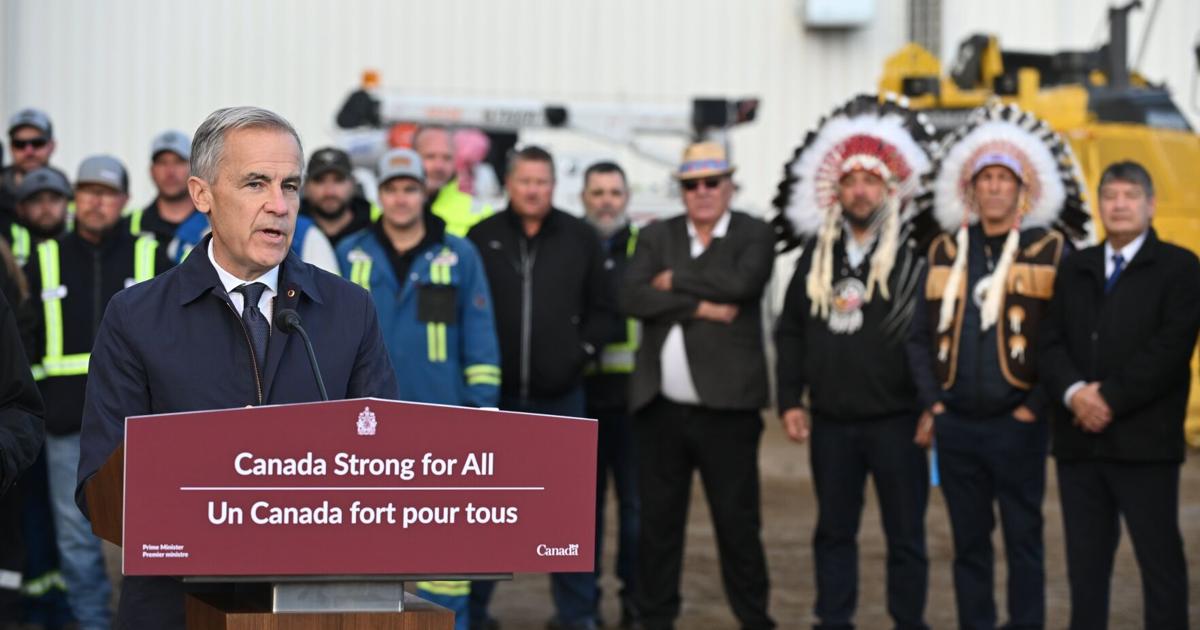
OTTAWA—Facing pushback from Indigenous, environment and labour groups over his agenda to speed up development, Prime Minister Mark Carney insisted Tuesday that his government has a clear mandate to remove regulatory “restrictions” he blamed for strangling construction of major projects in recent decades.
asserted
he → face → decades
The prime minister made his defence one day after his Liberal government tabled new legislation meant to reduce work stoppages in federally-regulated industries, and simplify environmental assessments so that project reviews can be conducted within a single year.
asserted
reviews → make → year
That legislation, Bill C-39, follows recent moves to sell off the operation of Canada’s four largest airports — including Toronto’s Pearson — to private investors, as well as a law enacted last year that’s meant to fast-track major projects like oil pipelines, ports and nuclear power generation.
asserted
that → follow → pipelines
All of those decisions have faced opposition, including from environmental groups concerned about watered-down regulations, unions who worry workers’ ability to go on strike is being hampered, and Indigenous leaders who want to ensure nations are consulted about what happens on their territory.
asserted
what → face → territory
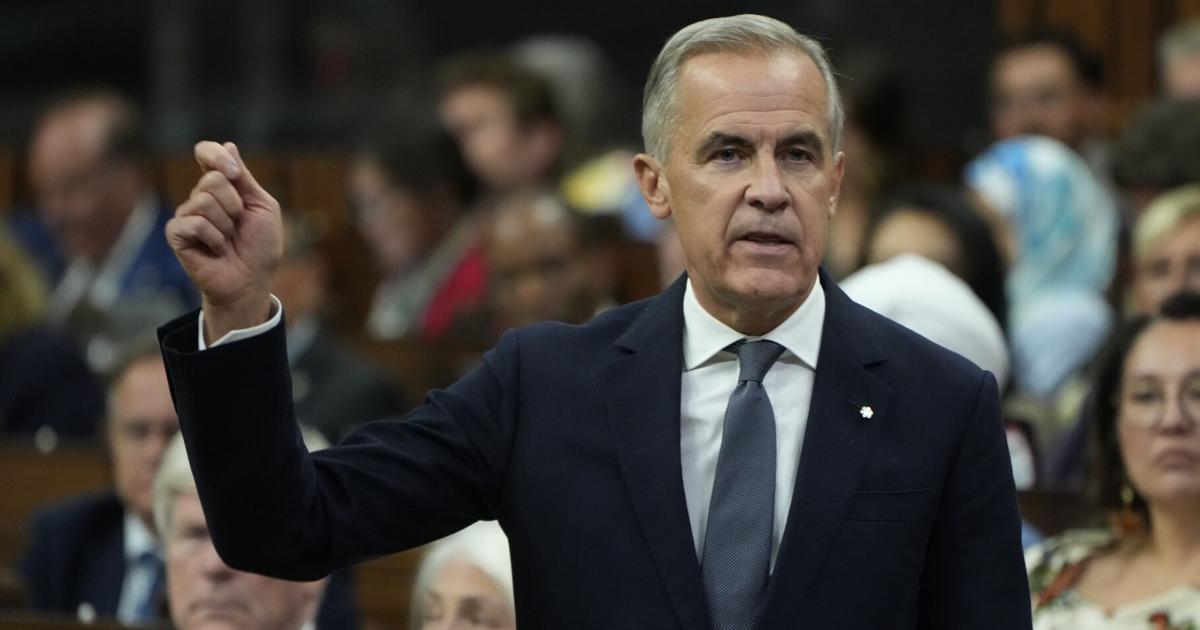
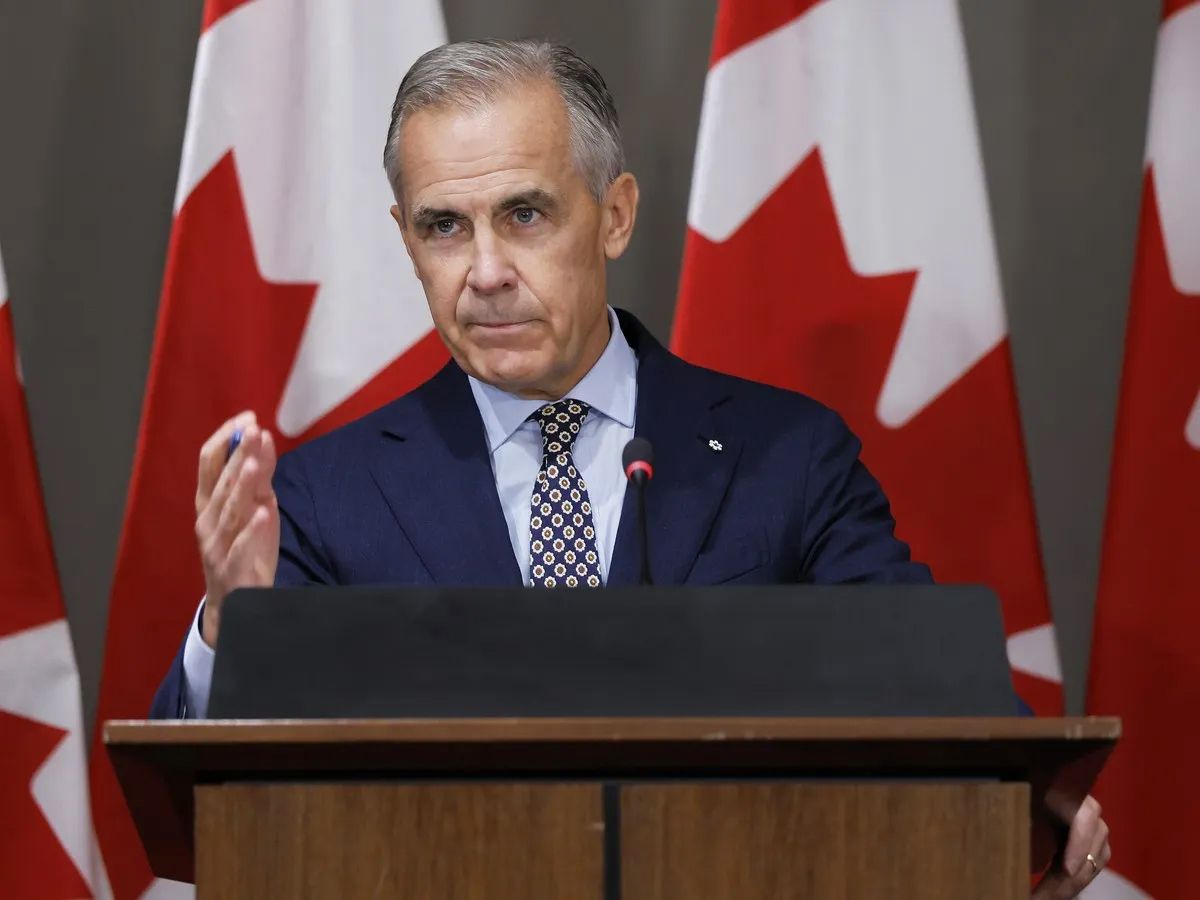
Speaking on the sidelines of the United Nations General Assembly in New York on Tuesday, Carney said his government was elected last year on a clear platform to build major projects faster — and that now is the time to seize “opportunities” for economic growth as Canada faces the crisis of a trade war with the United States.
asserted
Canada → speak → States
He also took aim at Canada’s regulatory environment that existed before he took office, including through changes under his predecessor prime minister Justin Trudeau, arguing that there is an urgent need for change so that major “strategic infrastructure” like the St. Lawrence Seaway or trans-Canadian railroads can be constructed again.
asserted
infrastructure → take → Seaway
“We used to build in Canada.
asserted
We → use → Canada
We used to build big,” Carney said.
asserted
Carney → use → ?
“Decade after decade, year after year, we build less.”
asserted
we → build → less
The prime minister said that a succession of “well-meaning” restrictions on development has hampered progress in this country, which “meant that we stopped building.
asserted
we → say → country
“That’s not good for Canadian independence,” said Carney, insisting that his newly-tabled “Building Canada Strong Act” protects workers, environmental guardrails and Indigenous participation.
asserted
Act → ’ → workers
Meanwhile, on Parliament Hill, the proposed law and the Liberals’ wider development agenda were the focus of mounting criticism on Tuesday, with several groups raising concerns about the Carney government’s approach.
asserted
groups → propose → approach
The legislation seeks to speed up the federal review process by giving the government new powers to relax some environmental conditions if a project is deemed to be in the public interest, and by creating designated regions where projects could be considered “pre-approved.”
uncertain
projects → seek → regions
Other features of the bill include controversial proposals to reduce labour disruptions in part by changing the collective bargaining process in federally regulated sectors so that a strike isn’t allowed until after a special mediator is appointed to try and resolve a dispute between workers and their employer.
asserted
mediator → include → workers
Also tucked into the bill is a change that would extend the extraordinary powers created under another marquee Carney government law: Bill C-5.
asserted
that → tuck → law
That law, passed last year, paves the way for the federal cabinet to exempt major projects it deems in the national interest from a list of environmental protections, including those in the Species at Risk Act, Fisheries Act, and more.
asserted
it → pass → Act
The law included a “sunset clause” that said the government would lose the authority to list projects for fast-tracked approval within five years.
asserted
government → include → years
Now, with Bill C-39, the government wants to delete that sunset clause to make sure the new powers are available beyond five years, according to a background document published this week.
uncertain
powers → want → document
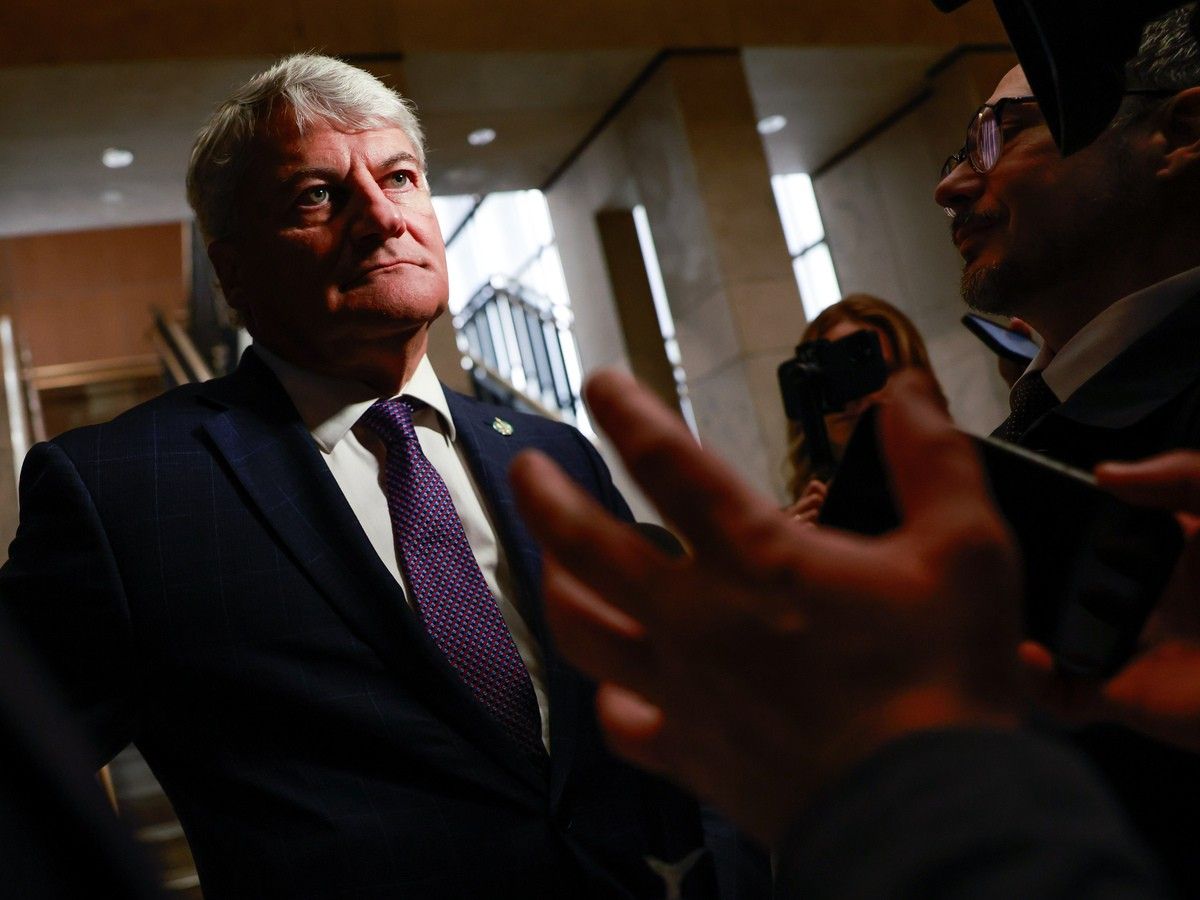
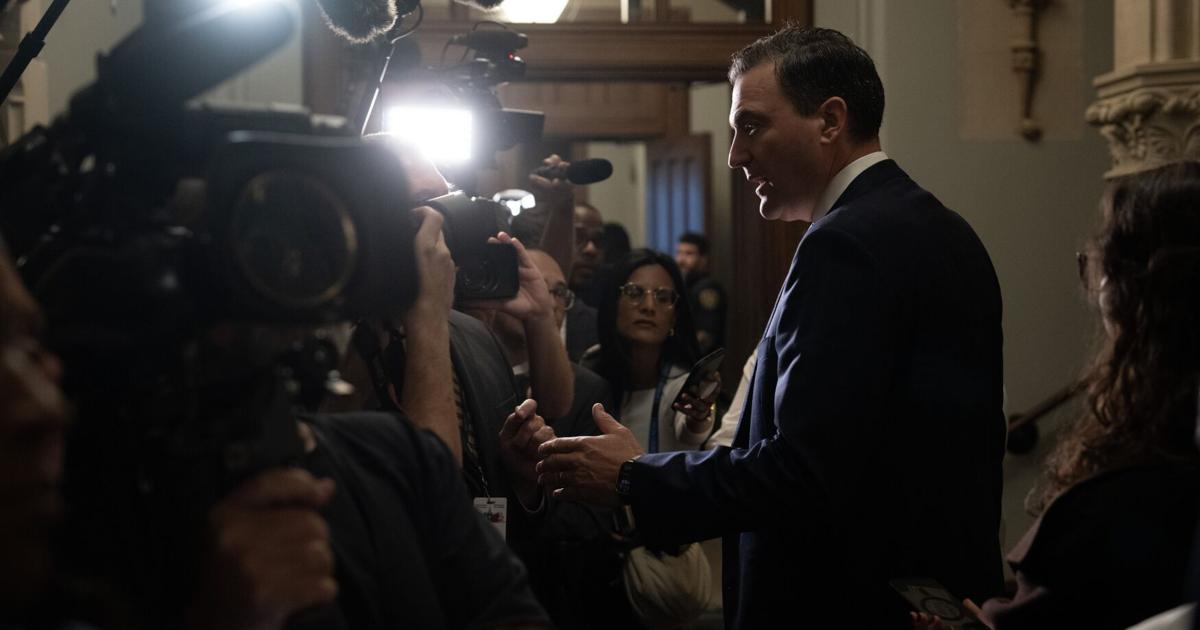
“Canadians expect us to keep every tool available to build projects faster, to create good paying jobs and to strengthen our economy,” said a spokesperson for One Canadian Economy Minister Dominic LeBlanc.
asserted
spokesperson → expect → LeBlanc
Earlier in the day, the head of Canada’s largest Indigenous organization challenged key elements of Carney’s agenda.
asserted
head → challenge → agenda
“We warn the government against abusing its majority status and dishonouring the Crown through procedural tools, time allocation, or closure to frustrate Parliament’s ability to hear from rights holders and consider amendments,” said Cindy Woodhouse Nepinak, the National Chief of the Assembly of First Nations.
asserted
Nepinak → warn → Nations
Woodhouse Nepinak said the bill is being introduced as Ottawa prepares to designate Alberta’s proposed oil pipeline to the west coast as a project of national interest — a process taking place under last year’s law, which the national chief previously slammed as “Trump-like” given its sweeping nature and Carney’s efforts to ram it through Parliament.
asserted
chief → say → Parliament
“Based on our analysis and the lack of project information available, the Assembly of First Nations is requesting that no national interest designation be given to this project until meaningful engagement and decision-making protocols have been fully considered with affected First Nations,” Woodhouse Nepinak said.
asserted
Nepinak → base → Nations
She said that while First Nations stand with Canada in its fight against U.S. President Donald Trump’s trade chaos, trust between Ottawa and Indigenous communities is “very fragile.”
asserted
trust → say → Ottawa
She pointed to the federal government’s Major Projects Office (MPO), which the Carney government has repeatedly highlighted as a critical bridge for engaging Indigenous communities on proposed developments.
asserted
government → point → developments
“I’m going to say it outright.
asserted
I → go → it
They don’t know what they’re doing when it comes to First Nations,” the national chief said, adding that the MPO’s CEO, Dawn Farrell, “wouldn’t even come and address our chiefs.
asserted
CEO → know → chiefs
“If you’re too good to come and talk to our chiefs, stay home and stay in Calgary,” she said.
asserted
she → ’re → Calgary
The MPO has not yet responded to the Star’s request for comment.
asserted
MPO → respond → comment
Eleven seniors, all part of a “climate caravan” protesting further pipeline development, were also arrested outside West Block on Tuesday.
asserted
all → protest → Tuesday
Inside that building, Bea Bruske, the president of the Canadian Labour Congress, backed some measures in the bill that support workers, but condemned provisions she said infringed on the right to strike.
asserted
she → back → right
The government said it would protect the workers’ right to strike, but instead, this bill explicitly gives government the power to end legal strikes when a minister decides that a strike is or could become contrary to the national interest, and the national interest is defined solely by the opinion of the minister,” Bruske said.
uncertain
Bruske → say → minister
Carney rejected that characterization in New York, telling reporters his legislation “reinforces” those rights and “the responsibility of employers...to negotiate in good faith.”
asserted
legislation → reject → faith
 The Aporia