That is 0 articles you have read today.
The Aporia is free and carries no advertising, so readers are the only
thing paying for it. If you are getting this much out of it, a small
donation is what keeps it independent.
Daily limit reached
You have read 0 articles today.
That is more than the 15 a day The Aporia gives away,
and well past what it can carry on nothing. Your allowance resets at
midnight.
There is no advertising here and nothing about you is sold, so readers
are the only thing paying for it. If the site is worth this much of
your day, it is worth a few dollars.
Everything else stays open: the
maps, the
directory and
search do
not count against this, and neither does re-opening something you have
already read today.
Toronto Star
· collected 2026-09-22 · by Craig Lord The Canadian Press
Jobs Minister Patty Hajdu says there’s no fixed timeline for ending strikes under new labour legislation proposed by the federal government. The Building Canada Strong Act requires a strike to affect national interests before intervention can occur, and Hajdu emphasizes that each situation will be evaluated individually due to the high threshold for declaring a national interest. Critics like the Canadian Labour Congress argue that the changes would weaken workers’ bargaining power.
Written locally by qwen2.5:14b on 2026-09-22,
using this article's own text rather than the other coverage of the
same event (that is the story summary below).
Story summary
Patty Hajdu, the federal jobs minister, stated that there is no "blanket answer" regarding when the government would intervene to end a strike or lockout under proposed changes to labour laws. The new Building Canada Strong Act requires strikes to affect the national interest before a minister can invoke Section 107 of the Canada Labour Code to end work stoppages. Previously, the government could refer deadlocked parties to the Canada Industrial Relations Board, which would declare an impasse and move negotiations into binding arbitration. Hajdu emphasized that each industry's situation is unique, making it challenging to provide a definitive timeline for intervention. Recent examples of government use of Section 107 include resolving disputes at Canada Post and railway companies such as CN and CPKC, but flight attendants at Air Canada successfully defied an attempt to apply this measure in 2025.
Written for “Ottawa Strikes Proposal” on 2026-10-05,
grounded in this article and the 1 other(s) covering the same event.
Claims extracted
18
claim-shaped sentences
Uncertain
11%
2 of 18 hedged
Leaning
Leans right
of the writing, not the subject · beta estimate
Correction & hedging signals
63.3
corrections and hedging in what we collected;
not a measure of accuracy
Outlets on this story
2
Politics
Narrative spread
2
articles carrying this framing
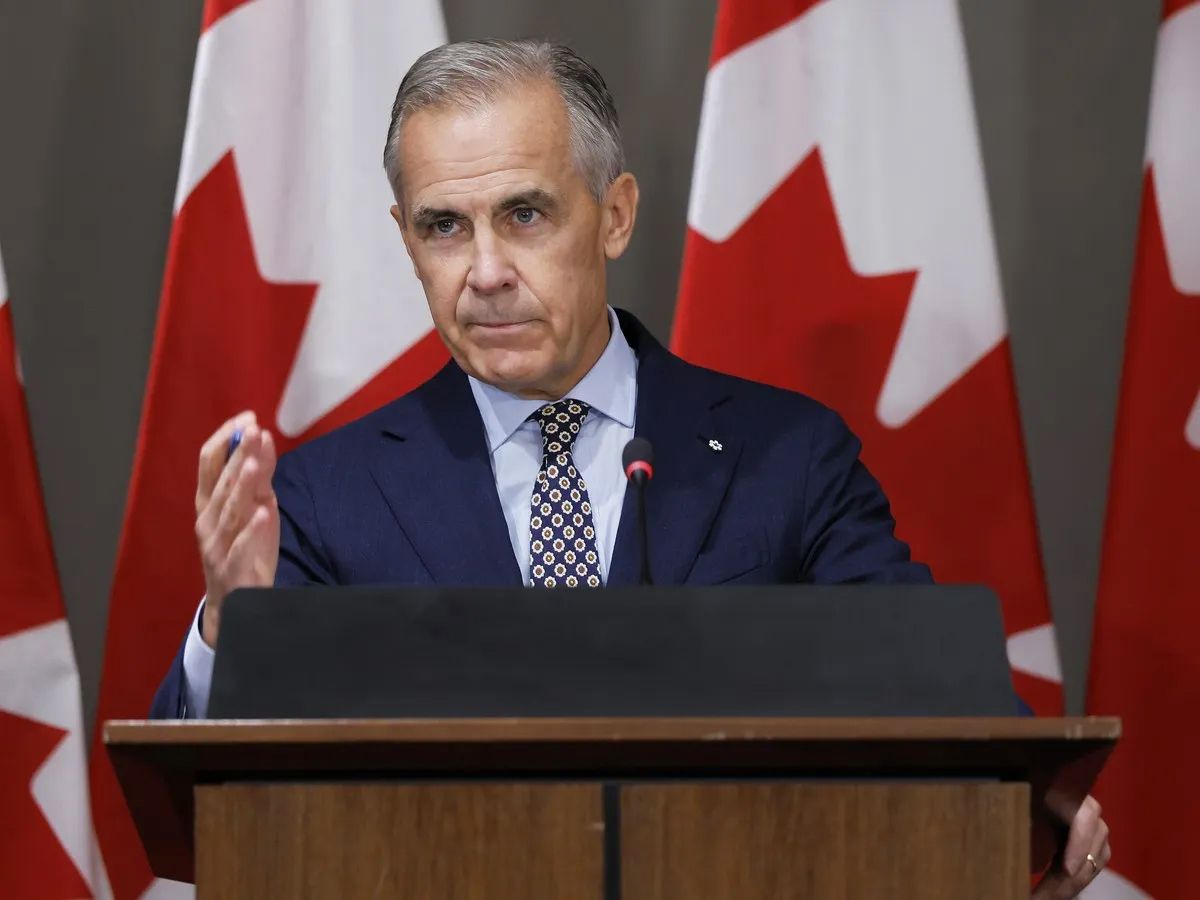
The federal jobs minister says she can’t give a “blanket answer” on when the federal government would move to end a strike or lockout under the new labour legislation tabled Monday.
asserted
government → say → legislation
According to the proposed Building Canada Strong Act, a work stoppage must be affecting the “national interest” before the minister can trigger Section 107 of the Canada Labour Code to end a labour disruption.
uncertain
minister → accord → disruption
The existing tool allows a minister to refer two deadlocked parties to the Canada Industrial Relations Board to declare an impasse, end the work stoppage and move talks into binding arbitration.
asserted
minister → exist → arbitration
Jobs Minister Patty Hajdu said in an interview there’s no set timeline for federal government intervention in a strike affecting a critical industry.
asserted
Hajdu → say → industry
“It is a high bar to establish a national interest,” she said.
asserted
she → establish → interest
“What I would say is that each strike in each industry is different and so it’s very hard to answer that with a blanket answer.”
asserted
it → say → answer
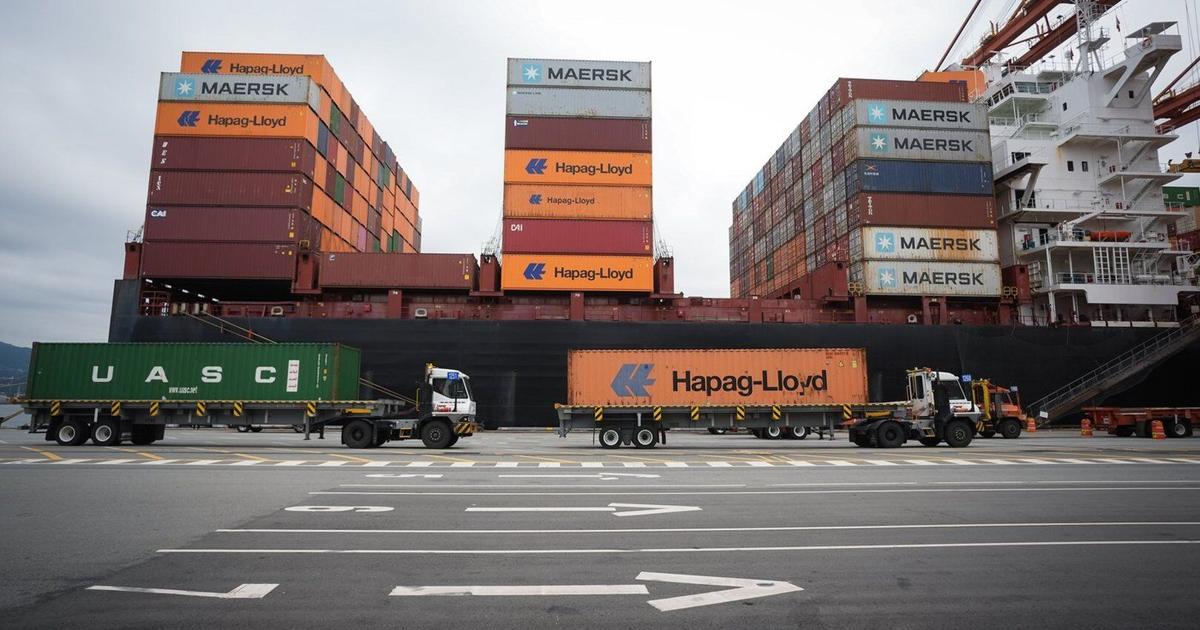
The federal government has leaned on Section 107 in recent years to end walkouts at Canada Post, the CN and CPKC railways, and at the B.C. and Montreal ports.
asserted
government → lean → ports
Air Canada flight attendants defied an attempt to use the measure to end their strike in 2025.
asserted
attendants → defy → 2025
The Canadian Labour Congress argues the proposed changes to Section 107 would weaken the position of workers in collective bargaining.
asserted
changes → argue → bargaining
The organization plans to respond to the government’s proposals in a press conference on Tuesday.
asserted
organization → plan → Tuesday
Hajdu said strikes could still happen under the proposed legislation and acknowledged the point of a work stoppage is to inflict economic pressure in a labour dispute.
uncertain
point → say → dispute
But she said that pressure can mount quickly when, for example, a work stoppage hits the transportation sector and puts perishable goods at risk.
asserted
stoppage → say → risk
She said the government will be evaluating each strike individually.
asserted
government → say → strike
Other proposed changes to the labour code include the introduction of a special mediator to publish a report outlining both sides’ positions in an impasse.
asserted
changes → propose → impasse
The act would also require pre-emptive relationship repair work with the federal mediation service in cases where there has been a history of acrimony between the union and employer.
asserted
act → require → union
Hajdu said these changes are intended to reduce the number of work stoppages by boosting transparency and reducing “bad blood” between the parties.
asserted
changes → say → parties
“Hopefully, this sharpens both employers’ minds and unions’ minds to the task at hand, which is to really, really get that deal,” she said.
asserted
she → sharpen → deal
This report by The Canadian Press was first published Sept. 22, 2026.
asserted
report → publish → Press
 The Aporia