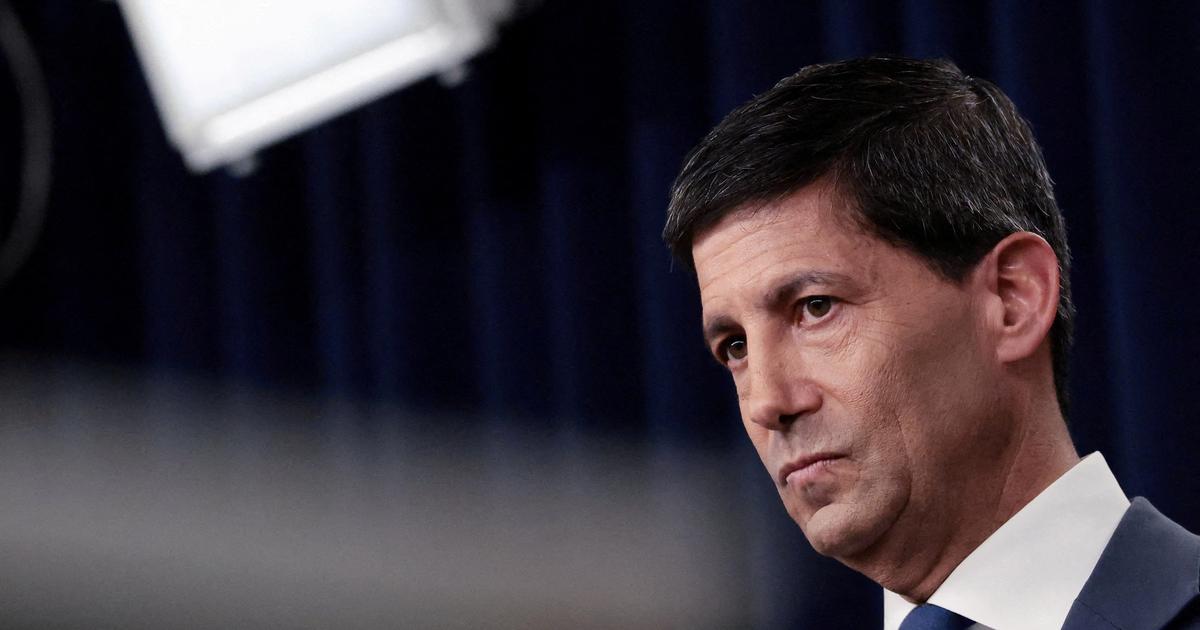
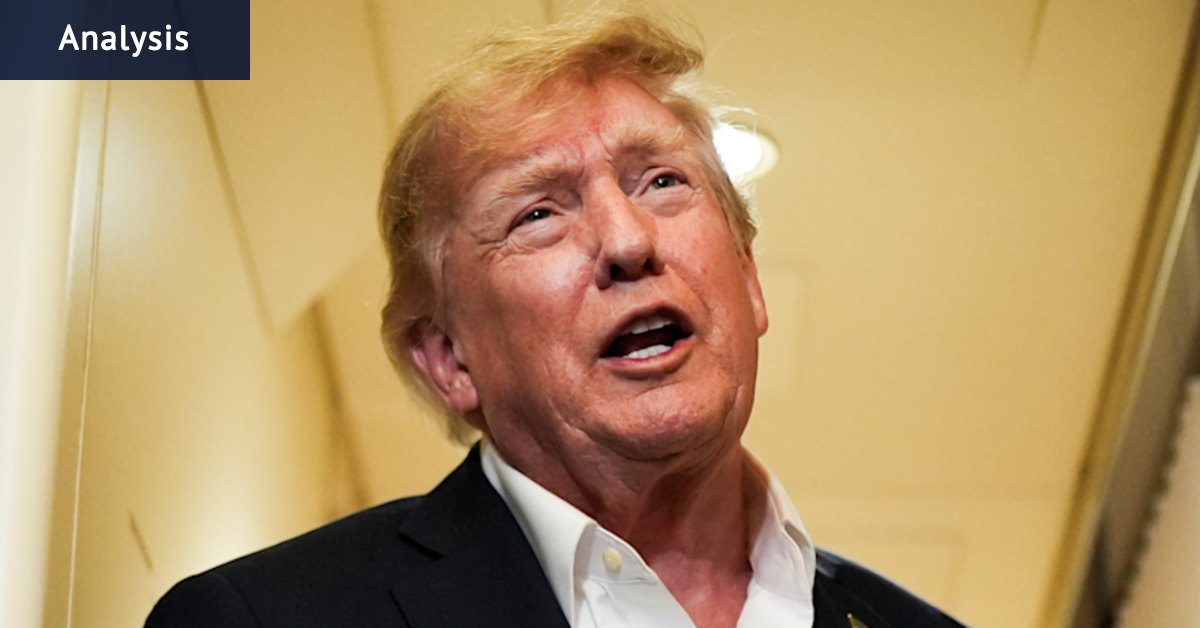
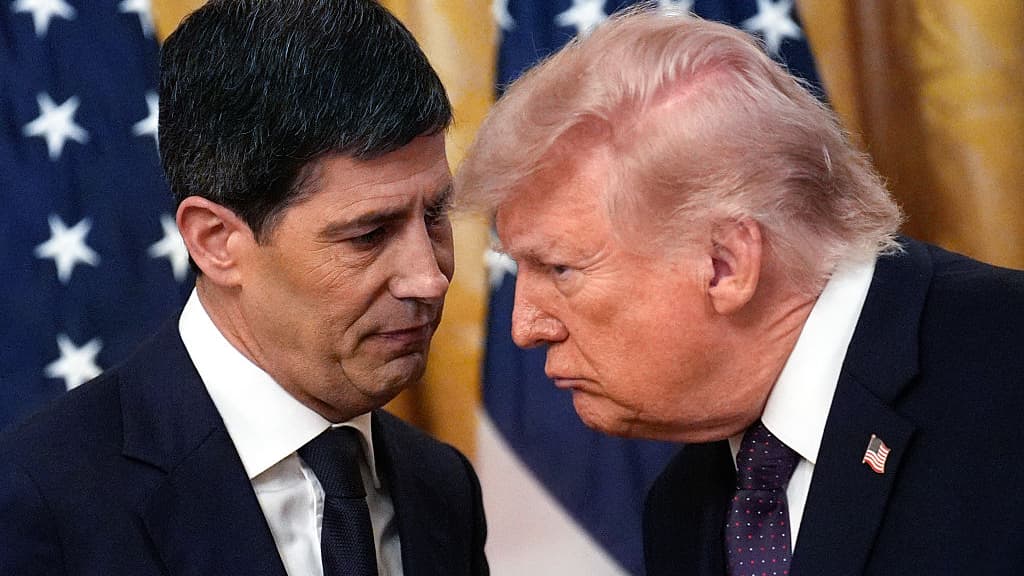
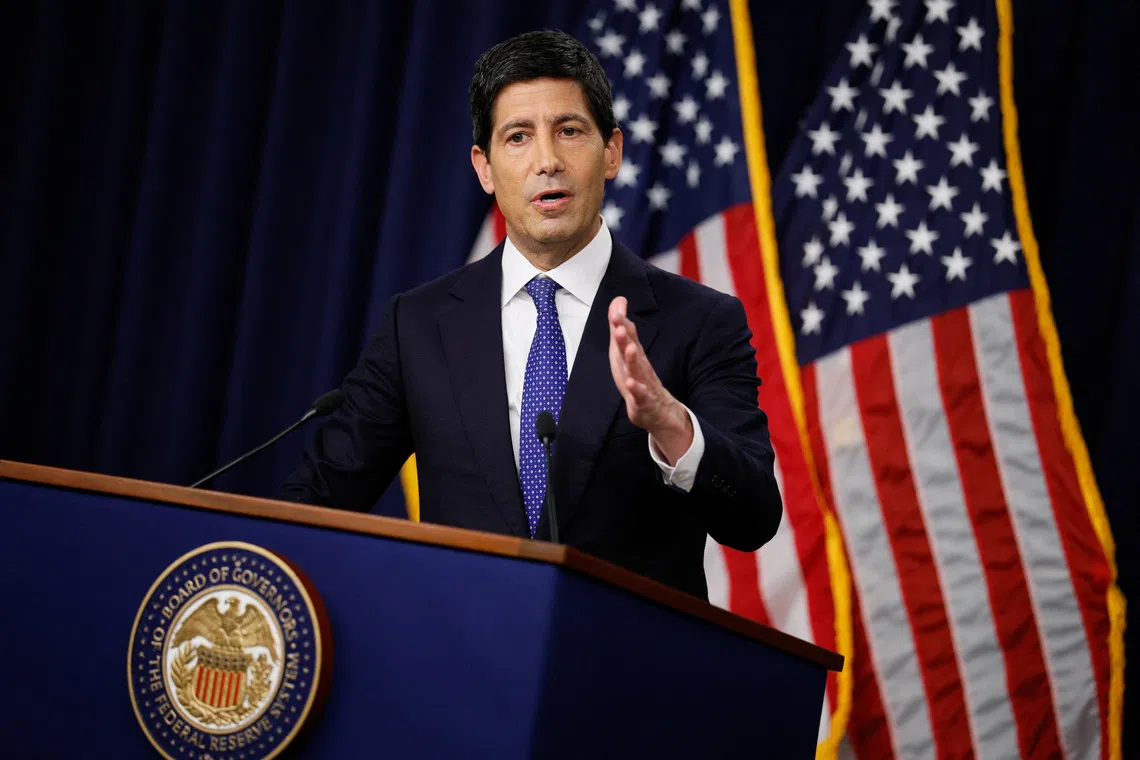
Photo via The Guardian

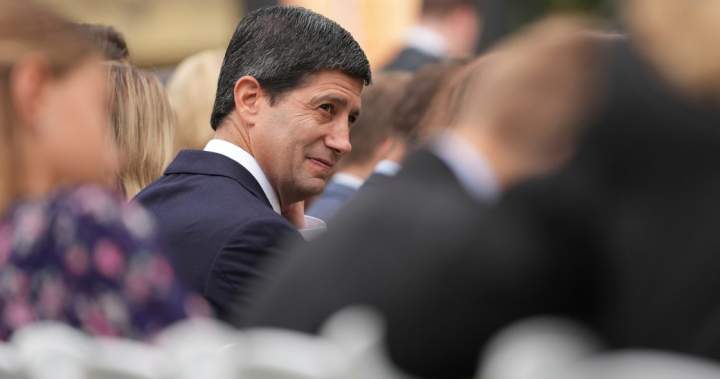
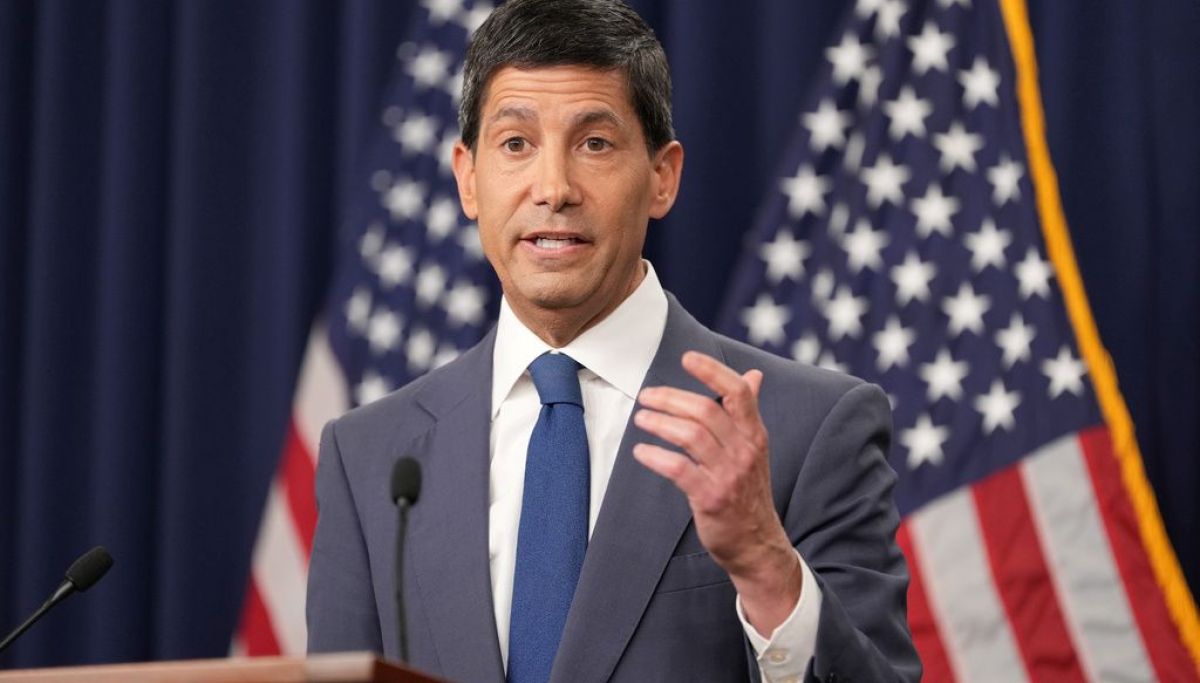
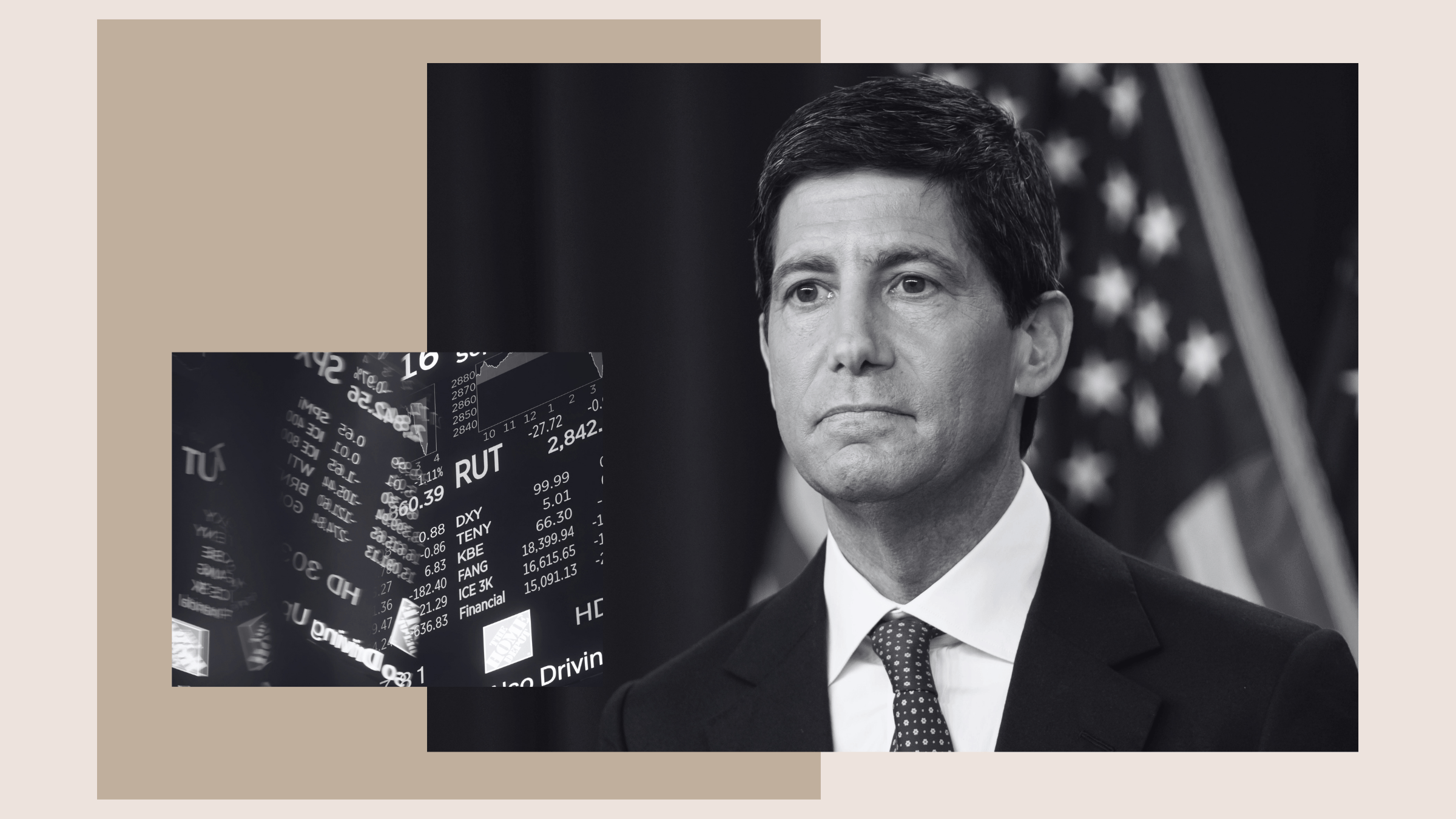
Kevin Warsh may be the adult in the room. But can he calm the US economy?

Read the original at The Guardian ↗
Cite

Porter, E. (2026, September 19). Kevin Warsh may be the adult in the room. But can he calm the US economy? The Guardian. https://www.theguardian.com/business/2026/sep/19/kevin-warsh-interest-rate-hike

Dated when The Aporia collected the article, usually within hours of publication. Check the original for its exact date and byline.

The Guardian · collected 2026-09-19 · by Eduardo Porter

Quick Summary

Kevin Warsh led the Federal Reserve to unanimously decide on a rate hike of three years, emphasizing the need to address persistently high inflation exceeding the Fed’s 2% target. Despite facing pressure from President Trump, who demanded lower rates and threatened trade measures unless the Fed complies, Warsh remained resolute in his decision-making during an election year. Financial markets reacted cautiously, with the S&P 500 dropping by 0.4% and the yield on the 10-year bond rising above 5%, indicating uncertainty about future rate hikes.
Written by AI on 2026-09-19, from this article's own text only (the story summary below draws on all the coverage).
See how they differ ↓

AI analysis

Story summary

On September 16, 2023, the Federal Reserve is expected to raise its benchmark interest rate by 25 basis points to a range between 3.75% and 4.00%, according to predictions from financial analysts like CME Group's FedWatch tool. This move reflects growing concerns over inflation, which has risen above the central bank’s target of 2%, despite previous attempts at stabilization. The decision comes amid pressure from President Donald Trump for lower rates and economic turbulence due to rising oil prices following conflicts in the Middle East, pushing crude costs past $100 per barrel. Despite political tensions, financial markets overwhelmingly anticipate a rate hike to combat inflation, with some economists predicting additional increases before year-end to achieve a “timelier return” to the 2% target.

Written for “Fed Interest Rate Hike” on 2026-11-18, grounded in this article and the 55 other(s) covering the same event.

How they differ

21 outlets covered “Fed Interest Rate Hike”.

What each outlet says

One AI summary per outlet of its latest article on this story, written from that article alone and checked against it. Open the article for the outlet's own words.

The GuardianThis outlet19 Sep

Kevin Warsh led the Federal Reserve to unanimously decide on a rate hike of three years, emphasizing the need to address persistently high inflation exceeding the Fed’s 2% target. Despite facing pressure from President Trump, who demanded lower rates and threatened trade measures unless the Fed complies, Warsh remained resolute in his decision-making during an election year. Financial markets reacted cautiously…

Kevin Warsh may be the adult in the room. But can he calm the US economy? (this article)2 articles from The Guardian on this story
CBS News17 Sep

On Thursday, the Federal Reserve increased the federal funds rate for the first time in over three years, raising it to a range between 3.75% and 4.00%. This hike is expected to result in higher interest rates for savers across various account types. The article recommends that savers act quickly by moving their accessible cash into high-yield savings accounts or certificates of deposit (CDs), emphasizing the…

3 savings moves to make post-Fed rate hike →15 articles from CBS News on this story
Washington Examiner21 Sep

The article discusses how the Federal Reserve raised interest rates despite high oil prices caused by geopolitical tensions in key Middle Eastern shipping lanes like the Strait of Hormuz and Bab el-Mandeb. It argues that this move will not address supply shortages but could harm economic growth, particularly for lower-income Americans who rely on stable job markets rather than asset returns. The piece suggests that…

Rate hikes can’t stop drone strikes: Why is the Fed punishing Americans for the Hormuz blockade? →5 articles from Washington Examiner on this story
The Straits Times17 Sep

On September 16, US President Donald Trump criticized the Federal Reserve for raising interest rates, demanding they be “1% or less” on his social media platform Truth Social. This came after Kevin Warsh, Trump’s appointee to lead the Fed, supported a rate hike at a press conference where he emphasized that inflation is too high and needs addressing. Despite Trump's criticism, he claimed to still have confidence in…

Trump lashes out at Fed after Warsh backs rate hike, says rates should be ‘1% or less’ →4 articles from The Straits Times on this story
ABC News (AU)16 Sep

US policymakers expect another interest rate hike by the end of the year following a 25 basis point increase by the Federal Reserve to curb inflation. Share markets were down overnight after the decision and are expected to drop locally as well. JP Morgan's chief economist, Bruce Kasman, predicts cumulative policy hikes totaling at least 75 basis points globally this year due to rising core inflation, tightening…

Live: US policymakers expect Fed to raise rates again this year →3 articles from ABC News (AU) on this story
New York Post17 Sep

Mortgage rates in the US have risen for a fourth consecutive week to just under 7%, according to Freddie Mac’s latest report released Thursday. This marks the highest rate since January 2023, with the average 30-year fixed-rate mortgage jumping from 6.76% last week to 6.95%. The increase reflects rising borrowing costs due to inflation and the Federal Reserve's recent interest rate hike, impacting homebuyers'…

Mortgage rates jump to nearly 7% after Fed rate hike — highest in nearly two years →3 articles from New York Post on this story
Show 14 more outlets
BBC17 Sep

The Federal Reserve increased US interest rates to a range of 3.75%-4% from 3.5%-3.75%, marking the first such rise in three years, aiming to control inflation. In a video segment, BBC reporter Samira Hussain discusses the reasons behind this rate hike and its implications for American consumers.

Watch: How will higher interest rates impact US consumers? →3 articles from BBC on this story
Dawn17 Sep

The US Federal Reserve has raised interest rates by 25 basis points for the first time in three years, primarily to address high inflation and rising oil prices. The decision’s potential impact on Pakistan includes increased external debt servicing costs and pressure on Pakistan's currency, according to financial analysts. Experts suggest that while Pakistan’s near-term financing is somewhat protected due to a…

What the US Fed hike could mean for Pakistan's economy →3 articles from Dawn on this story
Semafor17 Sep

Markets rallied on Thursday after the US Federal Reserve raised interest rates as expected, with an analyst stating that this move reduced uncertainty. Despite criticizing the rate hike, President Donald Trump did not directly blame Fed Chair Kevin Warsh, whom he had appointed to replace Jerome Powell. Trump revealed he spoke with Warsh before the decision, leading some commentators to speculate about the central…

Trump backs Fed's Warsh following rate hike →2 articles from Semafor on this story
Global News17 Sep

The U.S. Federal Reserve raised interest rates to a minimum of 3.75%, the first increase in three years, potentially pressuring the Bank of Canada to raise borrowing costs for Canadians soon. Economists suggest that while Canadian interest rates aren’t directly tied to U.S. moves, the strengthening of the U.S. dollar and weakening of the Canadian dollar could influence future rate decisions by the Bank of Canada…

What the U.S. Fed hiking rates means for the loonie and for borrowers →2 articles from Global News on this story
Sydney Morning Herald17 Sep

The article reports on how the Federal Open Market Committee (FOMC) raised U.S. interest rates by a quarter percentage point to 3.75% to 4%, despite President Donald Trump's objections. It highlights that the decision was made to address inflation concerns rather than to reflect the creditworthiness of the US, as Trump had suggested on Truth Social. The piece underscores the ongoing tension between the president and…

How 12 people you probably don’t know knocked down Donald Trump →2 articles from Sydney Morning Herald on this story
Time19 Sep

Federal Reserve Chair Kevin Warsh led his third Federal Open Market Committee (FOMC) meeting on September 15 and 16, where the committee unanimously decided to raise interest rates by a quarter percentage point. This rate increase brings the target range to 3.75% to 4%, reflecting concerns over sustained high inflation. Despite broad economic consensus supporting this decision, President Donald Trump criticized…

Can Kevin Warsh Change the Federal Reserve? →2 articles from Time on this story
ABC News (US)16 Sep

The Federal Reserve is expected to raise interest rates for the first time since 2023 on Wednesday amid high inflation and economic strain. Oil prices are near a four-month high, with gasoline averaging $4.30 per gallon. The central bank faces pressure from three dissenting policymakers who favored rate hikes at the last meeting in July. Financial markets predict a quarter-point increase based on a 94% probability…

Federal Reserve expected to raise interest rates for the first time since 2023 →
The Independent16 Sep

President Donald Trump criticized the Federal Reserve after it raised interest rates for the first time in more than three years, increasing the benchmark rate by a quarter point to between 3.75% and 4%. In a Twitter rant, Trump insisted that interest rates should be "1%, or less," citing the country's strong economic creditworthiness. The president’s comments were met with criticism for conflating different types…

President Trump-splains economy to Fed in rant after first interest rate hike in 3 years →
Al Jazeera17 Sep

The United States Federal Reserve raised its benchmark interest rate by a quarter of a percentage point on Wednesday, marking the first increase in over three years. This move was made to address rising inflation, which reached 3.4% last month, significantly above the Fed’s target of 2%. The decision was unanimous among all 12 members of the FOMC, with Chair Kevin Warsh emphasizing that high inflation needs timely…

What to know about US Federal Reserve’s first interest rate hike in 3 years →
Reason17 Sep

The Federal Reserve raised interest rates to a target range of 3.75 percent to 4 percent on Wednesday, marking the first increase in three years and coming despite President Trump's previous statements downplaying inflation concerns. This rate hike was unanimous among Fed officials and came after Kevin Warsh replaced Jerome Powell as chair of the Federal Reserve. President Trump had previously criticized the board…

Best Credit in the World →
South China Morning Post18 Sep

The US Federal Reserve raised its benchmark interest rate by a quarter of a percentage point for the first time since 2023, leading the Hong Kong Monetary Authority and the Bank of Japan to follow suit. The 10-year US Treasury yield subsequently dropped below 5 per cent to about 4.94 per cent on Friday. Additionally, Hong Kong’s ranking as the third most important global financial centre was confirmed in a recent…

From US Fed rates to China’s global export share: 4 figures shaping markets →
Fox News18 Sep

Lee Carter writes in an opinion piece that the Federal Reserve raised interest rates for the first time since 2023 on Wednesday, aiming to combat high inflation by cooling economic demand. While economists view consumers as resilient due to their ability to maintain spending despite rising costs and tightening credit conditions, Carter suggests this resilience might mask underlying fatigue and financial strain among…

LEE CARTER: The Fed finally raised rates. The real danger now for the GOP is what happens next →
NPR19 Sep

The Federal Reserve recently raised interest rates by a quarter percentage point in an attempt to curb rising inflation. The article explains that the Fed's primary responsibilities are maintaining price stability and achieving maximum employment, often requiring difficult trade-offs between these goals. It details how adjusting interest rates is a key tool for influencing economic activity: raising rates slows down…

Ever wonder how the Fed's interest rate actually works? We've got answers →
Toronto Star20 Sep

The Federal Reserve raised its benchmark interest rate amid ongoing economic challenges such as persistent high inflation and robust growth despite supply shocks. Economists like Joe Brusuelas from RSM argue that this shift signifies a return to pre-pandemic conditions, with strong consumer spending colliding with supply constraints, leading to higher mortgage rates. Currently, the average 30-year mortgage rate has…

Federal Reserve rate hike reflects new world of sticky inflation and faster growth →

Where they agree and split

Agreed

Reported by outlets on both sides of the middle

The move was engineered not by one of the Fed governors Trump has spent years attacking as "boneheads," but by Kevin Warsh, the chairman Trump elevated to the job in May after months of bullying his predecessor, Jerome Powell, over interest rates that he considered to be too high.

6 outlets
Show 1 more

Price increases have repeatedly plagued U.S. consumers, especially at the pump, where the national average price for a gallon of gasoline has hit $4.43 up from $3.20 a year ago, data from the American Automobile Association shows.

4 outlets

Disputed

Picked by our model, which is sometimes wrong

  • CBS News suggests that raising interest rates could hurt home buyers and those seeking loans, while Semafor focuses on the impact of disappointing investors' expectations.15

Framing

How the first headlines put it

  • CBS News frames the event around advice for where to keep money in case of a rate hike, while ABC News focuses on the conflict between the Fed and President Trump.14
  • Semafor highlights the potential clash with Trump, whereas The Independent emphasizes Trump's reaction to the rate hike.52
Words to watch (1)

Eye Opener: Trump slams Fed after interest rate hike CBS News

The full story: what happened, how it changed, and all 56 articles →

Compared with similar articles

This article reads leans left and hedges 11% of its claims. Each row says how that neighbour differs.
Global News
Leans left Hedges 9 of 36 claims Outlet record 63/100
Washington Examiner
Leans right further right than this Hedges 2 of 35 claims Outlet record 67/100
TIME
Hedges 2 of 72 claims Outlet record 60/100
The Sydney Morning Herald
Leans strongly left further left than this Hedges 5 of 29 claims Outlet record 61/100
“While both articles discuss Kevin Warsh's actions as Fed Chair regarding interest rates, Article A focuses on the specific decision to raise interest rates and its immediate aftermath, while Article B discusses broader geopolitical factors influencing the decision. They describe different aspects of related events rather than a single event.”
The Guardian
Hedges 1 of 24 claims Outlet record 64/100
Semafor
Hedges 0 of 3 claims Outlet record 65/100
“The articles describe related but different events: one is about Trump's comments on interest rates, and the other focuses on Kevin Warsh's decision to raise interest rates at a Federal Open Market Committee meeting.”
The Sydney Morning Herald
Leans left Hedges 2 of 31 claims Outlet record 61/100
“While both articles discuss the Federal Open Market Committee's decision to raise interest rates, they describe different aspects and timelines of the event.”
TIME
Hedges 6 of 41 claims Outlet record 60/100
Toronto Star
Leans left Hedges 1 of 32 claims Outlet record 64/100
“While both articles discuss a Federal Reserve interest rate hike, Article A focuses on Kevin Warsh's leadership and decision-making in the recent meeting, while Article B provides broader context about economic trends influencing the decision. They do not describe the exact same specific incident.”
The Straits Times
Leans right further right than this Hedges 4 of 15 claims Outlet record 64/100
“While both articles discuss the Federal Reserve raising interest rates, Article A mentions the decision on Sept 16 and a search for 'timelier' drop in inflation, while Article B focuses more on Warsh's stance at the press conference and does not specify the same day or context.”

Story

Fed Interest Rate Hike
Economy/Business · 56 article(s) covering the same event. Compare every outlet's account →
How this article was measured signals, leaning charts, publisher record, byline, topics and claims

Signals How these are calculated →

Claims extracted
35
sentences that state something as happening or true
Uncertain
11%
4 of 35 hedged ("reportedly", "may", "according to")
Leaning
Leans left
of the writing, not the subject · beta estimate
Publisher signals
64/100
The Guardian's corrections and hedging, across everything collected from it. Not a measure of accuracy.
Outlets on this story
56
Economy/Business
Same framing elsewhere
1
articles that frame the event the way this one does
Analyzed 2026-09-19 · how these are computed

How this is being covered How these are calculated →

Article leaning vs. publisher reliability
Source leaning vs. consistency

Publisher

The Guardian · 2534 article(s) · 8 correction(s) detected
Running correction rate · 8 correction(s)

Who wrote this

Eduardo Porter
9 article(s) here · 1 carrying a prediction
As the Reagan revolution four decades ago launched US society down the path to low taxes and meager solidarity, perhaps the Republican bloodbath last week could turn US politics toward building a new social contract anchored on an aspiration to equitable prosperity.
Democrats would do well to recall that the affordability strains that helped deliver them to power are not dissimilar to those that delivered the presidency to Trump two years ago.
Under the radar, the world is marching toward an economic war of potentially epic proportions, one that, history suggests, could well spill over into the real thing.
Taylor may have committed crimes worse than social security fraud.
Maybe Trump can somehow dupe the Maga base into believing that “we’re growing at a faster rate than we’ve ever grown before.”
Americans will never accept the Democratic party’s slide to the left, or so desperate Republicans are hoping.
The Stanford ethicist Rob Reich was once invited to a dinner organized by a Silicon Valley mogul to discuss what a state designed to maximize science and tech powered by commercial models might look like.
Warsh’s resolve – raising rates just a few weeks before elections that will determine whether Republicans retain control of Congress – appeared even more resolute in the face of a veiled threat from White House economic adviser Kevin Hassett, who pointed out to his chums on Fox that “if you want an independent Fed, then one thing the Fed does is it stays out of the way of elections”.
It goes without saying that the new detective will not restore factory jobs to Toledo, Hickory or Phoenix.
Also by Eduardo Porter
Nothing else under this byline is closely related to this article, so these are simply their most recent.
All 9 articles by Eduardo Porter →

Topics

Fed Federal Reserve Keystone Cops Republicans the Federal Open Market Committee

Subjects

Fed ORG · 9× Trump PERSON · 4× Warsh PERSON · 4× treasury ORG · 2× Donald Trump’s PERSON · 1× Federal Reserve ORG · 1× Kevin Warsh’s PERSON · 1× Keystone Cops ORG · 1× Republicans NORP · 1× the Federal Open Market Committee ORG · 1×

Narrative

Yet more significant than the contrast between Warsh’s words and the incongruent economic rhetoric from the White House is the tension between the Fed’s decision on Wednesday and pretty much every other initiative from the administration, from the volley of tariffs against imports from everywhere to the war in Iran to Trump’s “promise” of $5,000 a head if he wins the midterms to treasury secretary Scott Bessent’s desperate efforts to pull interest rates down even as the Fed is raising them.
framing: assertive · carried by 1 article(s) · first seen 2026-09-19
Warsh’s resolve – raising rates just a few weeks before elections that will determine whether Republicans retain control of Congress – appeared even more resolute in the face of a veiled threat from White House economic adviser Kevin Hassett, who pointed out to his chums on Fox that “if you want an independent Fed, then one thing the Fed does is it stays out of the way of elections”.
2026-09-19 · The Guardian
Kevin Warsh may be the adult in the room. But can he calm the US economy? · assertive framing

Claims (35 extracted, 4 hedged)

In the end, Kevin Warsh’s Federal Reserve acquitted itself well. asserted
Reserve → acquit → itself
For all the uncertainty he had sparked at the previous meeting of the Federal Open Market Committee, when he refused to provide any indication of what he was prepared to do to tame stubborn inflation, the chair on Wednesday presided over a unanimous decision to raise interest rates for the first time in three years. asserted
chair → spark → years
“Today’s action starts to show that we’re serious about this,” he said at the press conference after the meeting, with “this” meaning inflation in excess of the Fed’s 2% target for over five years. asserted
this → start → years
Welcome though it was, his embrace of economic orthodoxy nonetheless did little to dispel the Keystone Cops quality of governance in Donald Trump’s US. asserted
embrace → do → US
Warsh’s resolve – raising rates just a few weeks before elections that will determine whether Republicans retain control of Congress – appeared even more resolute in the face of a veiled threat from White House economic adviser Kevin Hassett, who pointed out to his chums on Fox that “if you want an independent Fed, then one thing the Fed does is it stays out of the way of elections”. asserted
it → raise → elections
The central bankers’ parsimonious comments in the press conference following the meeting made a sharp contrast with the more unhinged commentary from other members of the administration, including the president himself, who earlier this month celebrated the resilience of the labor market with a mind-boggling threat to “STOP TRADING WITH COUNTRIES WITH WHICH WE HAVE A DEFICIT” unless the Fed cut interest rates. asserted
Fed → follow → rates
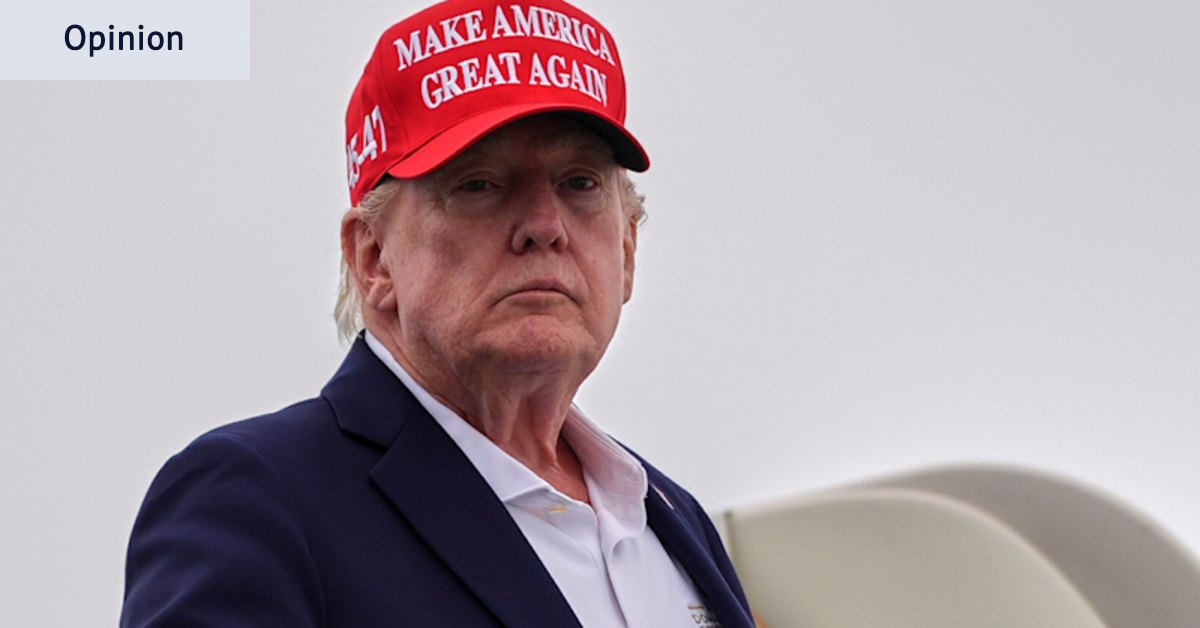
Trump has yet to turn on Warsh in the way he did on his predecessor, Jerome “numbskull” Powell. asserted
he → have → predecessor
After the rate hike, Trump went ballistic – spewing more of the random, incoherent thoughts that have become his trademark. asserted
that → go → thoughts
“Interest Rates in the United States should be 1%, or less, because we are the Best Credit in the World,” he wrote on social media, despite recalcitrant inflation and a budget deficit that is likely to exceed $2tn this year. asserted
that → write → 2tn
He again demanded the powers that be to “LOWER THE INTEREST RATES FOR THE UNITED STATES OF AMERICA, AND FAST!” asserted
that → demand → AMERICA
Yet more significant than the contrast between Warsh’s words and the incongruent economic rhetoric from the White House is the tension between the Fed’s decision on Wednesday and pretty much every other initiative from the administration, from the volley of tariffs against imports from everywhere to the war in Iran to Trump’s “promise” of $5,000 a head if he wins the midterms to treasury secretary Scott Bessent’s desperate efforts to pull interest rates down even as the Fed is raising them. asserted
Fed → win → them
All things considered, financial markets reacted relatively calmly to the day’s events. asserted
markets → consider → events
For sure, the S&P 500 index took a nosedive on Wednesday afternoon, closing some 0.4% lower at the thought that the Fed would likely now raise rates again in December and twice in 2027. asserted
Fed → take → 2027
The yield on the 10-year bond rose sharply, again surpassing 5%. asserted
yield → rise → %
But investors appear to have bought – for now at least – that whatever deranged policies may emerge from the rest of the administration, monetary policy will remain comparatively sane. uncertain
policy → appear → administration
Investors should probably remain on their toes, though. asserted
Investors → remain → toes
A rational Trump would probably thank Warsh for his hawkishness. asserted
Trump → thank → hawkishness
There might be a plausible argument to keep rates where they were because inflation is driven by temporary forces, like a war. uncertain
inflation → keep → war
Yet had the Fed staid its hand, or – goodness forbid – cut rates as the president has demanded, the bloodbath in the treasury market would have been gruesome, as investors were forced to accept that the chair of the central bank would not stand up to the nut who appointed him. asserted
who → staid → him
By contrast, by raising rates and demonstrating he is serious about curbing inflation, the Fed is likely to calm market jitters and reduce long-term inflation expectations, which will ultimately redound in lower yields on treasury bonds, allowing for lower interest rates on mortgages and other long-term loans that matter to businesses and consumers. asserted
that → raise → businesses
In his fury on Wednesday, Trump again threatened to stop trading with countries that have a surplus with the US – a proposition so devoid of sense that it is hard to comprehend, let alone critique. asserted
it → threaten → sense
The war in Iran is likely to continue throughout the administration, bringing more volatility to energy markets. asserted
war → continue → markets
Even Bessent seems to be losing his hold on reality. asserted
Bessent → seem → reality
Vexed over rising treasury yields – which are raising the cost of servicing the government’s Brobdingnagian debts – the man whom markets believed would play the role of adult in the Oval Office on matters of economic policy has started to emulate the desperate government officials he once pummelled into submission. asserted
he → vex → submission
Bessent built a reputation in financial circles in 1996 as part of the team built by George Soros and Stanley Druckenmiller that pushed the British pound out of the European Exchange Rate Mechanism. asserted
that → build → Mechanism
They made a tidy profit by teaching hapless British ministers that however many pounds they bought to defend the exchange rate, they could never overcome a market determined to sell. uncertain
they → make → market
Today, Bessent has taken the losing side of that trade, betting that he can buy enough treasuries to bring long-term interest rates down. asserted
he → take → rates
The Fed on Wednesday likely helped Bessent’s cause. asserted
Fed → help → cause
Still, the peculiar image of a central bank raising interest rates while the treasury secretary resorts to gunslinger tactics to lower them won’t restore trust in the creditworthiness of the United States. asserted
secretary → raise → States
(“I am the house,” he proclaimed, hoping to achieve a steely gaze, rhetorically twirling and reholstering his revolver. asserted
he → proclaim → revolver
“You can bet against me if you want.”) asserted
you → bet → me
Can an unexpectedly solid Fed chair stabilize the ship of an American economy discombobulated by slapstick policymaking? asserted
chair → stabilize → policymaking
But holding one’s breath may be a bad idea. uncertain
holding → hold → breath
Eduardo Porter is a journalist focused on economics and politics. asserted
Porter → focus → economics
He writes the newsletter Being There on Substack asserted
He → write → Substack
Give feedback · no sign-in needed

No sign-in needed for now. Your note is sent without a name, so it cannot be answered.

History Support