The Guardian
· collected 2026-09-15 · by Heather Stewart Economics editor
Central bankers in the US, UK, and Japan face critical decisions this week as they confront rising inflation amid global economic tensions. Kevin Warsh, recently appointed Chair of the US Federal Reserve by President Trump despite his demands for lower interest rates, must decide whether to raise rates in response to climbing oil prices pushing crude above $100 per barrel. The Bank of England and Japan’s BoJ also weigh their options against heightened inflation risks; while economists predict a “hawkish hold” from the UK's MPC, analysts see the BoJ raising rates due to recent yen recovery trends.
Written by the local model on 2026-09-15,
using this article's own text rather than the other coverage of the
same event (that is the story summary below).
Central bankers in economies including the US, Japan and the UK will face a moment of truth this week, as surging inflation raises the prospect of higher interest rates.
asserted
inflation → include → rates
Policymakers in all three countries will set rates in the next seven days against the backdrop of turbulent global bond markets.
asserted
Policymakers → set → markets
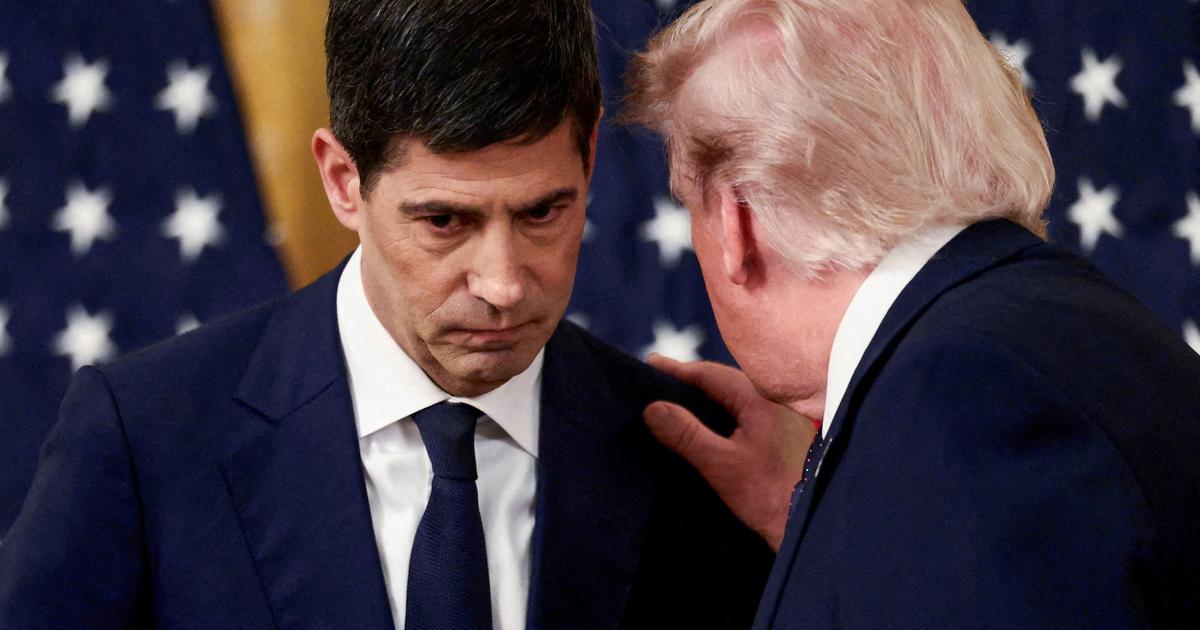
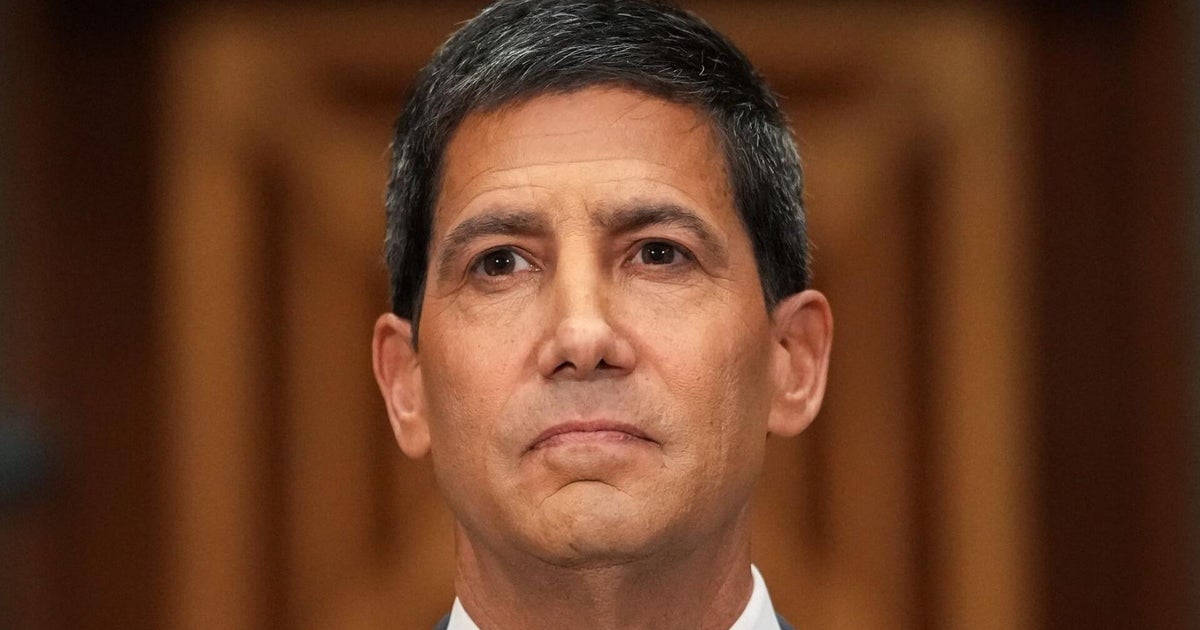
In particular, investors will be watching closely to see if Kevin Warsh, the new chair of the US Federal Reserve, can face down Donald Trump’s demands for rate cuts and instead persuade Fed governors to raise them on Wednesday.
asserted
Warsh → watch → Wednesday
Warsh was handpicked by the US president, who has repeatedly demanded lower interest rates.
asserted
who → handpicke → rates
In a Truth Social post this month, Trump claimed the US should have the “LOWEST RATE of any country in the World”.
asserted
US → claim → World
He added: “The Fed Board, with its great new leader, must get smart – BE PATRIOTS for a change.”
asserted
Board → add → change
However, the central bank’s board of governors is having to contend with a renewed rise in oil prices after the US-Iran conflict intensified again.
asserted
conflict → have → prices
The cost of a barrel of crude surged past $100 last week for the first time since July, as the strait of Hormuz remained all but closed to tanker traffic and Houthi rebels advanced along the Red Sea coast, threatening to choke off Saudi oil supplies.
Oil prices eased slightly on Friday amid hopes of fresh talks to reopen the waterway but remained well above levels in the summer, when Middle East hostilities temporarily abated.
asserted
hostilities → surge → summer
Higher energy costs are expected to feed a fresh rise in US inflation, which has been above the Fed’s 2% target for more than five years.
asserted
which → expect → years
In a speech this month, Warsh said without continued progress towards the target, Fed policymakers would have “work to do”.
asserted
policymakers → say → work
Data published on Friday showed annual US inflation unchanged at 3.4%.
asserted
inflation → publish → %
Andrew Bailey, the Bank of England governor, has struck a calm note about above-target inflation in the UK, saying rising mortgage rates have done some of the work of a rate rise without the Bank taking action.
asserted
Bank → strike → action
Markets and economists are predicting the Bank will hold rates at 3.75% on Thursday.
asserted
Bank → predict → Thursday
However, three of the nine members of the Bank’s monetary policy committee (MPC) voted for a rate rise in July, and data published on Friday showing stronger-than-expected economic growth could amplify fears about inflation.
uncertain
data → vote → inflation
Thomas Pugh, the chief economist at RSM, a consultancy firm, said the latest rise in energy prices had “materially increased the chance that the MPC will eventually follow other major central banks and raise rates”.
But he predicted a “hawkish hold” from the Bank when the MPC convenes on Thursday: a decision to leave rates unchanged, but with the published minutes pointing to potential future rises.
asserted
minutes → say → rises
Financial markets are betting on four UK rate rises over the next 12 months – up from the three they were expecting before the latest surge in oil prices.
asserted
they → bet → prices
In Tokyo, Bank of Japan (BoJ) policymakers will announce their decision on Friday and are widely expected to raise interest rates, validating the recent recovery of the yen on foreign exchanges.
asserted
policymakers → announce → exchanges
A quarter-point increase in the BoJ’s policy rate, to 1.25%, would take it to levels not seen for more than 30 years, since Japan first began fighting an extended battle against deflation, or falling prices.
asserted
Japan → take → deflation
The US Treasury joined Japanese authorities in intervening in foreign exchange markets to support the yen in July and Scott Bessent, the Treasury secretary, has made it clear that he expects rates to rise.
asserted
rates → join → July
At an event at Southern Methodist University in Texas on Tuesday, Bessent said: “When we intervene with the Japanese yen, I have pretty good insight into what the Bank of Japan is going to do, what Japanese policymakers are going to do.
asserted
policymakers → say → what
I have asymmetric information.
asserted
I → have → information
You can bet against me if you want.”
asserted
you → bet → me
The European Central Bank raised interest rates on Thursday.
asserted
Bank → raise → Thursday
Christine Lagarde, its president, said: “The conflict in the Middle East continues to generate inflation pressures, and inflation is set to remain well above target for an extended period.”
asserted
inflation → say → period
 The Aporia