Story summary
On September 16, 2023, the Federal Reserve is expected to raise its benchmark interest rate by 25 basis points to a range between 3.75% and 4.00%. This marks the first hike since late 2023 and reflects growing concerns over inflation, which has remained stubbornly high despite earlier efforts to curb it. The decision comes amid pressure from financial markets anticipating higher rates but against opposition from President Donald Trump, who demands lower interest rates or no changes at all.
The rate increase aims to address elevated inflation, currently above the Fed's target of 2%, and could further impact borrowing costs for mortgages, personal loans, and credit cards. However, it also benefits savers by providing higher returns on their funds if they move them into alternative high-yield savings accounts or other lucrative account types with rates exceeding the current average of 0.38%.
Central bankers in Japan and the UK are facing similar challenges regarding interest rate policy this week as global inflation continues to rise, particularly due to surging oil prices surpassing $100 per barrel for the first time since July 2023. This situation underscores a broader economic landscape where central banks must navigate between managing inflation risks and avoiding potential negative impacts on borrowing costs and economic growth.
Written for “Fed Interest Rate Hike” on 2026-09-17,
grounded in this article and the 27 other(s) covering the same event.
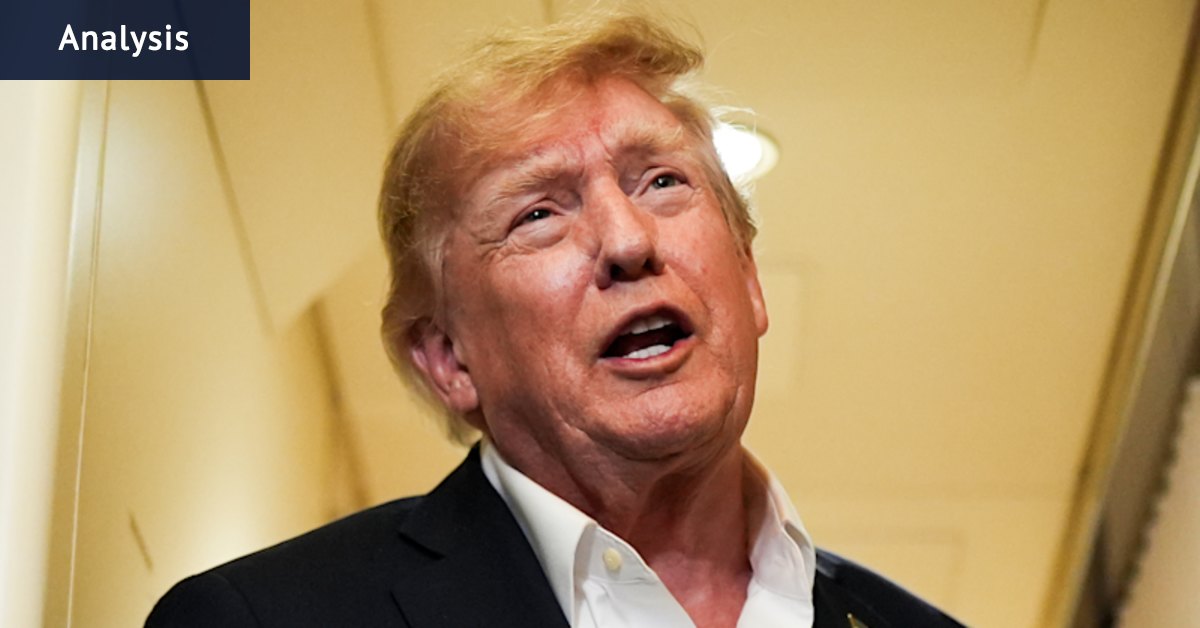
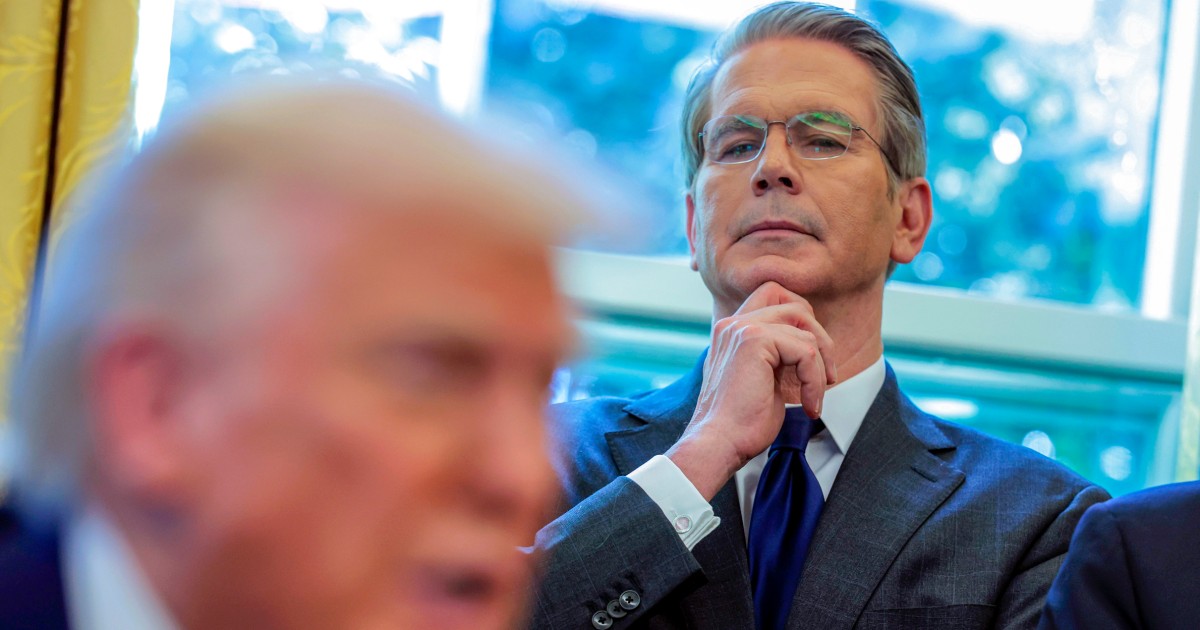
In the end, all the bullying from President Donald Trump meant little to 12 largely unknown people who a few hours ago increased American short-term interest rates.
asserted
who → mean → rates
As expected, the dozen members of the Federal Open Market Committee – the arm of the US central bank that sets monetary policy for the world’s largest and most important economy – pushed its key interest rate up by a quarter percentage point to 3.75 to 4 per cent.
asserted
that → expect → cent
And, as expected, Trump responded with all the nuance and understanding of the economy, inflation and monetary policy that he’s displayed since being returned to the White House.
asserted
he → expect → House
“Interest Rates in the United States should be 1%, or less, because we are the Best Credit in the World - BY FAR,” he thundered on Truth Social.
asserted
he → thunder → Social
It immediately highlighted one of Trump’s ongoing problem.
asserted
It → highlight → problem
The Federal Reserve is setting interest rates to deal with inflation in the US.
asserted
Reserve → set → US
It has nothing to do with the creditworthiness of the US, and everything to do with American inflation.
asserted
It → have → inflation
Interest rates on US government debt have been surging because of America’s huge deficit (now $US40 trillion and growing), its huge deficit (at least $US2 trillion this year), high inflation, uncertainty over the war against Iran and the call on investors by companies behind the AI infrastructure revolution.
asserted
rates → surge → revolution
After the Fed’s announcement, the interest rate on US government debt lifted to around its highest level since 2007.
asserted
rate → lift → 2007
But Trump continues to fight a political case.
asserted
Trump → continue → case
Among those who backed the increase were former governor and presidential bete noire, Jay Powell, and Lisa Cook, the woman who Trump is trying – and so far failing – to kick off the Fed.
asserted
Trump → back → Fed
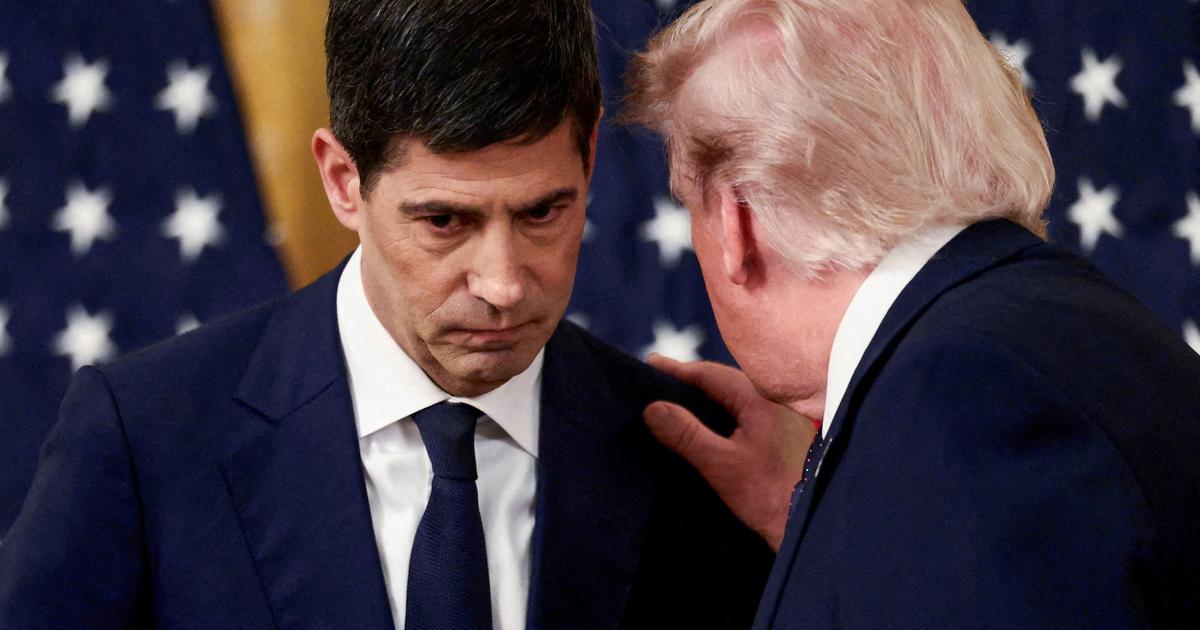
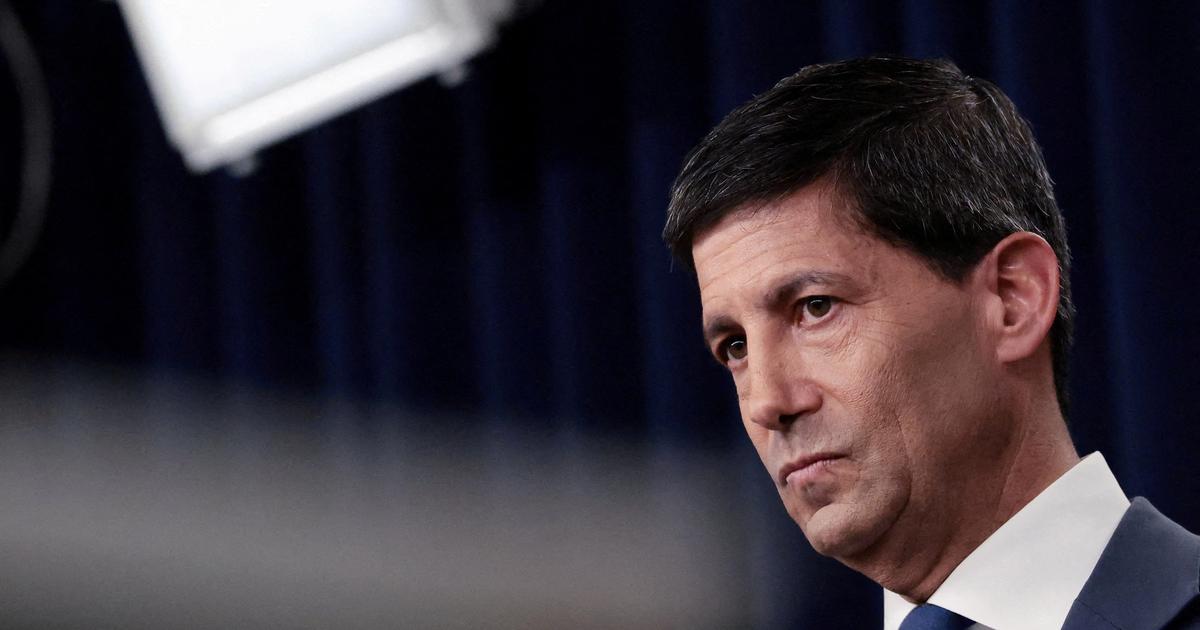
Then there was new Fed chair Kevin Warsh, who had to prove to financial markets (and investors in the US) that he was serious about tackling inflation.
asserted
he → be → inflation
The Fed’s decision does not mean interest rates have to go up here in Australia.
asserted
rates → mean → Australia
But Warsh’s point about inflation won’t be missed by his Australian counterpart, Michele Bullock, who markets believe is likely to deliver her own interest rate rise in less than a fortnight’s time.
asserted
markets → miss → time
Inflation remains too high and, as the RBA often notes, the only way it can bring it to heel is via higher interest rates.
asserted
it → remain → rates
The causes for that inflation can be debated.
asserted
causes → debate → inflation
Oil at $US106 a barrel, for instance, can’t be dismissed by those who want to blame the government for all of the economy’s ills.
asserted
who → dismiss → ills
From building a new home to buying milk at the local Woolies, there’s no denying the importance of this inflationary pulse that’s outside the control of Australia.
asserted
that → build → Australia
But government defenders can’t dismiss the fact that public spending, both federal and state, is running too hot.
asserted
spending → dismiss → fact
Federal spending as a share of the economy is not far below the peak it reached during COVID when money was being created out of thin air.
asserted
money → reach → air
S&P Global just last week downgraded its rating for Queensland, effectively noting that it is taking on a lot of debt to deliver the 2032 Olympics.
asserted
it → downgrade → Olympics
Throw in the AI building boom that Westpac analysts this week estimated could be worth $110 billion by 2029 while unleashing up to $50 billion in related renewable energy and the private sector is also adding to inflation pressures.
uncertain
sector → throw → pressures
On Thursday, the International Monetary Fund released its annual snapshot of the Australian economy.
asserted
Fund → release → economy
The fund’s mission chief, Paulo Medas, said if the Reserve Bank thought there was a case for an interest rate hike, it shouldn’t dilly-dally.
“In our view, they shouldn’t wait too long,” he said.
asserted
he → say → view
Fortunately for Bullock, no matter what the Reserve Bank does, she won’t cop a social media barrage from Anthony Albanese or Jim Chalmers.
asserted
she → do → Albanese
Australia, along with just about every other democracy with a functioning independent central bank, hasn’t progressed down the populist path of the US.
asserted
Australia → function → US
Independent analysts and most members of the Fed expect interest rates to go up at least once more by Christmas, adding to the political turmoil that the US is enduring in the run-up to the November midterm elections.
asserted
US → expect → elections
That suggests even more venting from the US president.
uncertain
That → suggest → president
Trump finished his Truth Social diatribe this morning by writing: “LOWER THE INTEREST RATES FOR THE UNITED STATES OF AMERICA, AND FAST!”
asserted
Trump → finish → AMERICA
But unless he plans to overhaul how monetary policy is set in the US, in a move that would devastate the economy, it was just proof that the 12 members of the Federal Reserve have more power than the American president.
asserted
members → plan → president
Subscribers can sign up to our weekly Inside Politics newsletter.
asserted
Subscribers → sign → newsletter
 The Aporia