That is 0 articles you have read today.
The Aporia is free and carries no advertising, so readers are the only
thing paying for it. If you are getting this much out of it, a small
donation is what keeps it independent.
Daily limit reached
You have read 0 articles today.
That is more than the 15 a day The Aporia gives away,
and well past what it can carry on nothing. Your allowance resets at
midnight.
There is no advertising here and nothing about you is sold, so readers
are the only thing paying for it. If the site is worth this much of
your day, it is worth a few dollars.
Everything else stays open: the
maps, the
directory and
search do
not count against this, and neither does re-opening something you have
already read today.
Prime Minister Balendra Shah of Nepal declared an early warning system for disasters a top priority during a speech at Tundikel Open Ground on Constitution Day (September 19, 2026). This follows the Bhotekoshi flash floods that occurred due to an ice-rock avalanche near the Nepal-Tibet border on August 26, resulting in over 1,400 deaths and more than 6,000 people missing. Shah emphasized focusing on risk reduction and preparedness while thanking those who assisted with disaster management efforts.
Written locally by qwen2.5:14b on 2026-09-19,
using this article's own text rather than the other coverage of the
same event (that is the story summary below).
Story summary
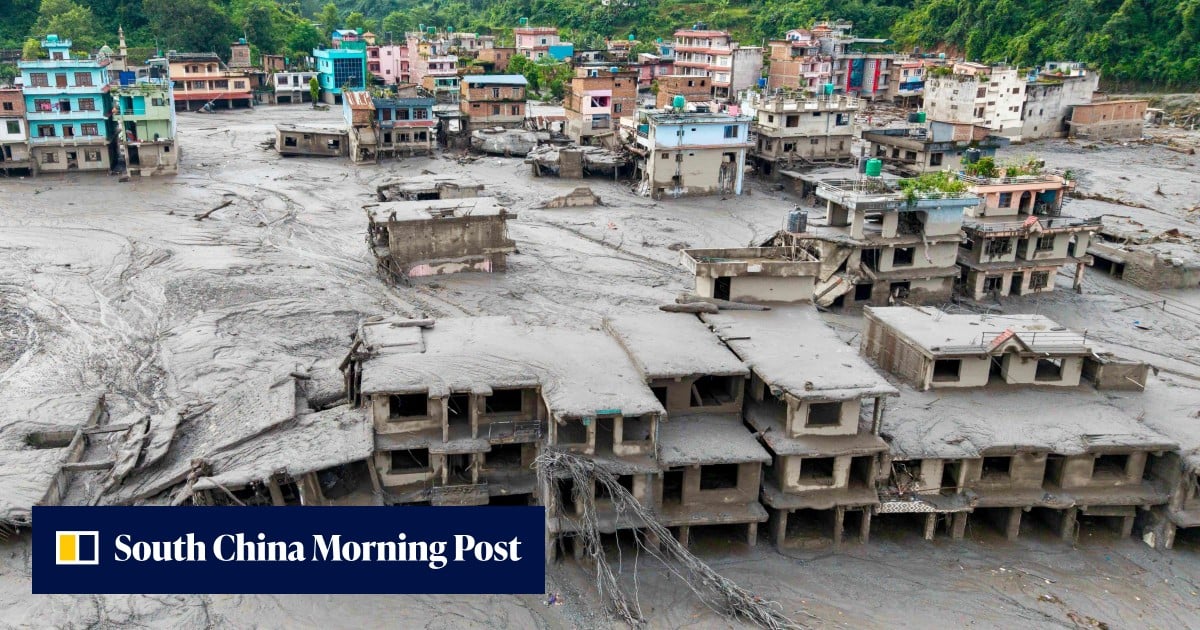
In late August 2026, flash floods caused by a glacial collapse near the Nepal-Tibet border devastated central and northern Nepal, leading to over 1,450 deaths as of September 20. The floodwaters swept away homes, vehicles, roads, bridges, and hydropower projects in multiple districts including Chitwan, Rasuwa, and Nawalparasi. With more than 6,000 people still missing, recovery efforts are hampered by severe damage to infrastructure and the decomposed state of many recovered bodies, complicating identification processes.
Prime Minister Balendra Shah has declared an early warning system for natural disasters as a top priority in Nepal, acknowledging that such systems could have saved lives. Meanwhile, international experts suggest climate change likely contributed to the instability of glaciers and permafrost, triggering the devastating avalanche that caused the floods. The disaster highlights the urgent need for global action on climate issues, with scientists noting that without faster transitions towards zero fossil fuel emissions, similar catastrophic events will become more frequent in the future.
Written for “Nepal Flood Disaster” on 2026-10-05,
grounded in this article and the 18 other(s) covering the same event.
An early warning system for disasters will be implemented as a "top priority" in Nepal, said Prime Minister Balendra Shah on Saturday (September 19, 2026).
asserted
Shah → implement → Saturday
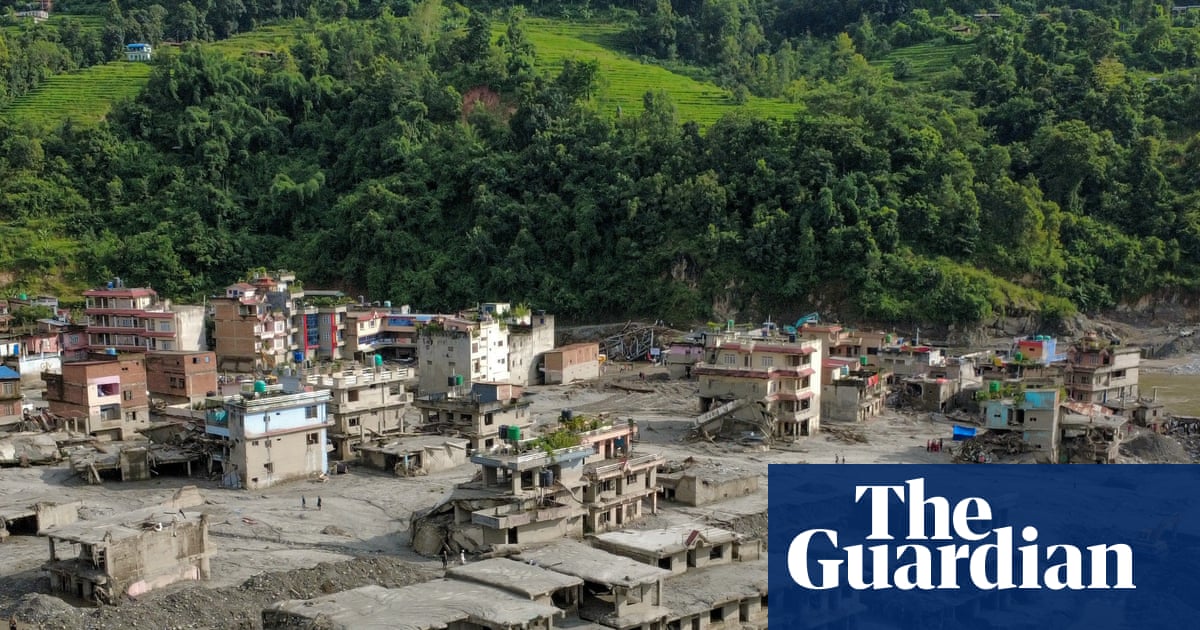
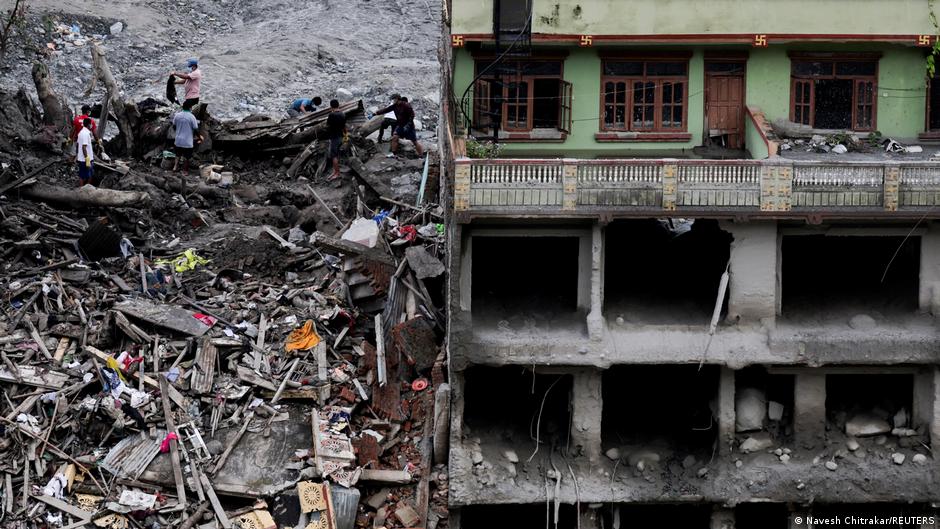
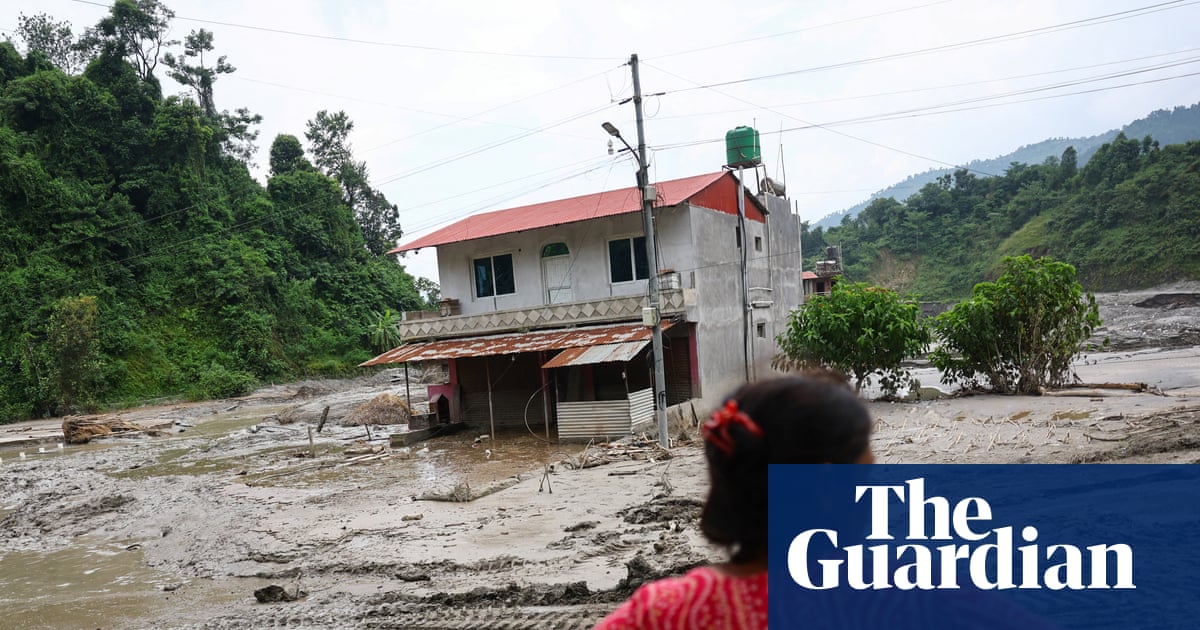
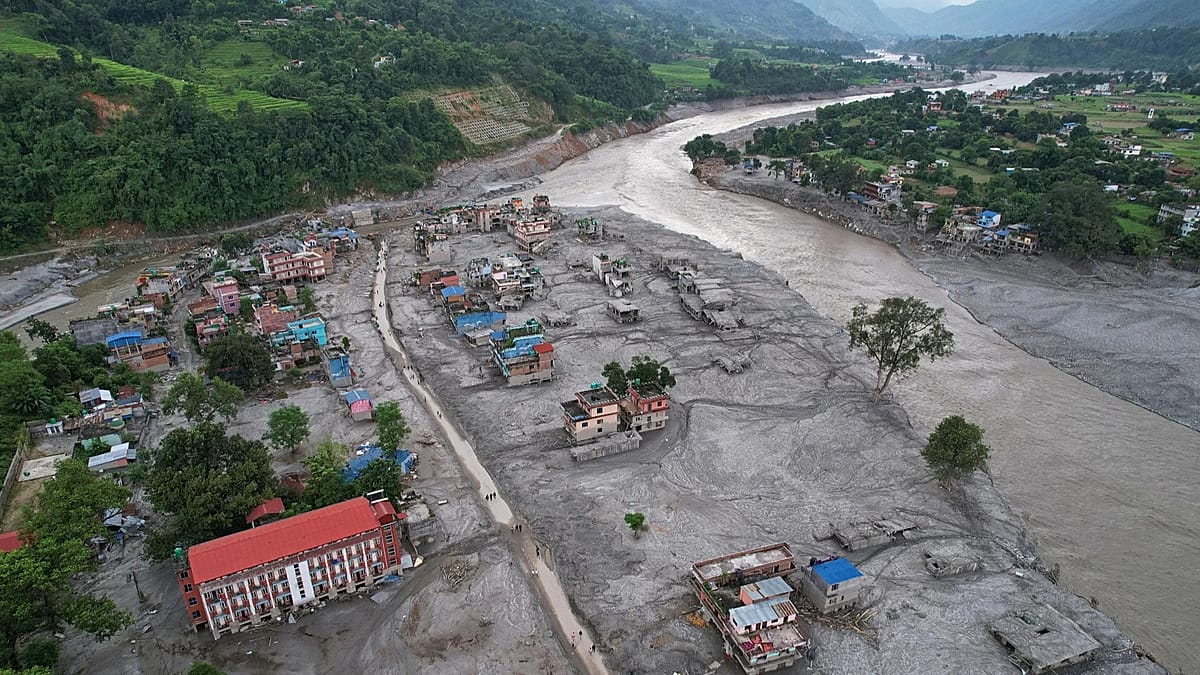
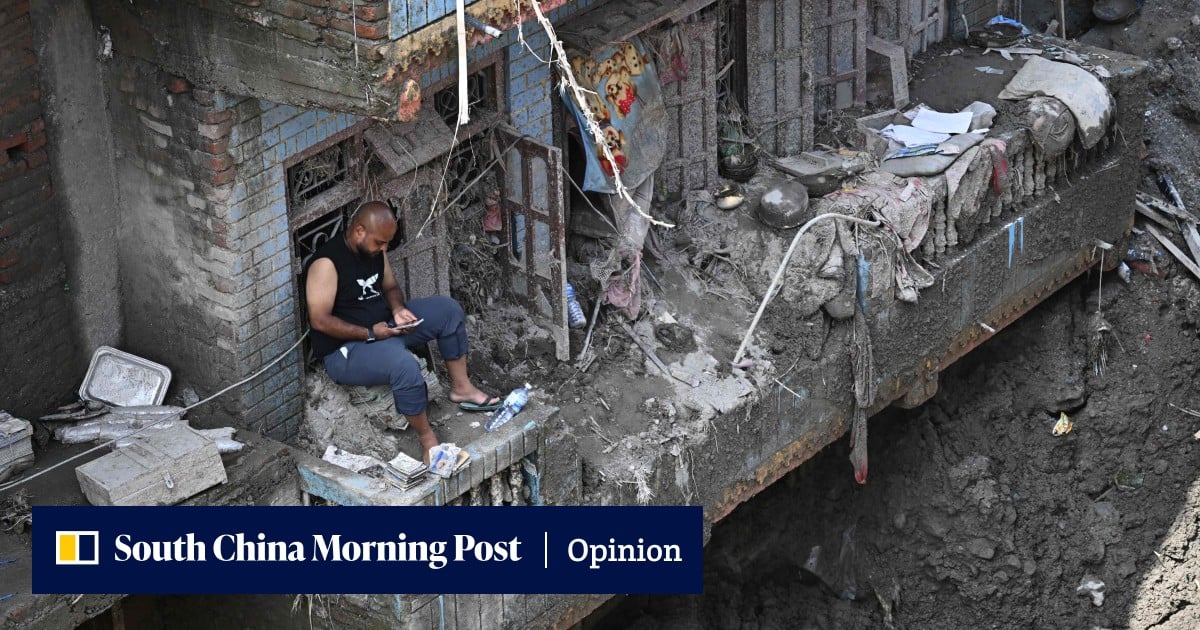
The Bhotekoshi flash floods, triggered by an ice-rock avalanche near the Nepal-Tibet border on August 26, devastated towns and villages in northern and central Nepal, killing over 1,400 people and leaving over 6,000 missing as of Friday (September 18, 2026).
asserted
floods → trigger → Friday
Experts believe many lives would have been saved if they had proper warning.
asserted
they → believe → warning
Speaking at a Constitution Day programme at Tundikel Open Ground on Saturday (September 19, 2026), PM Shah said, "Special emphasis will be laid on risk reduction, preparedness, and response.
asserted
emphasis → speak → reduction
The disaster early warning system will be implemented as a top priority."
asserted
system → implement → priority
PM Shah also expressed gratitude to all friendly nations, the international community and organisations, private sector, civil servants and the people of the country who assisted in disaster management, noting that the "loss and damage caused by the Bhotekoshi flood were unimaginable and irreparable for us”.
asserted
loss → express → us
Speaking about the country's economy, the Prime Minister said that the government would work to promote innovation and entrepreneurship and the creation of a knowledge-based economy by integrating artificial intelligence, digital technology and cyber security.
asserted
government → speak → intelligence
Citing the Digital Governance Action Plan, Mr. Shah said that the good governance demanded by the youth would also be ensured through technology.
asserted
governance → cite → technology
Stating that good governance, development, prosperity and social justice are the aspirations of citizens, he said, "The government's each step is, and will remain, directed towards realising these very aspirations."
asserted
step → state → aspirations
The Prime Minister said that competitive multi-party democracy, human rights and the rule of law are the foundations of national life.
asserted
democracy → say → life
"This Constitution has made one promise before the Nepali citizen that is building an equitable society based on unity amidst diversity, an end to all forms of discrimination, on development, prosperity and social justice," he said.
asserted
he → make → development
"The federal government is committed to achieving the shared goal of national development based on cooperation, coexistence, and coordination among the federal, provincial, and local levels," Mr. Shah said.
asserted
Shah → commit → levels
Eleven years ago, on Ashwin 3, 2072 (Bikram Sambat calendar), Nepal promulgated its new Constitution, which typically corresponds to mid-September on the Gregorian calendar.
asserted
which → promulgate → calendar
 The Aporia