That is 0 articles you have read today.
The Aporia is free and carries no advertising, so readers are the only
thing paying for it. If you are getting this much out of it, a small
donation is what keeps it independent.
Daily limit reached
You have read 0 articles today.
That is more than the 15 a day The Aporia gives away,
and well past what it can carry on nothing. Your allowance resets at
midnight.
There is no advertising here and nothing about you is sold, so readers
are the only thing paying for it. If the site is worth this much of
your day, it is worth a few dollars.
Everything else stays open: the
maps, the
directory and
search do
not count against this, and neither does re-opening something you have
already read today.
Iran's exports and trade are declining due to a US naval blockade in the Strait of Hormuz, leading Iran to shift focus to overland routes. However, this move has caused significant logistical issues, with thousands of cargo trucks stuck at borders with Turkey and Pakistan for up to 20 days, facing harsh conditions and delays. As a result, non-oil exports have dropped by nearly 30% to $15 billion since the start of Iran’s fiscal year, while oil exports are down to just 210,000 barrels per day in August, according to Vortexa. This decline is also impacting imports, with a reduction of about 25%, leading to higher prices and inflation within the country.
Written locally by qwen2.5:14b on 2026-09-18,
using this article's own text rather than the other coverage of the
same event (that is the story summary below).
Story summary
Iran's trade has significantly declined amid efforts to bypass US sanctions, leading to logistical issues such as a backlog of about 3,700 cargo trucks stuck at its borders with Turkey and Pakistan. Imports in Iran dropped to approximately $17 billion by August, marking a 25% decrease from the previous year. The situation has caused severe delays for truck drivers transporting goods like iron ore, cement, and gas, who are waiting up to 20 days to cross into Pakistan while enduring harsh conditions such as extreme heat and lack of basic necessities. Meanwhile, Iran's non-oil exports have also fallen due to these complications, exacerbating inflation in a country with a population of 92 million people.
Written for “Iran Trade Under US Blockade” on 2026-09-18,
grounded in this article and the 0 other(s) covering the same event.
Why this leaning score
The article's own words the score was based on. Each is quoted
verbatim and was checked against the article text before being
stored, so you can find it in the original.
-
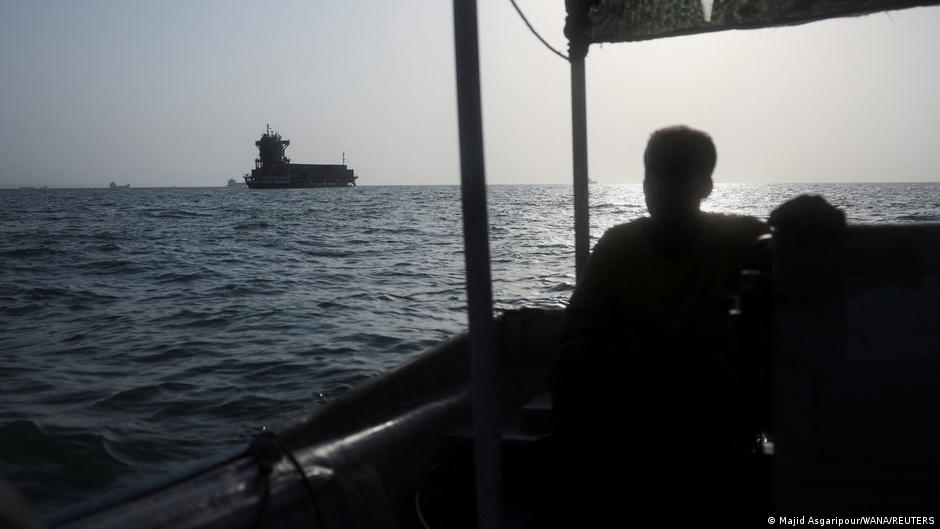
Iran’s exports and trade continue to plummet — even as it tries to circumvent the US blockade of the Strait of Hormuz by shipping oil and goods overland.
right attributes economic difficulties to US actions
-
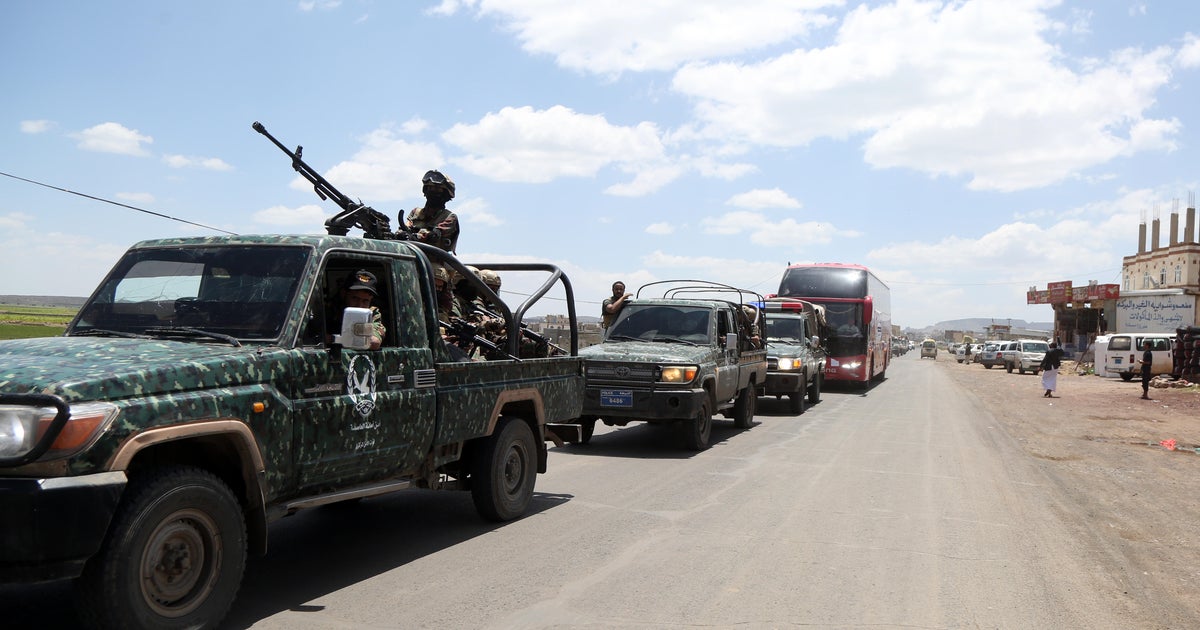
While the Islamic republic moved to bolster its land-based trade under pressure from the US naval blockade, the rush to do so has caused more than 3,700 cargo trucks to be stuck at its borders with Turkey and Pakistan
right blames US actions for Iran's economic difficulties
-
The self-inflicted wound as seen the drivers wait for up to 20 days to get through the border with their cargo of iron ore, cement and gas, all while suffering record high fuel prices themselves.
right criticizes Iran's handling of trade issues
-
Iran’s oil exports have also taken a dive, to just about 210,000 barrels a day in August, the lowest level since 2020 and nearly 10% of what it was before the war began
right attributes decline in oil exports to US actions
-
Iran’s hardliners have vowed that the country can outlast any economic pains inflicted on it as the regime and its terror proxies wreak havoc on oil and cargo transports on both sides of the Arabian Peninsula.
right criticizes Iran's response to sanctions
Leaning score +0.65 for article 17084 (high confidence, 5 verified quotes) · logged 2026-09-18
Claims extracted
14
claim-shaped sentences
Uncertain
21%
3 of 14 hedged
Leaning
Leans strongly right
of the writing, not the subject
Correction & hedging signals
59.2
corrections and hedging in what we collected;
not a measure of accuracy
Outlets on this story
1
Economy/Business
Narrative spread
1
articles carrying this framing
Iran’s exports and trade continue to plummet — even as it tries to circumvent the US blockade of the Strait of Hormuz by shipping oil and goods overland.
asserted
it → continue → oil
While the Islamic republic moved to bolster its land-based trade under pressure from the US naval blockade, the rush to do so has caused more than 3,700 cargo trucks to be stuck at its borders with Turkey and Pakistan, the semi-official Mehr News Agency reported.
asserted
Agency → move → Turkey
“Neither Iran is taking responsibility for the situation, nor is Pakistan allowing us to unload our cargo,” one driver claimed in a video posted by the Union of Truckers and Drivers Organizations Across Iran.
asserted
driver → take → Iran
The self-inflicted wound as seen the drivers wait for up to 20 days to get through the border with their cargo of iron ore, cement and gas, all while suffering record high fuel prices themselves.
asserted
drivers → inflict → prices
The truckers’ union said the drivers were also going days without access to food, water or sanitation as the workers also contend with 120-degree heat.
asserted
workers → say → heat
Iranian drivers are also facing trouble at the border with Iraq after temporarily closed terminals over the weekend due to the attack on Saudi Arabia’s pipeline from within Iraq’s borders.
asserted
drivers → face → borders
Iran’s non-oil exports fell by nearly 30% to just $15 billion as of Aug. 16, about five months into the Iranian calendar year, according to Tehran’s records.
uncertain
exports → fall → records
The regime had exported about $45 billion in non-oil goods during the previous fiscal year.
asserted
regime → export → year
Iran’s oil exports have also taken a dive, to just about 210,000 barrels a day in August, the lowest level since 2020 and nearly 10% of what it was before the war began, according to maritime intelligence firm Vortexa.
uncertain
war → take → Vortexa
The issues are also affecting Iran’s imports and leading to even higher prices for goods at a time when inflation is running rampant in the country of 92 million people.
Imports in Iran fell to about $17 billion as of August, about 25% less than what was reported in the same period last year.
asserted
what → affect → period
Mohammad Reza Khodarahm, an import-sector expert, warned that the bottlenecks on land, including constraints with Iran’s rail system to China, now accounts for nearly a third of the price for goods coming into Iran, Tehran’s economic paper Donya-e-Eqtesad reported.
asserted
paper → warn → Iran
Transits along the Caspian Sea have shot up by 70% in the past five months, with Tehran bringing in wheat, corn and cooking oil from Russia, the Wall Street Journal reported.
asserted
Journal → shoot → Russia
Meanwhile, its train hulls to eastern China are now operating every three to four days as opposed to its pre-war levels of only once-a-week, according to the Tehran Times.
uncertain
hulls → operate → Times
Iran’s hardliners have vowed that the country can outlast any economic pains inflicted on it as the regime and its terror proxies wreak havoc on oil and cargo transports on both sides of the Arabian Peninsula.
asserted
regime → vow → Peninsula
 The Aporia