This article reads
unscored
and hedges
0%
of its claims. Each row says how that neighbour differs.

Strait of Hormuz talks postponed due to Yemen events, says Iran
same event · 95%
Al Jazeera · 0.87 cosine similarity
⚖️ leaning not scored
🔴 6% hedged
1 of 16
📰 publisher trust 96
“Both articles report on the postponement of talks between Iran and Gulf states to discuss the Strait of Hormuz, citing related events in Yemen.”

Temporary Hormuz solution deferred as Iran-Arab summit falls through
same event · 95%
Al Jazeera · 0.85 cosine similarity
⚖️ Leans right
🔴 8% hedged
3 of 37
📰 publisher trust 96
“Both articles report on the postponement of a scheduled meeting between Iranian officials and Gulf states to discuss temporary routes in the Strait of Hormuz.”
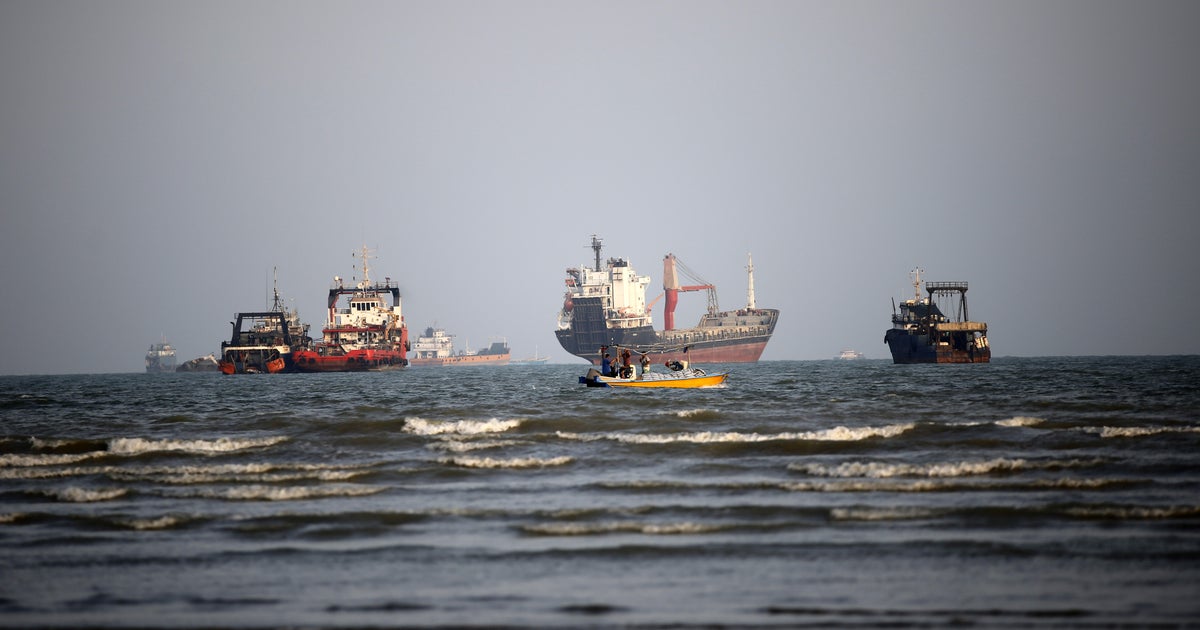
CBS News
⚖️ Leans right
🔴 26% hedged
21 of 82
📰 publisher trust 77
“Both articles report on the postponement of talks between Iran, Oman, and other regional countries regarding the Strait of Hormuz on the same day.”
Key leaders sound the alarm on AI. And, Iran-Gulf diplomacy hits a setback
different event · 95%
NPR
⚖️ leaning not scored
🔴 10% hedged
4 of 39
📰 publisher trust 59
“While both articles mention a setback in Iran-Gulf diplomacy, they describe different aspects of the issue: Article A mentions an overall setback without details, whereas Article B specifically reports on the postponement of talks regarding the Strait of Hormuz.”

US says it’s clearing Hormuz traffic: Why are oil futures beyond $100?
different event · 95%
Al Jazeera
⚖️ Leans left
🔴 23% hedged
9 of 39
📰 publisher trust 96
“The articles discuss different aspects of the situation in the Strait of Hormuz, with one focusing on US progress in reopening the strait and oil prices, while the other reports on postponed talks between Iran and Gulf states.”
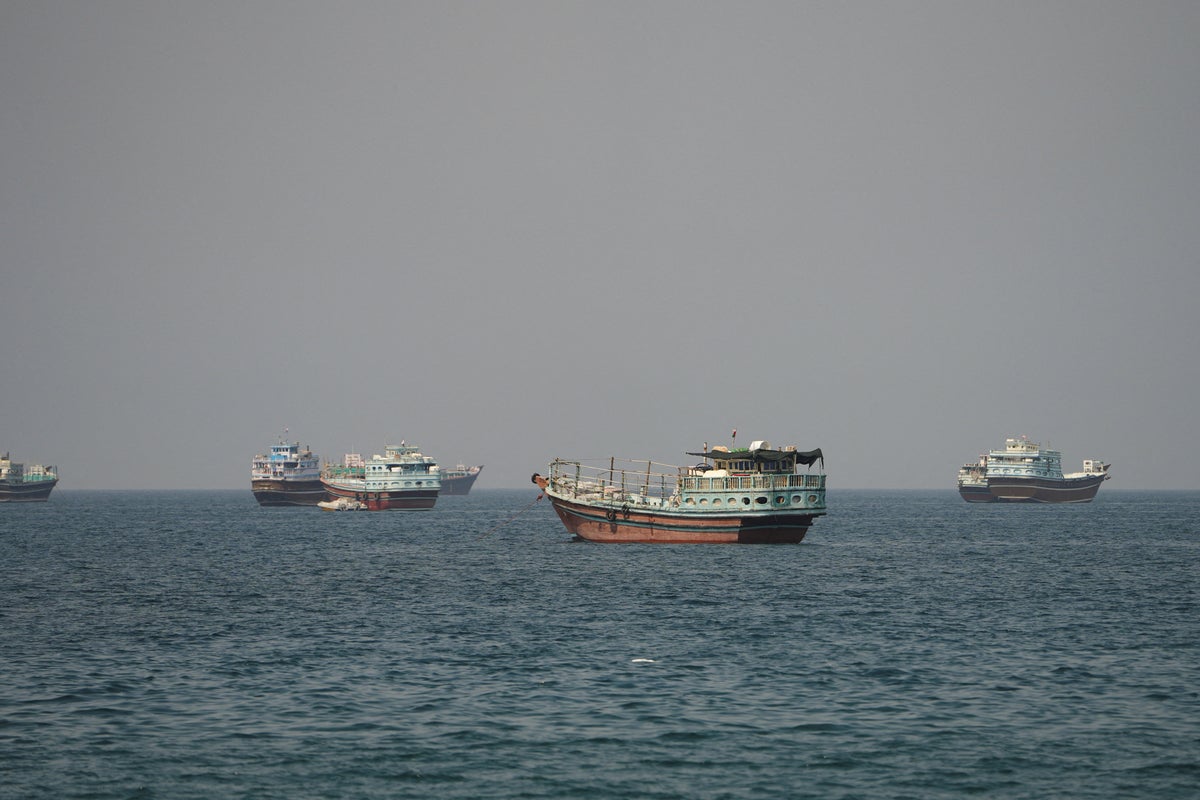
Iran-US war latest: Trump dodges blame for rising prices as he makes fresh claim on peace talks
same event · 95%
The Independent
⚖️ Leans right
🔴 4% hedged
2 of 51
📰 publisher trust 59
“Both articles report on the postponement of talks between Iran and Gulf states regarding the Strait of Hormuz, citing similar reasons and timing.”

Persian Gulf states call off meeting with Iran as Houthis launch new attack on Saudi Arabia
same event · 95%
CBC News
⚖️ leaning not scored
🔴 12% hedged
4 of 33
📰 publisher trust 95
“Both articles describe Persian Gulf states calling off a meeting with Iran on the same day, though they emphasize different aspects of the decision.”

Why Saudi Arabia’s East-West pipeline matters for global oil
different event · 95%
Al Jazeera
⚖️ leaning not scored
🔴 23% hedged
7 of 31
📰 publisher trust 96
“The articles discuss different events related to oil and regional tensions but do not describe the same specific incident.”

What the escalating war between Saudi Arabia and the Houthis means for Trump in Iran
different event · 95%
The Independent
⚖️ Leans left
🔴 6% hedged
3 of 47
📰 publisher trust 59
“The articles discuss different aspects of regional tensions, with Article A focusing on the postponement of talks about the Strait of Hormuz and Article B discussing Houthi rebels' actions in Yemen affecting Saudi Arabia's oil exports.”