President Trump faces a dilemma in the Iran conflict: while U.S. forces have disabled several Iranian oil tankers and secured some tactical victories, commercial shipping remains insecure and oil prices have surged above $100 per barrel. The article outlines five strategic priorities for addressing this situation, emphasizing the need to define clear objectives, establish secure maritime routes, involve major energy importers in support efforts, protect alternative transport methods like pipelines, and negotiate reciprocal restraint agreements with Iran through Oman's mediation.
Written by the local model on 2026-09-15,
using this article's own text rather than the other coverage of the
same event (that is the story summary below).
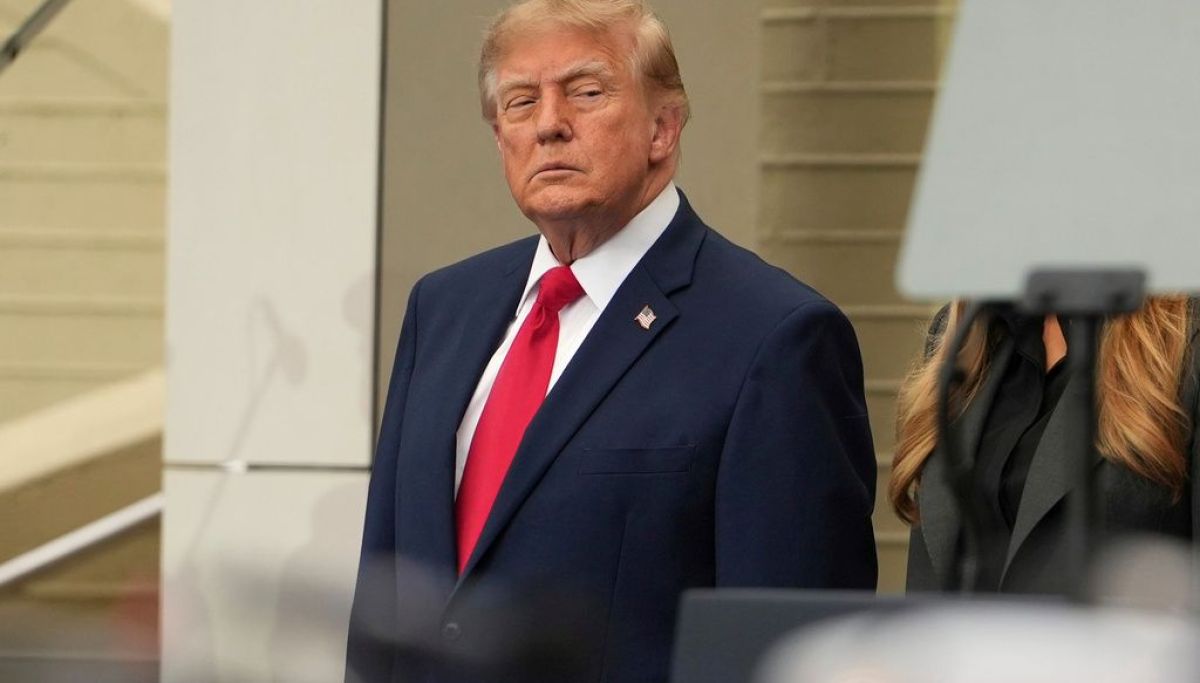
President Donald Trump does not need another demonstration that the United States can destroy Iranian assets.
asserted
States → need → assets
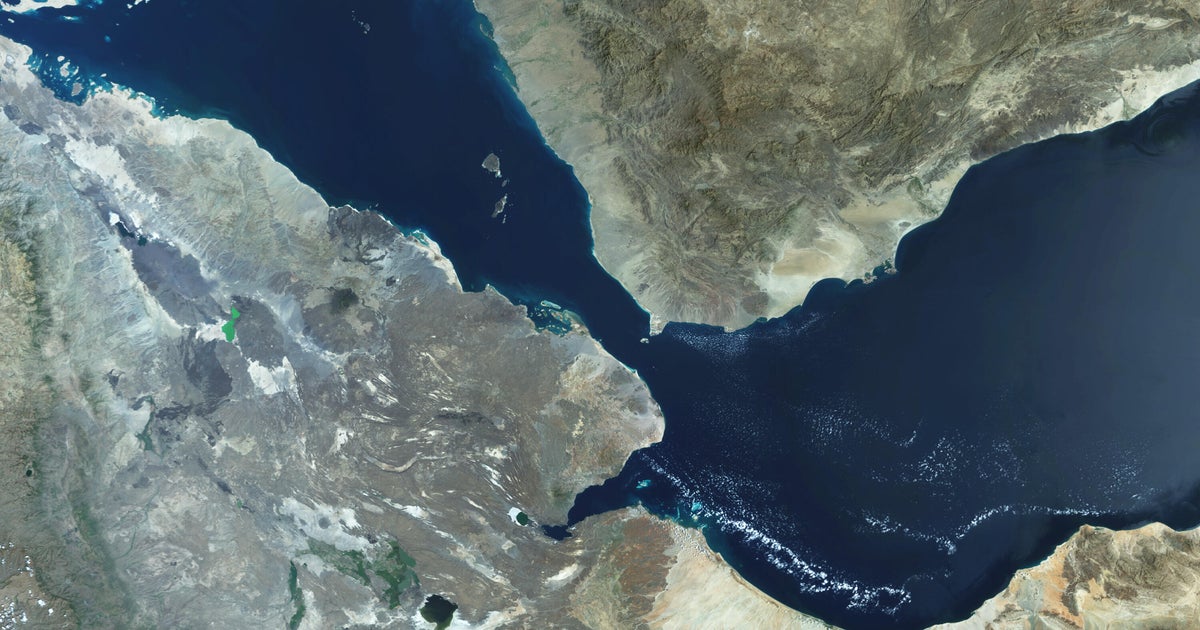
He needs a strategy that restores reliable passage through the Strait of Hormuz without making Americans pay for every new round of escalation.
asserted
Americans → need → escalation
After Iran targeted a U.S. warship and an American base in Jordan, U.S. Central Command said American forces disabled five Iranian crude carriers on Sept. 8.
asserted
forces → target → Sept.
Iran retaliated against shipping and threatened tankers near Gulf terminals.
asserted
Iran → retaliate → terminals
Brent crude then closed above $100 a barrel.
asserted
crude → close → 100
America is winning tactical encounters, but commercial traffic remains insecure, and the economic cost keeps rising.
asserted
cost → win → encounters
Trump should act on five priorities.
asserted
Trump → act → priorities
Washington should identify the Iranian actions that will trigger retaliation and the steps that would produce a pause.
asserted
that → identify → pause
Deterrence works best when both consequences and off-ramps are clear.
asserted
consequences → work → ?
The U.S. has reportedly restricted air-defense coverage for tankers to specific daily windows as nighttime attacks increase.
uncertain
attacks → restrict → windows
Washington should organize protected routes near Oman, backed by shared surveillance, mine-clearing capability, air defense, and rescue assets.
asserted
Washington → organize → surveillance
Gulf states, Britain, France, and other capable partners should provide ships, bases, radar, and port support.
asserted
states → provide → ships
Before the conflict, Hormuz carried about one-fifth of global petroleum consumption, with most crude traveling to Asian markets.
asserted
crude → carry → markets
Japan, South Korea, India, and other importers can contribute surveillance, financing, insurance support, or logistical access.
asserted
Japan → contribute → surveillance
China also depends heavily on this trade and should face diplomatic pressure to help secure it.
asserted
China → depend → it
Saudi and Emirati pipelines can bypass the strait, although they cannot replace normal Gulf exports.
asserted
they → bypass → exports
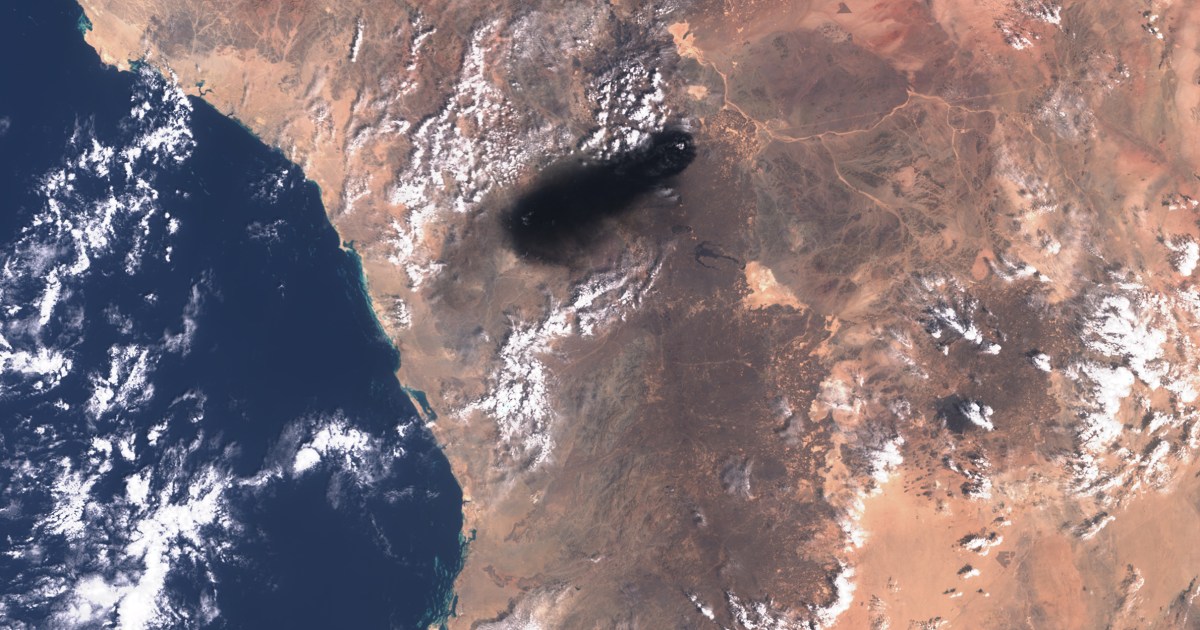
The attack that forced Saudi Arabia to shut its East-West pipeline shows that Iran and its partners understand their importance.
asserted
Iran → force → importance
Washington should help protect pumping stations and export terminals, speed repairs, and disperse replacement equipment.
asserted
Washington → help → equipment
The administration should also prepare a coordinated release of emergency oil stocks if physical shortages deepen.
asserted
shortages → prepare → stocks
Washington should support a verifiable interim arrangement under which Iran stops attacking and threatening commercial shipping while the United States pauses strikes against tankers not engaged in hostile operations.
asserted
States → support → operations
Violations would bring a defined response.
asserted
Violations → bring → response
Any agreement must reject Iranian sovereignty over the strait and an unrestricted Iranian right to collect transit fees.
asserted
agreement → reject → fees
This strategy also addresses the danger at home.
asserted
strategy → address → home
Diesel prices move through trucking, farming, construction, and food distribution, so the effects reach far beyond the gas pump.
asserted
effects → move → pump
A July Pew Research Center survey found that only 24% of Americans rated economic conditions as good or excellent, while concern about gasoline prices had risen sharply.
asserted
concern → find → prices
A prolonged Hormuz crisis would make foreign policy visible on every grocery receipt before the midterm elections.
asserted
policy → make → elections
Iran believes it can endure economic pain longer than American voters will tolerate rising fuel and food prices.
asserted
voters → believe → prices
Trump should answer with discipline: protect passage, share the burden, secure the bypass routes, and negotiate enforceable rules.
asserted
Trump → answer → rules
The measure of victory is not how many targets America destroys.
asserted
America → destroy → targets
It is whether ships move safely, energy prices fall, and the conflict ends on terms that protect American interests.
asserted
that → move → interests
Heyrsh Abdulrahman is a Washington-based senior intelligence analyst, Middle East security specialist, and former Kurdistan Regional Government official.
asserted
Abdulrahman → base → ?
His analysis focuses on Iran, Iraq, Kurdish affairs, and regional security.
asserted
analysis → focus → Iran
His work has appeared in The Hill, the Washington Examiner, The Washington Times, The Defense Post, The National Interest, and other international publications.
asserted
work → appear → Hill
 The Aporia