That is 0 articles you have read today.
The Aporia is free and carries no advertising, so readers are the only
thing paying for it. If you are getting this much out of it, a small
donation is what keeps it independent.
Daily limit reached
You have read 0 articles today.
That is more than the 15 a day The Aporia gives away,
and well past what it can carry on nothing. Your allowance resets at
midnight.
There is no advertising here and nothing about you is sold, so readers
are the only thing paying for it. If the site is worth this much of
your day, it is worth a few dollars.
Everything else stays open: the
maps, the
directory and
search do
not count against this, and neither does re-opening something you have
already read today.
Sen. Jon Husted (R-OH) plans to request a unanimous consent vote on Thursday for his Ratepayer Protection Act in the Senate, following its 417-3 passage in the House. The bill would require state regulators to establish standards for new data centers consuming over 100 megawatts of electricity to cover costs related to infrastructure upgrades. While receiving bipartisan support in the House, concerns from some Democrats about insufficient protections have raised challenges for Senate approval. Rep. Rashida Tlaib (D-MI) opposes the bill and advocates for a national moratorium on data center construction due to community impacts.
Written locally by qwen2.5:14b on 2026-09-17,
using this article's own text rather than the other coverage of the
same event (that is the story summary below).
Story summary
Sen. Jon Husted (R-OH) plans to request a unanimous consent vote on Thursday for his companion bill, the Ratepayer Protection Act, which aims to shield households from the energy costs associated with data centers. The House had already passed the bill in a 417-3 vote on Wednesday evening. Originally introduced by Reps. Gabe Evans (R-CO) and co-sponsored by Kathy Castor (D-FL), the act requires state regulators to establish standards for new data centers consuming over 100 megawatts of electricity, mandating these facilities cover costs related to new generation, transmission, and infrastructure upgrades. While receiving bipartisan support in the House, concerns raised by some Democrats, including Rep. Rashida Tlaib (D-MI), suggest potential difficulties for its passage in the Senate.
Written for “Data Center Energy Legislation Vote” on 2026-09-18,
grounded in this article and the 0 other(s) covering the same event.
Why this leaning score
The model judged this article politically coded and scored it +0.35, but every quote it verified points left, so the score is not published.
Written under an earlier scoring contract, which gave a paragraph
rather than checkable quotes. Re-analysing this article replaces it.
Leaning score withheld for article 16598: score contradicts its own evidence · logged 2026-09-17
The Senate is set to vote on a bill aimed at shielding households from the energy costs associated with data centers.
asserted
Senate → set → centers
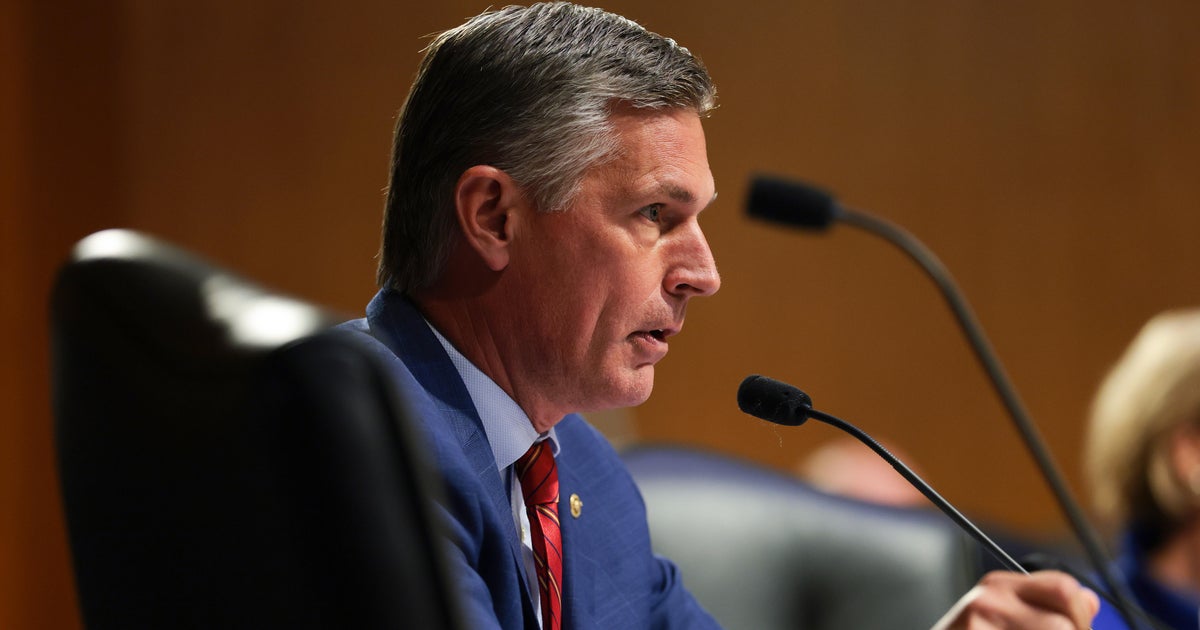
Sen. Jon Husted (R-OH) plans to request a unanimous consent vote Thursday afternoon on his companion bill, the Ratepayer Protection Act, shortly following the bill’s passage in the House.
asserted
Husted → plan → House
A unanimous consent vote is a fast-track way to pass a resolution by asking whether anyone objects, instead of taking a roll-call vote.
asserted
anyone → pass → vote
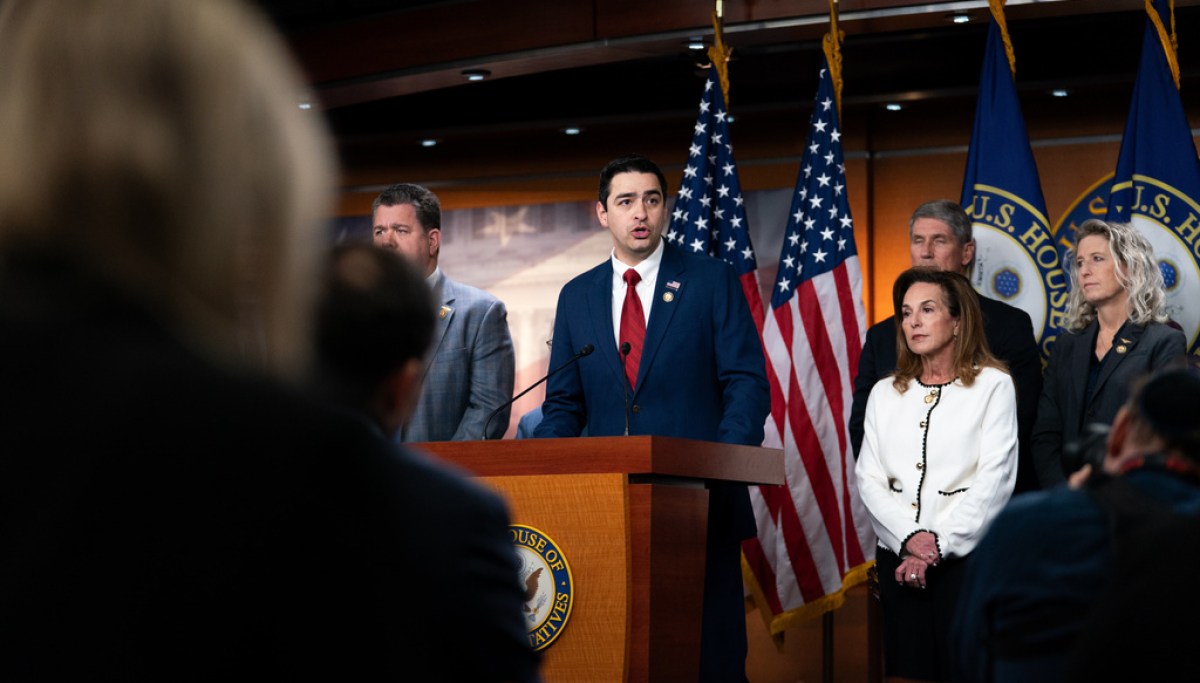
The Ratepayer Protection Act passed the House Wednesday evening in a 417-3 vote.
asserted
Act → pass → vote
It was originally introduced by Reps. Gabe Evans (R-CO) and co-sponsored by Kathy Castor (D-FL).
asserted
It → introduce → Castor
Husted introduced a companion bill in July.
asserted
Husted → introduce → July
The resolution would require state regulators to create standards for new data centers and hyperscalers that consume over 100 megawatts of electricity to cover the costs of new generation, transmission, and infrastructure upgrades.
asserted
that → require → generation
The bill in the House received bipartisan backing, but some Democrats have raised concerns that it does not go far enough to address issues related to data centers, which could make it challenging to pass in the Senate.
uncertain
it → receive → Senate
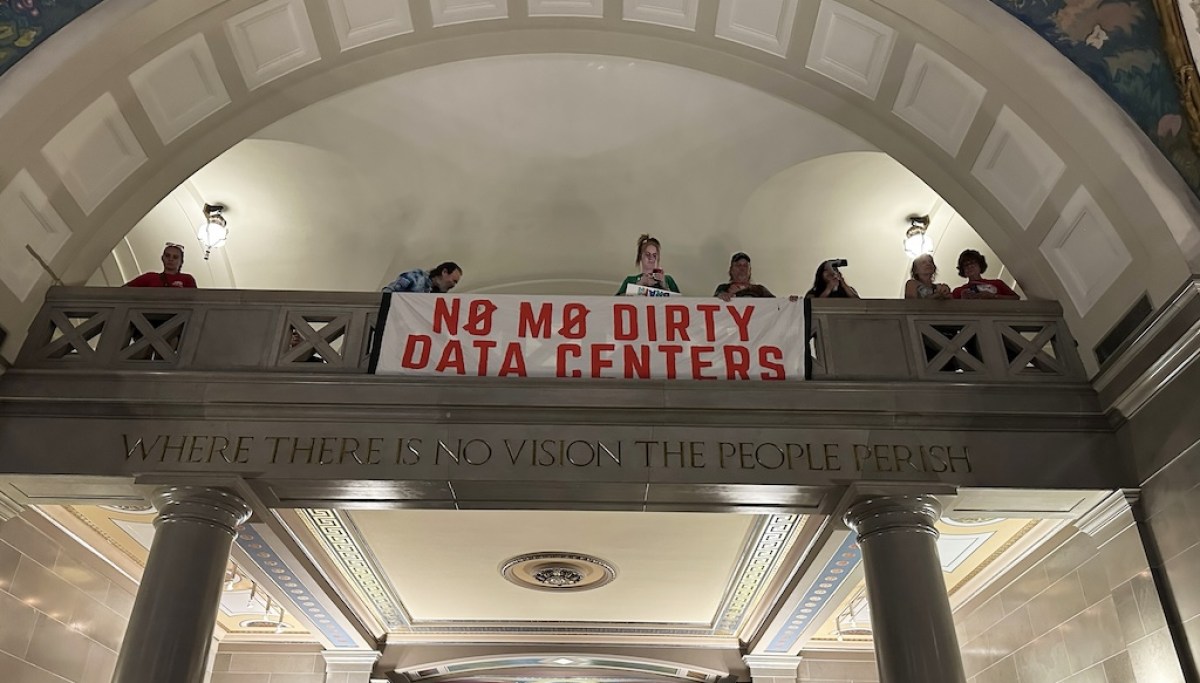
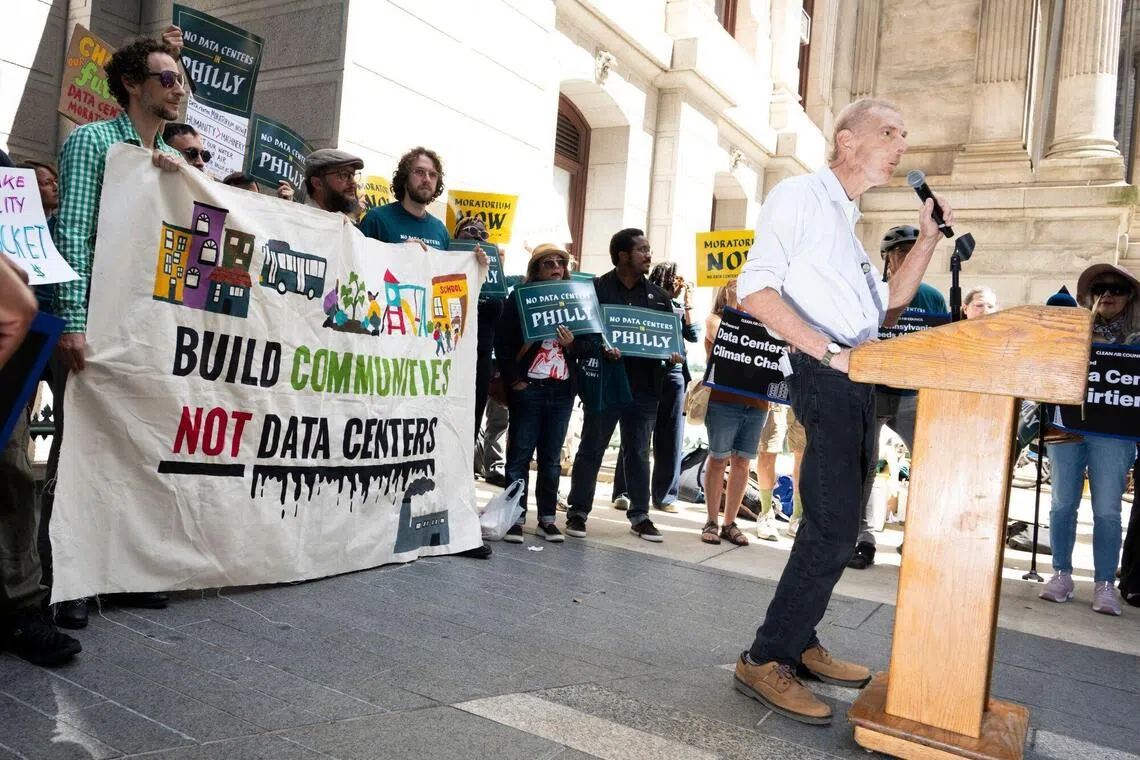
Rep. Rashida Tlaib (D-MI) wrote on X on Tuesday that she would vote against the bill because it “fails to meaningfully protect our communities.”
asserted
it → write → communities
She instead called for a national moratorium on data centers and to enact a data center prohibition on federal lands.
asserted
She → call → lands
Over the summer, Rep. Frank Pallone (D-NJ) also called for a ban on data centers, making him the highest-ranking Democrat to support a nationwide ban on data centers.
asserted
him → call → centers
Others who have called for a moratorium include Rep. Alexandria Ocasio-Cortez (D-NY) and Sen. Bernie Sanders (I-VT), who introduced a bill in March to pause new data center development while lawmakers work on artificial intelligence regulations.
asserted
lawmakers → call → regulations
Evans told the Washington Examiner on Wednesday that data center bans push buildouts overseas to China, making it more challenging for the United States to compete with Beijing.
asserted
States → tell → Beijing
“Tell me how that helps us stay course or beat China,” he said.
asserted
he → tell → China
“Just because something doesn’t get built in the United States doesn’t mean it doesn’t get built at all.”
asserted
it → build → States
The resolution mirrors the Trump administration’s White House ratepayer protection pledge, in which big tech, governors, utilities, and data centers pledge to prevent households from bearing the energy costs associated with data center construction.
asserted
tech → mirror → construction
 The Aporia