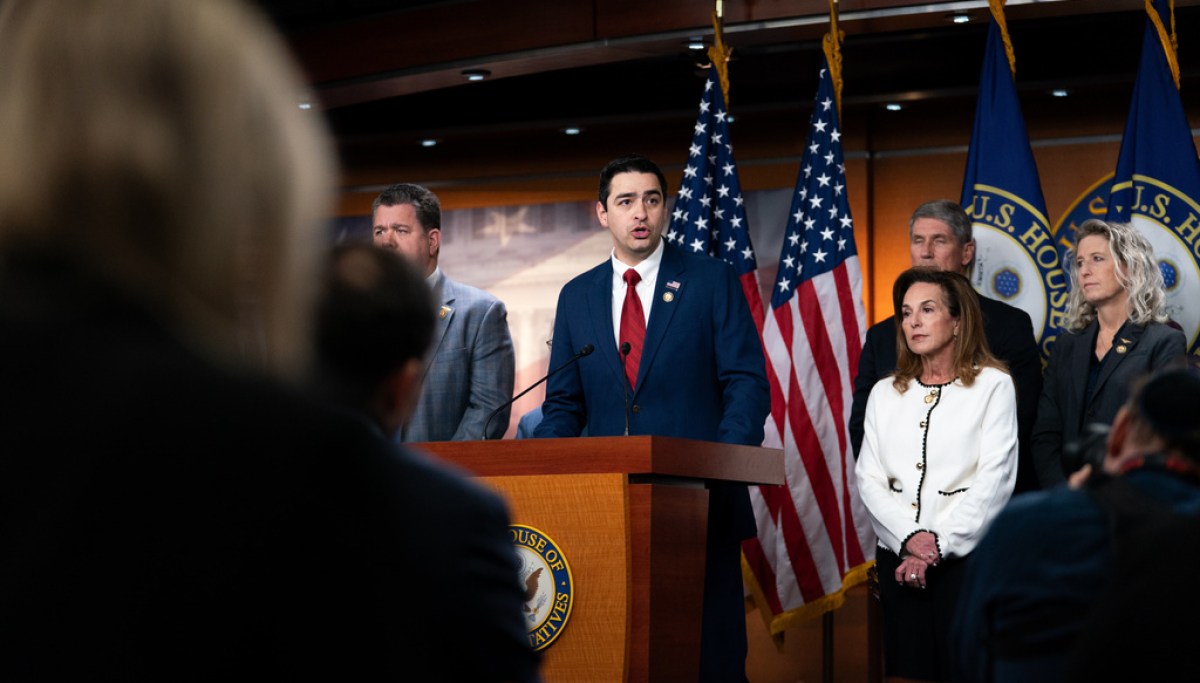
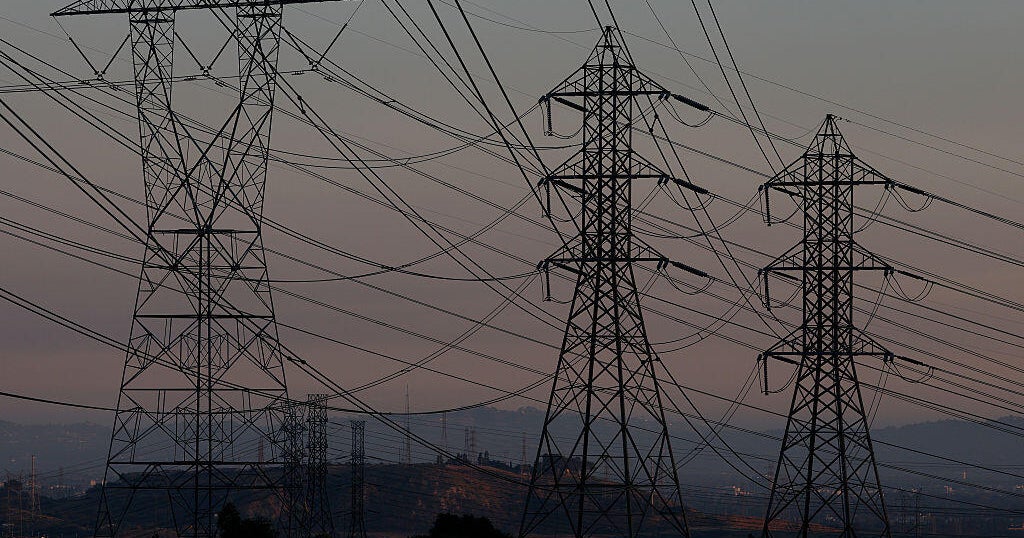
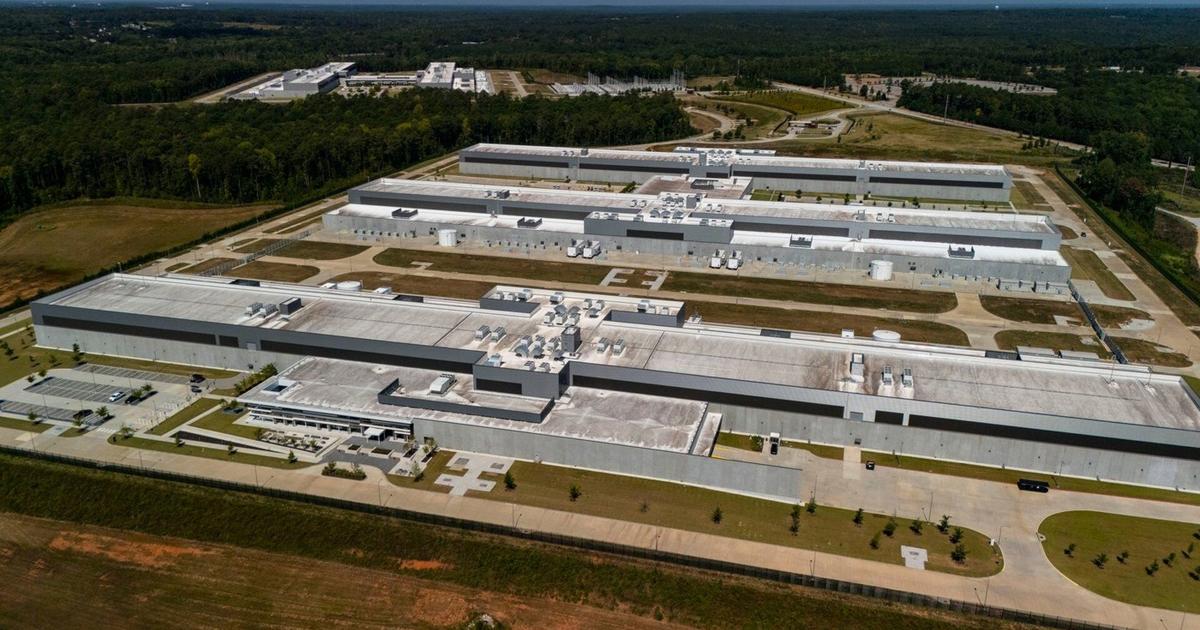
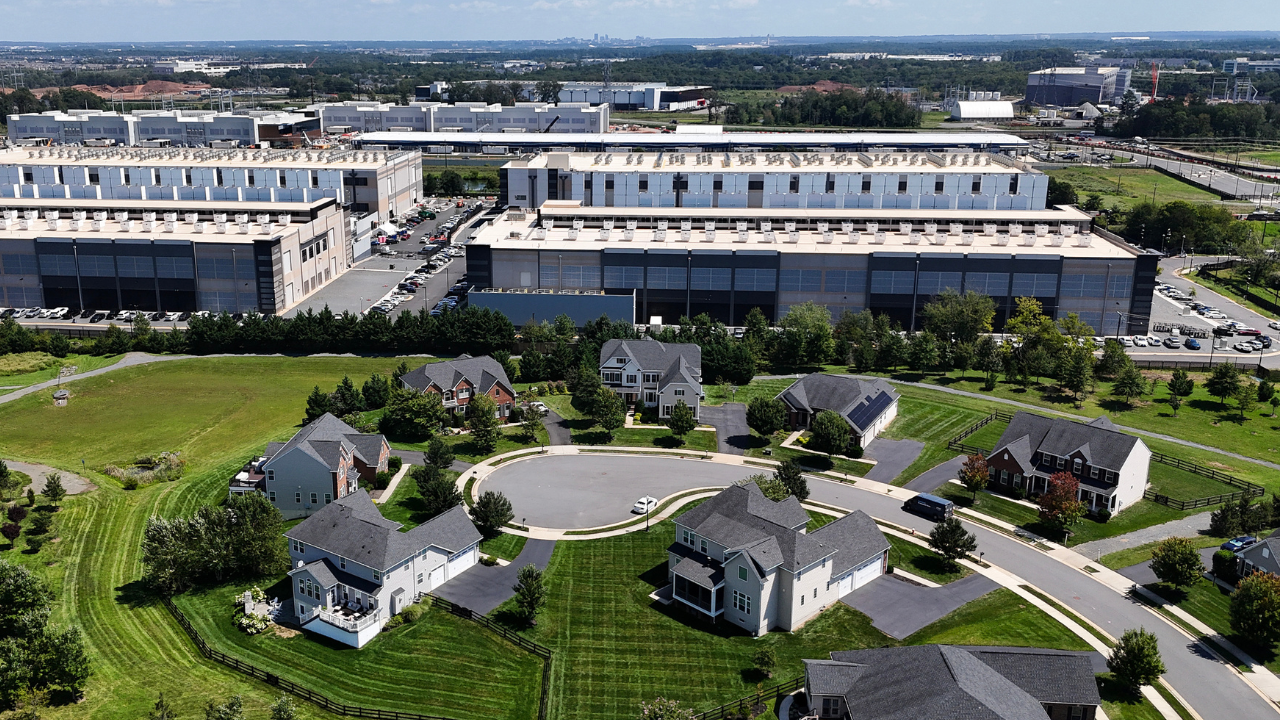
House passes bill to shield households from data center energy costs

Read the original at Washington Examiner ↗
Washington Examiner · collected 2026-09-17 · by Maydeen Merino

Quick Summary

The House of Representatives passed the Ratepayer Protection Act with a vote of 417-3, requiring data centers consuming over 100 megawatts of electricity to cover costs for grid and energy upgrades. Introduced by Reps. Gabe Evans (R-CO) and Kathy Castor (D-FL), the bill aims to protect households from rising energy prices but faces criticism from some Democrats who argue it does not go far enough in regulating data centers. Rep. Rashida Tlaib, among others, called for a national moratorium on data center construction due to concerns about environmental impacts and costs to local communities.
Written locally by qwen2.5:14b on 2026-09-17, using this article's own text rather than the other coverage of the same event (that is the story summary below).

AI analysis runs on qwen2.5:14b, locally

Story summary

The U.S. House of Representatives voted 417-3 on September 16, passing the bipartisan *Ratepayer Protection Act*. This act aims to shield households from rising energy costs linked to data center expansion by requiring state utility regulators to consider whether large electricity users like data centers should cover incremental infrastructure costs. The bill was introduced by Reps. Gabe Evans (R-CO) and Kathy Castor (D-FL). While the House passed it, similar legislation faces an uphill battle in the Senate before the November midterm elections. Environmental groups argue that the bill only addresses electricity costs without addressing broader concerns like water use and pollution. Despite this, the measure received broad bipartisan support as lawmakers sought to address growing constituent concerns over data center energy demands ahead of the elections.

Written for “Data Center Legislation Push” on 2026-09-18, grounded in this article and the 7 other(s) covering the same event.
Why this leaning score
The article's own words the score was based on. Each is quoted verbatim and was checked against the article text before being stored, so you can find it in the original.
Score -0.25 Confidence medium 2 quote(s) discarded as not found in the article
Leaning score -0.25 for article 14854 (medium confidence, 1 verified quote) · logged 2026-09-17

Signals How these are calculated →

Claims extracted
24
claim-shaped sentences
Uncertain
0%
0 of 24 hedged
Leaning
Leans left
of the writing, not the subject
Correction & hedging signals
96.1
corrections and hedging in what we collected; not a measure of accuracy
Outlets on this story
8
Politics
Narrative spread
1
articles carrying this framing
Analyzed 2026-09-17 · how these are computed

Story

📰 Data Center Legislation Push
Politics · 8 article(s) covering the same event. See how they differ ↓

How this is being covered How these are calculated →

Article leaning vs. publisher reliability
Source leaning vs. consistency

Compared with similar articles

This article reads leans left and hedges 0% of its claims. Each row says how that neighbour differs.
CBS News · 0.93 cosine similarity
⚖️ Leans right further right than this 🔴 17% hedged 4 of 23 📰 publisher trust 71
“Both articles describe the House passing the Ratepayer Protection Act with a vote of 417-3 on the same day.”
Toronto Star · 0.87 cosine similarity
⚖️ Leans left 🔴 0% hedged 0 of 3 📰 publisher trust 61
“Both articles report on the House passing the Ratepayer Protection Act with the same vote count, addressing data center energy costs.”
Fox News
⚖️ leaning not scored 🔴 0% hedged 0 of 25 📰 publisher trust 95
“Both articles describe the identical passage of the Ratepayer Protection Act in the U.S. House with a 417-3 vote on the same day.”
The Independent · 0.89 cosine similarity
⚖️ Leans left 🔴 14% hedged 2 of 14 📰 publisher trust 59
“Both articles describe the passage of the Ratepayer Protection Act in the House of Representatives on the same day with similar details.”
Semafor
⚖️ Leans right further right than this 🔴 0% hedged 0 of 18 📰 publisher trust 95
“The articles describe different legislative actions regarding data centers: one calls for reporting energy waste and the other passes a bill to shield households from data center energy costs.”
Fox News
⚖️ Leans left 🔴 13% hedged 3 of 23 📰 publisher trust 95
“The articles describe different legislative actions related to data centers: one discusses conflicting views on data center development in Congress, while the other reports on a bill passed by the House to protect households from energy costs associated with data centers.”
Washington Examiner
⚖️ leaning not scored 🔴 5% hedged 1 of 19 📰 publisher trust 96
“Both articles describe the passage of the Ratepayer Protection Act in the House of Representatives on the same day.”
Semafor
⚖️ Leans left 🔴 0% hedged 0 of 6 📰 publisher trust 95
“The articles describe different legislative actions: one is about presenting a comprehensive energy policy blueprint while the other reports on passing a specific bipartisan bill.”
The Straits Times
⚖️ leaning not scored 🔴 5% hedged 1 of 21 📰 publisher trust 59
“Both articles report on the House passing the Ratepayer Protection Act with a vote of 417-3 on September 16, 2026.”
CBS News
⚖️ leaning not scored 🔴 5% hedged 1 of 21 📰 publisher trust 71
“The articles describe different stages of the legislative process: one reports the House passing the bill while the other describes a Senate Democrat blocking it.”

Publisher

Washington Examiner · 504 article(s) · 0 correction(s) detected
No corrections detected for this publisher. That may mean careful reporting, or simply that nothing has been checked.

Who wrote this

Maydeen Merino
5 article(s) here · 1 carrying a prediction
🔮 The Senate is set to vote on a bill aimed at shielding households from the energy costs associated with data centers.
🔮 The House of Representatives passed a bipartisan bill that would require data centers to cover the cost of grid and energy upgrades, an effort to shield households from rising energy prices and allay rising fears among voters about the industry.
🔮 Today’s edition of Daily on Energy kicks off with an exclusive interview with Colorado Rep. Gabe Evans, the Republican behind the Ratepayer Protection Act which would codify standards for data centers to pay for their own power.
🔮 Each program will receive up to $1 million.
🔮 If you’re in the D.C. area, there will be a number of events happening throughout the city.
More on this subject from Maydeen Merino
Jon Husted set to call a floor vote on data center energy legislation
2026-09-17 · Washington Examiner · 66% similar
All 5 articles by Maydeen Merino →

Topics

China House The House of Representatives the Ratepayer Protection Act the United States

Subjects

China GPE · 4× U.S. GPE · 3× Evans PERSON · 2× House ORG · 2× the United States GPE · 2× Democrats NORP · 1× Gabe Evans PERSON · 1× Kathy Castor PERSON · 1× Rashida Tlaib PERSON · 1× The House of Representatives ORG · 1×

Narrative

Others who have called for a moratorium include Rep. Alexandria Ocasio-Cortez (D-NY) and Sen. Bernie Sanders (I-VT), who introduced a bill in March to pause new data center development as lawmakers work on regulations for artificial intelligence.
framing: assertive · carried by 1 article(s) · first seen 2026-09-17
🔮 The House of Representatives passed a bipartisan bill that would require data centers to cover the cost of grid and energy upgrades, an effort to shield households from rising energy prices and allay rising fears among voters about the industry.
2026-09-17 · Washington Examiner
House passes bill to shield households from data center energy costs · assertive framing

Claims (24 extracted, 0 hedged)

The House of Representatives passed a bipartisan bill that would require data centers to cover the cost of grid and energy upgrades, an effort to shield households from rising energy prices and allay rising fears among voters about the industry. asserted
that → pass → industry
On Wednesday, the House voted 417-3 to pass the Ratepayer Protection Act, which was introduced by Reps. Gabe Evans (R-CO) and Kathy Castor (D-FL). asserted
which → vote → Evans
The legislation would require state regulators to create standards for new data centers and hyperscalers that consume over 100 megawatts of electricity to cover the costs of new generation, transmission, and infrastructure upgrades. asserted
that → require → generation
“This bill does not impose a federal mandate,” Evans said in July. asserted
Evans → impose → July
“Instead, it offers a thoughtful federal standard for states to consider as they evaluate how best to integrate large loads.” asserted
they → offer → loads
Although the bill has bipartisan support, some Democrats voted no, arguing it does not go far enough. asserted
it → have → support
Rep. Rashida Tlaib (D-MI) wrote on X on Tuesday that she would vote against the bill because it “fails to meaningfully protect our communities.” asserted
it → write → communities
She instead called for a national moratorium on data centers and to enact a data center prohibition on federal lands. asserted
She → call → lands
Over the summer, committee ranking member Frank Pallone (D-NJ) also called for a ban on data centers, making him the highest-ranking Democrat to support a nationwide ban on data centers. asserted
him → rank → centers
Others who have called for a moratorium include Rep. Alexandria Ocasio-Cortez (D-NY) and Sen. Bernie Sanders (I-VT), who introduced a bill in March to pause new data center development as lawmakers work on regulations for artificial intelligence. asserted
lawmakers → call → intelligence
Evans dismissed that approach, arguing that moratoriums push data center buildouts overseas to China and make it more difficult for the United States to compete with Beijing. asserted
States → dismiss → Beijing
“Tell me how that helps us stay course or beat China,” he told the Washington Examiner in an interview. asserted
he → tell → interview
“Just because something doesn’t get built in the United States doesn’t mean it doesn’t get built at all,” he said. asserted
he → build → States
A companion bill was introduced by Sen. Jon Husted (R-OH) in July. asserted
bill → introduce → July
The legislation passed by the House is similar to the White House’s ratepayer protection pledge. asserted
legislation → pass → pledge
Through the pledge, tech giants such as Google, Microsoft, and Amazon vowed to secure their own power when constructing data centers. asserted
giants → vow → centers
The administration expanded the pledge in July, when several governors, data center developers, and utilities vowed to prevent households from bearing the cost. asserted
governors → expand → cost
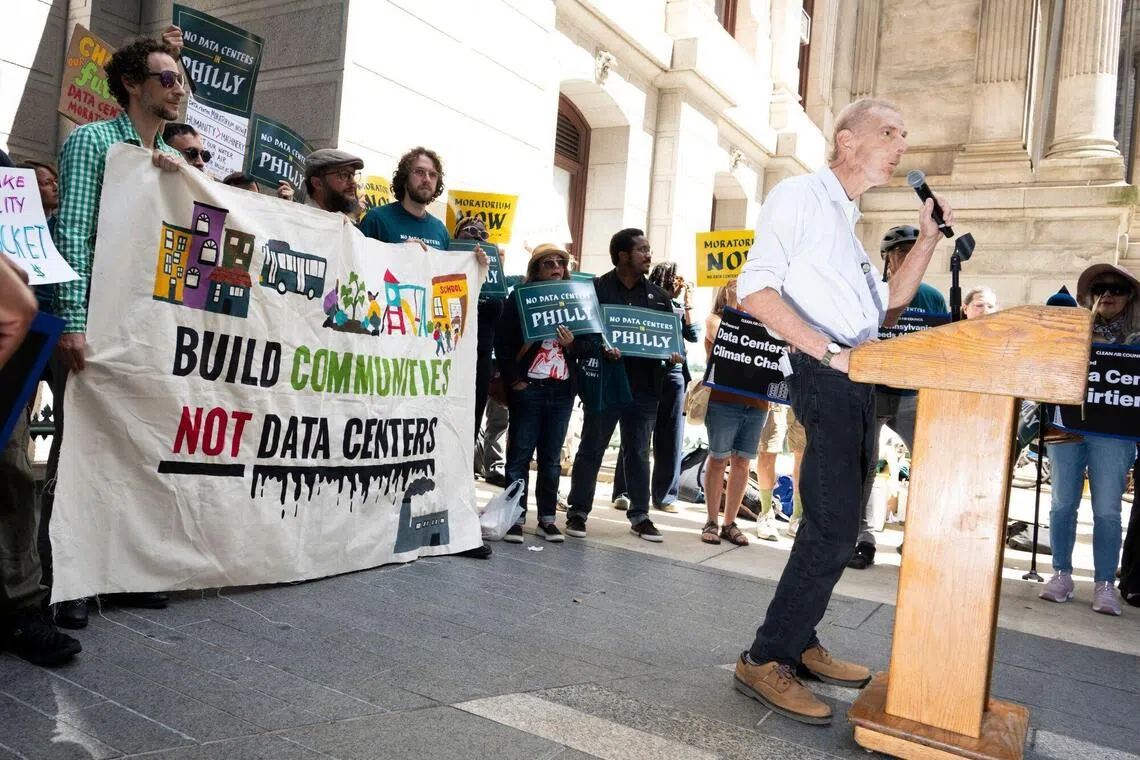
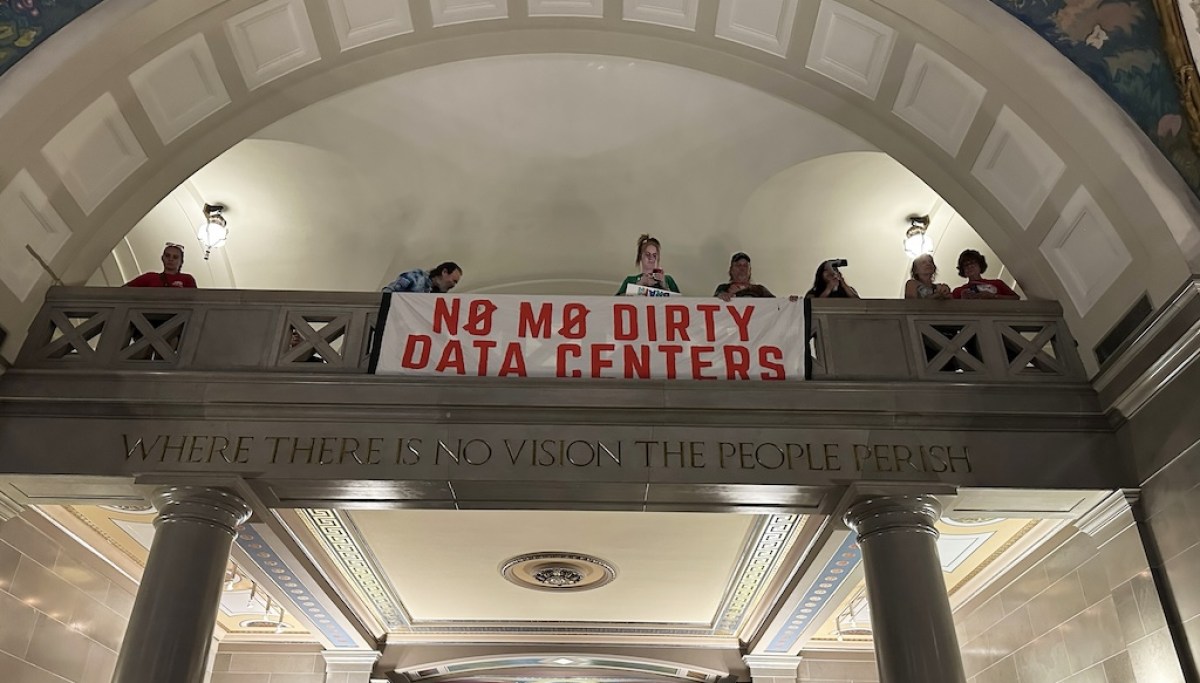
Data centers have engendered public opposition across the country due to worries about added electricity costs, strains on water supplies, and contributions to noise pollution. asserted
centers → engender → pollution
Lawmakers in the House Energy and Commerce Committee also plan to consider legislation to address water used by data centers. asserted
Lawmakers → plan → centers
Some Republicans have shifted their stance on data centers ahead of the November midterm elections, despite the Trump administration’s continued push to expand the AI facilities. asserted
Republicans → shift → facilities
President Donald Trump has argued it is essential for the U.S. to build out data centers to compete with China. asserted
U.S. → argue → China
The president earlier this week said the U.S. already has guardrails to regulate AI and data center companies, calling the public backlash against the AI facilities a “sick conspiracy.” asserted
U.S. → say → facilities
“The only control or ‘guardrails’ that AI needs is a STRONG AND SMART (High IQ!) PRESIDENT, and the U.S.A. has that, in spades!” he wrote on Truth Social. asserted
he → need → Social
Trump said the U.S. has “tremendous CRIMINAL and REGULATORY power” over AI companies, adding that this “SICK conspiracy” against AI and data centers makes China happy. asserted
China → say → AI

💬 Give feedback
🕘 History 🎫 Support