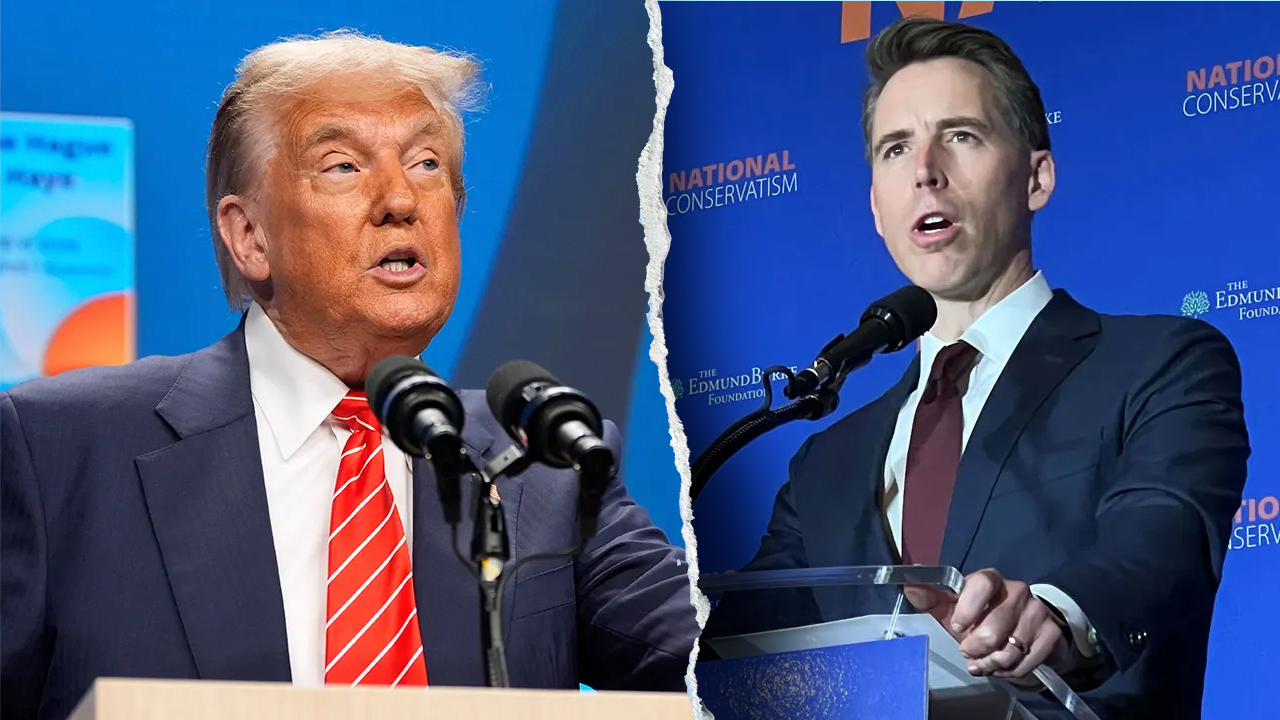
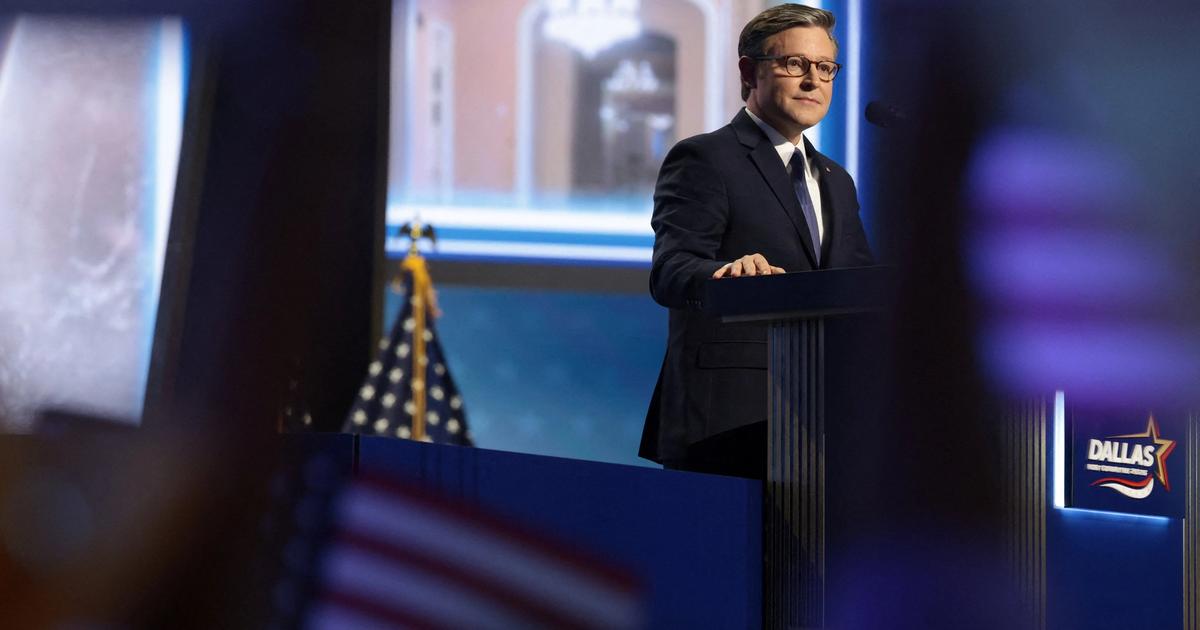
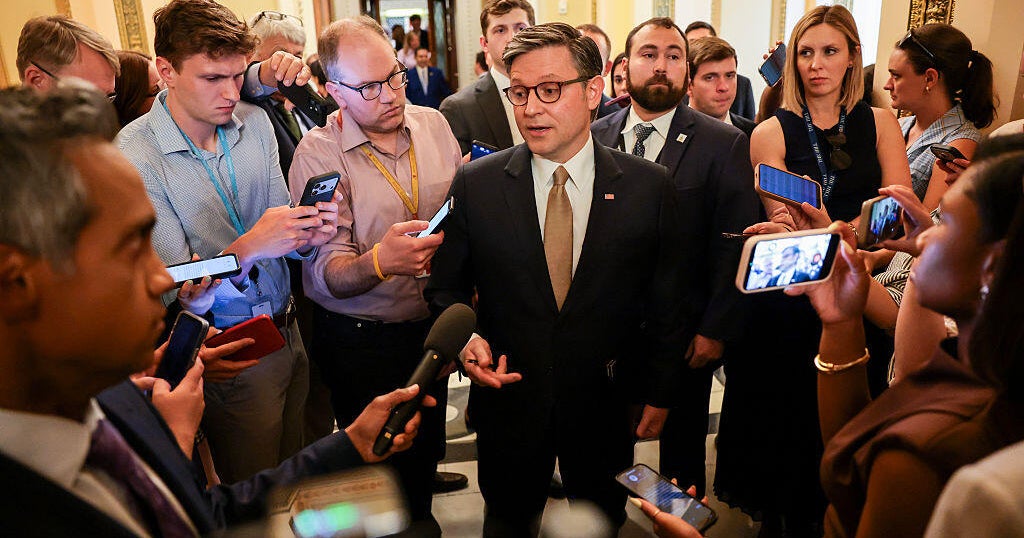
The House passed the Ratepayer Protection Act with a vote of 417 to 3, aiming to prevent data center energy costs from being added to Americans' electricity bills. The bipartisan bill requires tech companies to cover expenses for new power infrastructure serving data centers rather than passing them on to consumers. Introduced by Republican Representative Gabe Evans, the legislation responds to concerns over rising electricity consumption by U.S. data centers and seeks to ensure affordability and stability in energy costs as the AI industry expands rapidly.
Written by the local model on 2026-09-17,
using this article's own text rather than the other coverage of the
same event (that is the story summary below).
Story summary
On Wednesday, the U.S. House of Representatives overwhelmingly passed the Ratepayer Protection Act by a vote of 417-3, aimed at addressing rising energy costs linked to the expansion of artificial intelligence data centers. Introduced by Representative Gabe Evans (R-CO) and Kathy Castor (D-FL), the bill mandates state utility regulators to ensure large-load customers, including data centers, pay for new electricity infrastructure built specifically for them. Despite bipartisan support, environmental groups like Food & Water Watch argue that it fails to address broader concerns about water resources, pollution, and community impacts from data center construction. The legislation now moves to the Senate before November's midterm elections, where lawmakers face pressure to tackle affordability issues linked to AI infrastructure growth.
Written for “Data Center Energy Costs Bill” on 2026-09-17,
grounded in this article and the 5 other(s) covering the same event.
Why this leaning score
The article's own words the score was based on. Each is quoted
verbatim and was checked against the article text before being
stored, so you can find it in the original.
Leaning score +0.45 for article 15027 (high confidence, 2 verified quotes) · logged 2026-09-17
The House on Wednesday overwhelmingly passed legislation aimed at protecting Americans from shouldering the potential costs of data centers on their electricity bills.
asserted
House → pass → bills
The bipartisan Ratepayer Protection Act cleared the House in a 417 to 3 vote.
asserted
Act → clear → vote
House GOP leaders fast-tracked the bill, which required two-thirds majority support for passage.
asserted
which → track → passage
It now heads to the Senate.
asserted
It → head → Senate
Its passage comes as lawmakers are under pressure to address
that have been partly attributed to the data center boom driven by the AI race.
asserted
that → come → race
The bill was introduced by GOP Rep. Gabe Evans of Colorado, who is running in a competitive race.
asserted
who → introduce → race
Several Republicans facing tough reelection bids signed on as cosponsors in recent weeks, as affordability and AI issues are central themes in the 2026 campaign.
asserted
issues → face → campaign
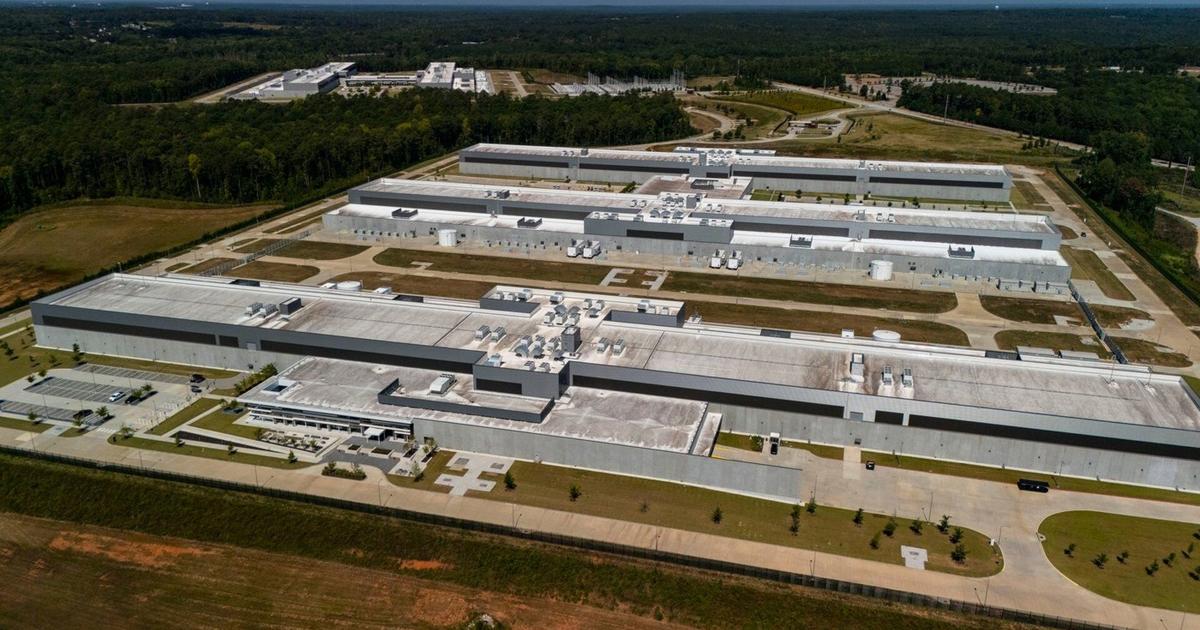
Evans' measure seeks to force tech companies to pay for the costs of the new energy infrastructure that serves the data centers, instead of passing costs on to consumers.
asserted
that → seek → consumers
It would encourage the state agencies that regulate utility companies to establish standards ensuring any "large-load customers" — including large-scale data centers — are billed for the cost of new electricity generation.
asserted
customers → encourage → generation
"AI companies have a serious responsibility to earn the trust of the communities they invest in and to be good neighbors.
asserted
they → have → communities
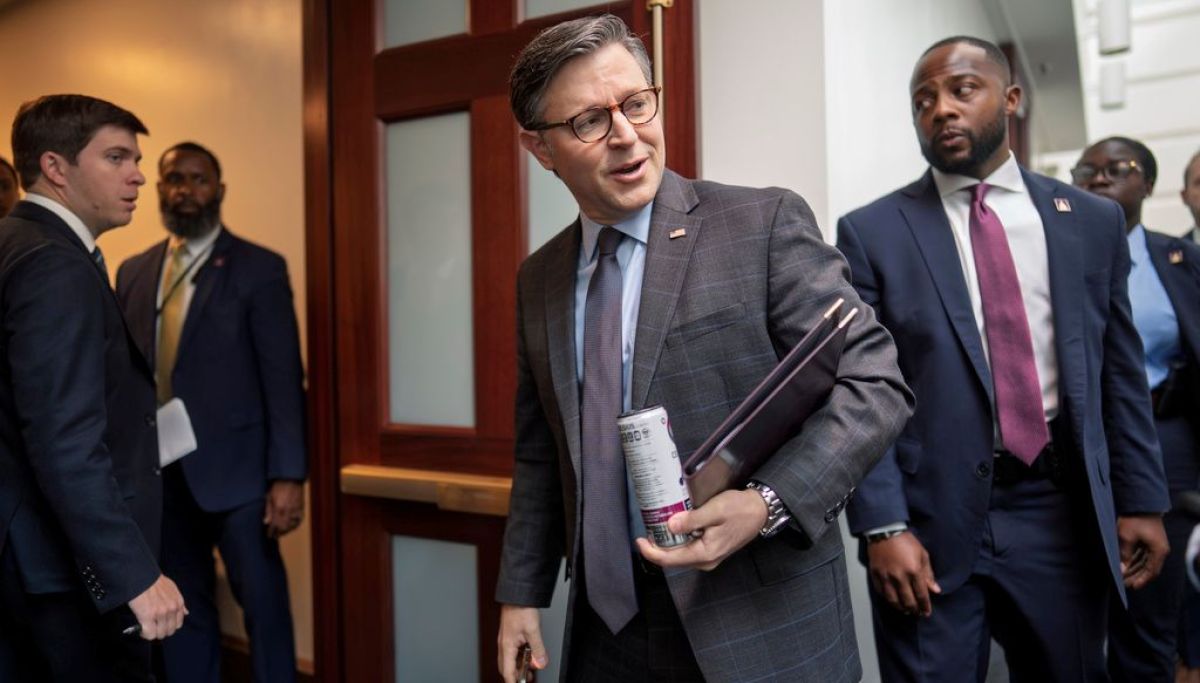
The Ratepayer Protection Act guarantees hardworking American families won't foot the bill for the buildout of AI infrastructure — or see their energy costs rise to pay for it," House Speaker Mike Johnson, a Louisiana Republican, said in a statement Wednesday night.
asserted
Johnson → guarantee → statement
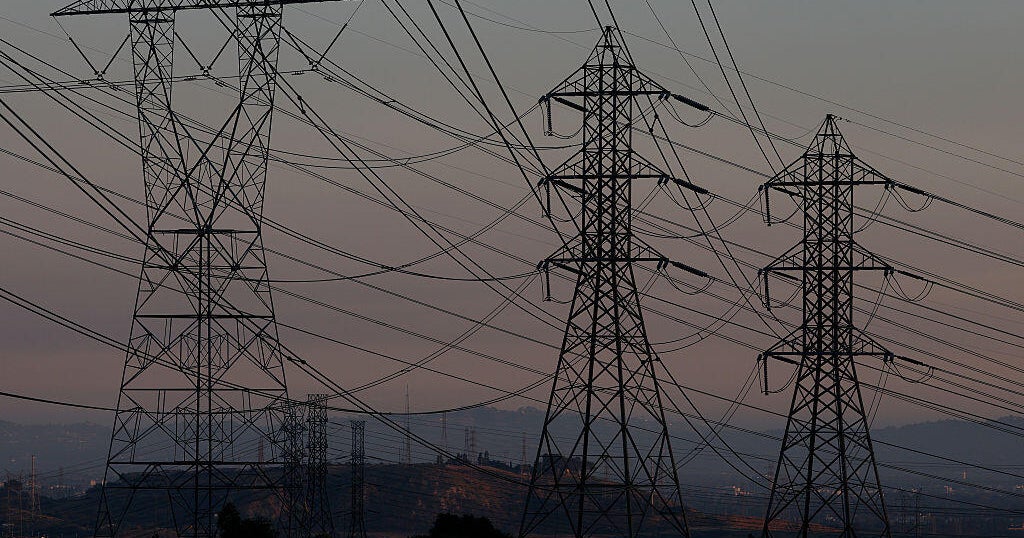
As the data center industry grows at a faster clip than the U.S.' capacity to generate electricity, fears have mounted about the pressure it could put on the power grid.
uncertain
it → grow → grid
The International Energy Agency estimated last year that electricity consumption by U.S. data centers could more than double from 2024 levels by the end of the decade.
uncertain
consumption → estimate → decade
Other estimates have found the facilities could gobble up more than 10% of U.S. power demand by 2030.
uncertain
facilities → find → 2030
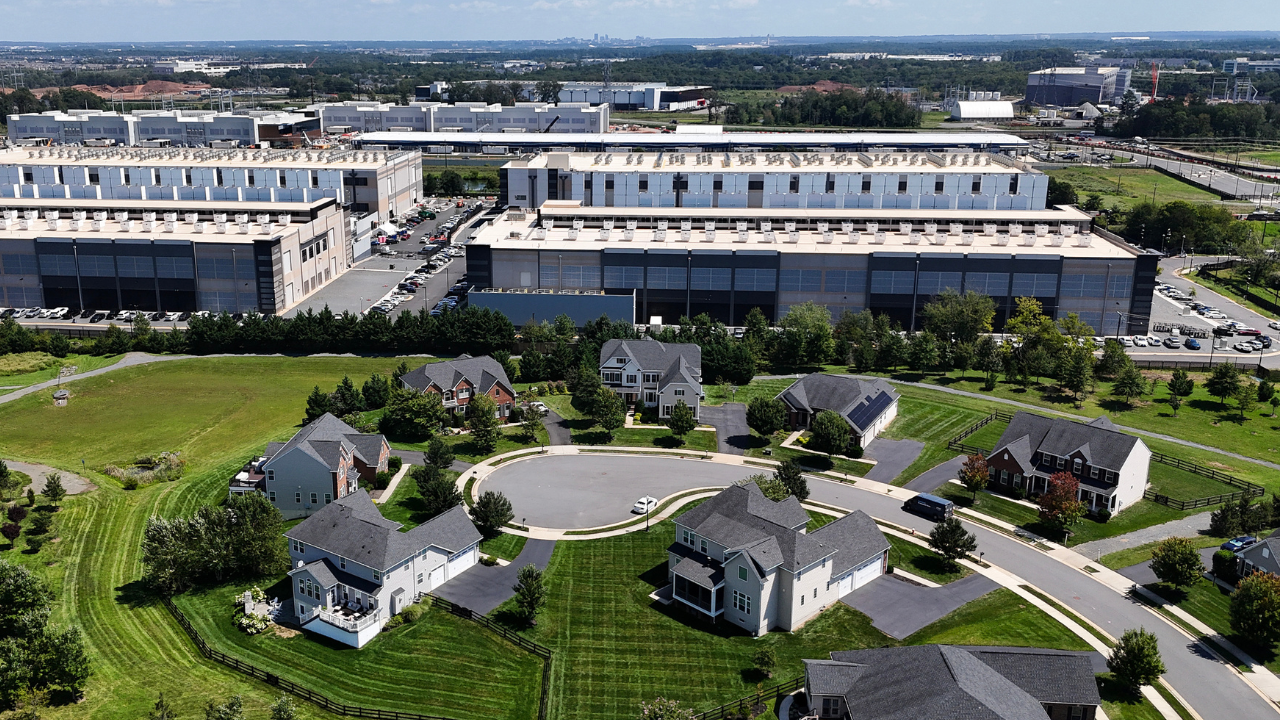
Those worries have prompted backlash against data center development at the state and local level and
for both parties nationally — adding to about the AI boom.
asserted
worries → prompt → boom
President Trump, who has largely backed the AI industry, has urged data center developers and tech firms to sign a pledge to build or purchase their own power supply.
asserted
who → back → supply
The White House says hundreds of utility companies have signed on to the pledge, along with dozens of data center operators and major AI companies.
asserted
hundreds → say → operators
House Minority Leader Hakeem Jeffries, a New York Democrat, on Monday called the legislation "a step forward" but said "more clearly needs to be done."
asserted
more → call → legislation
GOP Rep. Brett Guthrie of Kentucky, the chairman of the House Energy and Commerce Committee, said Tuesday that the legislation "takes action on behalf of our constituents so we may keep costs low while ensuring the U.S. leads in the next-generation economy."
uncertain
U.S. → say → economy
"As this industry continues to develop, I want to be absolutely clear that we need it to develop here at home and not in China," Guthrie said during floor debate.
Democratic Rep. Frank Pallone of New Jersey, the committee's ranking member, called the legislation "imperfect" and argued it "only addresses one small part of the puzzle."
"
asserted
it → continue → puzzle
Furious about what it means for their communities, for their jobs, or even for their lives.
asserted
it → mean → lives
And I want to promise that this bill is not the end of our focus on these issues.
asserted
bill → want → issues
It's only the beginning," Pallone said on the floor.
asserted
Pallone → say → floor
 The Aporia