On Thursday, Senator Martin Heinrich blocked a Republican-led bill in the Senate called the Ratepayer Protection Act, which had passed overwhelmingly in the House the day before with a 417-3 vote. The bill aimed to prevent tech companies from passing energy costs for data centers onto consumers by making them pay for new infrastructure costs. Heinrich argued that his own proposed GRID Savings Act offers more comprehensive protection against rising energy prices and environmental concerns, while Republican Senator Jon Husted emphasized the need for immediate relief for Americans facing higher costs due to data centers.
Written locally by qwen2.5:14b on 2026-09-17,
using this article's own text rather than the other coverage of the
same event (that is the story summary below).
Story summary
On Thursday, Sen. Martin Heinrich blocked a Republican-led effort to pass the Ratepayer Protection Act in the Senate, despite it receiving bipartisan support in the House with a 417-3 vote the previous day. The act aims to prevent tech companies from passing on energy costs related to data centers to consumers by requiring them to pay for new infrastructure expenses. GOP Sen. Jon Husted of Ohio attempted to advance the bill under unanimous consent, but Heinrich argued it did not address the issue comprehensively enough. Heinrich emphasized that Congress needs more substantial legislation and highlighted his own proposed bill, the GRID Act, indicating a divergence between parties on how best to tackle rising energy costs for American families.
Written for “Data Center Energy Costs” on 2026-09-18,
grounded in this article and the 0 other(s) covering the same event.
Why this leaning score
The model judged this article politically coded and scored it -0.50, but 2 quote(s) could not be found in the article and the other 2 are attributed speech rather than the article's own narration, so the score is not published.
Written under an earlier scoring contract, which gave a paragraph
rather than checkable quotes. Re-analysing this article replaces it.
Leaning score withheld for article 16822: no verified evidence · logged 2026-09-17
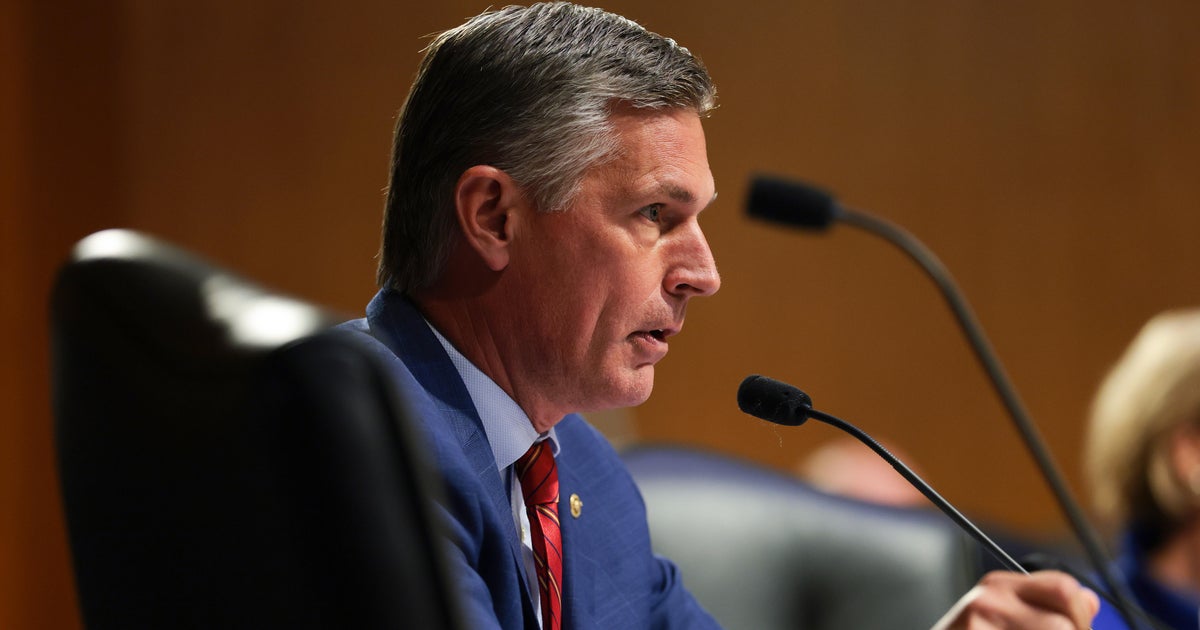
One Senate Democrat on Thursday scuttled a Republican-led effort to pass legislation aimed at shielding Americans from energy costs attributed to data centers, despite the bill securing widespread bipartisan support in the House a day earlier.
asserted
Democrat → scuttle → House
The measure, titled the Ratepayer Protection Act, seeks to force tech companies to pay for the costs of new energy infrastructure used for data centers, rather than passing costs on to consumers.
asserted
measure → title → consumers
It
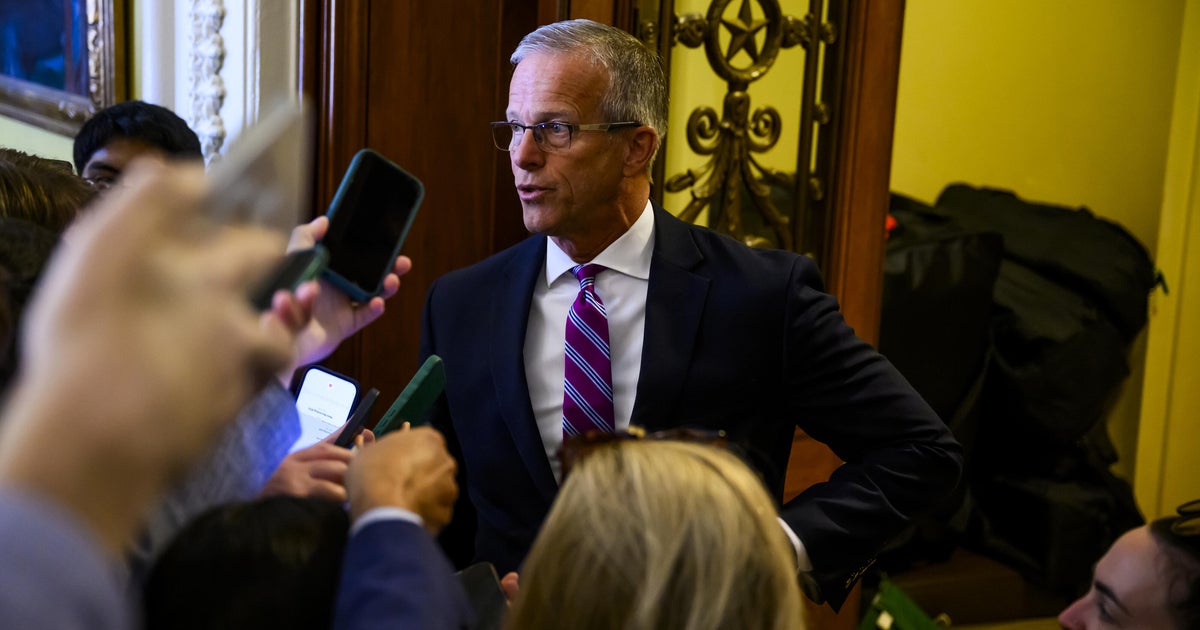
on Wednesday in a 417 to 3 vote.GOP Sen. Jon Husted of Ohio on Thursday sought to approve the legislation under unanimous consent, which gives any single lawmaker the power to block its passage.
asserted
which → on → passage
But Sen. Martin Heinrich of New Mexico, the top Democrat on the Senate Energy and Natural Resources Committee, opposed, arguing that the measure doesn't go far enough.
asserted
measure → oppose → Committee
"The senator from Ohio and I agree on one thing, AI data centers can mean higher costs for American families, and in a lot of places they already do," Heinrich said.
asserted
Heinrich → agree → places
"But the Ratepayer Protection Act falls short of what we need to do to respond."
asserted
we → fall → what
Heinrich said, "Congress needs to pass real legislation with real teeth," noting that he has introduced his own bill, titled the GRID Savings Act, aimed at preventing Americans from shouldering the electricity costs from data centers.
asserted
he → say → centers
"My bill is what is needed to start to bring down energy prices," Heinrich said.
asserted
Heinrich → need → prices
"We also need to do more to get data centers to actually engage with communities from the beginning to the end, and we need to conserve local resources, especially water.
asserted
we → need → resources
And we need to protect communities from air pollution by using clean energy and battery storage.
asserted
we → need → energy
But we're not going to get there with the bill that the senator from Ohio has proposed."
asserted
senator → go → Ohio
Heinrich then sought unanimous consent to pass his legislation.
asserted
Heinrich → seek → legislation
But GOP Sen. Bernie Moreno, Ohio's other senator, objected, lambasting Heinrich for blocking the House-passed effort that he said would have given Americans "immediate relief."
asserted
he → object → relief
"The term do-nothing Congress exists for a reason," Moreno said.
asserted
Moreno → exist → reason
"We absolutely accomplished that right now."
asserted
We → accomplish → that
The developments come as affordability issues have remained top of mind for voters as the midterm elections approach, along with new debates around data centers and AI.
asserted
elections → come → centers
A number of House Republicans running in tight races signed on to the bill as cosponsors in recent weeks.
asserted
number → run → weeks
And Husted, who is running in a competitive race in Ohio against former Sen. Sherrod Brown, has spearheaded the effort in the Senate.
asserted
who → run → Senate
Husted has faced scrutiny for his previous support for data centers, a key issue in the Ohio Senate race.
asserted
Husted → face → race
His opponent has hammered him on the issue, and the Senate GOP campaign arm warned in a memo last month that more than anything else, the data center issue is the "anchor hanging around Husted's neck."
asserted
issue → hammer → neck
When he sought unanimous consent to pass the measure Thursday, Husted said it represents "the most meaningful, bipartisan step Congress could take to protect the American people from higher prices for electricity."
"It is a shame that this opportunity has been missed today," Husted said.
uncertain
Husted → seek → electricity
 The Aporia