WHAT’S HAPPENING TODAY:
asserted
WHAT → happen → ?
The Milwaukee Brewers took home their first World Series title in franchise history last night, defeating the Tampa Bay Rays in just five games.
asserted
Brewers → take → games
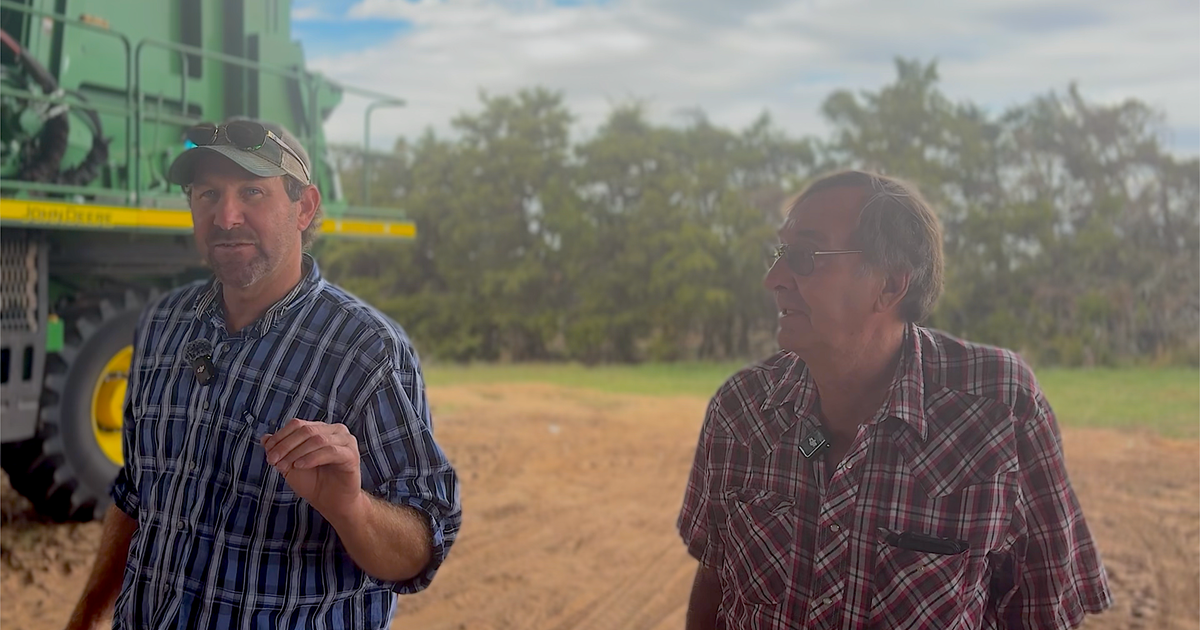
In today’s newsletter, Maydeen spoke with the Missouri Farm Bureau on how farmers are dealing with high fuel costs and whether recent administration actions are translating to lower prices.
asserted
actions → speak → prices
If a friend sent this to you and you’d like to sign up, click here.
asserted
you → send → you
If signing up doesn’t work, shoot us an email, and we’ll add you to our list.
asserted
we → sign → list
Recommended Stories
FUEL COSTS KEEP SQUEEZING FARMERS DESPITE ADMINISTRATION PUSH TO CURB PRICES:
asserted
COSTS → keep → PRICES
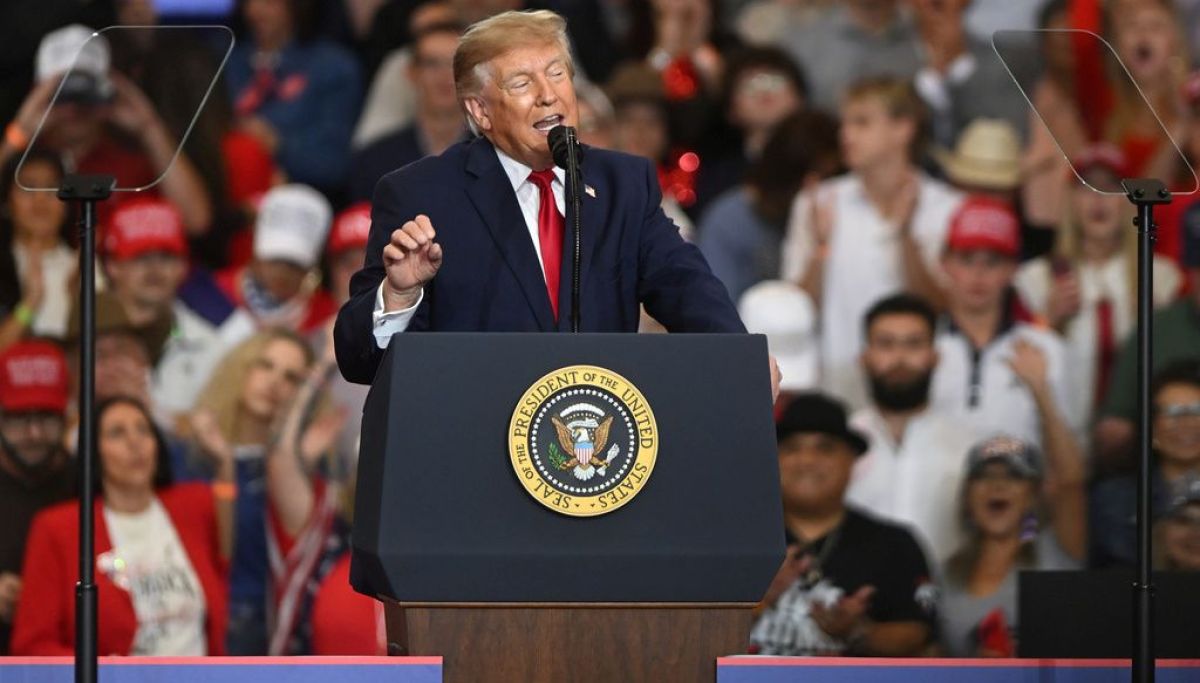
Farmers continue to feel the squeeze of high fuel costs, which are driving up operating expenses despite the Trump administration’s efforts to bring down prices.
asserted
which → continue → prices
Missouri Farm Bureau President Garrett Hawkins told Maydeen that it is costing nearly twice as much to harvest this season.
asserted
it → tell → season
“Everything is tied back to energy,” Hawkins said.
asserted
Hawkins → tie → energy
“The reality is the cost of doing business is greater right now, and that happens when fuel costs go up.”
asserted
costs → do → business
For example, Hawkins said his bill for feed delivery to his farm increased last month due to a higher fuel surcharge.
asserted
bill → say → surcharge
As part of the Trump administration’s efforts to alleviate fuel costs, the president earlier this month signed an order to allow for greater access to tax-exempt red dyed diesel.
asserted
president → alleviate → diesel
The fuel is typically reserved for off-road uses like farm equipment.
asserted
fuel → reserve → equipment
Thirty-one states so far have temporarily allowed for greater access to dyed diesel.
asserted
states → allow → diesel
Secretary of Agriculture Brooke Rollins today urged the remaining states to take similar action and relax restrictions on dyed diesel.
asserted
Rollins → urge → diesel
Politico also reported that Rollins is asking states that have already loosened restrictions on dyed diesel to extend their waivers until at least Dec. 31.
asserted
that → report → Dec.
Hawkins noted that not every farmer will take advantage of using red dyed diesel for on-road uses because traces of dyed fuel may remain in a truck for some time.
uncertain
traces → note → time
“There is uncertainty as to how long remnants of the dyed diesel stay in the fuel tanks,” he said.
asserted
he → be → tanks
“People have been asking for clarity around how long will regulatory deference be given, knowing that if you do use it on road, that is going to take a few more tanks to clear that dyed diesel out of the fuel system.”
asserted
that → ask → system
The Trump administration has also announced an $8 billion Harvest Fuel Relief Program in an effort to help offset rising fuel prices and other input costs.
asserted
administration → announce → prices
USDA is set to release more details on how it plans to distribute the funding.
asserted
it → set → funding
Hawkins noted it will only apply to the row crop sector – for instance, those hauling livestock will not qualify.
asserted
those → note → livestock
USDA has noted that other eligible commodities will be announced at a later date.
asserted
commodities → note → date
“Certainly, it is a positive move that they recognize that there is a challenge.
asserted
they → recognize → ?
It continues to be a challenge when we talk about just the farm economy, because clearly we have seen other forms of assistance,” Hawkins said.
asserted
Hawkins → continue → assistance
“We’re in year three, year four of some farms being in the red on their balance sheet, so certainly this will help.
asserted
this → ’re → sheet
It isn’t going to solve the problem though, and everyone knows that,” he added.
asserted
he → go → that
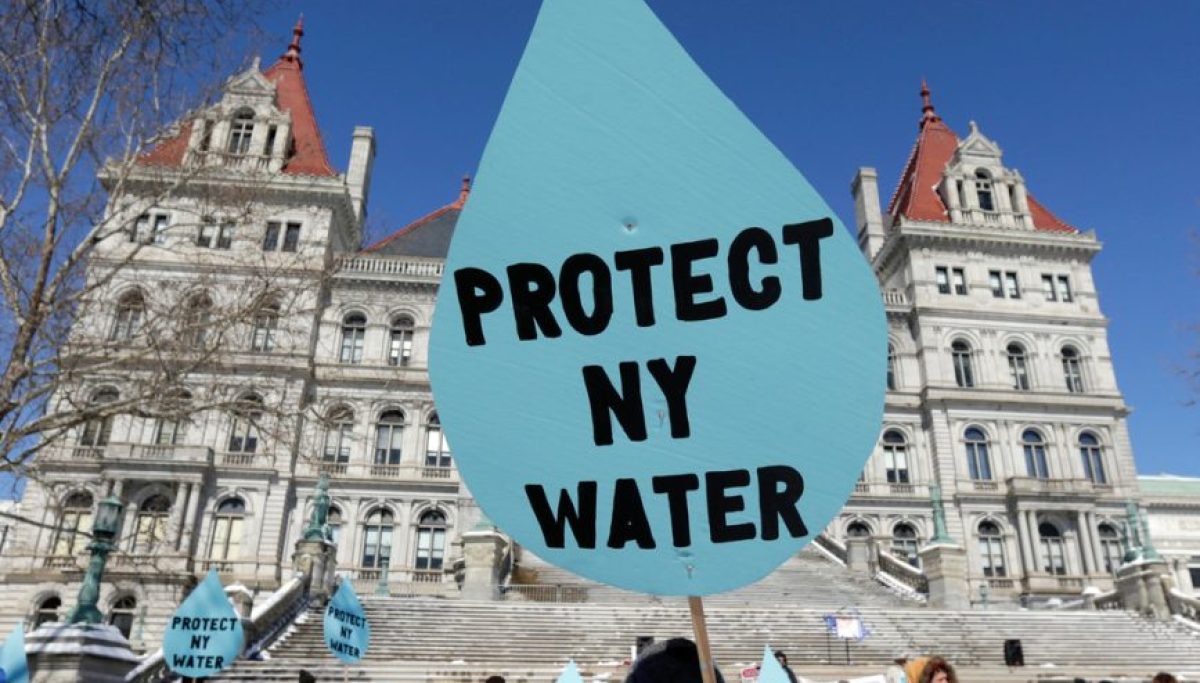
Over the last few weeks, we have written a lot about what provisions are in the Senate’s bipartisan permitting package and how activists within the environmental and climate movements view the bill.
asserted
activists → write → bill
But what would the legislation look like in practice?
asserted
legislation → look → practice
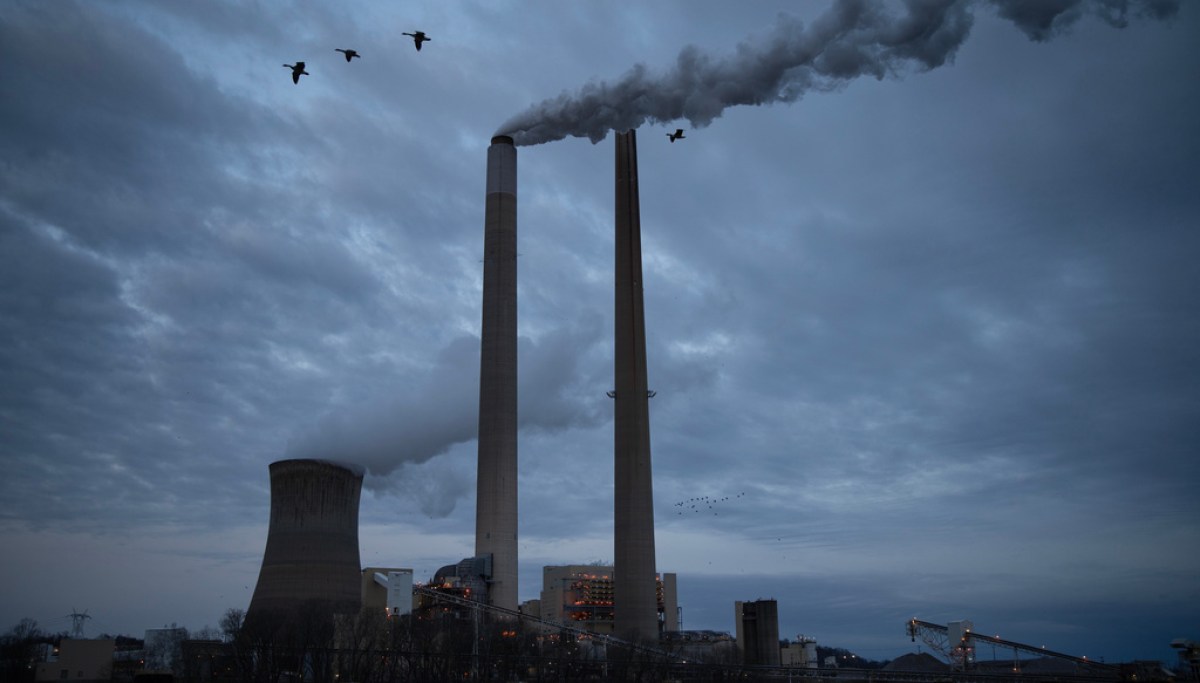
Resources for the Future, a nonpartisan environmental think tank, released modeling this morning on the effects of the bill – as written – on emissions and electricity prices.
asserted
Resources → release → emissions
The analysis forecasts that the legislation would support a “robust expansion” of the U.S. electric grid, including the construction of long-distance transmission lines.
asserted
legislation → forecast → lines
Specifically, RFF estimates that overall transmission capacity in the U.S. would increase by 30%.
asserted
capacity → estimate → %
And due to this increased transmission, RFF estimates that the policy would lead to significant deployment of clean energy resources: roughly 60 gigawatts more in 2028.
asserted
policy → increase → 2028
The group acknowledged that the bill would result in more natural gas generation in the short-term, but less long-term, relative to current trends.
asserted
bill → acknowledge → trends
Similarly, compared to current trends and conditions, RFF estimated that BAAJA would result in a decline of roughly 1.8 gigatonnes of carbon dioxide emissions.
asserted
BAAJA → compare → emissions
It’s also worth noting that the RFF analysis does not cover every aspect of the bill. It does not consider changes regarding environmental reviews, judicial reviews, public input, environmental statutes on pipelines, and more.
asserted
It → note → pipelines
The Solar Energy Industries Association also produced an analysis, first obtained by Punchbowl, estimating that the bill would lower power-sector emissions by about 20% between 2028 and 2035.
asserted
bill → produce → 2028
The solar industry group also estimated it would increase solar and wind energy’s share of total U.S. generation from 19.6% to 37.4% in 2035.
asserted
it → estimate → 2035
The White House Council of Economic Advisers released its own analysis on how the bill could boost the U.S. economy yesterday.
uncertain
bill → release → economy
It’s important to note that this analysis only considered changes to environmental impact statements under the National Environmental Policy Act, and does not consider other key environmental laws that would be overhauled by BAAJA.
asserted
that → ’ → BAAJA
…and 50 more, not listed.
 The Aporia