First data center bill clears House as both parties scramble for answers on affordability

Fox News · collected 2026-09-17 · by Leo Briceno
Read the original at Fox News ↗

Summary

The U.S. House passed the Ratepayer Protection Act with bipartisan support, amending existing energy law to require large data centers (those consuming 100 megawatts or more) to cover additional costs for electricity infrastructure upgrades and provide financial assurances if projects are canceled. The bill aims to prevent increased utility rates for local communities while not banning data center expansion. Both Republican sponsor Rep. Gabe Evans and Democratic co-sponsor Rep. Kathy Castor emphasize the need to protect ratepayers from rising energy costs associated with data centers, framing it as a balance between technological progress and affordability concerns.
Written by the local model on 2026-09-17, using this article's own text rather than the other coverage of the same event (that is the story summary below).

Signals How these are calculated →

Claims extracted
25
claim-shaped sentences
Uncertain
0%
0 of 25 hedged
Leaning
withheld
no quote in the article backed the model's score
Correction & hedging signals
95.0
corrections and hedging in what we collected; not a measure of accuracy
Outlets on this story
6
Politics
Narrative spread
1
articles carrying this framing
Analyzed 2026-09-17 · how these are computed

AI analysis (generated at analysis time, not now)

Story summary

On Wednesday, the U.S. House of Representatives overwhelmingly passed the Ratepayer Protection Act by a vote of 417-3, aimed at addressing rising energy costs linked to the expansion of artificial intelligence data centers. Introduced by Representative Gabe Evans (R-CO) and Kathy Castor (D-FL), the bill mandates state utility regulators to ensure large-load customers, including data centers, pay for new electricity infrastructure built specifically for them. Despite bipartisan support, environmental groups like Food & Water Watch argue that it fails to address broader concerns about water resources, pollution, and community impacts from data center construction. The legislation now moves to the Senate before November's midterm elections, where lawmakers face pressure to tackle affordability issues linked to AI infrastructure growth.

Written for “Data Center Energy Costs Bill” on 2026-09-17, grounded in this article and the 5 other(s) covering the same event.
Why this leaning score
The model judged this article politically coded and scored it -0.25, but all 2 of its quote(s) are attributed speech - words the article quotes from someone, not the article's own narration, so the score is not published.
Written under an earlier scoring contract, which gave a paragraph rather than checkable quotes. Re-analysing this article replaces it.
Leaning score withheld for article 14985: attributed speech only · logged 2026-09-17

Story

📰 Data Center Energy Costs Bill
Politics · 6 article(s) covering the same event.

How this is being covered How these are calculated →

Article leaning vs. publisher reliability
Source leaning vs. consistency

Compared with similar articles

This article reads unscored and hedges 0% of its claims. Each row says how that neighbour differs.
CBS News · 0.85 cosine similarity
⚖️ Leans right 🔴 17% hedged 4 of 23 📰 publisher trust 77
“Both articles describe the passage of the Ratepayer Protection Act in the U.S. House on September 17, 2026, with identical vote counts and bipartisan support.”
Washington Examiner
⚖️ leaning not scored 🔴 5% hedged 1 of 19 📰 publisher trust 96
“Both articles describe the passage of the Ratepayer Protection Act in the U.S. House with broad bipartisan support on the same day.”
Toronto Star
⚖️ Leans left 🔴 0% hedged 0 of 3 📰 publisher trust 61
“Both articles describe the House passing the Ratepayer Protection Act with identical voting details and on the same day.”
Fox News
⚖️ Leans left 🔴 13% hedged 3 of 23 📰 publisher trust 95
“The articles describe different events related to data centers: one discusses political fractures over data centers' economic impact and another reports on a bill passing in the House aimed at protecting communities from data center costs.”
Semafor
⚖️ Leans right 🔴 36% hedged 5 of 14 📰 publisher trust 95
“Both articles describe the passage of the Ratepayer Protection Act in the House of Representatives.”
The Independent
⚖️ Leans left 🔴 14% hedged 2 of 14 📰 publisher trust 59
“Both articles describe the passage of the Ratepayer Protection Act in the U.S. House of Representatives on the same day, with similar details about bipartisan support and voting results.”

Publisher

Fox News · 680 article(s) · 1 correction(s) detected
Running correction rate · 1 correction(s)
2026-08-04
Pennsylvania school bus aide accused of sexually assaulting special needs teen

Who wrote this

Leo Briceno
8 article(s) here · 1 carrying a prediction
🔮 The bill, which succeeded with broad bipartisan support in a 417-3 vote, is likely one of the last pieces of legislation lawmakers will consider until after the Nov. 3 midterm elections.
🔮 Lindy Li, a former Democratic fundraiser who switched party affiliation over unheeded warning signs about President Joe Biden's decline in the 2024 election, believes Kamala Harris was setting herself up to poach Biden’s donors just days before he dropped out of the race — while still telling voters he could win.
🔮 "I think there are some folks that would think that if you deny your child's gender identity, that's incredibly harmful.
🔮 Trump’s attorneys believe James may have key evidence she hasn’t turned over — communications with Michel Cohen, a former attorney for Trump.
🔮 Latcham said he anticipates SLF’s layered strategy of messaging — and the resources needed to bring that message to voters — combined with the GOP’s candidate strengths will deliver wins in November.
🔮 In addition to their service backgrounds, DelBene, the DCCC chair, said the candidates would stress areas where voters might feel like Republicans have overpromised and underdelivered.
🔮 Four candidates advanced out of Alaska’s nonpartisan jungle primary on Tuesday evening in one of the races that could decide the balance of power in the U.S. Senate come November.
🔮 Nordone, who received President Donald Trump’s endorsement, announced she would vote to end the filibuster — a procedural hurdle that prevents the chamber from passing most legislation without 60 votes.
Also by Leo Briceno
Nothing else under this byline is closely related to this article, so these are simply their most recent.
All 8 articles by Leo Briceno →

Topics

Colo. Congress The U.S. House of Representatives the Public Utility Regulatory Policies Act the Ratepayer Protection Act

Subjects

Cooper PERSON · 3× Evans PERSON · 2× Whatley PERSON · 2× America GPE · 1× China GPE · 1× Colo. GPE · 1× Colorado GPE · 1× Congress ORG · 1× Gabe Evans PERSON · 1× The U.S. House of Representatives ORG · 1×

Narrative

"Roy believes local communities must have the final say on new projects coming to their area, which includes local moratoriums, and data centers must pay for all of the energy they use without passing on any of their costs to consumers," a spokesperson for Cooper’s campaign said in a statement to Fox News Digital earlier this month.
framing: assertive · carried by 1 article(s) · first seen 2026-09-17
🔮 The bill, which succeeded with broad bipartisan support in a 417-3 vote, is likely one of the last pieces of legislation lawmakers will consider until after the Nov. 3 midterm elections.

Claims (25 extracted, 0 hedged)

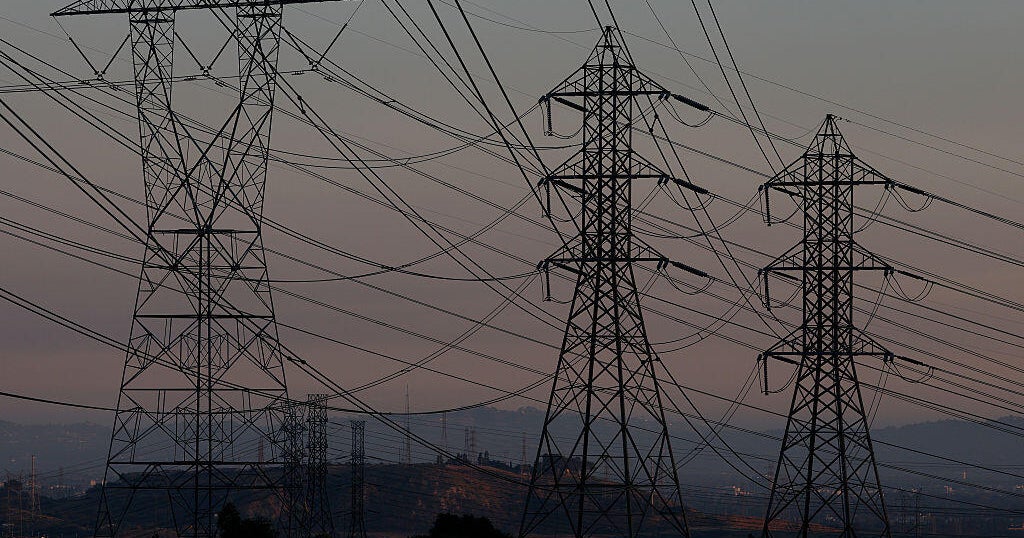
The U.S. House of Representatives on Wednesday passed the Ratepayer Protection Act (RPA), a bill that looks to shield communities from higher energy electricity and grid infrastructure costs associated with data center development. asserted
that → pass → development
The bill, which succeeded with broad bipartisan support in a 417-3 vote, is likely one of the last pieces of legislation lawmakers will consider until after the Nov. 3 midterm elections. asserted
lawmakers → succeed → elections
It also puts a spotlight on the data center issue, which has garnered attention as a proxy for affordability, energy and regulatory debates. asserted
which → put → debates
It marks the first data center-related bill passed in the 119th Congress. asserted
It → mark → Congress
In its current form, the bill does not seek to ban data centers, set limitations on their expansion or even set regulatory guidelines for them. asserted
bill → seek → them
Instead, it amends existing energy law, the Public Utility Regulatory Policies Act (PURPA), so states must consider a federal standard. asserted
states → amend → standard
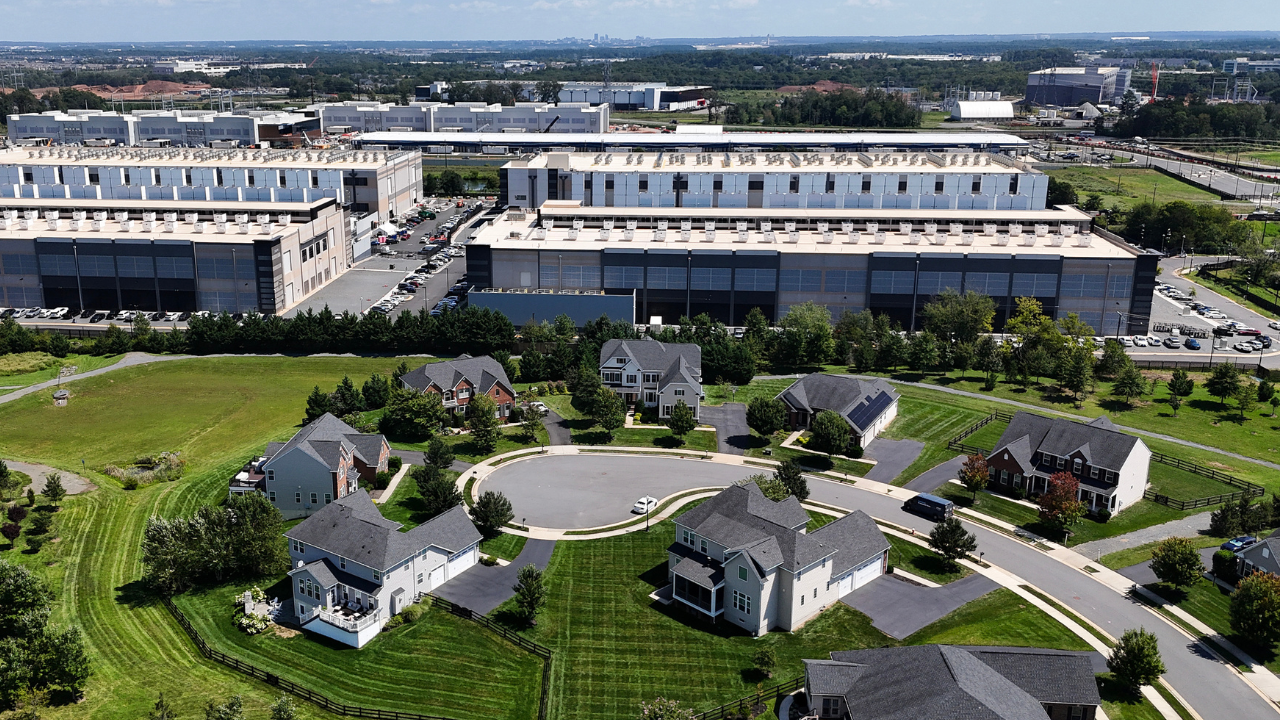
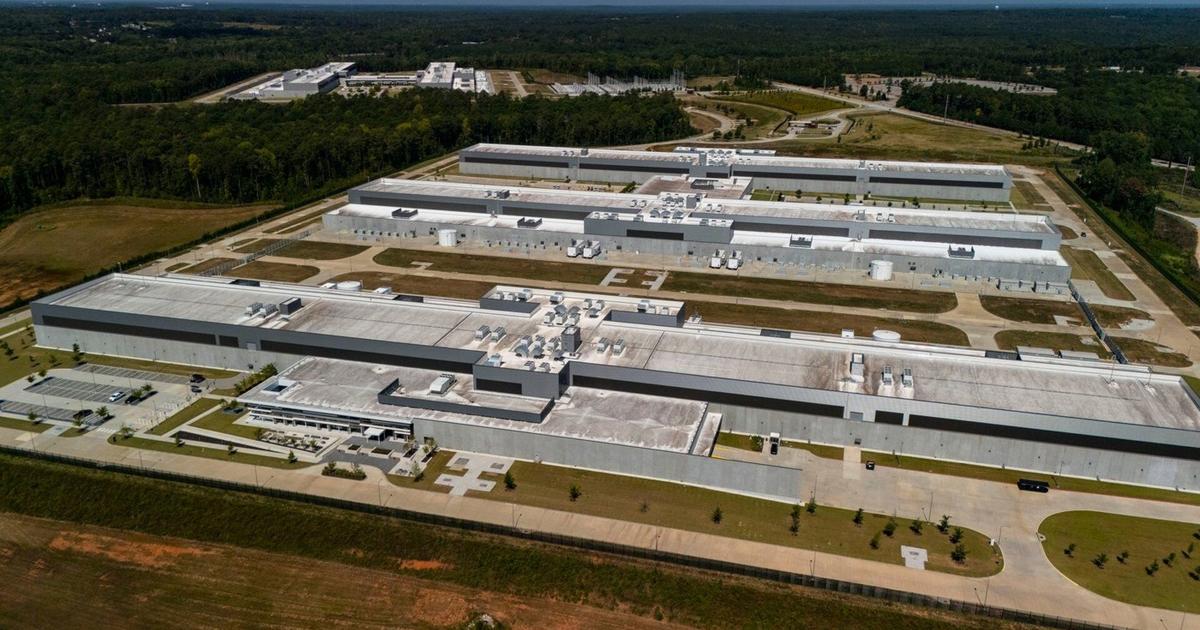
Large data centers that consume 100 megawatts or more would pay the full extra cost of the generation, transmission and distribution upgrades built to serve them. asserted
that → consume → them
Companies would also be required to make financial assurances in the event a project is canceled or moved to prevent communities from being left holding the bill. asserted
project → require → bill
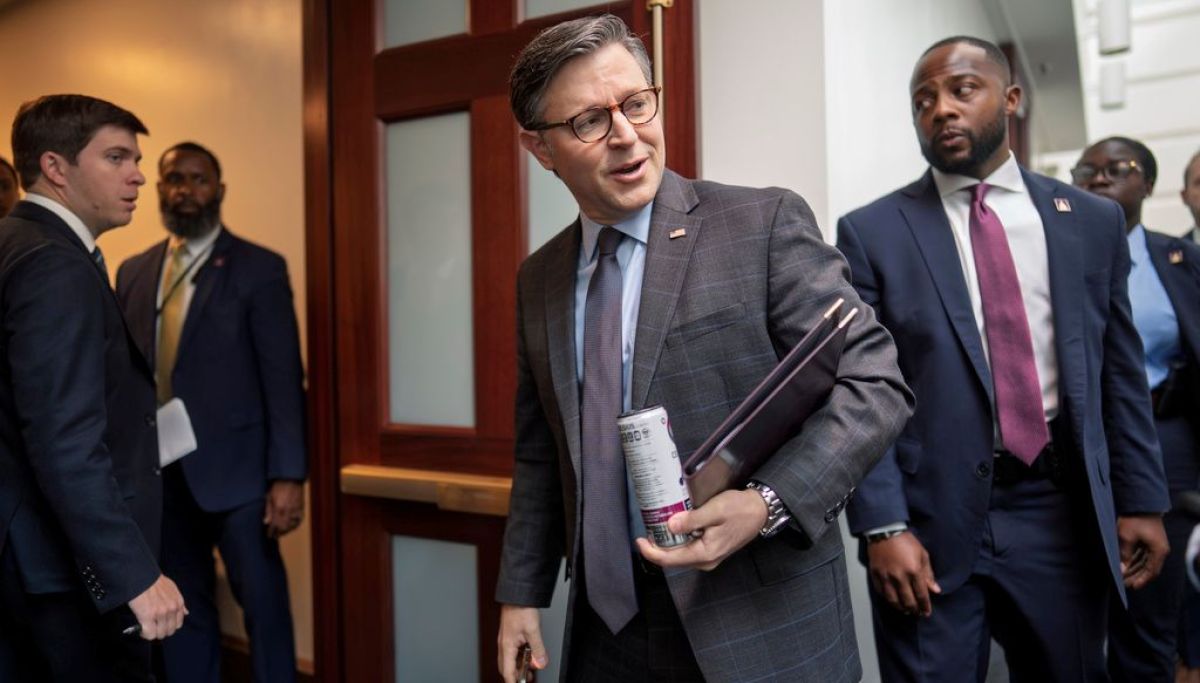
Its sponsor, Rep. Gabe Evans, R-Colo., framed it as a needed step toward keeping data center energy costs from spilling over to local communities. asserted
sponsor → frame → communities
"As America races to lead the world in AI, we must build the energy infrastructure needed to support this innovation and stay ahead of competitors like communist China," Evans said in a statement earlier this year. asserted
Evans → race → statement
"But Colorado families, farmers and small businesses should not be forced to cover the costs of new power generation driven by these developments. asserted
families → force → developments
The Ratepayer Protection Act is a bipartisan, commonsense solution that protects everyday Americans and ensures our nation can continue to win the AI race. asserted
nation → protect → race
" The bill’s Democratic co-sponsor, Rep. Kathy Castor, D-Fla., echoed Evans’ thinking. asserted
sponsor → echo → thinking
"My neighbors across Florida are grappling with skyrocketing electric bills. asserted
neighbors → grapple → bills
Ratepayers should not have to subsidize wealthy corporations’ growing energy demands, especially from AI data centers," Castor said. asserted
Castor → have → centers
In recent months, candidates from both sides of the aisle have carefully framed their thinking about data centers. asserted
candidates → frame → centers
Democrats, in particular, have linked the issue to affordability. asserted
Democrats → link → affordability
Such is the case for Roy Cooper, former governor of North Carolina, who is now waging a bid for the seat of retiring Sen. Thom Tillis, R-N.C. Cooper, once having celebrated data center expansion as an avenue for job growth in the Tar Heel State, has since qualified his support. asserted
Cooper → wag → support
"Roy believes local communities must have the final say on new projects coming to their area, which includes local moratoriums, and data centers must pay for all of the energy they use without passing on any of their costs to consumers," a spokesperson for Cooper’s campaign said in a statement to Fox News Digital earlier this month. asserted
spokesperson → believe → Digital
Republicans have also navigated the political noise around data centers with care. asserted
Republicans → navigate → care
Cooper’s opponent, former Republican National Committee Chairman Michael Whatley, also stressed allowing local communities decide for themselves about whether data center expansion is right for them. asserted
expansion → stress → them
"Michael Whatley's standard is simple: Data centers pay their own way, families pay nothing and communities decide. asserted
communities → pay → nothing
That means Big Tech builds or buys every megawatt it needs and covers every dime of the grid upgrades to deliver it, with zero costs shifted onto residential ratepayers. asserted
costs → mean → ratepayers
It means no special subsidies and no sweetheart deals cut over the heads of taxpayers," Whatley’s campaign said. asserted
campaign → mean → taxpayers
Having cleared the House, the data center bill passed Wednesday heads to the Senate, where its fate is uncertain. asserted
fate → clear → Senate

💬 Give feedback
🕘 History 🎫 Support