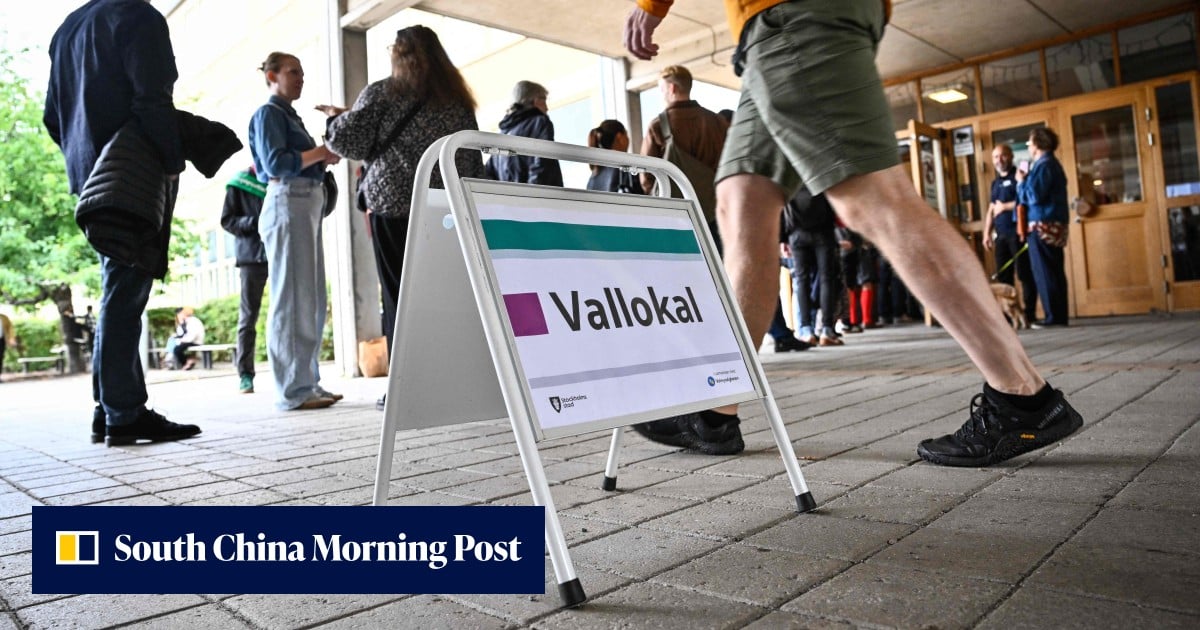
On September 13, 2026, Swedish citizens voted in a closely contested election that could bring the far-right Sweden Democrats into the government for the first time. The current Prime Minister, Ulf Kristersson, leads a center-right minority coalition that relies on external support from the anti-immigration Sweden Democrats, who are polling at around 19%. This election is pivotal as it decides whether Sweden will continue its shift towards stricter immigration policies or revert to its historically liberal stance. Voters in Stockholm's 349-seat parliament, the Riksdag, chose between Kristersson’s incumbent government and a center-left opposition coalition led by Magdalena Andersson of the Social Democrats, who argue for higher welfare spending and a more restrictive immigration policy than some of her allies support. The election outcome could significantly impact Sweden's direction on issues like civil liberties and cultural integration.
Critics say the Prime Minister’s government is undermining civil liberties while forcing immigrants to conform to Swedish culture or leave the country
But Prime Minister Ulf Kristersson, who has trailed in opinion polls throughout his four years in office, has been catching up in the final weeks of campaigning, with rival Magdalena Andersson and her Social Democrats losing ground.