Toronto Star
· collected 2026-09-17 · by Kelly Geraldine Malone The Canadian Press
After further escalating his trade war Wednesday, U.S. President Donald Trump said if Canada becomes the first associate member of the European Union it could be a “hostile act.”
uncertain
it → escalate → Union
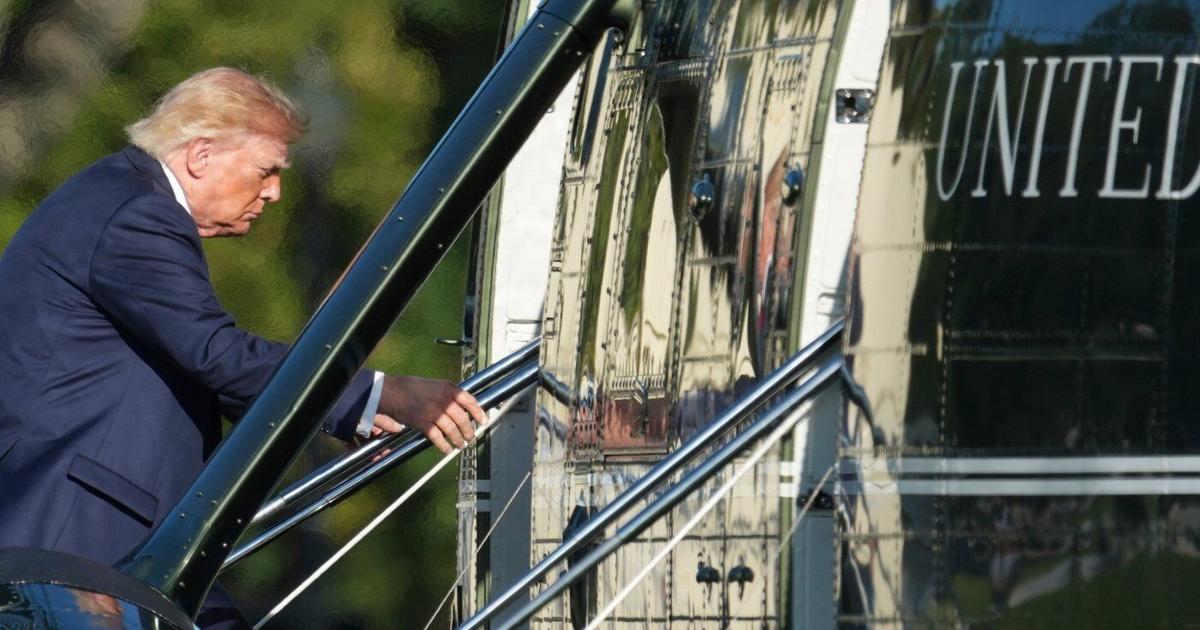
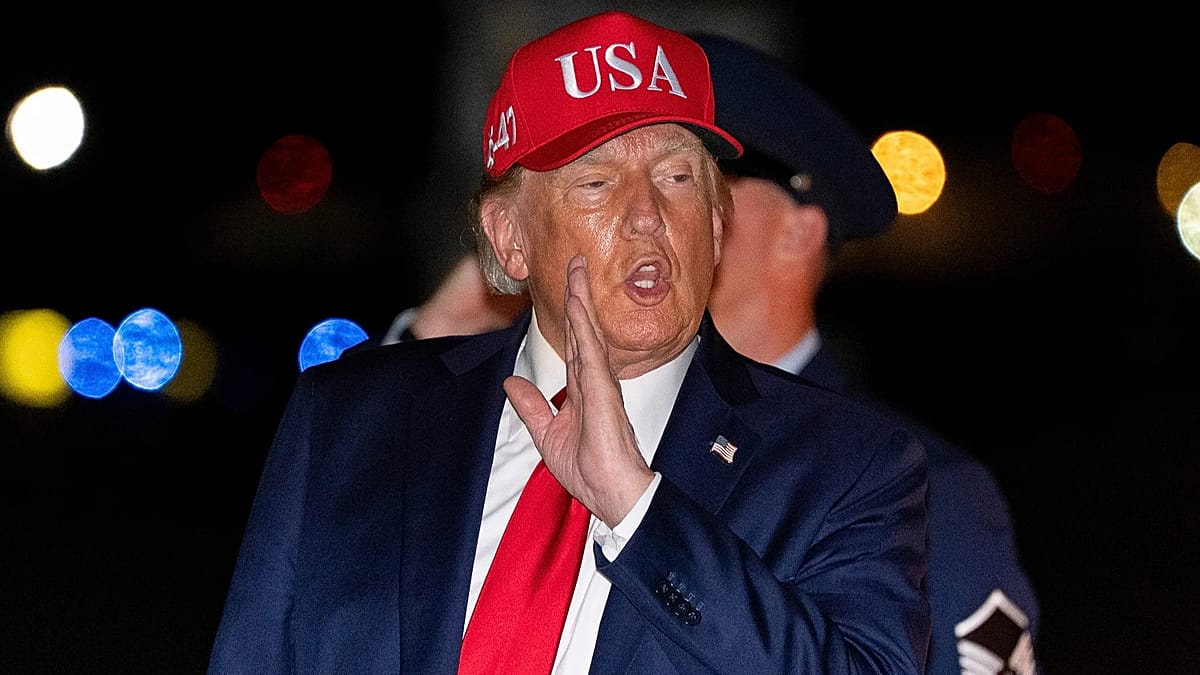
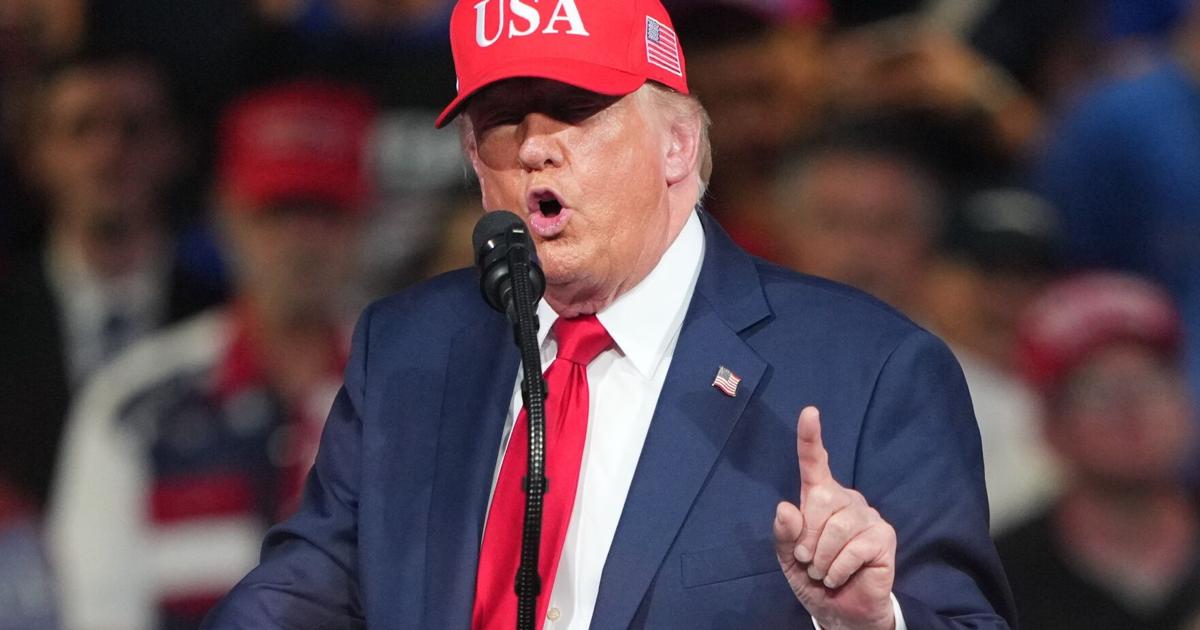
Speaking to reporters in North Carolina, the president said if it’s done with “bad intentions” he will “put very heavy tariffs on Europe.”
asserted
he → speak → Europe
Trump also called Canada a “terrible trade partner” after earlier Wednesday signing a memorandum directing federal agencies overseeing government procurement in the United States to remove all products of Canadian origin.
“President Trump is taking action to hold Canada accountable for its continued unreasonable and discriminatory treatment of U.S. goods, which has burdened and disadvantaged hard-working Americans,” said a fact sheet from the White House.
asserted
sheet → call → House
A White House official, speaking on background, said that order was not related to the European Union forging closer ties with Canada.
asserted
Union → speak → Canada
Earlier in the day, Prime Minister Mark Carney listened in the front row of the state of the European Union address as European Commission President Ursula von der Leyen laid out the case for the closer relationship.
asserted
Leyen → listen → relationship
She said the two sides must “urgently reimagine” their partnership and move beyond a free-trade agreement to bring the relationship to the “highest level possible.”
asserted
sides → say → level
Carney is set to address the European Parliament on Thursday.
asserted
Carney → set → Thursday
Officials have said the two sides are still talking about how to define an enhanced partnership.
asserted
sides → say → partnership
Canada-U.S. relations were upended as Trump returned to the White House last year armed with ever-changing tariffs targeting America’s northern neighbour.
asserted
Trump → upend → neighbour
But Trump’s trade war has ramped up in recent weeks after negotiations between the two countries broke down.
asserted
negotiations → ramp → countries
Carney has warned that Canada’s pivot away from the United States will come at a cost, but the alternative would be far worse.
To justify Trump’s latest move, the presidential order points to Ottawa’s “Buy Canadian” policy, which was launched, along with similar actions by some provinces, after the president hit Canada with tariffs and threats of annexation.
asserted
president → warn → annexation
The order said Canada has “unreasonably imposed new barriers to United States companies seeking to access the Canadian government procurement market.”
asserted
Canada → say → market
“My administration will always act to combat such unreasonable or discriminatory practices,” the order said.
asserted
order → act → practices
The order also said the United States Trade Representative will monitor for circumstances that may require the “need for further action.”
uncertain
that → say → action
It said the department will also inform the president if goods can be returned following “a change in policy by the Canadian government that would end the current treatment toward United States origin items.”
asserted
that → say → items
It was not immediately clear what would be affected by the procurement policy.
asserted
what → affect → policy
Trump’s order said the move would affect access to goods the United States agreed to cover at the federal level under the World Trade Organization Agreement on Government Procurement, amounting to over $280 billion annually.
asserted
States → say → billion
Canada-U.S. Trade Minister Dominic LeBlanc’s office said they have taken note of the procurement restrictions.
asserted
they → say → restrictions
Spokesperson Gabriel Brunet said “we will review these measures with a focus on the best interest of Canadian businesses and workers.”
asserted
we → say → businesses
Trump first threatened to remove all Canadian-origin products from federal procurement in a post on social media last week.
asserted
Trump → threaten → media
“That is not reciprocity, it is a Canadian Trade Scam,” Trump’s post said of the Buy Canadian rules.
asserted
post → say → rules
The Buy Canadian policy, implemented in December 2025, prioritizes Canadian companies in large federal purchases, requires the use of Canadian steel, aluminum and wood in major federal construction and defence projects, and restricts non-defence contracts to Canadian companies or international firms from countries which offer the same access to Canadian businesses.
asserted
which → buy → businesses
The United States also has a “Buy America” policy that prioritizes domestic purchasing in key sectors.
asserted
that → have → sectors
Former Democrat president Joe Biden implemented an array of protectionist procurement rules that Trump has since kept in place or expanded.
asserted
Trump → implement → place
Trump initially hit Canada with economywide tariffs citing the flow of fentanyl last year.
asserted
Trump → hit → fentanyl
While those duties were squashed by the U.S. Supreme Court, the Trump administration replaced the tariff wall with a 10 per cent levy linked to forced labour in supply chains.
asserted
administration → squash → chains
Those tariffs do not apply to goods compliant with the Canada-U.S.-Mexico Agreement on trade.
asserted
tariffs → apply → trade
Trump is also slamming Canada with separate sectoral tariffs on industries like steel, aluminum, automobiles and cabinetry.
asserted
Trump → slam → steel
Last month the Trump administration intensified the tariff spat by hitting an array of Canadian products, from hockey sticks to honey, with 50 per cent tariffs.
asserted
administration → intensify → tariffs
Ottawa’s retaliatory tariffs on specific American goods went into place Sept. 8.
asserted
tariffs → go → place
The same day, Trump signed executive orders to completely bar imports of certain Canadian goods, including motorcycles, some dairy products and alcoholic beverages, later this month.
asserted
Trump → sign → motorcycles
The trade war between former close allies has caused major concerns for businesses in the deeply integrated North American market.
asserted
war → cause → market
The Associated Equipment Distributors on Tuesday sent letters to U.S. governors from states with significant exposure to Canadian trade calling for a resolution.
asserted
Distributors → send → resolution
“Our supply chains do not stop at state lines or national borders.
asserted
chains → stop → lines
Heavy machinery, agricultural equipment, industrial components, and service parts routinely cross the U.S.-Canada border multiple times during production and distribution,” President and CEO Brian P. McGuire wrote in the letter.
asserted
McGuire → cross → letter
“The ongoing uncertainty created by trade disputes will disrupt significant multi-year capital investments, inflate equipment costs, and directly threaten local jobs.”
This report by The Canadian Press was first published Sept. 16, 2026.
— With files from Nick Murray in Strasbourg, France
asserted
report → create → Strasbourg
 The Aporia