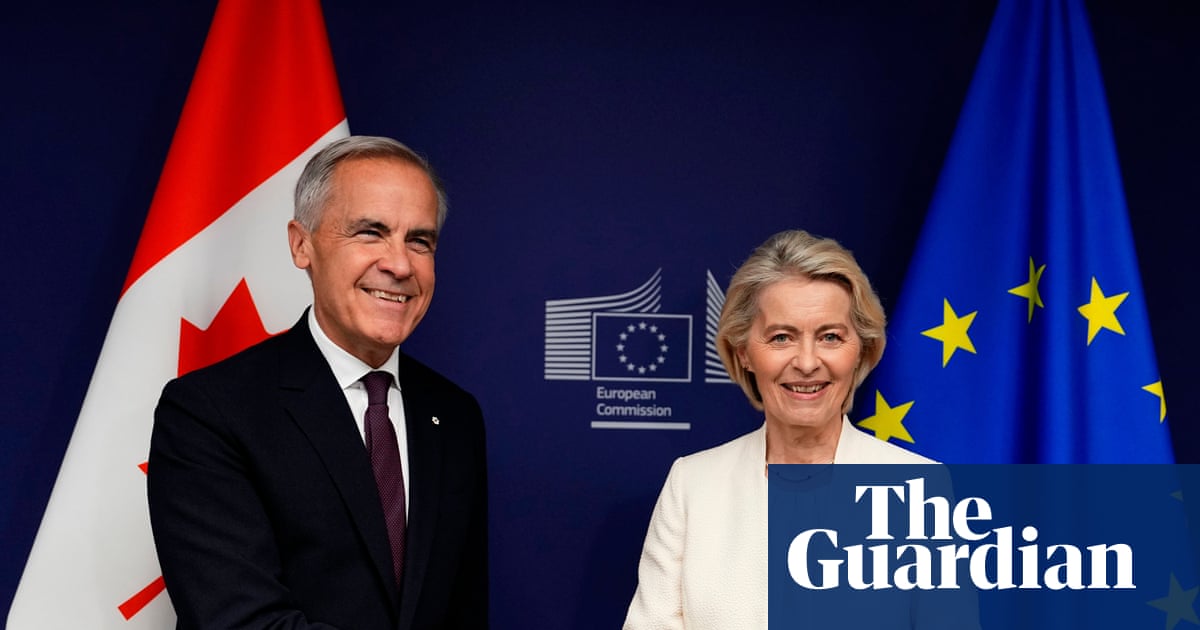
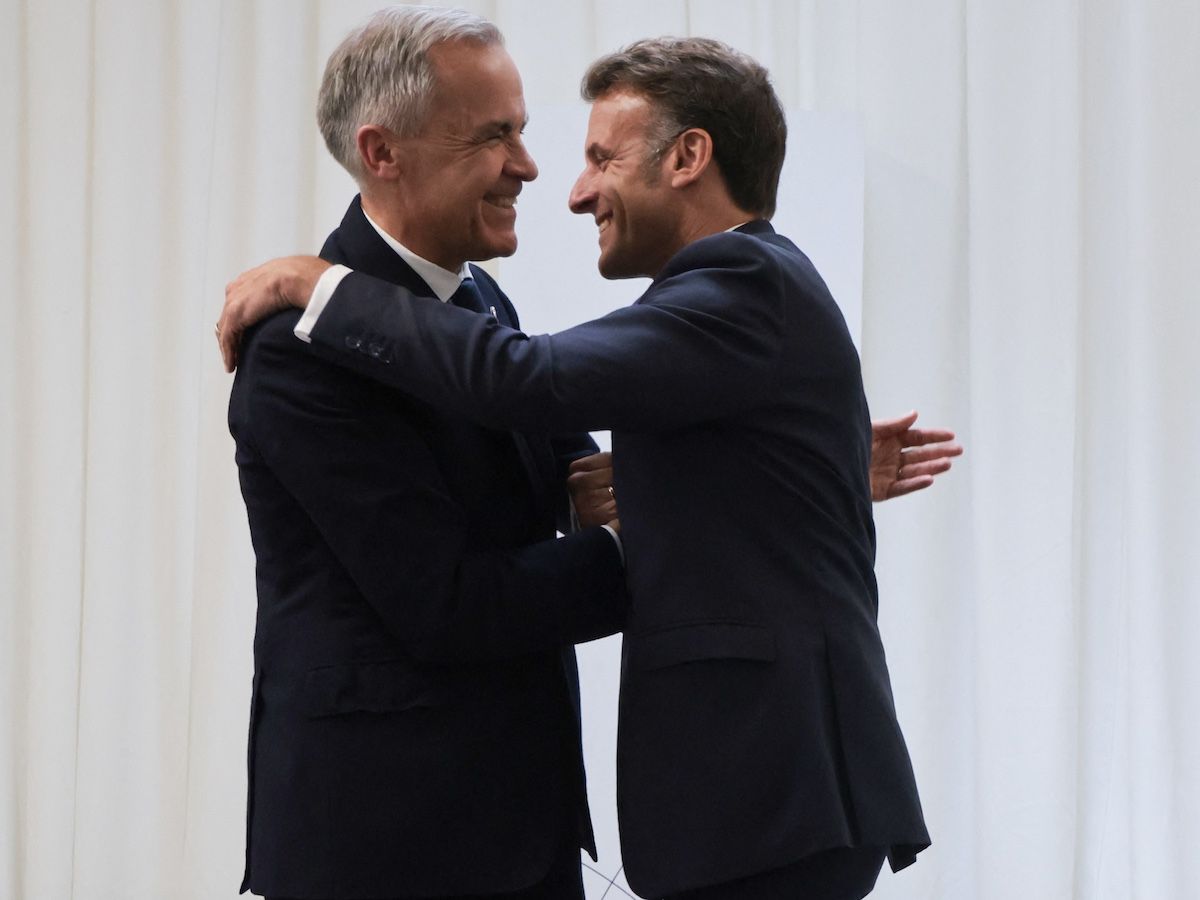
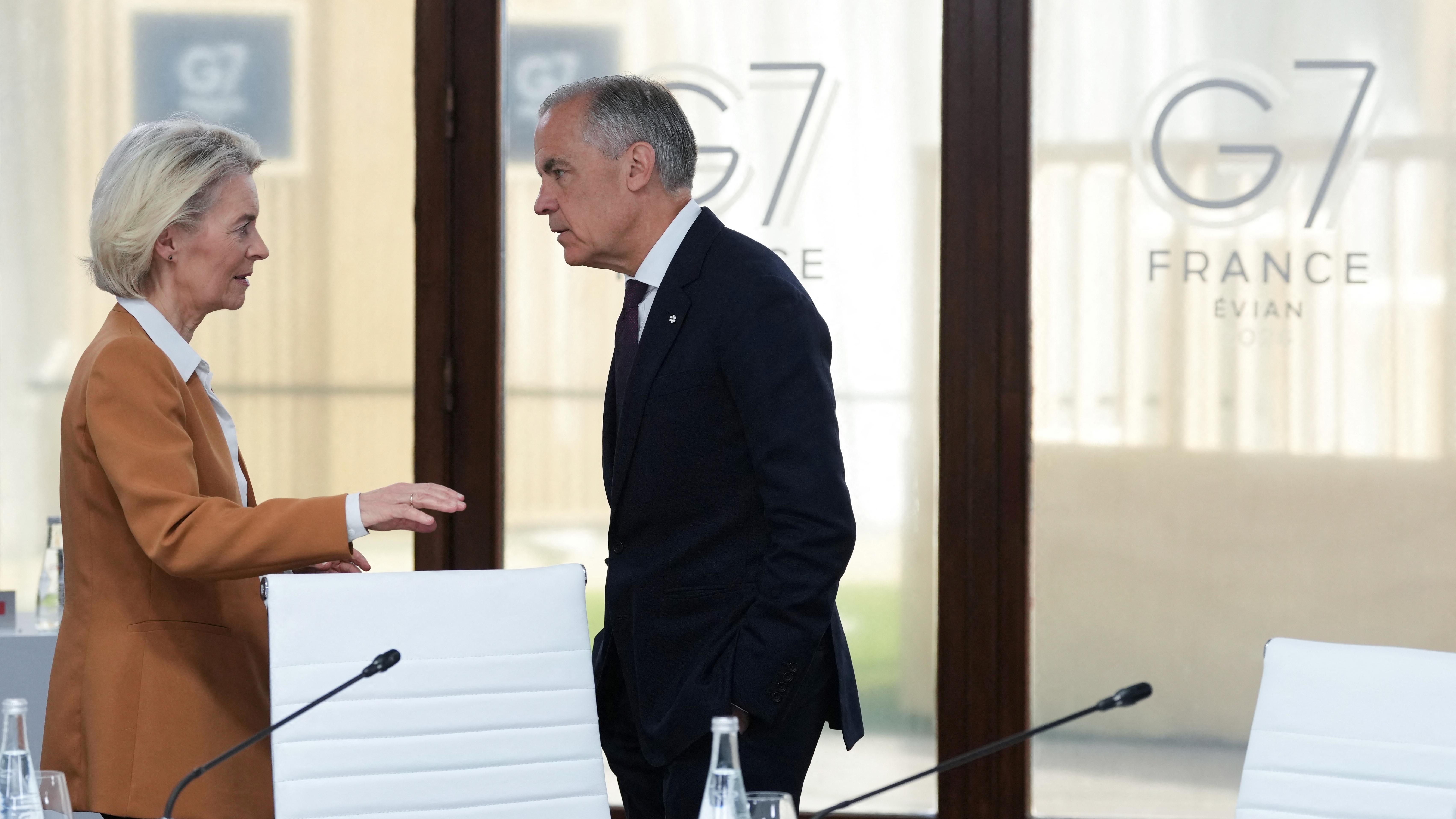
President Donald Trump has threatened to impose "serious tariffs" on the European Union after it proposed making Canada its first associate member. Trump called this move "laughable" and suggested it was a hostile act. The EU’s president Ursula von der Leyen invited Canada to deepen cooperation in tech, defense, and energy sectors. This comes as Canada seeks to diversify its defense ties away from the US by applying to join the British-led Joint Expeditionary Force military coalition.
Written by the local model on 2026-09-17,
using this article's own text rather than the other coverage of the
same event (that is the story summary below).
Story summary
Mark Carney, Canada's prime minister, flew to Strasbourg, France to attend the European Parliament’s annual “State of the European Union” speech given by Ursula von der Leyen, president of the European Commission. Von der Leyen proposed that Canada could become the first "associate member" of the EU, a unique status not currently defined in EU treaties, aiming to deepen ties with Ottawa amid deteriorating relations between Canada and the US under President Donald Trump. Carney plans to deliver his own speech on Thursday, emphasizing Canada's desire for deeper alliances across trade, defense, cultural exchange, and people-to-people connections. The announcement has raised questions about its legal implications and practical implementation within the EU's existing framework, with some officials expressing surprise at the sudden proposal without prior consultation from member states. Critics in Canada argue that such an arrangement could lead to Canadians contributing tax dollars to the EU budget or ceding sovereignty on certain issues. Meanwhile, Britain remains out of this new EU alliance following its Brexit decision, highlighting potential future implications for other nations seeking closer ties with Brussels. The EU's move is seen as a diplomatic gesture towards Canada in a shifting geopolitical landscape dominated by tensions with China and the US. However, details remain vague, leaving many to speculate on the exact nature and benefits of this proposed new status.
Written for “EU Canada Associate Membership” on 2026-09-17,
grounded in this article and the 17 other(s) covering the same event.
Why this leaning score
The article's own words the score was based on. Each is quoted
verbatim and was checked against the article text before being
stored, so you can find it in the original.
Leaning score +0.35 for article 15020 (high confidence, 2 verified quotes) · logged 2026-09-17
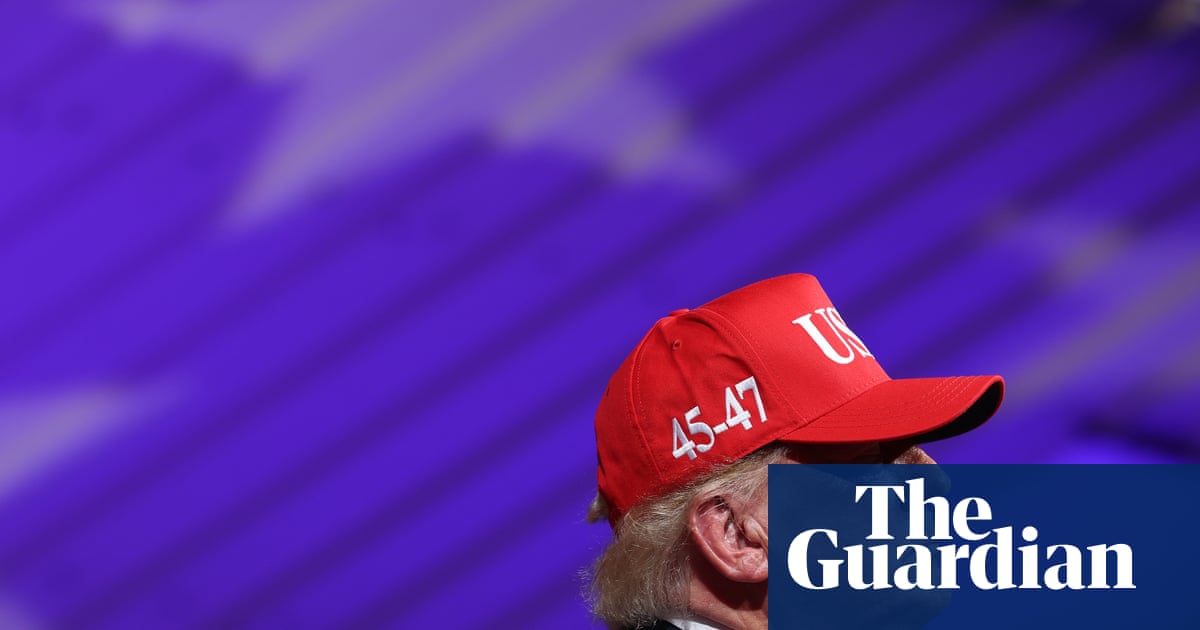
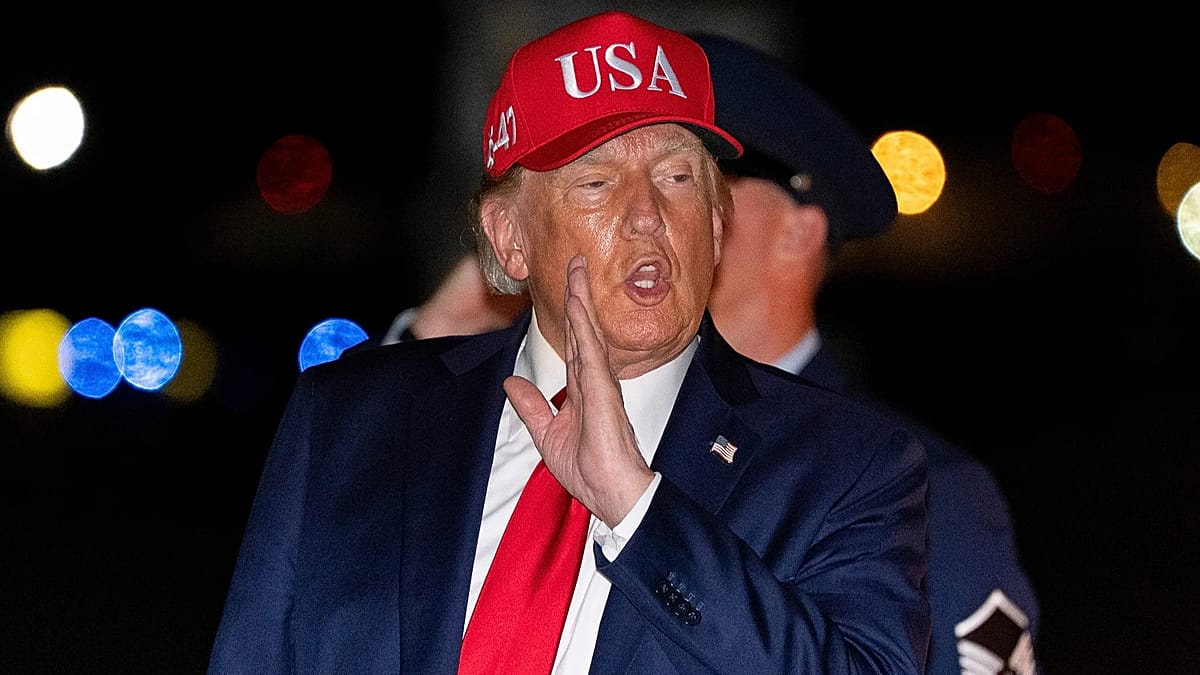
Donald Trump has threatened the European Union with “serious tariffs” and a cut to trade after the bloc proposed to make Canada its first ever associate member, calling the idea “laughable”.
asserted
Canada → threaten → idea
Suggesting the move was a “hostile act”, the US president told reporters he could put “very serious tariffs or stop trading with Europe”.
uncertain
he → suggest → Europe
He added: “If it’s a good intention, that’s fine.
asserted
that → add → ?
If it’s a bad intention, we’ll put very heavy tariffs on Europe.
asserted
we → ’ → Europe
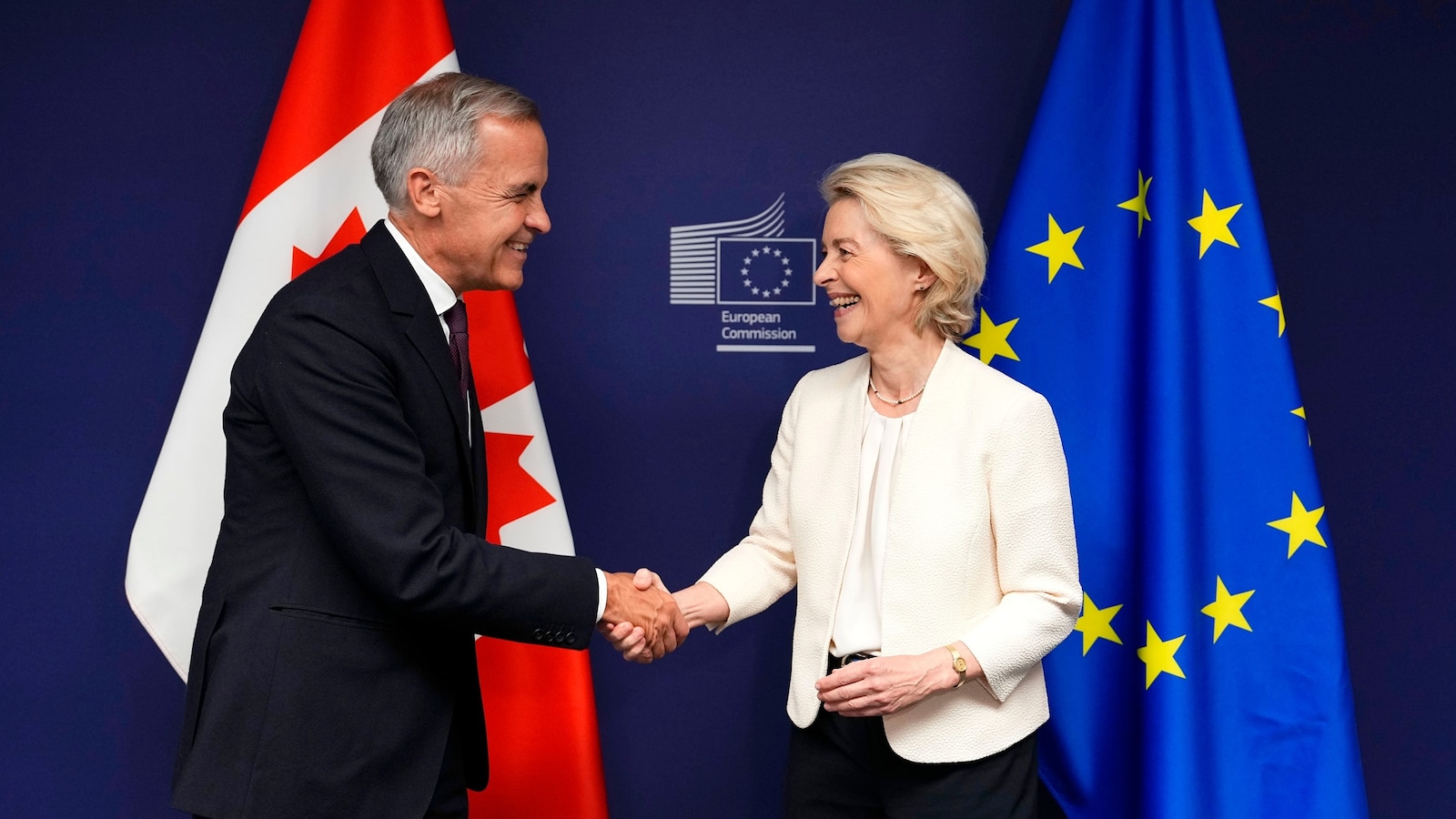
European Commission president Ursula von der Leyen invited Canada to become the EU’s first “associate member” on Wednesday, a day before Canadian prime minister Mark Carney was due to address the European parliament.
asserted
Carney → invite → parliament
Von der Leyen pitched closer cooperation on tech, defence and energy to Carney, telling the European parliament that, as democracies face a “fracture in the international rules-based system”, Brussels and Ottawa needed to pull closer together.
asserted
Brussels → pitch → system
Canada and the EU already have a trade deal and numerous bilateral agreements, but have been moving closer since Donald Trump returned to the White House and raised tariffs on both old allies, while repeatedly talking about Canada becoming the 51st US state and lambasting the EU.
asserted
Canada → have → EU
In a sign that Canada was seeking to further diversify its defence ties away from the United States, Carney’s office announced on Wednesday that the country had formally applied to join the British-led Joint Expeditionary Force military coalition.
asserted
country → seek → coalition
The force is a rapid response military partnership comprised of 10 North Atlantic Nato member states, including Denmark, the Netherlands, Norway and Sweden.
asserted
force → comprise → Denmark
On Wednesday, Carney and British prime minister Andy Burnham held a bilateral meeting at the grounds of Everton football club.
asserted
Carney → hold → club
The leaders, who are both fans of the premiership club, then attended the team’s game against Wolves.
asserted
who → attend → Wolves
The two discussed deepening defence cooperation and the opportunities and challenges presented by artificial intelligence.
asserted
two → discuss → intelligence
Downing Street said both prime ministers emphasised the importance of building close ties with European partners, particularly on trade and defence.
asserted
ministers → say → trade
The 27-member EU has never had an associate membership category, although it has close ties with Norway, Iceland and Switzerland, allowing deep economic integration with these countries, who follow many EU rules.
asserted
who → have → rules
However it remains to be seen what associate membership means, including for Canada’s relationship with the EU single market.
asserted
membership → remain → market
Von der Leyen said on Wednesday it was time to move from cooperation based on trade to a broader “alliance for the future” and “bring the relationship with Canada to the highest level possible.
asserted
it → say → level
“We will work on intelligent manufacturing.
asserted
We → work → manufacturing
We will create a tech alliance.
asserted
We → create → alliance
We will integrate defence industrial bases.
asserted
We → integrate → bases
We will make the Arctic a flagship joint project,” she said.
asserted
she → make → ?
She listed energy, critical minerals, batteries, AI, cyber and economic security as other fields of cooperation.
asserted
She → list → cooperation
“This is a partnership not against anyone else, but for our common strength,” she said.
asserted
she → say → strength
 The Aporia