That is 0 articles you have read today.
The Aporia is free and carries no advertising, so readers are the only
thing paying for it. If you are getting this much out of it, a small
donation is what keeps it independent.
Daily limit reached
You have read 0 articles today.
That is more than the 15 a day The Aporia gives away,
and well past what it can carry on nothing. Your allowance resets at
midnight.
There is no advertising here and nothing about you is sold, so readers
are the only thing paying for it. If the site is worth this much of
your day, it is worth a few dollars.
Everything else stays open: the
maps, the
directory and
search do
not count against this, and neither does re-opening something you have
already read today.
President Trump warned that allowing Canada to become an associate member of the European Union could be considered a hostile act by the US and threatened additional tariffs on Europe if this happens. Speaking at a rally in North Carolina, he also suggested potentially cutting off trade with certain areas of Europe. This follows tensions over existing tariffs and recent efforts by Canada to reduce its economic dependence on the United States, including exploring closer ties with the EU.
Written by the local model on 2026-09-17,
using this article's own text rather than the other coverage of the
same event (that is the story summary below).
Story summary
On September 14, U.S. President Donald Trump signed a memorandum directing U.S. federal agencies to identify and remove Canadian products from government procurement, escalating the ongoing trade war between the U.S. and Canada. This move followed Trump's ban on importing certain Canadian goods into the U.S., including alcohol, motorcycles, cheeses, motorboats, ATVs, and furniture, and came a week after he imposed 50% tariffs on over 100 products in retaliation for Canadian retaliatory tariffs. The White House stated that Canada's barriers to American companies seeking access to its government market through a "Buy Canadian" policy were unreasonable and discriminatory. The memorandum also directs the U.S. Trade Representative to monitor how Canada treats U.S.-origin goods. Trump further criticized Canada, calling it a “terrible trade partner,” after signing the order and threatened more tariffs on European goods if Canada becomes an associate member of the European Union, which he described as potentially a "hostile act."
Written for “US Tariff Policy On Canada” on 2026-09-17,
grounded in this article and the 13 other(s) covering the same event.
Why this leaning score
The article's own words the score was based on. Each is quoted
verbatim and was checked against the article text before being
stored, so you can find it in the original.
Leaning score +0.35 for article 14827 (high confidence, 1 verified quote) · logged 2026-09-17
President Donald Trump has suggested that the European Union allowing Canada to become an associate member could be a “hostile act” and threatened more tariffs if it happened.
uncertain
it → suggest → tariffs
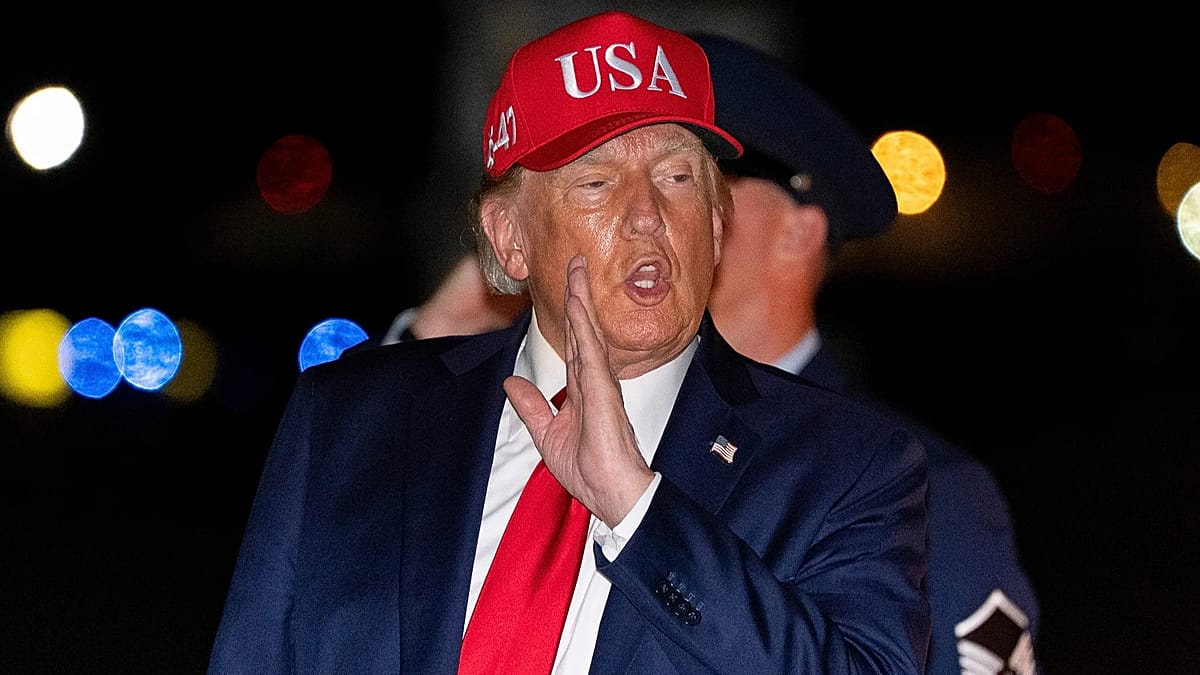
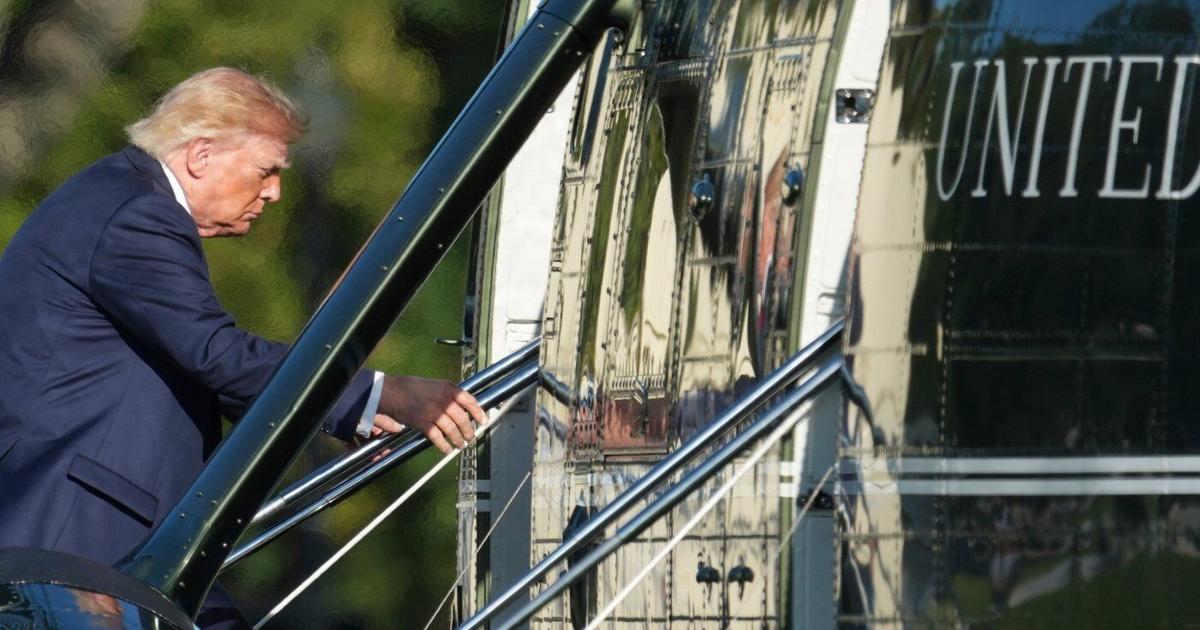
Speaking to reporters after landing in North Carolina on Wednesday, Trump said his latest threat depended on the “intention” of European leaders.
asserted
threat → speak → leaders
“If it’s a good intention, that’s fine.
asserted
that → ’ → ?
If it’s a bad intention, we’ll put very heavy tariffs on Europe.”
asserted
we → ’ → Europe
He also suggested the U.S. could cut off trade with Europe in certain areas.
uncertain
U.S. → suggest → areas
Trump called the prospect of Canada joining the EU “laughable” and called America’s neighbor a “terrible trade partner.”
“We're carrying the European nations.
asserted
We → call → nations
All we have to do is say, 'you know what?
asserted
you → have → what
We're not trading with you anymore.'
asserted
We → trade → you
We don't need anything we have.'
asserted
we → need → anything
We have cars.
asserted
We → have → cars
We have lumber.
asserted
We → have → lumber
We have food.
asserted
We → have → food
We have everything,” Trump said later at a rally in the state,
Trump’s tariffs and repeated talk of making Canada the 51st state have soured the relationship between the North American neighbors.
asserted
Canada → have → neighbors
Canada is seeking to reduce its dependence on the United States, the destination for roughly 70 percent of its exports, and Prime Minister Mark Carney has called for a “unique alliance” with the EU.
asserted
Carney → seek → EU
In her annual State of the European Union address, European Commission President Ursula von der Leyen said Canada and the EU would build on their existing free trade agreement, known as CETA, with a broader “Alliance for the Future” aimed at creating “a common prosperity and economic security space.”
asserted
Canada → say → space
She cast that closer relationship as rooted not just in trade but in shared democratic values.
asserted
She → cast → values
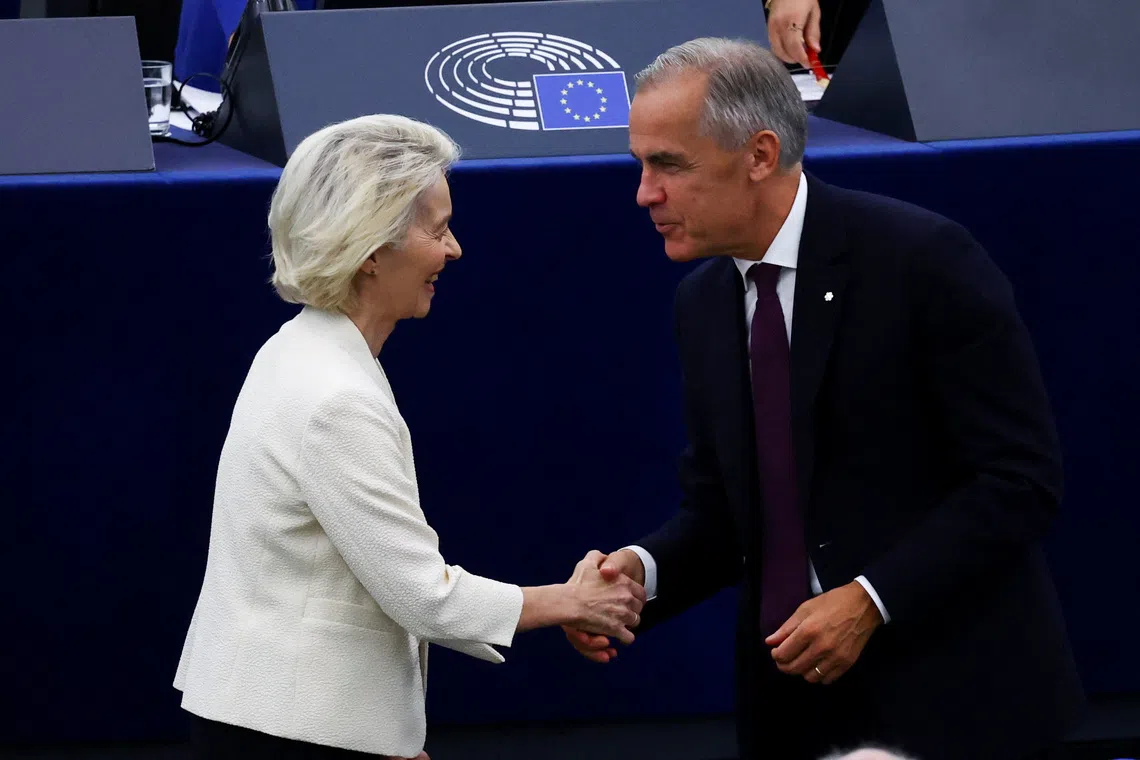
“Above all, dear Mark, Europe and Canada believe in democracy,” von der Leyen said to Carney, who received a standing ovation at the European Parliament in Strasbourg.
asserted
who → believe → Strasbourg
He is due to address the Parliament on Thursday.
asserted
He → address → Thursday
A Canadian official familiar with the discussions told The Associated Press last week that Ottawa was exploring ties with the EU that could stop just short of membership.
uncertain
that → tell → membership
The official said Canada would seek an arrangement allowing its citizens to live and work in Europe without visas as part of a broader strategic partnership.
asserted
citizens → say → partnership
Jonathan Wilkinson, Canada’s ambassador-designate to the EU, said Wednesday that Ottawa had discussed associate membership with European officials before von der Leyen’s speech and “knew that that was something that was on the table.”
asserted
that → say → table
He said Canada had talked to the EU about an “Alliance for the Future,” while European officials had raised associate membership.
asserted
officials → say → membership
Wilkinson said Canada is not seeking full EU membership because it would require surrendering some sovereignty.
asserted
it → say → sovereignty
Instead, Ottawa wants “to get as close as we possibly can” to the bloc in a way that strengthens Canadian sovereignty rather than diminishes it, he said.
uncertain
he → want → it
Carney’s office welcomed von der Leyen’s proposal, saying Canada was deepening ties with the EU “to strengthen our sovereignty” and supported a move beyond CETA.
asserted
Canada → welcome → CETA
Canada seeks a relationship just short of EU membership
The Associated Press contributed to this report.
asserted
Press → seek → report
 The Aporia