Story summary
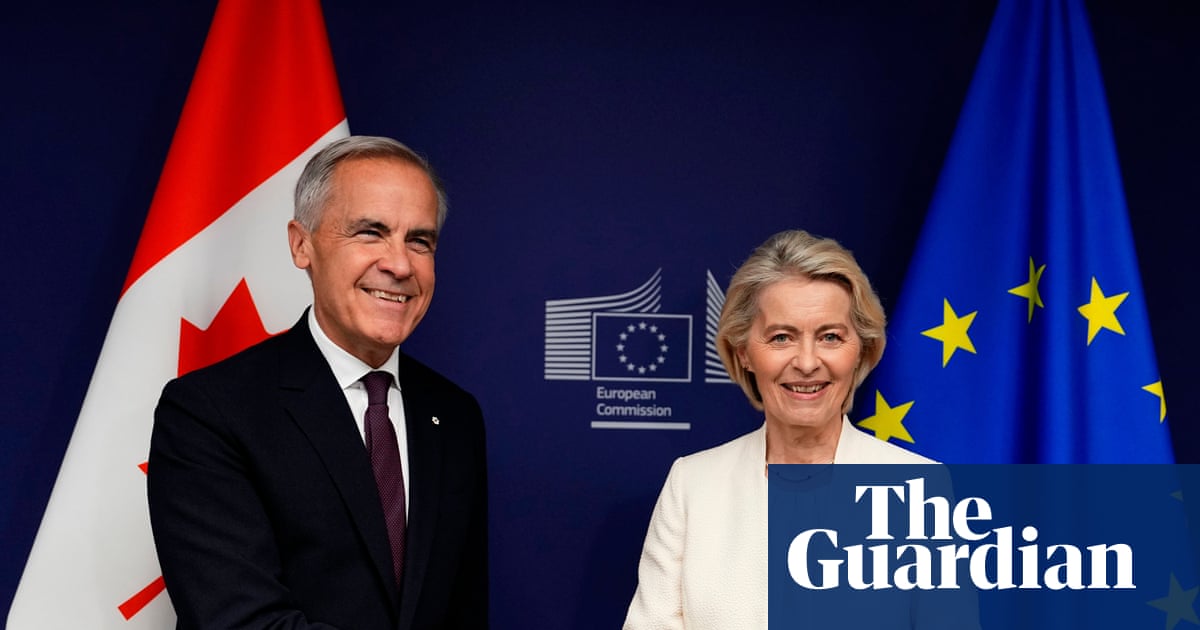
Mark Carney, Canada's prime minister, flew to Strasbourg, France to attend the European Parliament’s annual “State of the European Union” speech given by Ursula von der Leyen, president of the European Commission. Von der Leyen proposed that Canada could become the first "associate member" of the EU, a unique status not currently defined in EU treaties, aiming to deepen ties with Ottawa amid deteriorating relations between Canada and the US under President Donald Trump. Carney plans to deliver his own speech on Thursday, emphasizing Canada's desire for deeper alliances across trade, defense, cultural exchange, and people-to-people connections. The announcement has raised questions about its legal implications and practical implementation within the EU's existing framework, with some officials expressing surprise at the sudden proposal without prior consultation from member states. Critics in Canada argue that such an arrangement could lead to Canadians contributing tax dollars to the EU budget or ceding sovereignty on certain issues. Meanwhile, Britain remains out of this new EU alliance following its Brexit decision, highlighting potential future implications for other nations seeking closer ties with Brussels. The EU's move is seen as a diplomatic gesture towards Canada in a shifting geopolitical landscape dominated by tensions with China and the US. However, details remain vague, leaving many to speculate on the exact nature and benefits of this proposed new status.
Written for “EU Canada Associate Membership” on 2026-09-17,
grounded in this article and the 17 other(s) covering the same event.
Why this leaning score
The model judged this article politically coded and scored it +0.35, but none of the 1 quote(s) it offered could be found in the article text, so the score is not published.
Written under an earlier scoring contract, which gave a paragraph
rather than checkable quotes. Re-analysing this article replaces it.
Leaning score withheld for article 15171: no verified evidence · logged 2026-09-17
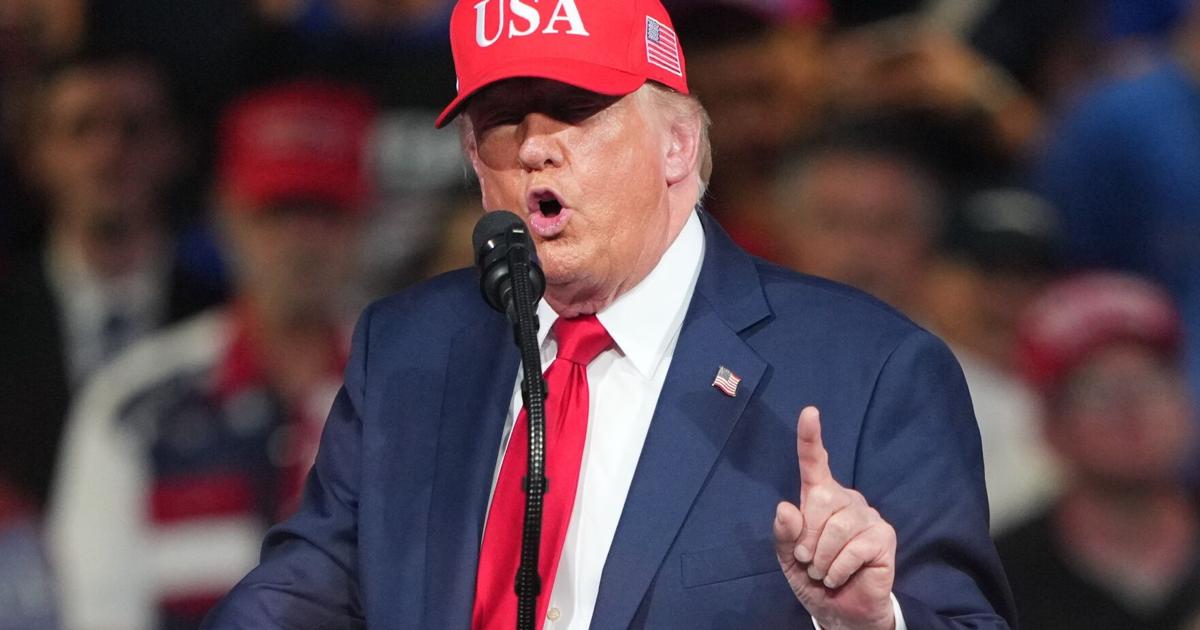
Trump on Wednesday warned he would impose heavy tariffs on Europe if he judged the bloc's intentions to be unfavourable, while leaving the door open if they were not.
asserted
they → warn → door
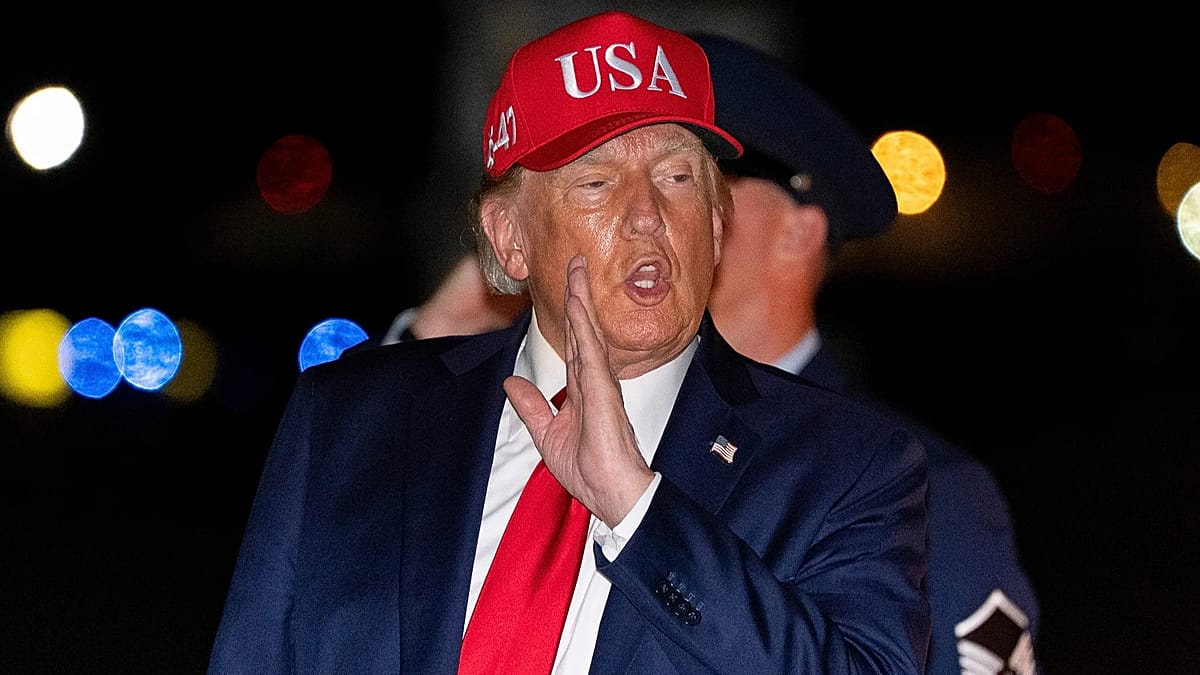
US President Donald Trump suggested that the European Union (EU) allowing Canada to become an associate member could be a “hostile act” and threatened to respond to the proposed move by imposing more tariffs on the bloc.
Trump on Wednesday warned he would impose heavy tariffs on Europe if he judged the bloc's intentions to be unfavourable, while leaving the door open if they were not.
“If it’s a good intention, that’s fine.
uncertain
that → suggest → door
If it’s a bad intention, we’ll put very heavy tariffs on Europe.”
asserted
we → ’ → Europe
He also suggested Washington could cut off trade with Europe in certain areas.
uncertain
Washington → suggest → areas
Trump called the prospect of Canada joining the EU “laughable” and called America’s neighbour a “terrible trade partner".
asserted
Canada → call → neighbour
His response comes after the EU Commission president, Ursula von der Leyen said Canada and the EU would build on their existing free trade agreement, known as CETA, with a broader “Alliance for the Future” aimed at creating “a common prosperity and economic security space".
asserted
Canada → come → space
Speaking in her annual State of the European Union address on Wednesday, von der Leyen cast that closer relationship as rooted not just in trade but in shared democratic values.
asserted
Leyen → speak → values
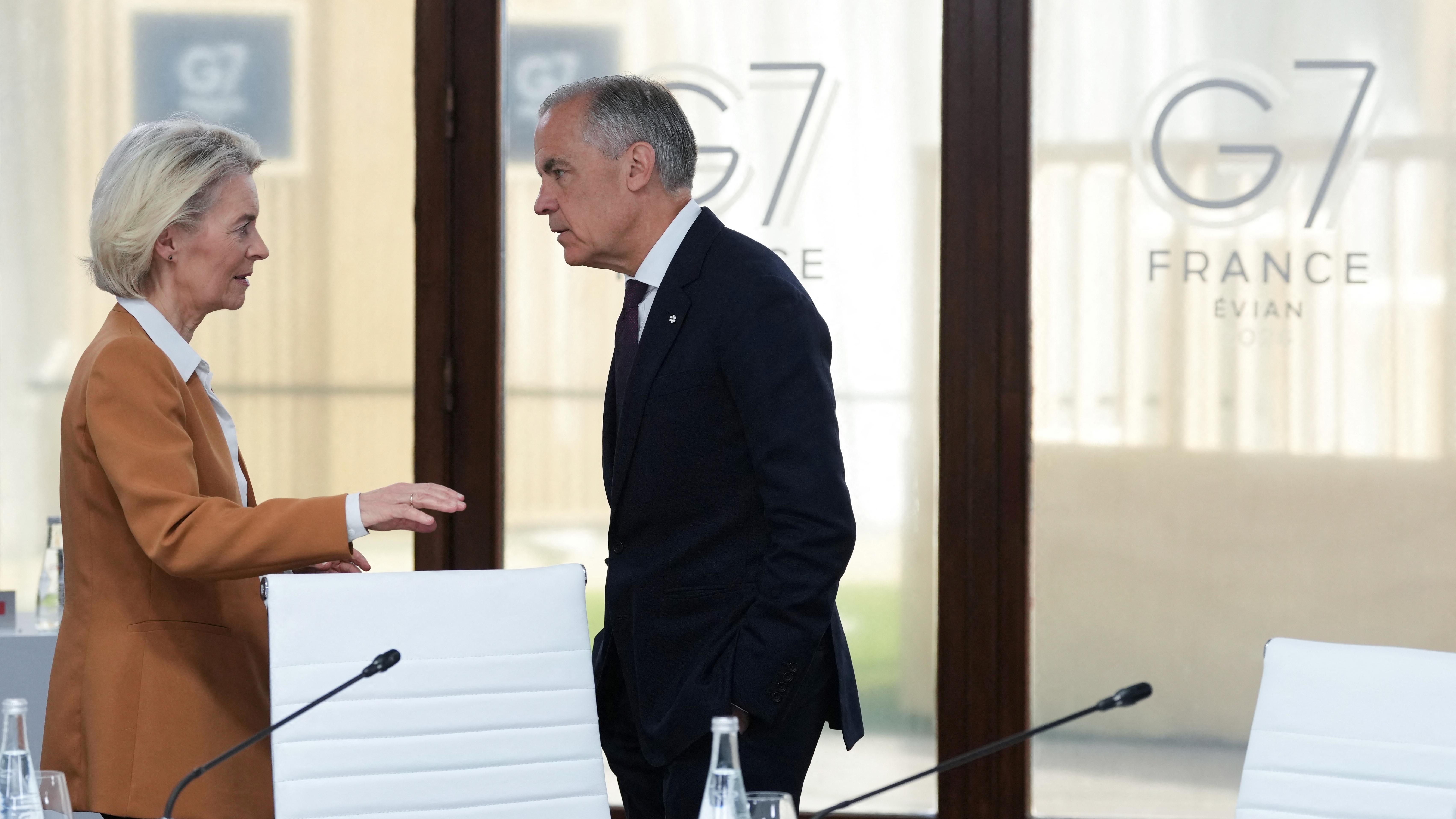
“Above all, dear Mark, Europe and Canada believe in democracy,” von der Leyen said to Carney, who received a standing ovation at the European Parliament in Strasbourg, France.
asserted
who → believe → Strasbourg
He is due to address the Parliament on Thursday.
asserted
He → address → Thursday
Trump’s tariffs and repeated talk of making Canada the 51st state have soured the relationship between the North American neighbours.
asserted
Canada → repeat → neighbours
Canada is seeking to reduce its dependence on the United States, the destination for roughly 70% of its exports, and Prime Minister Mark Carney has called for a “unique alliance” with the EU.
asserted
Carney → seek → EU
Trump rupture accelerated Canada’s turn toward Europe
asserted
rupture → accelerate → Europe
The turn toward Europe had also been long coming.
asserted
turn → come → Europe
In a closely watched speech at the World Economic Forum in Davos in January, Carney urged middle powers to work together to increase their leverage in an era of great-power rivalry.
asserted
Carney → watch → rivalry
“When we only negotiate bilaterally with a hegemon, we negotiate from weakness.
asserted
we → negotiate → weakness
We accept what is offered,” Carney said.
asserted
Carney → accept → ?
Thus far, Ottawa has retaliated against US tariffs and rejected trade terms Carney says would weaken its sovereignty.
asserted
Carney → retaliate → sovereignty
Continuing to try to exert pressure, Trump on Wednesday signed a memorandum directing the US government to remove Canadian goods from the federal procurement system, which the White House said was in retaliation for the Canadian government’s “Buy Canadian” policy, expressing a preference for goods from its own country.
asserted
House → continue → country
The White House called that policy unfair and said in a fact sheet explaining the memo that “President Trump is taking action to hold Canada accountable for its continued unreasonable and discriminatory treatment of U.S. goods, which has burdened and disadvantaged hard-working Americans.”
For its part, the EU has taken a different course with Washington, reaching a trade agreement that set a 15% tariff ceiling on the vast majority of EU exports while Europe eliminated tariffs on US industrial goods.
Canada has already joined EU’s defense procurement program
Jonathan Wilkinson, Canada’s ambassador-designate to the EU, said Wednesday that Ottawa had discussed associate membership with European officials before von der Leyen’s speech and “knew that that was something that was on the table.
asserted
that → call → table
According to Wilkinson, Canada had talked to the EU about an “Alliance for the Future", while European officials had raised associate membership.
uncertain
officials → accord → membership
Wilkinson said Canada is not seeking full EU membership because it would require surrendering some sovereignty.
asserted
it → say → sovereignty
Instead, Ottawa wants “to get as close as we possibly can” to the bloc in a way that strengthens Canadian sovereignty rather than diminishes it, he said.
uncertain
he → want → it
Carney’s office welcomed von der Leyen’s proposal, saying Canada was deepening ties with the EU “to strengthen our sovereignty” and supported a move beyond CETA.
asserted
Canada → welcome → CETA
Von der Leyen said the expanded partnership would cover advanced manufacturing, technology, defense production, the Arctic, energy, critical minerals, batteries, artificial intelligence, quantum computing, cybersecurity and economic security.
asserted
partnership → say → manufacturing
“This is a partnership not against anyone else, but for our common strength,” she said.
asserted
she → say → strength
“In short, we want to bring the relationship with Canada to the highest level possible.”
asserted
we → want → level
 The Aporia