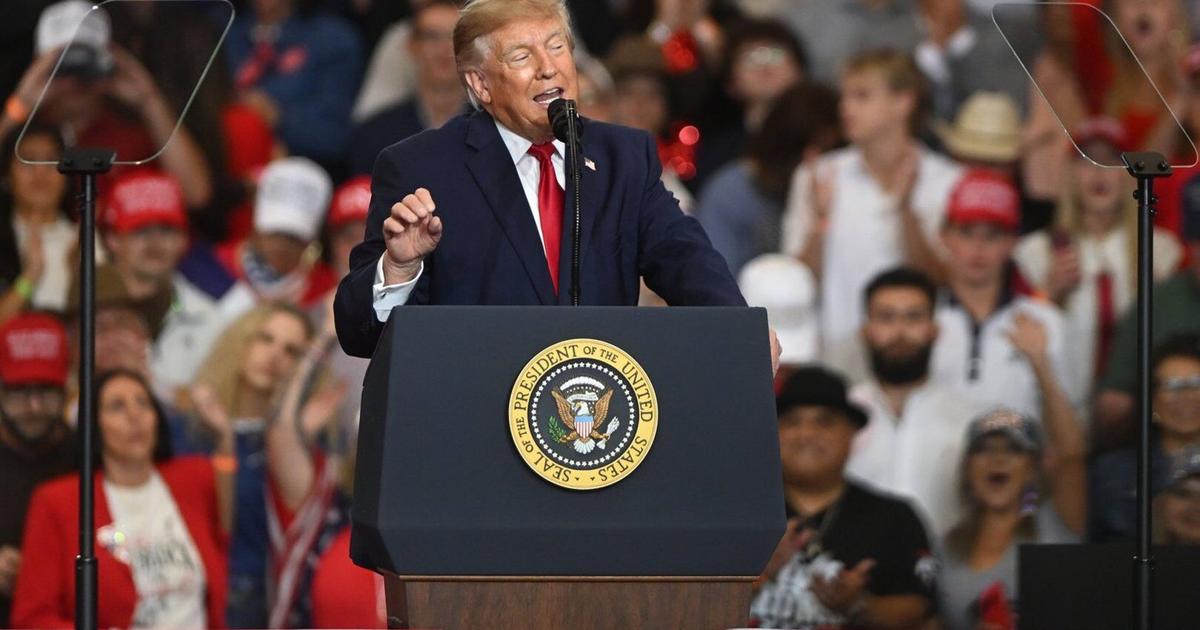
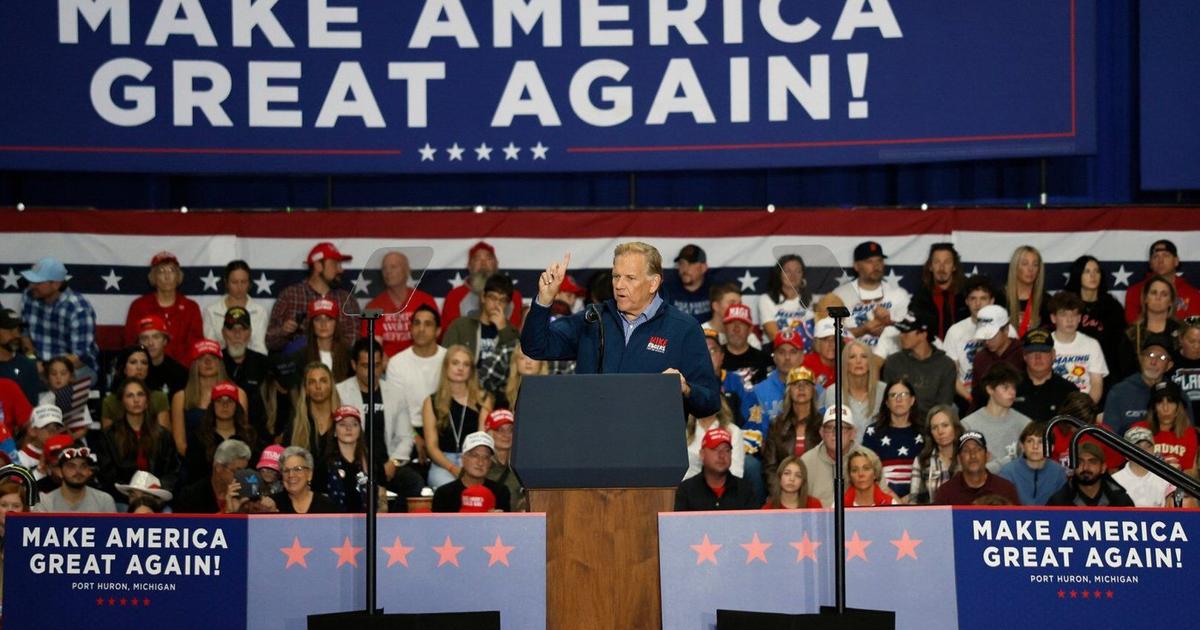
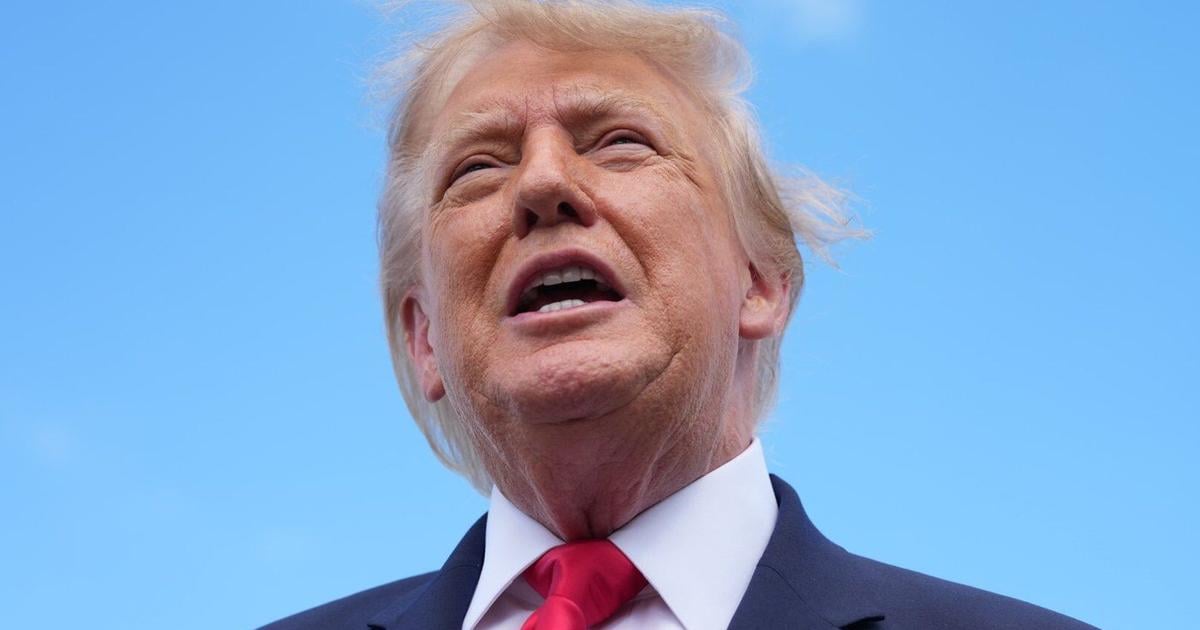
U.S. President Donald Trump has been telling supporters to vote like he’s on the midterm ballot next Tuesday — but voters are heading to the polls looking for politicians ready to tackle the affordability crisis.
asserted
voters → tell → crisis
Trump returned to the White House with a massive agenda to realign global trade and a promise to Americans that his tariff policies would reinvigorate domestic manufacturing and reduce the cost of living.
asserted
policies → return → living
Republicans are fighting to hold a slim majority in Congress amid a political backdrop of soaring energy prices, persistent inflation and business uncertainty caused by Trump’s war on Iran and his tariffs.
asserted
Republicans → fight → Iran
The biggest issue for voters in nearly every poll is the economy, said Christopher Sands, director of Johns Hopkins University’s Center for Canadian Studies.
asserted
Sands → say → Studies
“People think about the economy all the time,” he said.
asserted
he → think → economy
“It’s one of their most important priorities.”
asserted
It → ’ → priorities
About eight in 10 registered voters, including a large majority of Republicans and Democrats, believe lowering the cost of living should be one of the highest priorities for government, according to a survey by The Associated Press-NORC Center for Public Affairs Research earlier this month.
uncertain
lowering → register → Research
Seven in 10 want Congress to prioritize ending the war in Iran.
asserted
Congress → want → Iran
Many of the voters who brought Trump back to Washington to deal with affordability were willing to give the president a grace period on his economic policies, including his plan to hit the world with tariffs.
asserted
who → bring → tariffs
Halfway through his second term, however, independents, bellwether voters and even some Republicans have lost patience.
asserted
independents → lose → patience
Sands said Trump is skilled at getting national attention through his near-nightly rallies and unrelenting posts on social media.
asserted
Trump → say → media
That could prove problematic for Republicans facing voter pushback over the president’s inability to deliver a positive message on the cost of living.
uncertain
That → prove → living
Many Republican candidates have been distancing themselves from Trump and his policies, even as the president pushes to make himself the face of the Republican campaign.
asserted
himself → distance → campaign
An October New York Times/Siena College poll saw Trump’s approval rating sink to 36 per cent.
asserted
rating → see → cent
Most respondents gave Trump low numbers on his handling of economic issues.
asserted
respondents → give → issues
Trump’s own comments and actions are making it difficult for Republicans to control the message.
asserted
Republicans → make → message
He has called affordability a “hoax” and insists the United States has entered an economic “golden age.”
asserted
States → call → age
He boasts about the ballroom and helipad he’s building at the White House while dismissing voters’ concerns about the cost of diesel and gas.
asserted
he → boast → diesel
Trump has continued to lob insults at Canada since trade negotiations fell apart in August.
asserted
negotiations → continue → August
He has claimed he holds all the cards in trade talks and that the Canadian government is “willing to give” the U.S. “anything” to secure a deal.
asserted
government → claim → deal
Experts have said that while the tensions between Ottawa and Washington are not necessarily on American voters’ radar nationally, the impacts of the trade war are being felt in key Senate races in Maine and Michigan.
asserted
impacts → say → Maine
“I think it’s as simple as Trump has had his chance, he’s instituted his policies and we’re not seeing the change at the grocery store register every week,” said Marc Trussler, director of data science for the University of Pennsylvania’s program on opinion research and election studies.
asserted
Trussler → think → research
Trussler, who is Canadian, said one of the big shifts in polling since Trump’s 2024 election is over which party voters trust more to handle the economy.
asserted
voters → say → economy
While Republicans were strongly favoured on pocketbook issues before the presidential election, recent polls have seen large shifts toward Democrats, particularly among independents, young people and Hispanic voters.
asserted
polls → favour → independents
Trump made historic gains in 2024 with Hispanic and Black male voters and with younger voters.
asserted
Trump → make → voters
Trussler said polling shows a lot of them are now moving back to Democrats.
asserted
lot → say → Democrats
Much of that movement is linked to Trump’s handling of the economy — but that’s not the only factor.
asserted
that → link → economy
Voters are also angered by the administration’s controversial handling of immigration and its push for data centres.
asserted
Voters → anger → centres
Some polls also found that preserving democracy is a priority for Americans casting ballots next week.
asserted
preserving → find → ballots
Trump’s unique skill has always been his ability to draw out low-propensity voters — but those are the ones least likely to turn out for midterm elections when the president is not on the ballot.
asserted
president → draw → ballot
Those voters have other reasons to stay home.
asserted
voters → have → reasons
Many are disappointed by the Trump administration’s mishandling of the release of files related to the notorious sex offender Jeffrey Epstein, and Trump’s broken promise to keep the United States out of foreign wars.
asserted
Many → disappoint → wars
Democrats are trying to capitalize on Trump’s low approval ratings while making the case that their candidates are leading the charge on affordability.
asserted
candidates → try → affordability
A PBS News/NPR/Marist poll issued earlier this week found 44 per cent of likely voters say their vote for Congress is mostly a vote against Trump.
asserted
vote → issue → Trump
Only 35 per cent say Trump isn’t a factor.
asserted
Trump → say → ?
It’s still not possible to predict whether Democrats will secure full control of Congress.
asserted
Democrats → ’ → Congress
Polling shows Democrats are close to taking the House, where a net gain of three seats would give them a narrow majority, but the Senate looks to be a more difficult flip.
asserted
Senate → show → majority
This report by The Canadian Press was first published Oct. 30, 2026.
asserted
report → publish → Press
 The Aporia