The Aporia
The Aporia
The Aporia

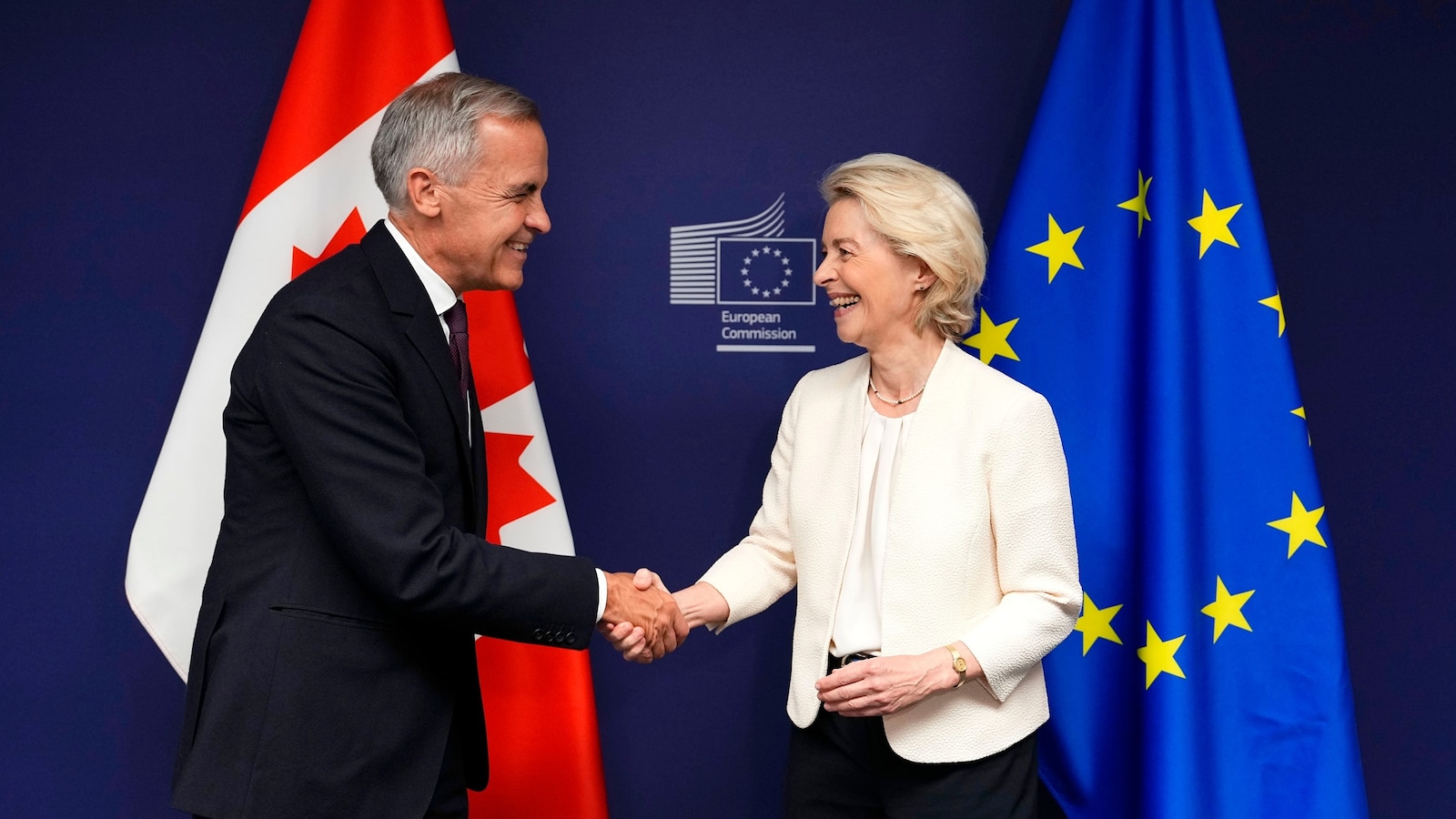
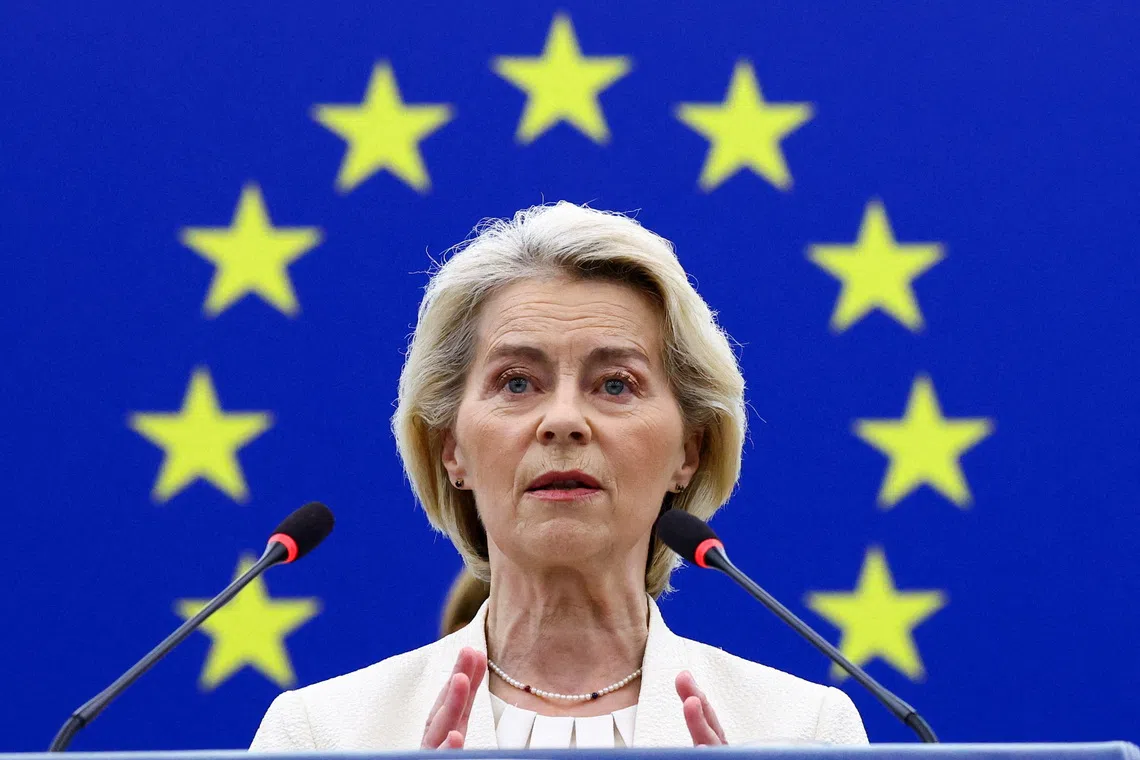
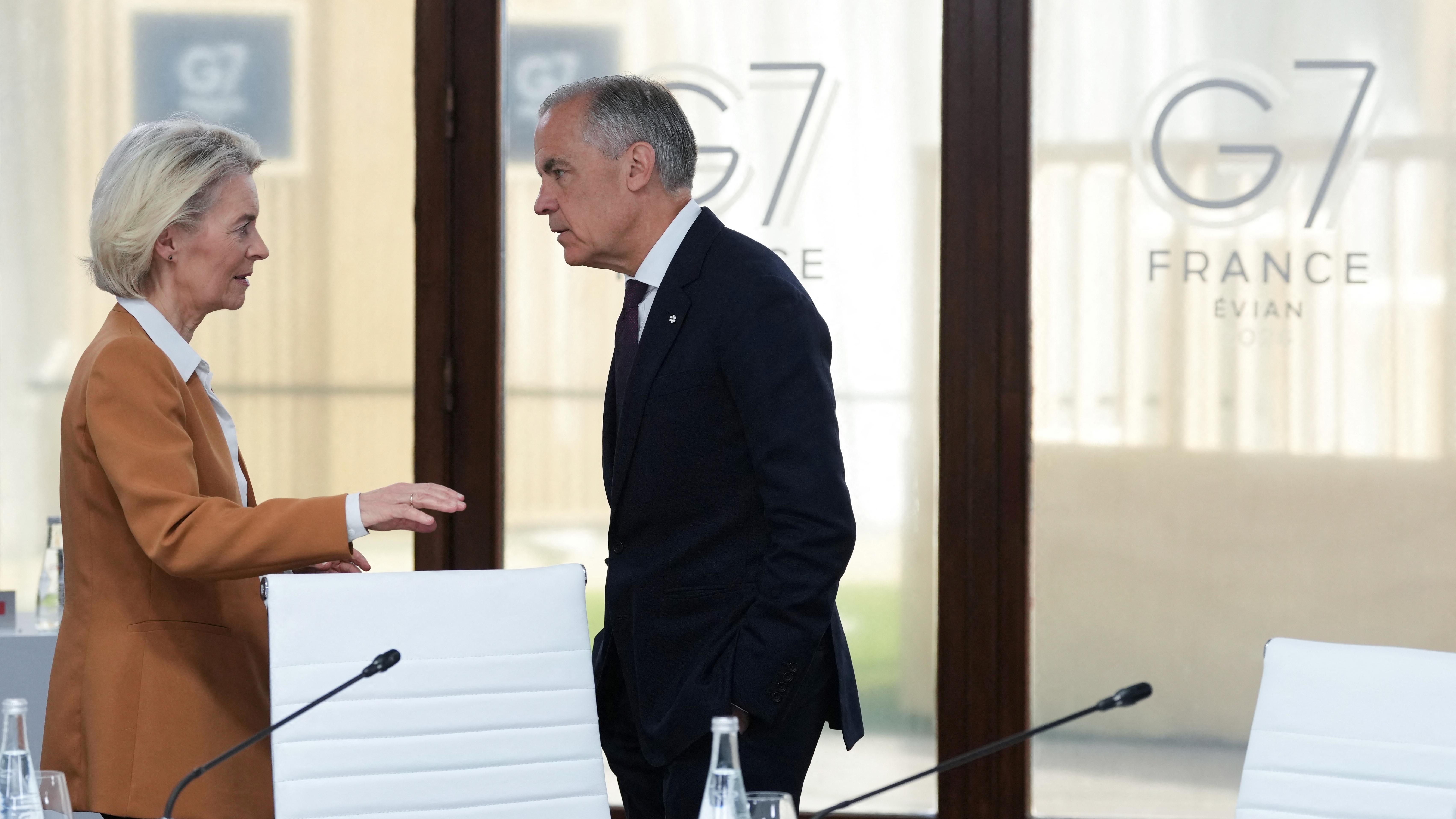
Mark Carney, Canada's prime minister, flew to Strasbourg, France to attend the European Parliament’s annual “State of the European Union” speech given by Ursula von der Leyen, president of the European Commission. Von der Leyen proposed that Canada could become the first "associate member" of the EU, a unique status not currently defined in EU treaties, aiming to deepen ties with Ottawa amid deteriorating relations between Canada and the US under President Donald Trump. Carney plans to deliver his own speech on Thursday, emphasizing Canada's desire for deeper alliances across trade, defense, cultural exchange, and people-to-people connections. The announcement has raised questions about its legal implications and practical implementation within the EU's existing framework, with some officials expressing surprise at the sudden proposal without prior consultation from member states. Critics in Canada argue that such an arrangement could lead to Canadians contributing tax dollars to the EU budget or ceding sovereignty on certain issues. Meanwhile, Britain remains out of this new EU alliance following its Brexit decision, highlighting potential future implications for other nations seeking closer ties with Brussels. The EU's move is seen as a diplomatic gesture towards Canada in a shifting geopolitical landscape dominated by tensions with China and the US. However, details remain vague, leaving many to speculate on the exact nature and benefits of this proposed new status.