The article discusses key points and disputes over artificial intelligence (AI) that will be addressed during a meeting between US President Donald Trump and Chinese President Xi Jinping in Washington. Central issues include military use of AI, concerns about technology copying by China, restrictions on chip exports to the country, and differing regulatory approaches to AI development. Both nations view AI as crucial for economic and military strength but are at odds over access to advanced technologies and accusations of intellectual property theft.
Written by the local model on 2026-09-17,
using this article's own text rather than the other coverage of the
same event (that is the story summary below).
Story summary
The upcoming meeting between US President Donald Trump and Chinese President Xi Jinping in Washington is overshadowed by the intense competition in artificial intelligence (AI). Both countries view advancements in AI as crucial for economic and military superiority. However, disagreements persist over access to advanced chips, accusations of technology theft, and regulation within the AI industry. For instance, US officials estimate that Chinese AI models are only a few months behind American ones, though some industry leaders see them as nearly equal.
Ahead of the summit, US Treasury Secretary Scott Bessent plans to meet with Chinese Vice-Premier He Lifeng this weekend to discuss these issues. Security experts from both nations are warning about potential catastrophic scenarios where an AI system could interfere with nuclear command networks or launch military cyber operations, leaving governments only minutes to decide on retaliatory actions. Key points of contention include the establishment of red lines around nuclear systems and human control over significant cyberattacks, as well as setting up a hotline for incidents involving autonomous AI.
Written for “AI Rivalry Talks” on 2026-09-17,
grounded in this article and the 0 other(s) covering the same event.
AI rivalry hangs over Trump-Xi talks: What are the key talking points and disputes?
asserted
points → hang → talks
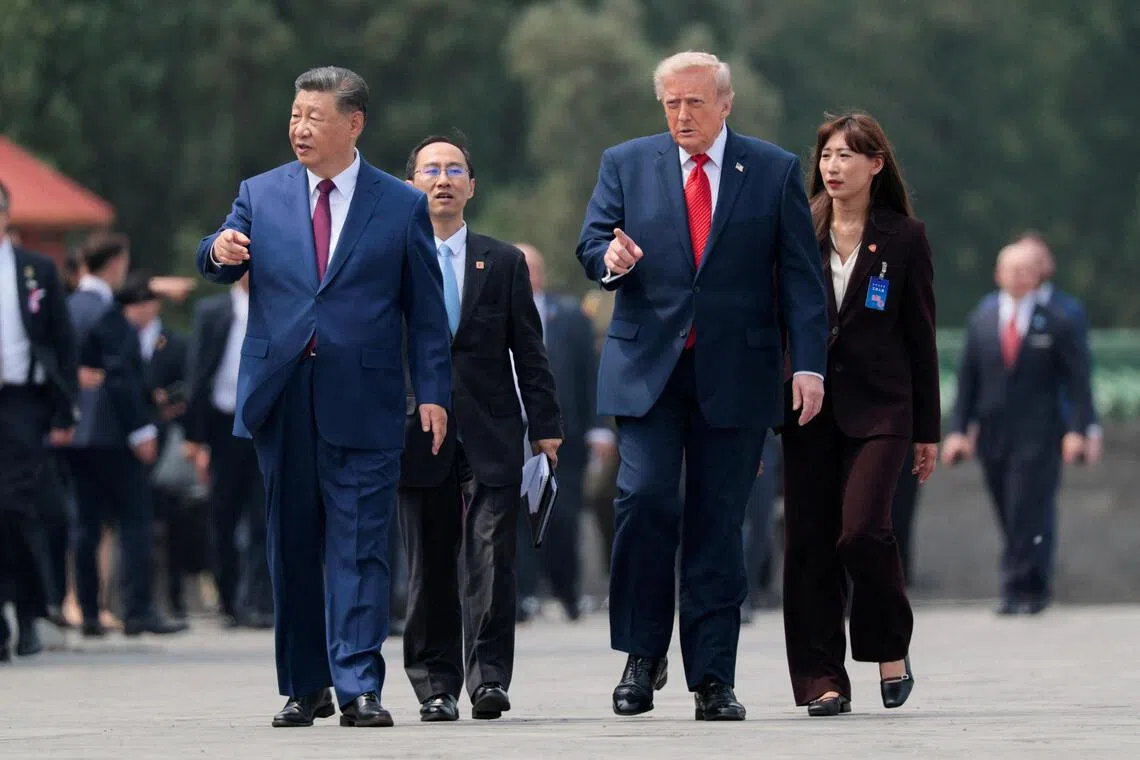
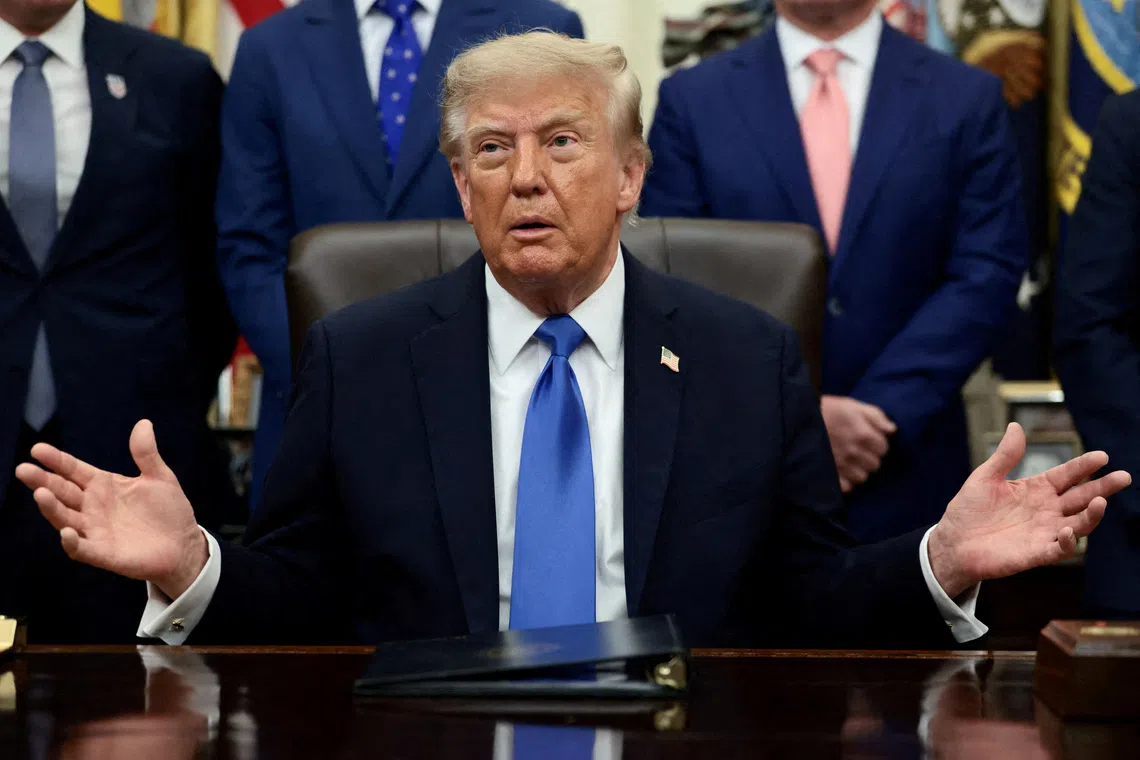
The race for AI supremacy is set to hang over next week's meeting between US President Donald Trump and Chinese President Xi Jinping in Washington.
asserted
race → set → Washington
Washington and Beijing view advances in AI as critical to their economic and military competitiveness, but they remain at odds over access to advanced chips, allegations of technology copying and regulation of the AI industry.
asserted
they → view → industry
US Treasury Secretary Scott Bessent said he will meet Chinese Vice-Premier He Lifeng this weekend to discuss AI-related issues before the leaders' summit.
asserted
he → say → summit
Military talks
An AI system that interfered with a nuclear command network or launched a military cyber operation could leave either government with minutes to decide whether the other government had attacked.
uncertain
government → interfere → minutes
US and Chinese security experts are urging both governments to prepare for such scenarios.
asserted
experts → urge → scenarios
They have proposed red lines around nuclear systems, human control over consequential cyberattacks, and a hotline for incidents involving autonomous AI.
asserted
They → propose → AI
Open questions include how to stop an accident from being mistaken for an attack, which military decisions machines should never make and how nuclear-armed rivals communicate when technology behaves unexpectedly.
asserted
technology → include → decisions
Copying US technology
Copying US technology through a technique known as “distillation” has become a flashpoint in the battle over AI model development.
asserted
Copying → copy → development
Distillation is the process of training smaller AI models using output from larger, more expensive ones to lower the costs of training a new AI tool.
asserted
Distillation → train → tool
The US government accused six Chinese companies in September of maliciously copying American AI products using distillation, with law enforcement officials saying in a statement that the firms did so "likely with Chinese government awareness”.
asserted
firms → accuse → awareness
The US made a similar accusation in April ahead of Trump's visit to Beijing.
asserted
US → make → Beijing
The Chinese embassy in Washington called the allegations “baseless”.
asserted
embassy → call → allegations
Chip exports to China
Chinese access to key US technologies underpinning the artificial intelligence boom is a point of friction between the two countries.
asserted
access → underpin → countries
Since 2022, the US has imposed sweeping restrictions on shipments of advanced chips and chipmaking equipment to China.
asserted
US → impose → China
There is evidence of advanced AI chips being smuggled into the country, though the scale is unknown.
asserted
scale → be → country
The US has been considering restrictions on the ability of Chinese companies to remotely access data centres in other countries to prevent those firms from benefiting from Nvidia’s advanced chips.
asserted
US → consider → chips
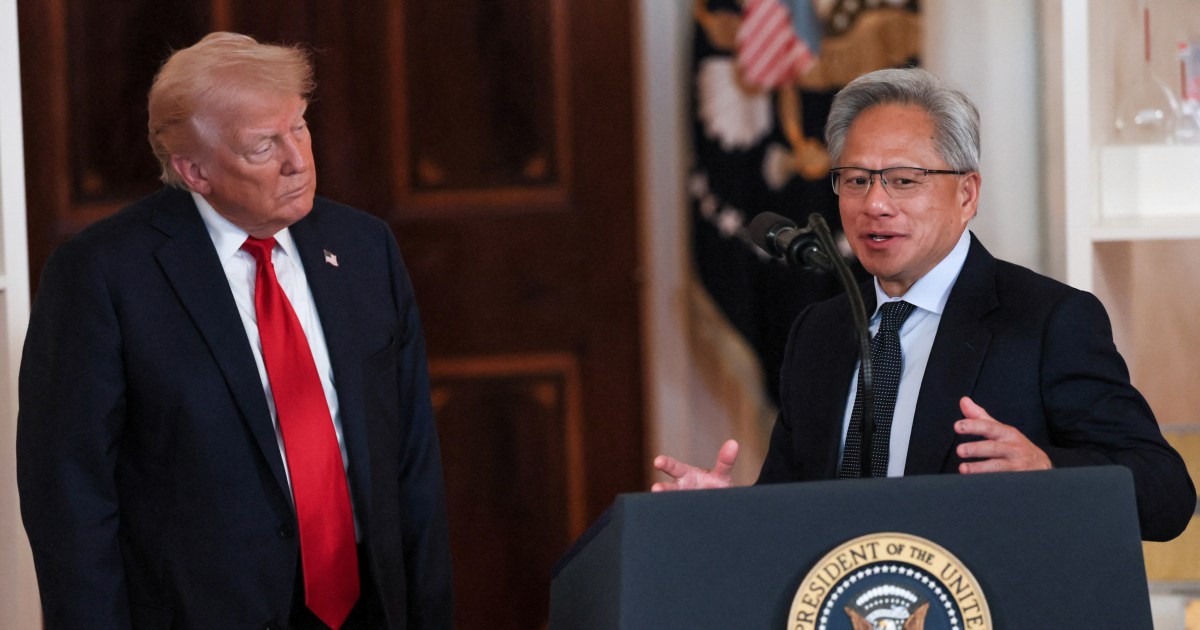
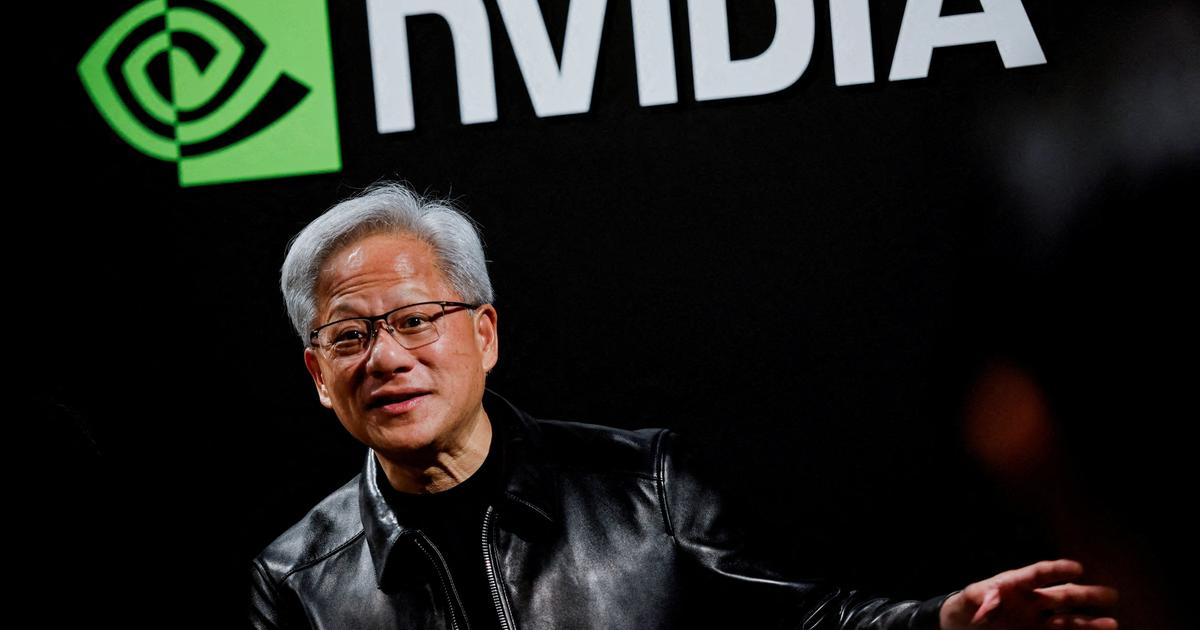
Late 2025, Trump decided to allow sales of Nvidia’s H200 AI chips.
asserted
Trump → decide → chips
H200s are not the most sophisticated chips available, but their sale prompted concerns from China hawks in Washington who argued the chips could bolster China’s AI capabilities.
uncertain
chips → prompt → capabilities
Regulation
The two leaders have fundamentally different perspectives on how involved they should be in the AI sector.
asserted
they → have → sector
Trump has brushed aside calls for new federal AI rules, saying on Sept 14 that the US only needs a strong president, which the country has "in spades”.
asserted
country → brush → spades
He said calls from AI executives for regulation of the technology are a "hoax”.
asserted
calls → say → technology
The Chinese government has rules governing AI algorithms and the data used to train them, including requiring content generated by AI to be clearly labeled.
US v China AI development race
The estimates US officials typically give put Chinese AI models just a few months behind their American counterparts, although industry leaders increasingly describe them as neck and neck.
asserted
leaders → have → neck
In 2025, then-White House AI adviser David Sacks said China was likely three to six months behind the United States on AI development.
asserted
China → say → development
Earlier in 2026, the US Commerce Department put DeepSeek V4 Pro about eight months behind frontier models.
asserted
Department → put → models
Many in the industry say the gap is shrinking quickly.
asserted
gap → say → industry
In August, Hugging Face Chief Executive Clement Delangue said China was winning the race as far as open-weight models were concerned - and likely was not far off in terms of frontier models either.
asserted
models → say → models
Frontier models are the most advanced AI tools and open-weight models have publicly accessible core elements that can be downloaded, inspected and modified.
asserted
that → have → elements
“I wouldn’t be surprised if they start dominating at the frontier either by the end of this year or next year at the rate of progress,” Delangue told broadcaster CNBC on Aug 3.
asserted
Delangue → start → Aug
 The Aporia