Canada is 'the most European of non-European countries,' says Stéphane Dion
asserted
Dion → say → countries
Former special envoy to the EU says Canada will always retain its sovereignty as it grows closer to Europe
It's in Canada's best interest to form a stronger alliance with Europe, regardless of what happens in the U.S.-Canada trade war, says Canada's former envoy to the European Union.
asserted
envoy → say → Union
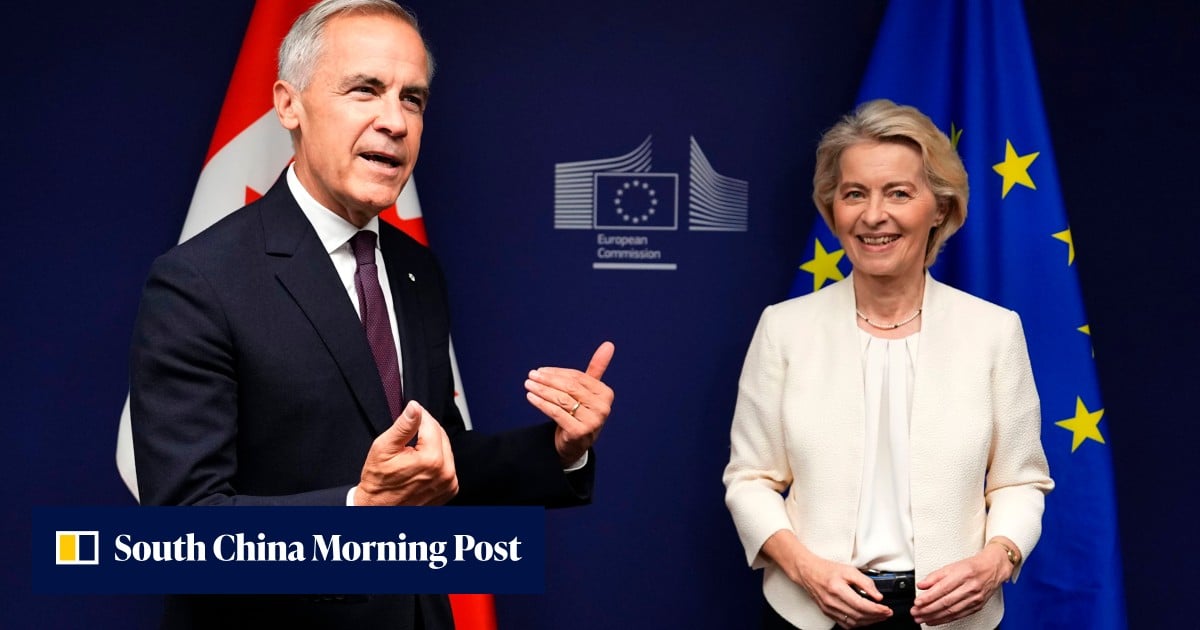
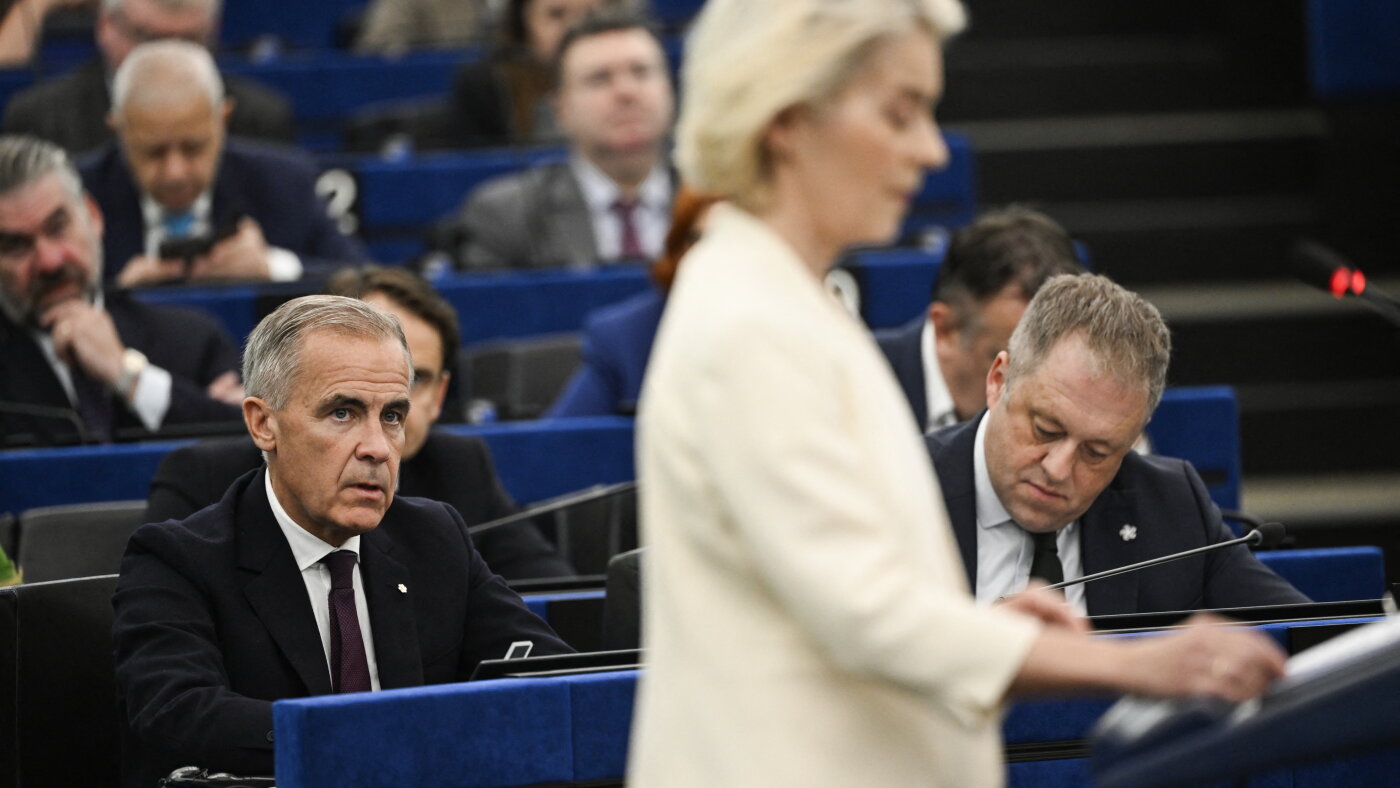
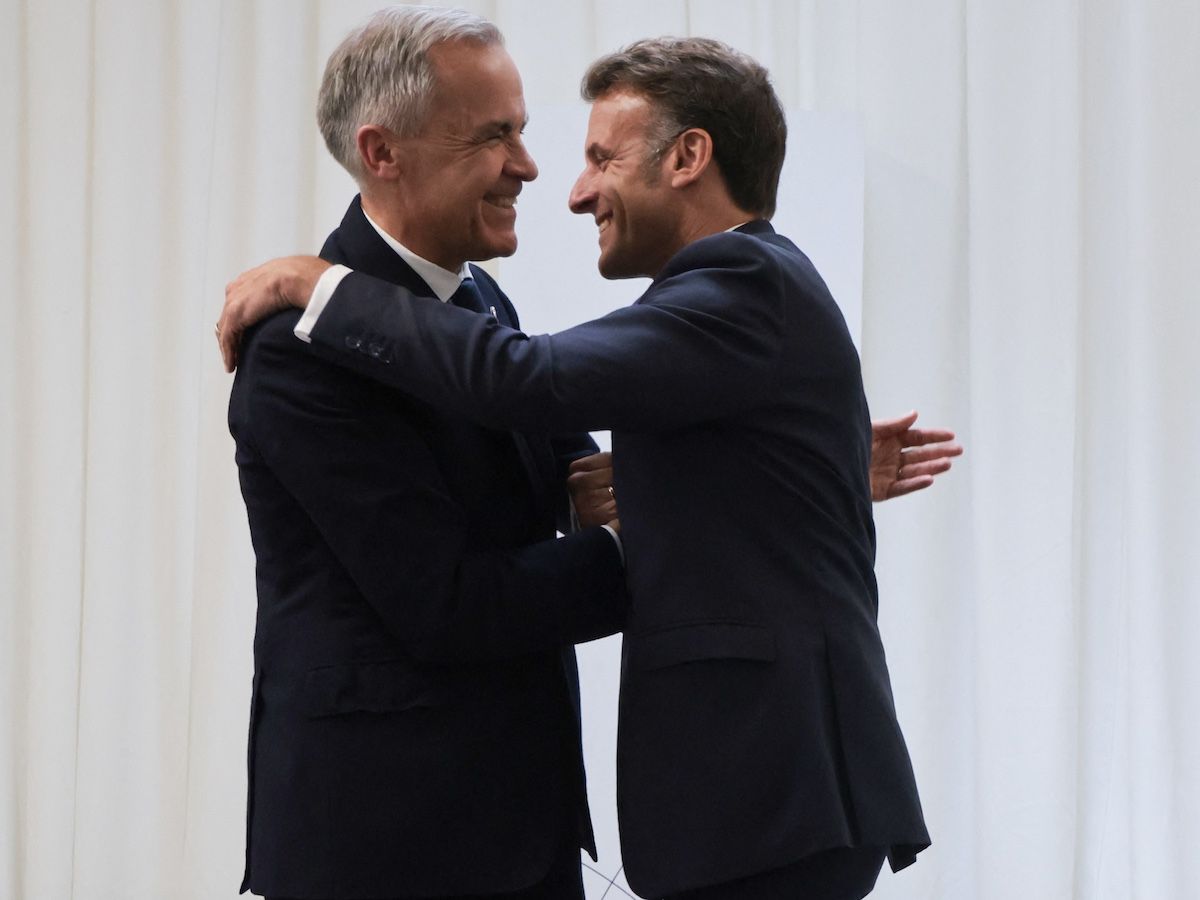
During a speech in France on Wednesday, European Commission President Ursula von der Leyen sang Prime Minister Mark Carney's praises and said Europe wants to open the door for Canada to become an "associate member" of the EU.
asserted
Canada → sing → EU
What exactly that means remains unclear, as there is no such legal designation in the EU.
uncertain
means → mean → EU
Jonathan Wilkinson, Canada's incoming ambassador to the EU, said both sides remain "a ways away" from settling on a description for a potential relationship, let alone a label.
asserted
sides → say → relationship
Conservative Leader Pierre Poilievre, meanwhile, has said that any kind of membership in the EU could force Canadians to "pay higher taxes to a government in Europe or to follow laws made by European bureaucrats."
uncertain
kind → say → bureaucrats
Former Liberal leader Stéphane Dion, who was special envoy to the EU between 2017 and 2025, says there's no chance of that ever happening.
asserted
that → say → 2017
Here's part of his conversation with As It Happens host Nil Köksal.
asserted
It → happen → Köksal
But the use of that phrase "associate member" ... what does that language signal to you?
asserted
language → signal → you
Are you happy to hear that phrasing?
asserted
you → hear → phrasing
I think what President von der Leyen wanted to do is to signal how much she's ambitious in the relationship between Canada and the EU.
asserted
she → think → Canada
She did it also to convince the EU members to have the same ambition.
asserted
She → do → ambition
What the prime minister doesn't want, though, is to give the sense that it may mean that Canada would transfer to Brussels part of its sovereignty, that some of the federal or provincial jurisdiction would be handled from Brussels.
uncertain
some → want → Brussels
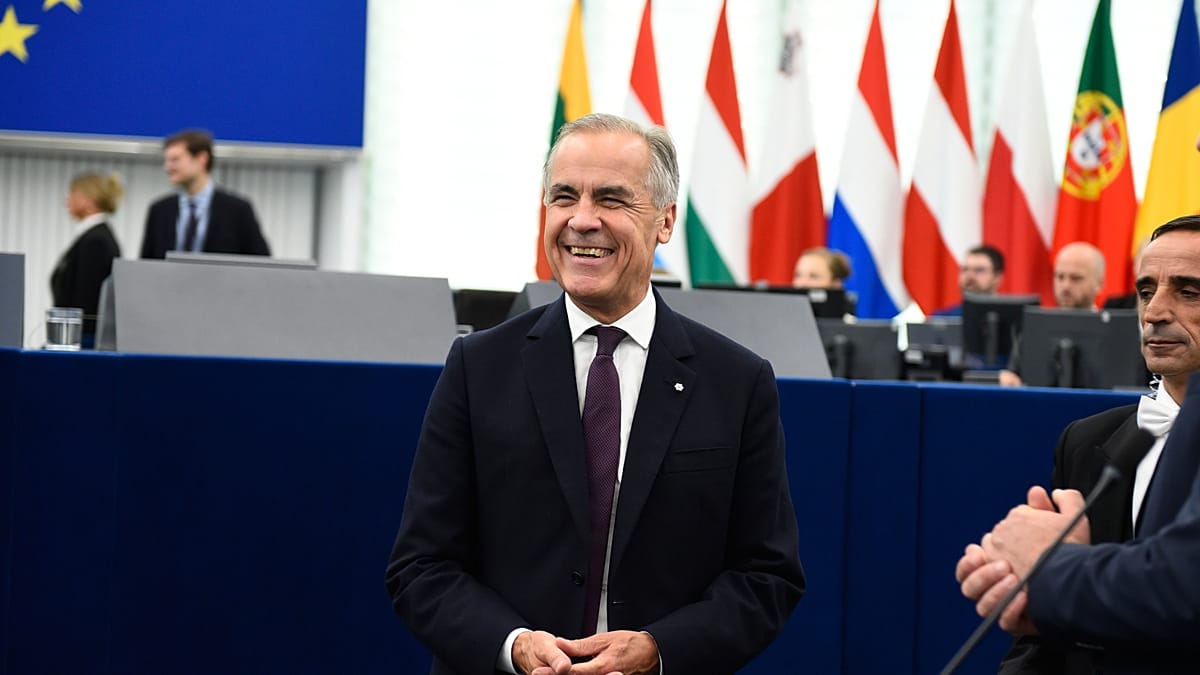
I think the prime minister will tomorrow, [in his speech before European Parliament], make very clear that he wants a very strong relationship, the ability to develop trade or military support or contracts or scientific co-operation and so on, but as two sovereign entities.
asserted
he → think → entities
Do you get the sense at this stage that Canadian officials are maybe caught off guard by the language in this overture from Ursula von der Leyen, or were they expecting it and are prepared to counter it in a diplomatic way?
asserted
they → get → way
I suspect they are a bit surprised, and the leaders of the member states as well.
asserted
they → suspect → states
But the key point for all of us, I think, it's not the label we'll call it.
asserted
we → think → it
The key moment will be 29th and 30th of October in Canada when the EU and Canada will have the next summit.
asserted
EU → have → summit
I think the prime minister tomorrow will announce where the summit will happen.
asserted
summit → think → ?
And at this summit, we need to take stock of the improvement of our relationship and how far we may go for the years to come.
uncertain
we → need → years
When you were in your previous role, I mean, could you have imagined this level of closeness or that we would be discussing this sort of thing at this moment?
uncertain
we → mean → moment
Yes, we were working hard to always strengthen the relationship with the EU.
asserted
we → work → EU
The label we would call it was not an issue at that time.
asserted
we → call → time
It became an issue today.
asserted
It → become → ?
I want now concrete results.
asserted
I → want → results
To give you an example, for years we say we need to co-operate about critical minerals.
asserted
we → give → minerals
Now, we need to see German, French, Italian, Polish investments coming big time in Canada to develop this mining activity and to bring the resource to the market, including, of course, the EU market.
asserted
investments → need → market
Conservative Leader Pierre Poilievre is … raising concerns about things that, from what I hear from you, you don't believe are on the table.
asserted
you → raise → table
But should questions of sovereignty be, you know, a concern for Canadians, even at this stage?
asserted
you → know → stage
Yes, but the idea that Canada would be a member of the EU, we never reached the first base.
asserted
we → reach → base
We never accepted the loss of sovereignty it would mean.
asserted
it → accept → sovereignty
They would have very [many] difficulties to welcome us as a member because they are afraid of our competition, especially our agriculture.
asserted
they → have → competition
So it would not work.
asserted
it → work → ?
What would work, though, is to have stronger partnerships on all the issues the prime minister will speak [about] in his speech tomorrow — scientific co-operation, trade, investments, military co-operation, the Arctic.
asserted
minister → work → speech
They said "no" in a referendum in Iceland ... just to continue talks about potentially, you know, joining the EU because there were concerns there about sovereignty and fishing, in particular.
asserted
you → say → sovereignty
So, it's not only Pierre Poilievre raising these issues.
asserted
it → raise → issues
How does that example in Iceland, you know, fit into the Canadian example or concerns people here might have?
uncertain
people → know → example
Well, in Iceland, they went as far as to ask the question, should we join the EU?
asserted
we → go → EU
In Canada, nobody's speaking about that except in some corners, but it's not mainstream.
asserted
it → speak → corners
So I don't think there is a partisan disagreement about that.
asserted
I → think → that
…and 20 more, not listed.
 The Aporia