That is 0 articles you have read today.
The Aporia is free and carries no advertising, so readers are the only
thing paying for it. If you are getting this much out of it, a small
donation is what keeps it independent.
Daily limit reached
You have read 0 articles today.
That is more than the 15 a day The Aporia gives away,
and well past what it can carry on nothing. Your allowance resets at
midnight.
There is no advertising here and nothing about you is sold, so readers
are the only thing paying for it. If the site is worth this much of
your day, it is worth a few dollars.
Everything else stays open: the
maps, the
directory and
search do
not count against this, and neither does re-opening something you have
already read today.
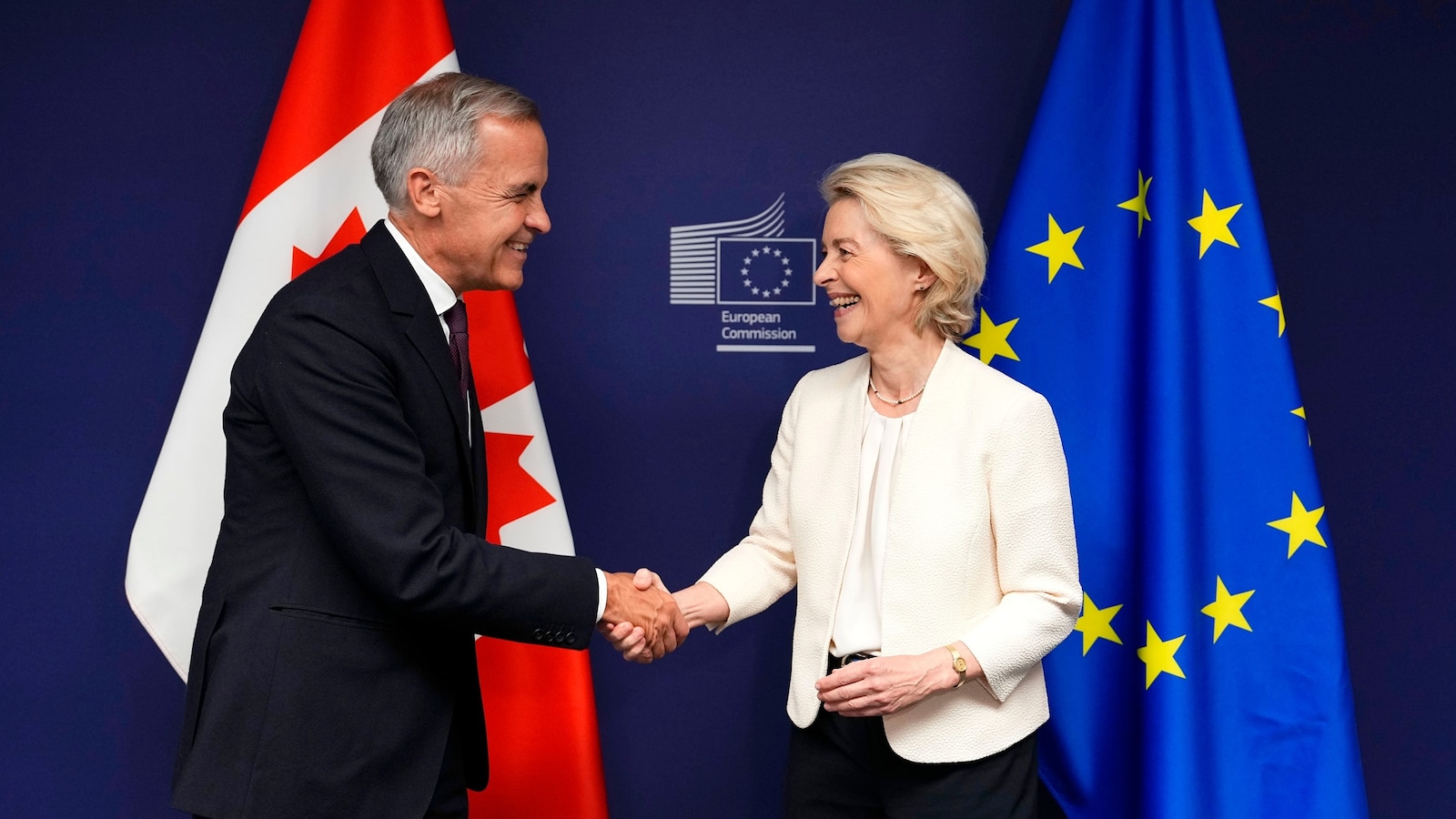
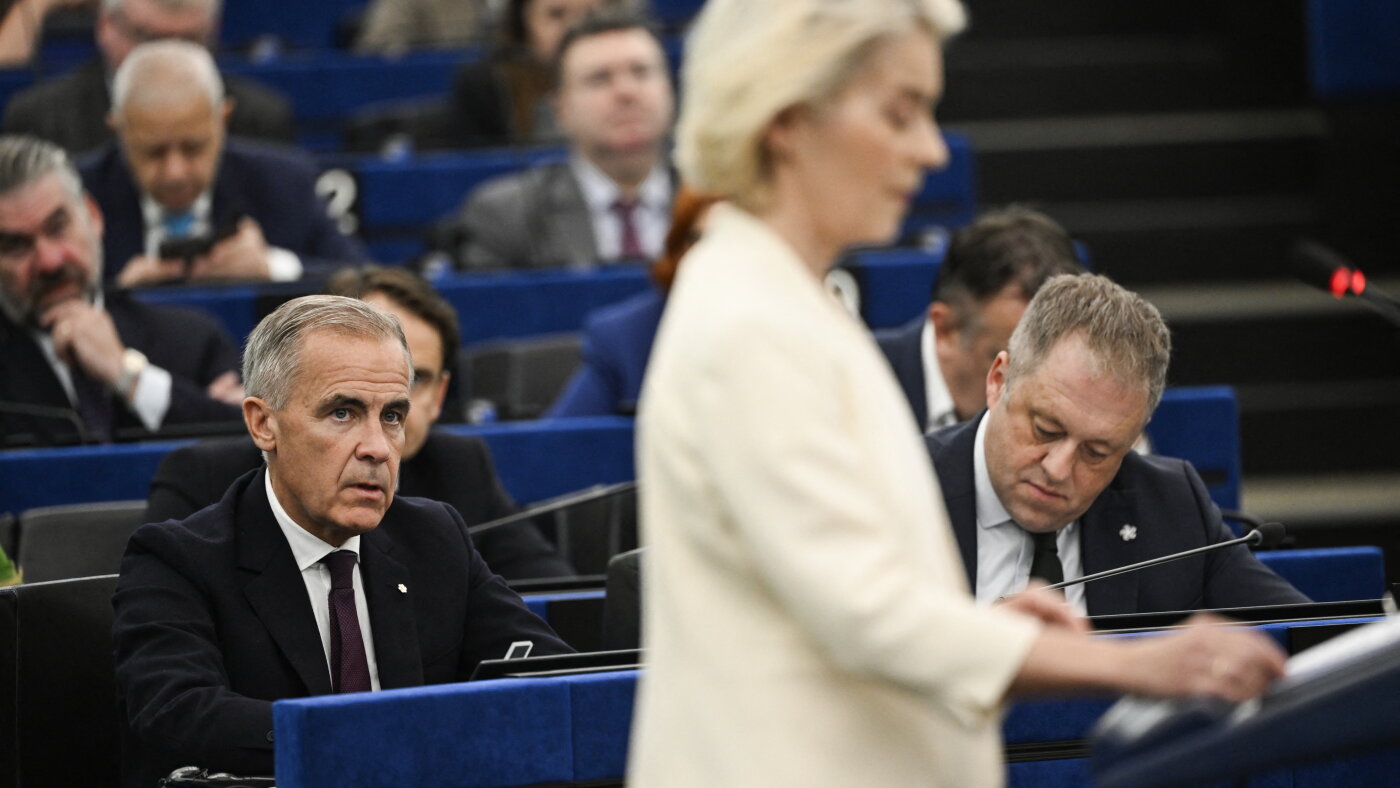
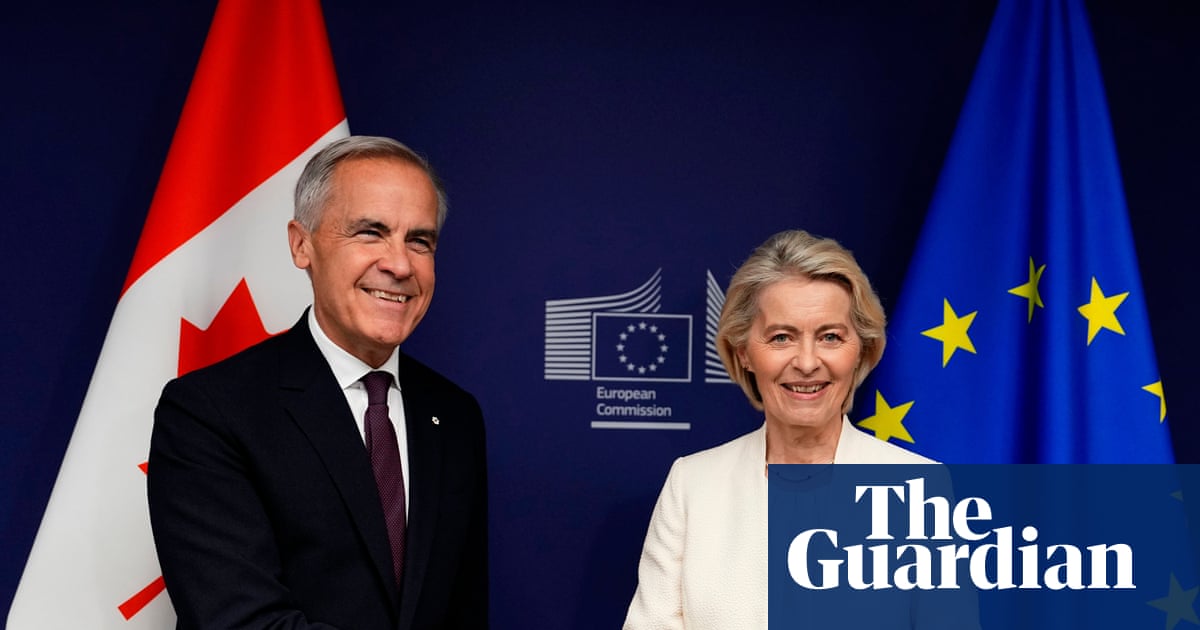
Canadian Prime Minister Mark Carney addressed the European Parliament in Strasbourg to welcome a proposal by EU President von der Leyen that would make Canada the first associate member of the European Union. Carney emphasized cooperation on strategic capabilities and seamless digital trade while asserting that this partnership is not aimed at dominating others but rather enhancing resilience against great-power rivals like China. Trump threatened retaliatory tariffs if the EU moves forward with the proposal, which the EC maintains is not a hostile act.
Written locally by qwen2.5:14b on 2026-09-17,
using this article's own text rather than the other coverage of the
same event (that is the story summary below).
Story summary
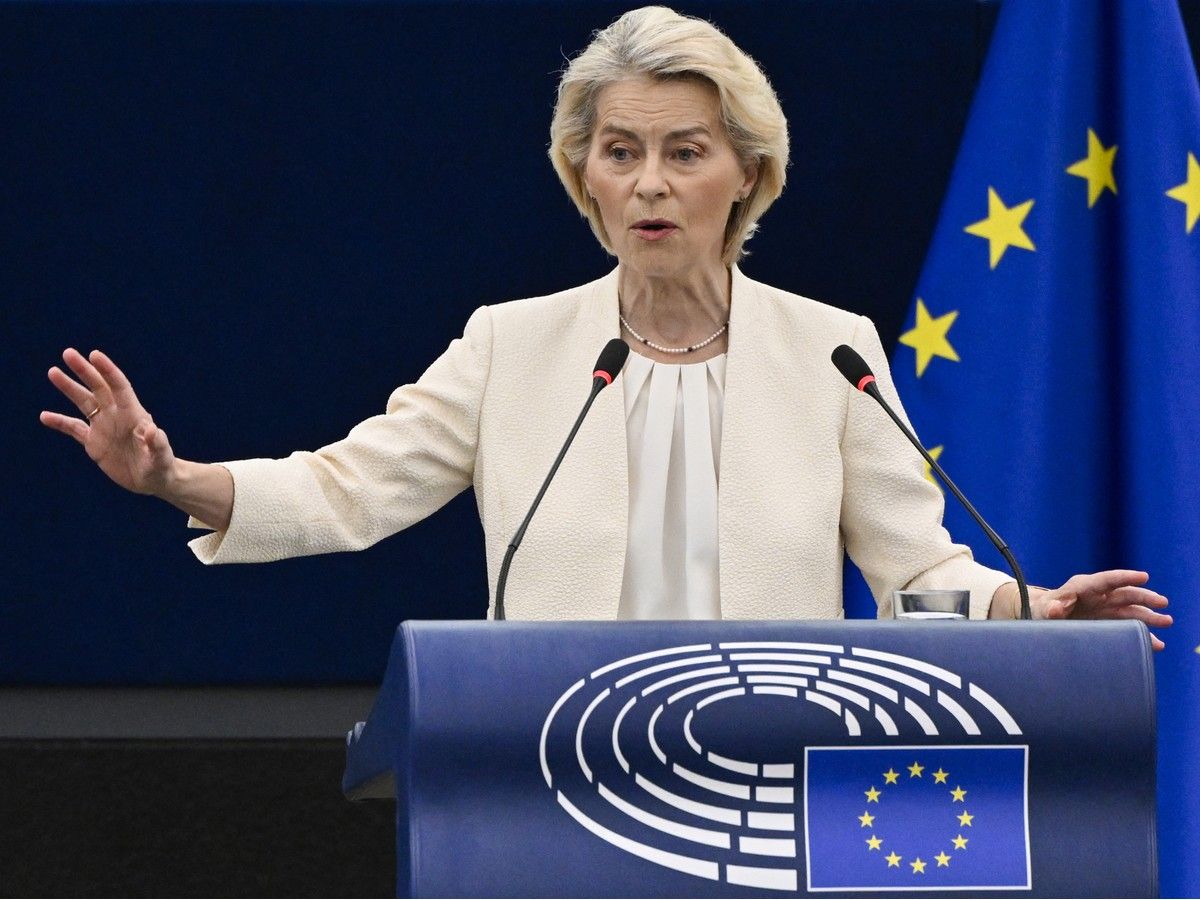
European Commission President Ursula von der Leyen announced plans for Canada to potentially become an "associate member" of the EU during her annual State of the European Union address in Strasbourg on September 14, 2022. This move was seen as a strategic choice amid deteriorating ties between Canada and the US under then-President Donald Trump, who had threatened tariffs and even suggested annexing Canada. The proposal caught many EU diplomats off guard, as it hadn't been discussed with all member states beforehand.
While Mark Carney, the Canadian premier mentioned in some articles (though officially he is not Canada's leader), welcomed the idea during his visit to Brussels, critics question what "associate membership" actually entails since it does not exist under current EU treaties. Experts suggest this arrangement could be more symbolic than practical and might create challenges for future relationships with countries like the UK that are seeking closer ties after Brexit.
The proposal raises questions about sovereignty and potential regulatory burdens for Canada, especially regarding economic policies and trade agreements. Without clear details on how such a status would function legally or economically, opposition parties in Canada have begun voicing concerns over possible impacts on Canadian autonomy and financial obligations to European institutions.
Written for “EU Canada Associate Membership” on 2026-09-17,
grounded in this article and the 12 other(s) covering the same event.
Why this leaning score
The article's own words the score was based on. Each is quoted
verbatim and was checked against the article text before being
stored, so you can find it in the original.
Leaning score -0.45 for article 15959 (high confidence, 1 verified quote) · logged 2026-09-17
Canadian Prime Minister Mark Carney has welcomed the prospect of his country becoming the European Union’s first associate member, saying such an alliance is aimed to be a “beacon for democracies” and not to “dominate others”.
asserted
alliance → welcome → others
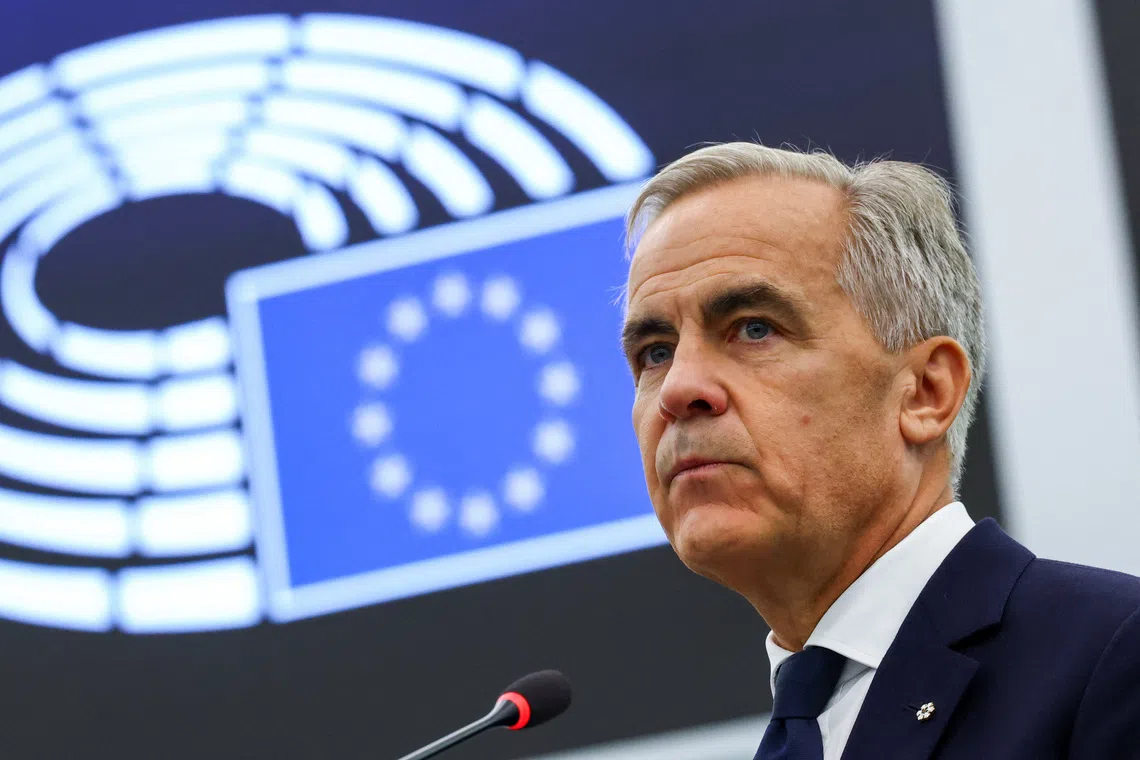
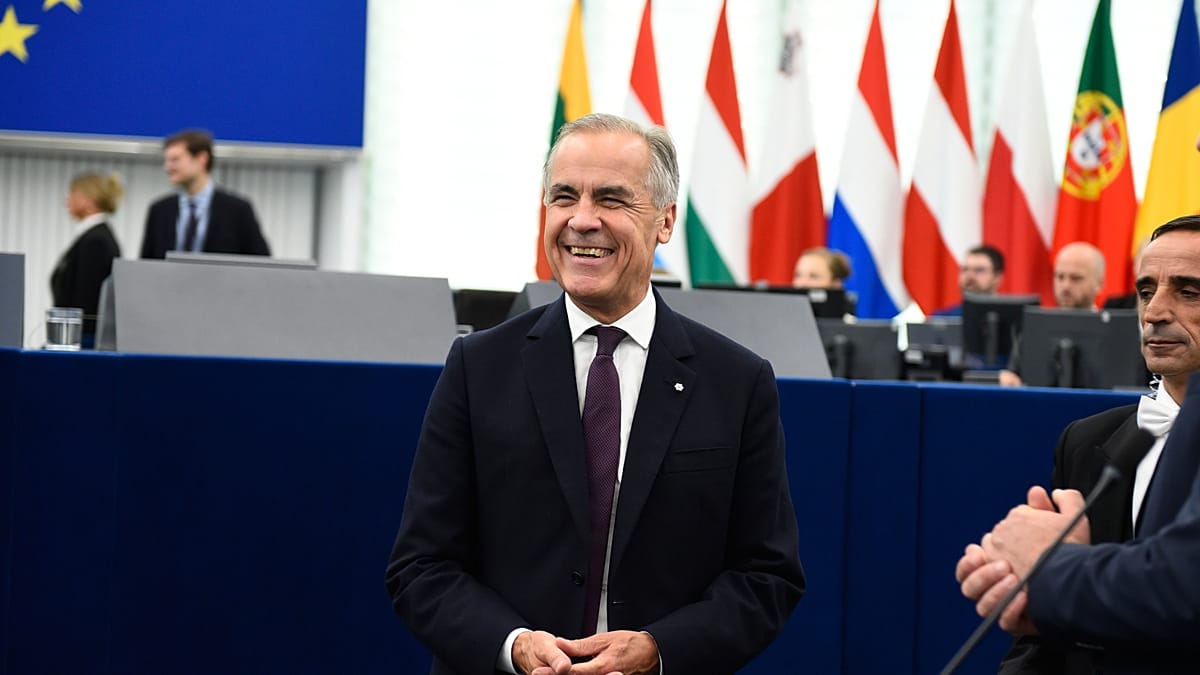
Speaking in the European Parliament in Strasbourg, Carney said Canada “welcomes” von der Leyen’s ambition to make the country an associate member.
asserted
country → speak → ambition
Recommended Stories
list of 3 items- list 1 of 3EU states to raise game as Arctic becomes strategic geopolitical frontier
- list 2 of 3Mark Carney pitches Canada to global investors amid US trade war
- list 3 of 3How
asserted
Carney → raise → war
Canadians are bracing for the impact of Trump’s trade war
asserted
Canadians → brace → war
We do not pursue zero-sum deals.
asserted
We → pursue → deals
We hold common values for which we have always fought, and in whose defence we must always remain vigilant,” Carney said to applause from European lawmakers.
asserted
Carney → hold → lawmakers
“I am not proposing a third bloc in order to become a great-power rival – only with better manners,” he continued.
asserted
he → propose → manners
“We do not seek power to dominate others.
asserted
We → seek → others
On the contrary, we are pursuing resilience so that no one can control our open markets, impair our sovereignty, threaten our territorial integrity, or undermine our freedoms, our democracies, our rule of law.”
asserted
one → pursue → law
Carney listed a slew of areas where he wanted to ramp up cooperation.
asserted
he → list → cooperation
“Canada and Europe should secure our strategic autonomy through deep cooperation in the full range of strategic capabilities, including critical minerals, defence industrial capacity, AI and compute, energy security, space and payments.”
asserted
Canada → secure → minerals
He also said the EU and Canada should move towards “seamless digital trade” and allow young people from both sides to work and study on either side of the Atlantic.
asserted
people → say → Atlantic
The EU and Canada have been facing stiff rivalry and pressure from Trump’s administration on trade, among other matters, and from an increasingly assertive China.
asserted
EU → face → China
Trump threatened late on Wednesday to take action against the EU if it moves forward with von der Leyen’s proposal of associate membership for Canada.
“
asserted
it → threaten → Canada
If they do that, if I think it’s at all a hostile act, I will put very serious tariffs or stop trading with Europe on many things,” Trump told reporters, calling the proposal “laughable”.
asserted
Trump → do → proposal
“If it’s a good intention, that’s fine.
asserted
that → ’ → ?
If it’s a bad intention, we’ll put very heavy tariffs on Europe,” he added.
asserted
he → ’ → Europe
The European Commission (EC) said von der Leyen’s proposal – which is yet to be fleshed out and will need to be approved by EU member states to go forward – was not a hostile act.
asserted
which → say → states
“As our President (von der Leyen) made clear yesterday, the proposed strengthening of our partnership with Canada is not against anyone else, but for our common strength,” said Olof Gill, an EC spokesperson.
asserted
Gill → make → strength
 The Aporia