That is 0 articles you have read today.
The Aporia is free and carries no advertising, so readers are the only
thing paying for it. If you are getting this much out of it, a small
donation is what keeps it independent.
Daily limit reached
You have read 0 articles today.
That is more than the 15 a day The Aporia gives away,
and well past what it can carry on nothing. Your allowance resets at
midnight.
There is no advertising here and nothing about you is sold, so readers
are the only thing paying for it. If the site is worth this much of
your day, it is worth a few dollars.
Everything else stays open: the
maps, the
directory and
search do
not count against this, and neither does re-opening something you have
already read today.
On September 16, Canada applied to join the UK-led Joint Expeditionary Force (JEF), a rapid response military coalition consisting of ten NATO member states. Prime Minister Mark Carney's office announced that this move aims to diversify Canada’s defense relationships beyond its strong ties with the United States. The application follows discussions between Carney and British Prime Minister Andy Burnham on opportunities for defense cooperation, including participation in the Global Combat Air Programme.
Written by the local model on 2026-09-17,
using this article's own text rather than the other coverage of the
same event (that is the story summary below).
Story summary
Canada has formally applied to join the UK-led Joint Expeditionary Force (JEF), a rapid response military coalition comprising 10 NATO member states, as part of Prime Minister Mark Carney's efforts to diversify the country's defense ties beyond its traditional alliance with the United States. The JEF includes Denmark, Estonia, Finland, Iceland, Latvia, Lithuania, the Netherlands, Norway, Sweden, and the UK. During a meeting in northern England with British Prime Minister Andy Burnham, both leaders discussed potential military cooperation through initiatives like the Global Combat Air Programme, which Canada joined as an observer in July 2026. This move by Canada aims to strengthen its military relationships within Europe while reducing reliance on US defense partnerships.
Written for “Canada Joins Military Coalition” on 2026-09-17,
grounded in this article and the 0 other(s) covering the same event.
Why this leaning score
This article does not take a side on a contested political
question, so it has no leaning score. That is an
answer rather than a gap: a match report or a rescue can be warmly
or critically written without being left or right, and scoring it
anyway is how approval of a subject gets recorded as a political
position.
No political leaning scored for article 14605 · logged 2026-09-17
Canada applies to join UK-led military coalition
OTTAWA, Sept 16 -
asserted
Canada → apply → coalition
Canada, seeking to diversify its defense ties away from the United States, has formally applied to join the British-led Joint Expeditionary Force military coalition, Prime Minister Mark Carney's office said on Wednesday.
asserted
office → seek → Wednesday
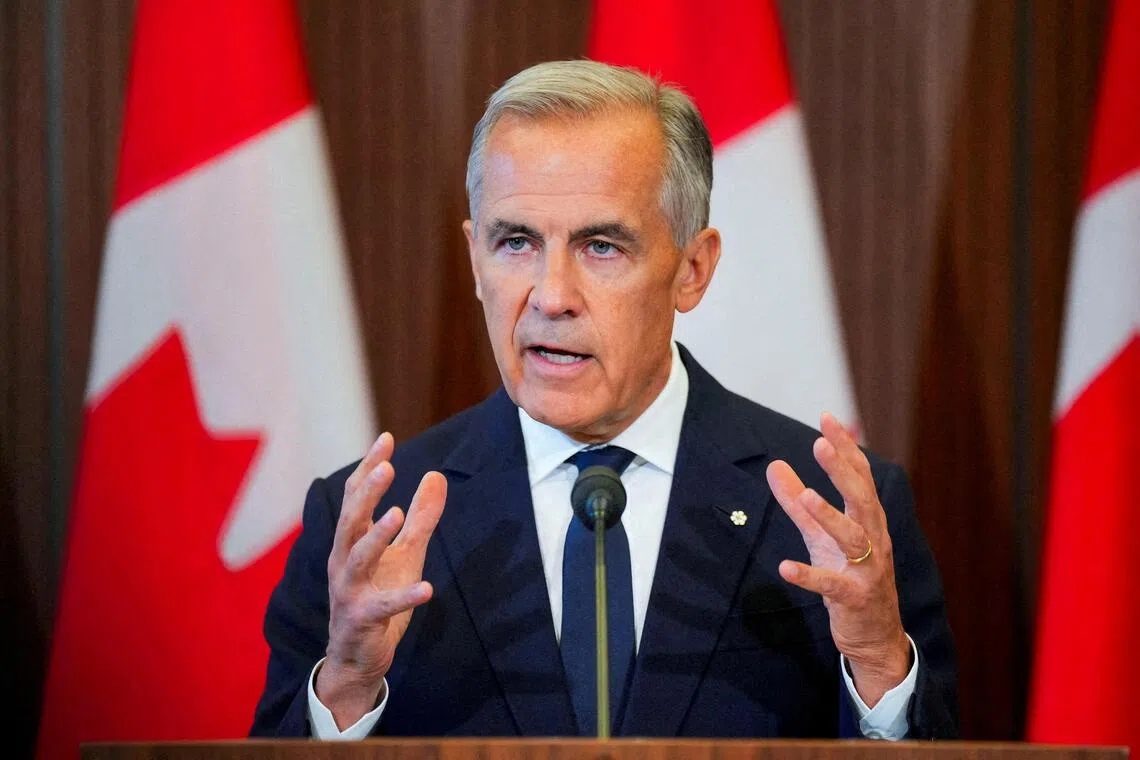
"Prime Minister Carney announced that Canada has formally applied to join the Joint Expeditionary Force and welcomed the UK's support for Canada's participation in this important initiative," Carney's office said in a statement.
asserted
office → announce → statement
Canada, already a member of NATO, is seeking closer military cooperation with European nations as it tries to reduce its reliance on the United States.
asserted
it → seek → States
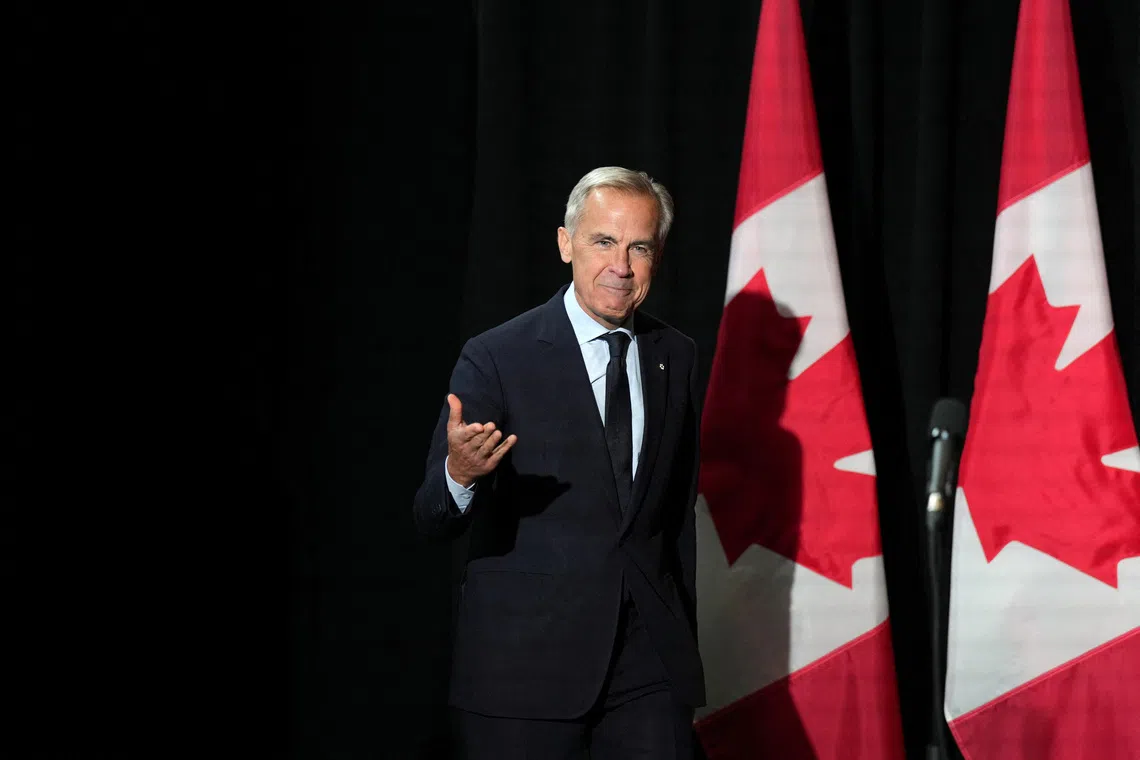
Carney had earlier met British Prime Minister Andy Burnham in northern England.
asserted
Carney → meet → England
The two men discussed opportunities for defense industrial cooperation through the Global Combat Air Programme, an advanced fighter jet project that Canada joined as an observer in July 2026, Carney's office said.
asserted
office → discuss → July
The JEF comprises Denmark, Estonia, Finland, Iceland, Latvia, Lithuania, the Netherlands, Norway, Sweden and the United Kingdom.
asserted
JEF → comprise → Denmark
 The Aporia