US strikes key Iranian island as Trump talks up prospects of peace deal
AI
asserted
Trump → strike → deal
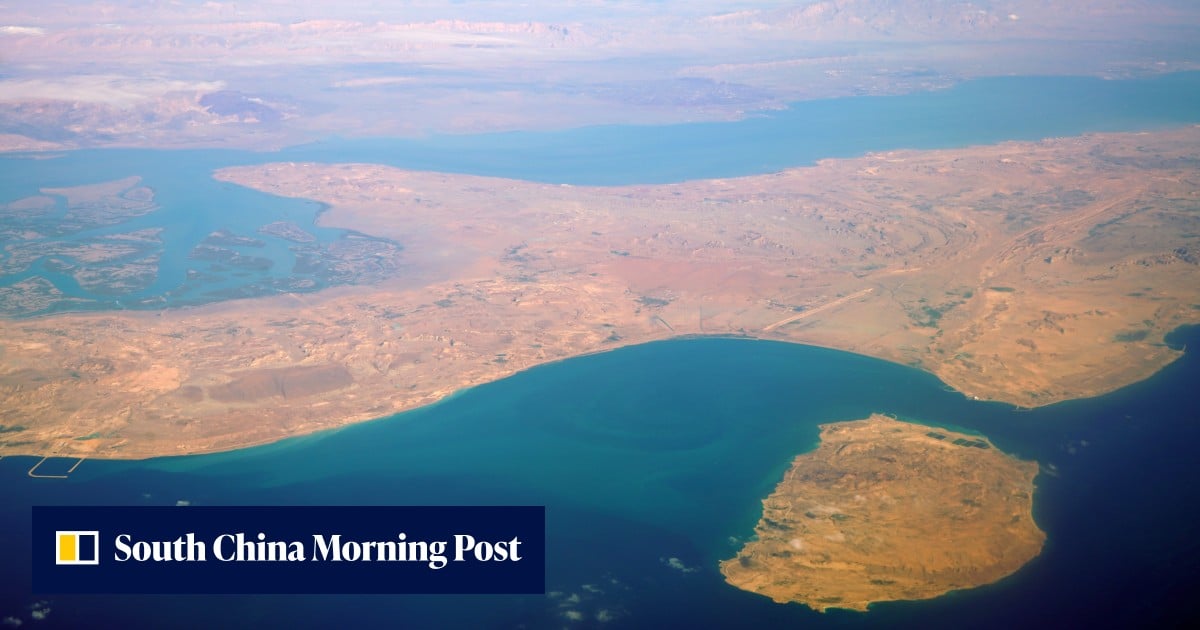
The United States launched limited strikes on an Iranian island in the Strait of Hormuz on Nov 3, hours after President Donald Trump signalled diplomatic progress with Tehran.
asserted
Trump → launch → Tehran
The strikes, first reported by The Wall Street Journal, hit Qeshm island, where Iranian state media reported five explosions in rapid succession.
asserted
media → report → succession
Unnamed US officials and other outlets described the attacks as defensive in nature, while the Journal said it was just the latest of several undeclared strikes.
The newspaper said the strikes were not publicly announced to avoid the impression Washington intended to resume major combat operations.
asserted
Washington → describe → operations
The US, alongside Israel, launched the war with a massive wave of surprise strikes on Iran in late February, but it has not achieved its war aims and the conflict has been stalemated for months.
asserted
conflict → launch → months
On Nov 2, a day before voters were predicted to hand his Republican party a drubbing in midterm elections in part over dissatisfaction with the war and the inflation it has brought, Trump said a deal with Iran “could happen”.
uncertain
deal → predict → Iran
“Iran wants a settlement, as soon as possible,” Trump posted on his Truth Social Platform.
asserted
Trump → want → Platform
Iran’s President Masoud Pezeshkian said his government has been granted more authority by Iran’s supreme leader Mojtaba Khamenei to pursue peace talks.
asserted
government → say → talks
“We are striving to resolve the issue through dialogue and, in this regard, the supreme leader has also granted certain powers to the government,” the state-run Islamic Republic News Agency cited Pezeshkian as saying on Nov 2.
asserted
Agency → strive → Nov
Iranian Foreign Minister Abbas Araghchi, meanwhile, said indirect talks were taking place.
asserted
talks → say → place
“Given the sensitivity and gravity of the current situation, consultations and deliberations are very intensive,” Araghchi told state media.
asserted
Araghchi → give → media
On Nov 3, Mohammad Bagher Ghalibaf, who has been Tehran’s chief negotiator in talks with the US, said, while Iran is ready for war, it has given Washington a “rational response”.
asserted
it → say → response
“The ball is now in America’s court to prevent war,” he said.
asserted
he → prevent → war
Oil prices plunged by more than 7% on Nov 2 on optimism over a possible end to the eight-month-old conflict.
asserted
prices → plunge → conflict
US Vice-President J.D. Vance said both he and Trump were optimistic about securing an agreement.
asserted
he → say → agreement
“We’ve certainly made some progress.
asserted
We → make → progress
We’ll see if we can make some more,” Vance told reporters on Nov 2.
asserted
Vance → see → Nov
China also called for a return to diplomacy, while Iran’s security chief discussed the conflict with Russian President Vladimir Putin.
asserted
chief → call → Putin
Last week, the Axios news outlet reported that Vance sent a letter to Iranian national security chief Mohsen Rezaei about possible new talks, marking the highest-level move in months.
asserted
Vance → report → months
Iran’s First Vice-President Mohammad Reza Aref said the messages received from Washington were “an acknowledgement of our victory”.
asserted
messages → say → victory
A senior Iranian official said Tehran was ready to reopen Hormuz, a key route for global oil and gas supplies, within two days but only if Washington agreed to its longstanding list of demands.
asserted
Washington → say → demands
In September, Iran proposed a seven-day plan to reopen the strait, with demands including ending the war on all fronts, unfreezing Iranian assets, lifting oil sanctions and ending its counter-blockade of Iranian ports.
asserted
Iran → propose → ports
“The possibility of implementing this plan in two days is another indication of Iran’s good-faith approach,” Tehran’s foreign ministry spokesman Esmaeil Baghaei told reporters at a briefing.
asserted
spokesman → implement → briefing
China held meetings with Iranian and Saudi officials in Beijing on Nov 2.
asserted
China → hold → Nov
Beijing supports Tehran in “safeguarding its own sovereignty and security”, Foreign Minister Wang Yi told Ali Bagheri, deputy secretary of Iran’s Supreme National Security Council, according to a Chinese statement.
uncertain
Yi → support → statement
In an interview with Al Jazeera released on Nov 1, Araghchi, Iran’s foreign minister, said Washington must accept a new route agreed between Iran and Oman for transiting the strait.
asserted
Washington → release → strait
He said Washington must also remove sanctions imposed recently and reduce US troop numbers in the region.
asserted
Washington → say → region
Trump has kept up his threats against Tehran, saying on Nov 1 that the US may have to give Iran “the hammer” at some unspecified time.
uncertain
US → keep → time
On Oct 31, he said he still had to “take care” of one or two targets, including so-called Pickaxe Mountain in central Iran, a suspected nuclear site which Tehran denies is such a facility.
asserted
Tehran → say → Iran
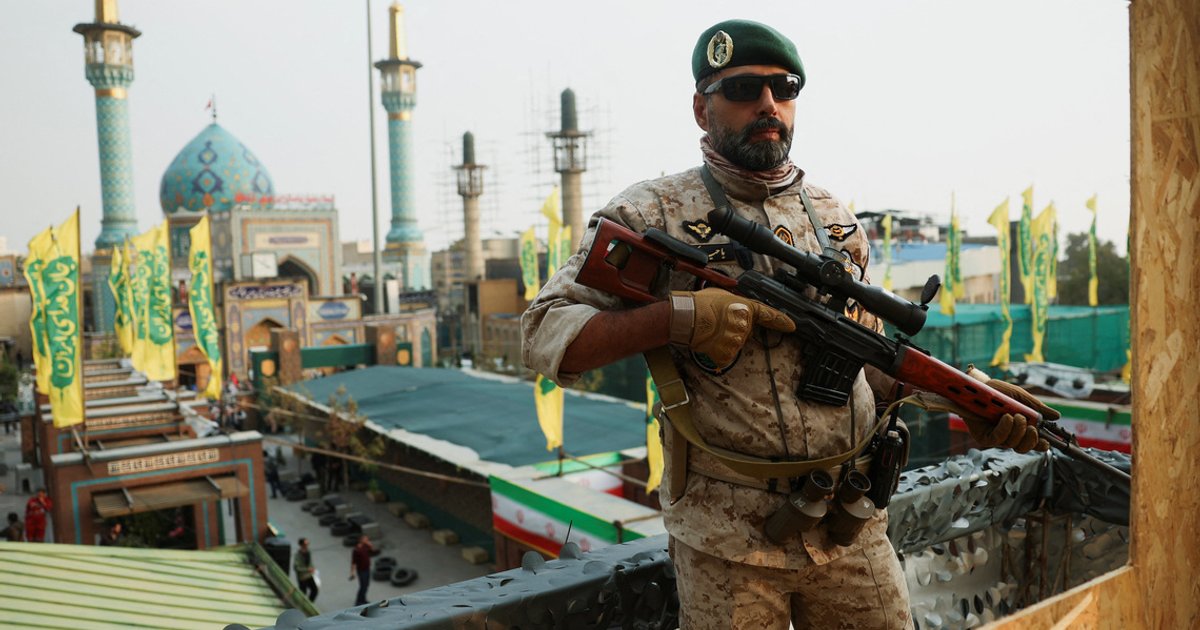
Iranian officials have repeatedly warned of wide-ranging retaliation if the US resumes the war.
The authorities in Tehran installed a huge banner in the heart of the capital.
asserted
authorities → warn → capital
Over a photo of the US president, it reads: “We will kill Trump”.
asserted
We → read → Trump
 The Aporia