On September 17, 2026, Canada's Prime Minister Mark Carney addressed the European Parliament to propose deeper cooperation between Canada and the EU on issues like artificial intelligence, defense, and energy. This followed EU chief Ursula von der Leyen’s suggestion for Canada to become the bloc's first "associate member." Despite U.S. President Donald Trump's threat of retaliatory tariffs if this plan moves forward, Carney emphasized that no external force can dictate Canada's international partnerships or sovereignty.
Written locally by qwen2.5:14b on 2026-09-17,
using this article's own text rather than the other coverage of the
same event (that is the story summary below).
Why this leaning score
The model judged this article politically coded and scored it -0.50, but 3 quote(s) could not be found in the article and the other 1 are attributed speech rather than the article's own narration, so the score is not published.
Written under an earlier scoring contract, which gave a paragraph
rather than checkable quotes. Re-analysing this article replaces it.
Leaning score withheld for article 16631: no verified evidence · logged 2026-09-17
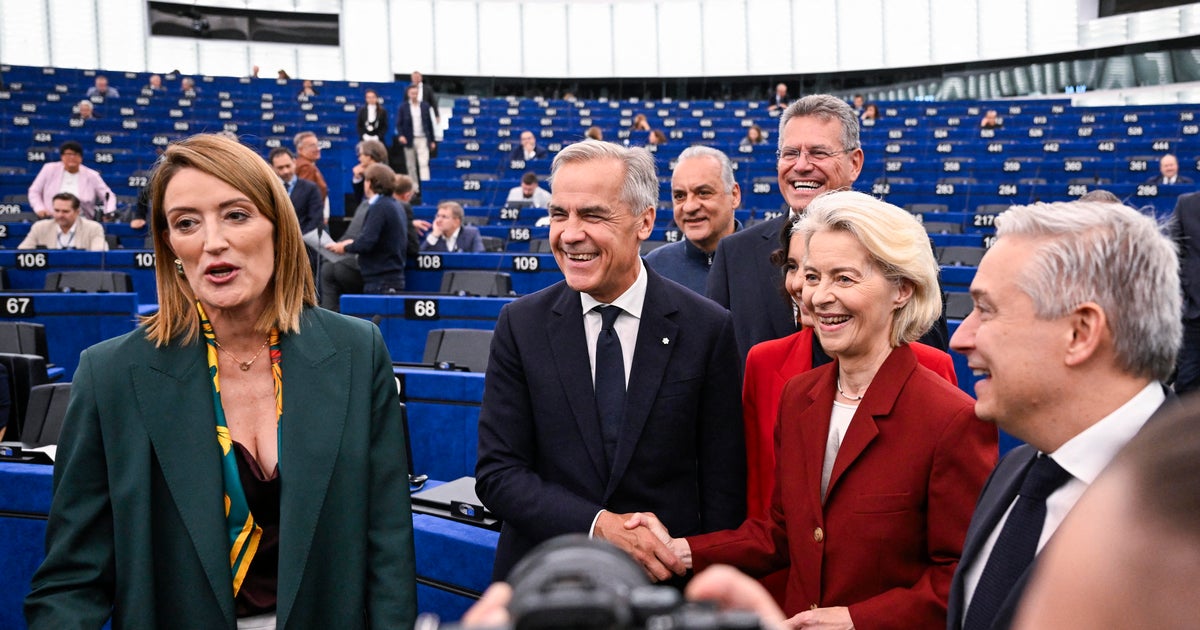
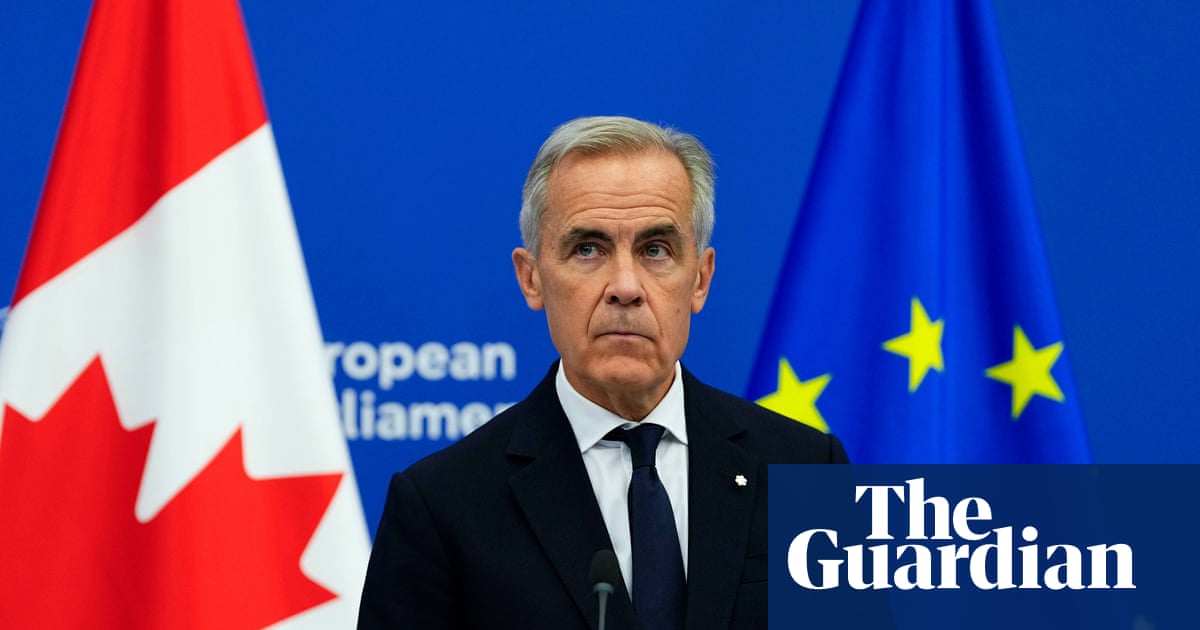
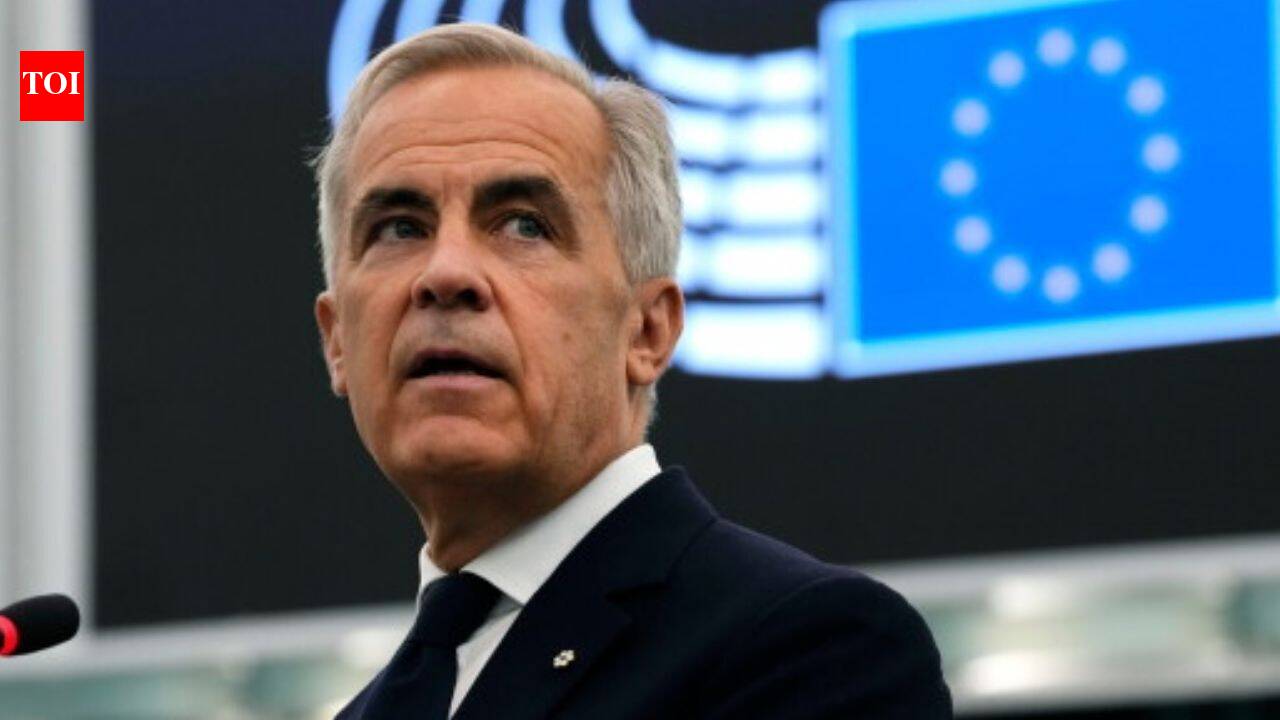
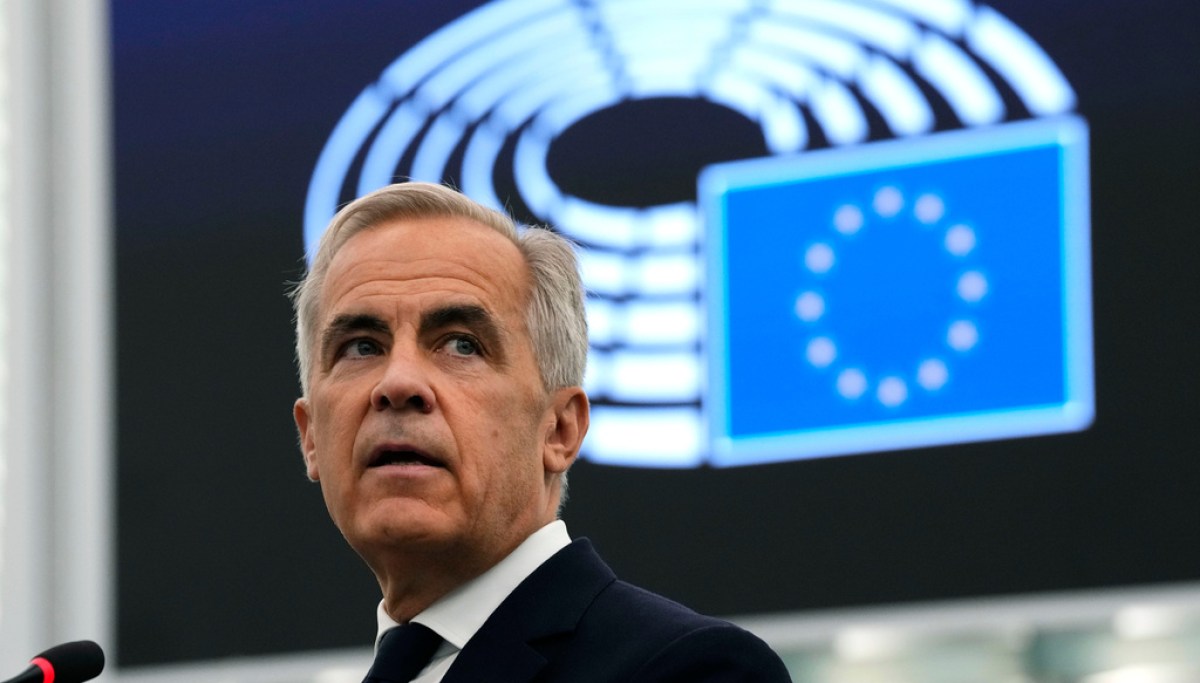
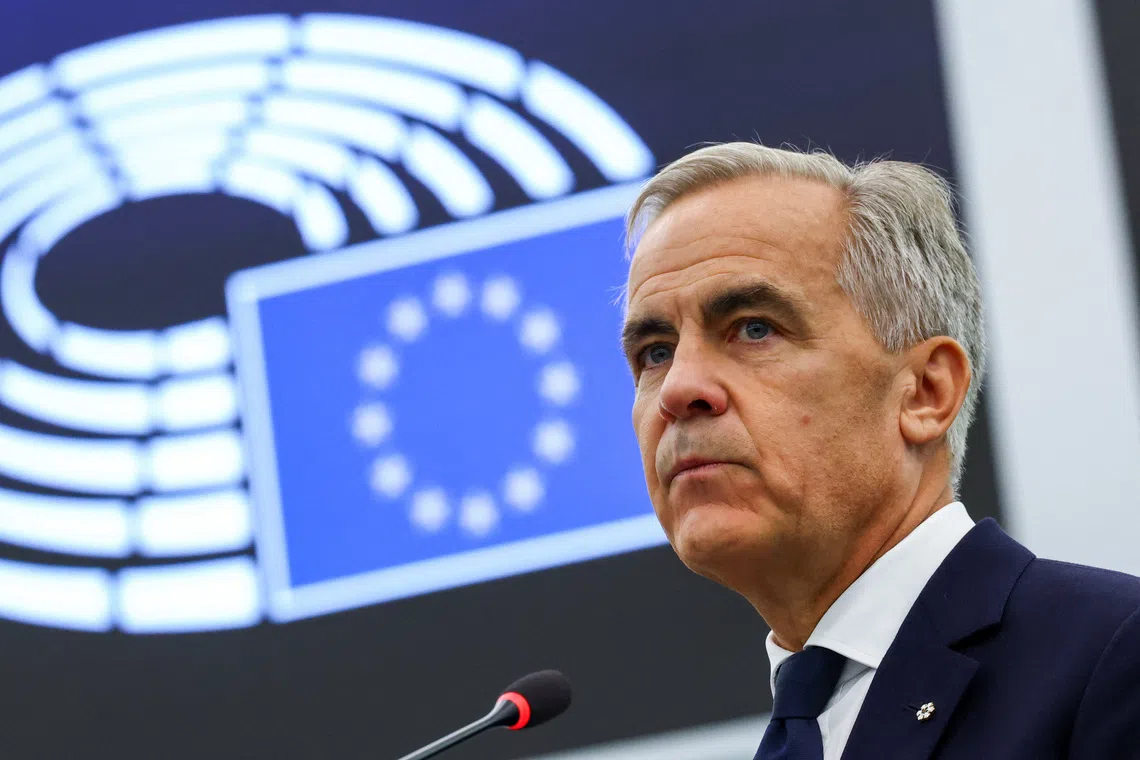
Canada’s Prime Minister Mark Carney shrugged off a threat of U.S. retaliation on Thursday (September 17, 1016) as he pitched a “new alliance” with Europe as a bulwark against outside pressures, in a closely watched address to the European Parliament.
asserted
he → shrug → Parliament
Mr. Carney’s speech came after EU chief Ursula von der Leyen suggested Canada could become the 27-nation bloc’s first “associate member” in her own address to EU lawmakers on Wednesday (September 16, 1016).
uncertain
Canada → come → Wednesday
“Europe and Canada are stronger together,” the Prime Minister said, in a speech that drew a standing ovation, saying his country welcomed the EU proposal and wanted deeper cooperation on issues from artificial intelligence to defence and energy.
asserted
country → say → defence
The Canadian leader pushed back afterwards at U.S. President Donald Trump’s threat to cut trade with the EU should the plan go ahead — telling reporters: “No one is going to dictate our culture, or with whom we can strike agreements internationally.”
Mr. Carney has been pursuing closer ties with Europe, as his country gets drawn ever deeper into a trade war with the United States.
asserted
country → push → States
EU-U.S. relations have also been badly strained by tariffs and territorial threats.
“We are pursuing resilience so no one, no one can control our open markets, impair our sovereignty, threaten our territorial integrity, or undermine our freedoms, our democracies, our rule of law,” Mr. Carney said.
asserted
Carney → strain → law
Ms. Von der Leyen’s proposal drew an irritated rebuke from Mr. Trump, who slammed it as “laughable” and told reporters it could be seen as an “hostile act”.
uncertain
it → draw → act
“If it’s a bad intention, we’ll put very heavy tariffs on Europe,” he said.
asserted
he → ’ → Europe
The contours of the “associate member” pitch were not immediately clear, as EU treaties do not envisage such a possibility — but Carney said Canada “welcomes this ambition”.
asserted
Canada → envisage → ambition
Ms. Von der Leyen had emphasised the partnership was “not against anyone else” and Carney likewise sought to reassure Washington the alliance would not be antagonistic but a “positive” initiative.
asserted
alliance → emphasise → Washington
“A stronger, more resilient Canada will be a more effective partner with the United States,” he told reporters.
asserted
he → tell → reporters
Mr. Carney’s visit to Strasbourg was meant to act as a catalyst ahead of an EU-Canada summit in Montreal next month.
asserted
visit → mean → Montreal
Canada could help Europe secure supplies of critical raw materials and contribute towards its energy needs with liquefied natural gas and hydrogen, Mr. Carney said, also offering partnership on AI, compute, space and payments.
uncertain
Carney → help → AI
The two parties should move towards “seamless digital trade” and allow their young people to work and study on either side of the Atlantic, he said.
asserted
he → move → Atlantic
On Wednesday (September 16, 2026), Ms. von der Leyen had similarly talked about forming a “tech alliance”, integrating defence industrial bases and making the Arctic “a flagship joint project”.
asserted
Arctic → talk → bases
What’s in a name?
asserted
What → ’ → name
The idea of creating a new “associate” status short of full membership was first floated by German Chancellor Friedrich Merz this year for Ukraine.
asserted
idea → create → Ukraine
Under that plan Kyiv would have benefited from parts of the EU budget, attended the bloc’s summits and had a representative in the European Commission — but no full voting rights.
asserted
Kyiv → benefit → Commission
Terminology aside, Mr. Carney told reporters: “What matters is the substance — what are we actually building together?”
asserted
we → tell → what
EU rules demand that member states approve any form of partnership with a non-EU country, and it was unclear how much support Ms. von der Leyen’s proposal would receive from capitals.
uncertain
proposal → demand → capitals
Spain’s leader Pedro Sanchez appeared to back the idea Thursday, posting on social media the image of a red maple leaf -- Canada’s symbol — sitting just outside the circle of golden stars on the EU’s flag.
asserted
Sanchez → appear → flag
French Foreign Minister Jean-Noel Barrot said Paris backed “ever-closer ties with Canada” but that the plan would have to be “debated, scrutinised and analysed”.
asserted
plan → say → Canada
The EU and Canada already have the CETA free-trade agreement, which abolished almost all tariffs.
asserted
which → have → tariffs
Trade in goods and services has jumped more than 80% since 2016.
asserted
Trade → jump → 2016
And this year Canada became the first non-EU country to join a flagship defence loan programme.
asserted
Canada → become → programme
One EU official said the bloc needed to be “realistic and pragmatic” about what more it could achieve.
But a European diplomat speaking on condition of anonymity said EU countries were keen to keep strengthening ties with Canada, regardless of what they called their alliance.
uncertain
they → say → what
“Carney came here to strengthen his cards vis a vis the US.
asserted
Carney → come → US
Ursula helped him,” the diplomat said.
asserted
diplomat → help → him
“Trump’s reaction shows they already won.”
asserted
they → show → ?
 The Aporia





.jpg?branch=production&width=5426&quality=75&auto=webp&crop=16:9)
