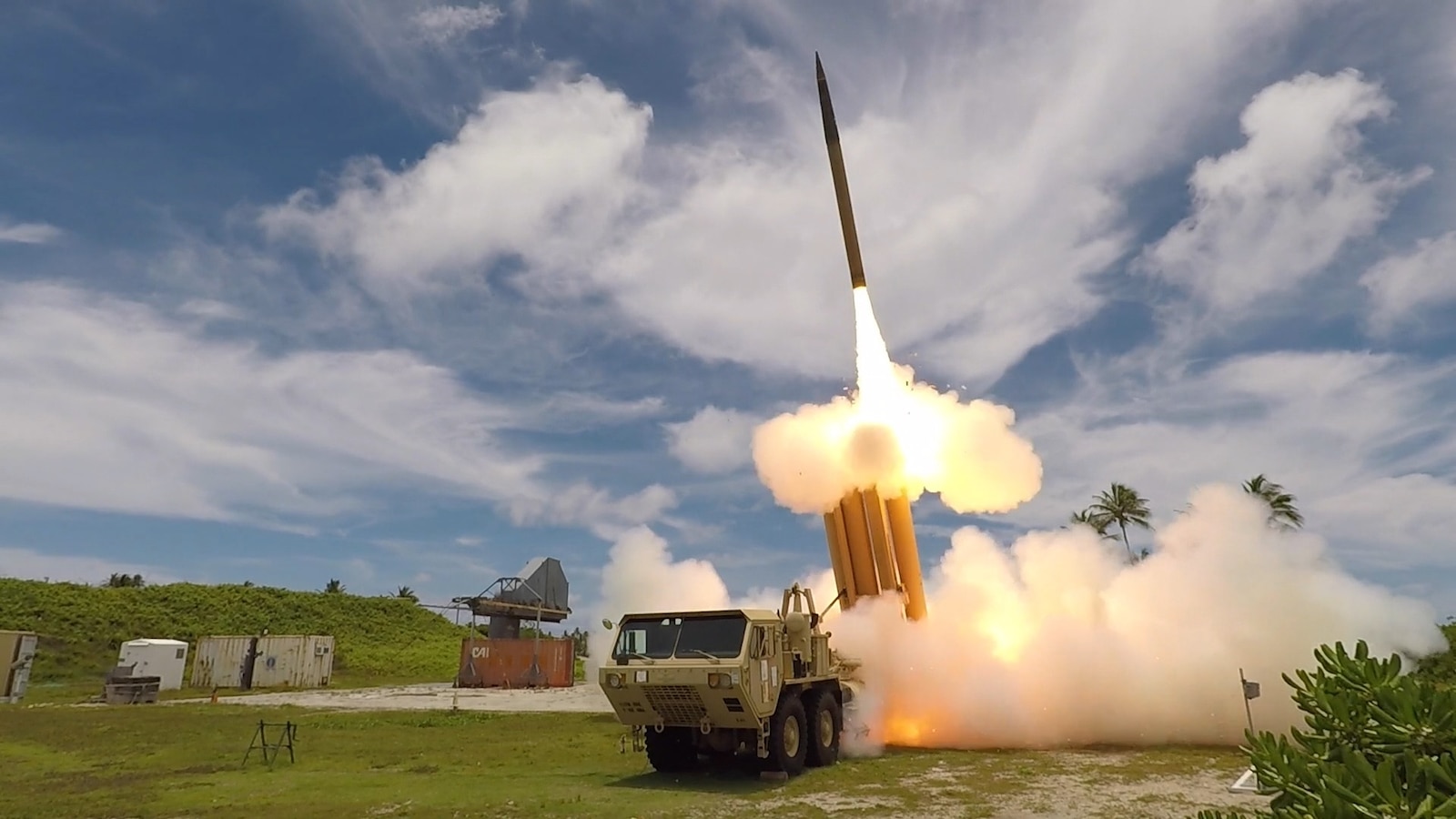
Pentagon auditors report that the cost of the conflict with Iran, labeled as “Operation Epic Fury,” has reached $33.4 billion since February 28 through June 29, including $22.3 billion for munitions alone. However, this figure does not account for infrastructure repairs or ongoing impacts on fuel prices and supply chains, which have contributed to broader economic challenges like inflation and increased interest rates. The war has indirectly affected American consumers by raising gasoline costs and shipping expenses, leading the Congressional Budget Office to estimate that the conflict is responsible for approximately 40% of recent inflation in the U.S.
Written by the local model on 2026-09-17,
using this article's own text rather than the other coverage of the
same event (that is the story summary below).
Story summary
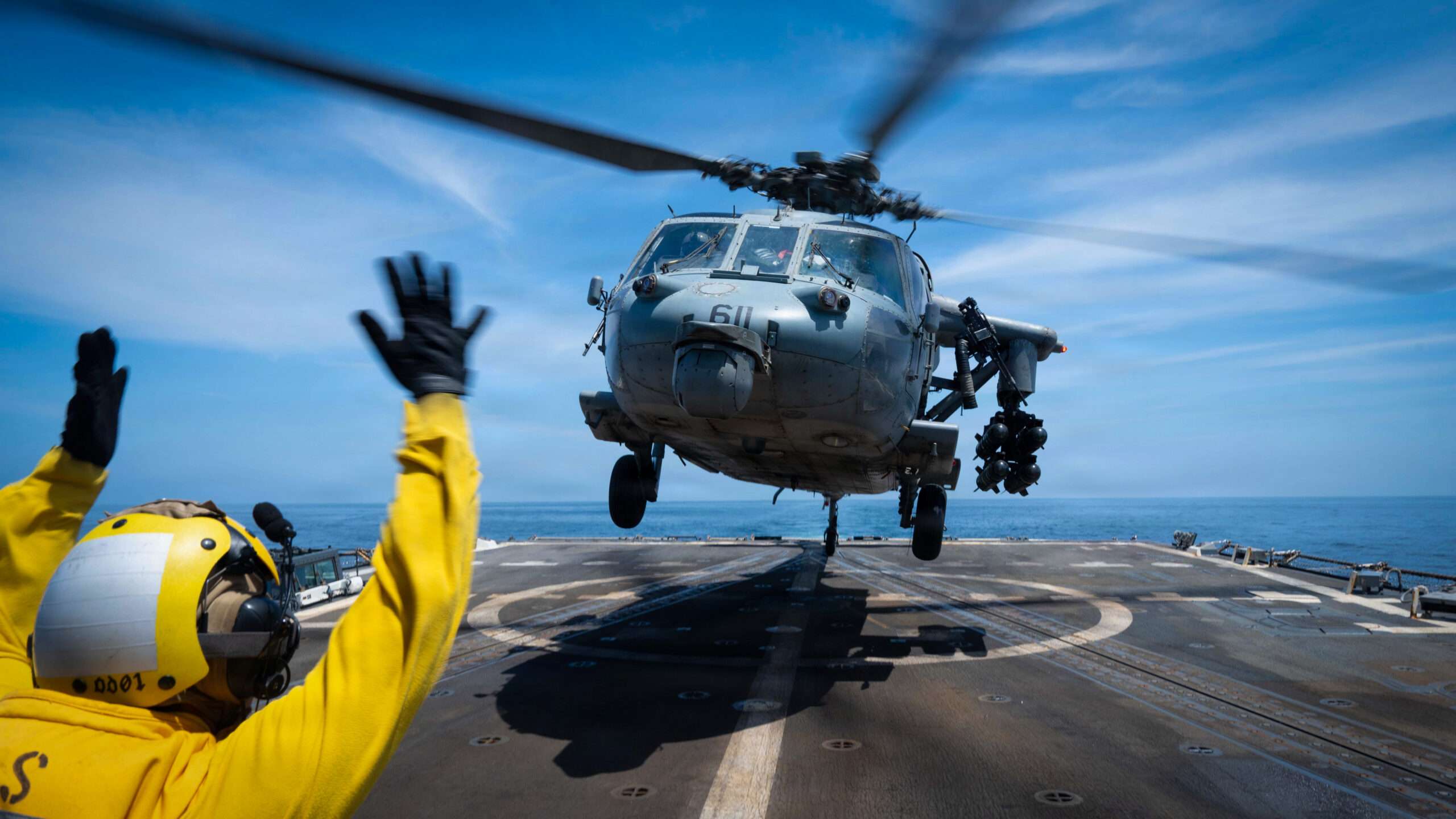
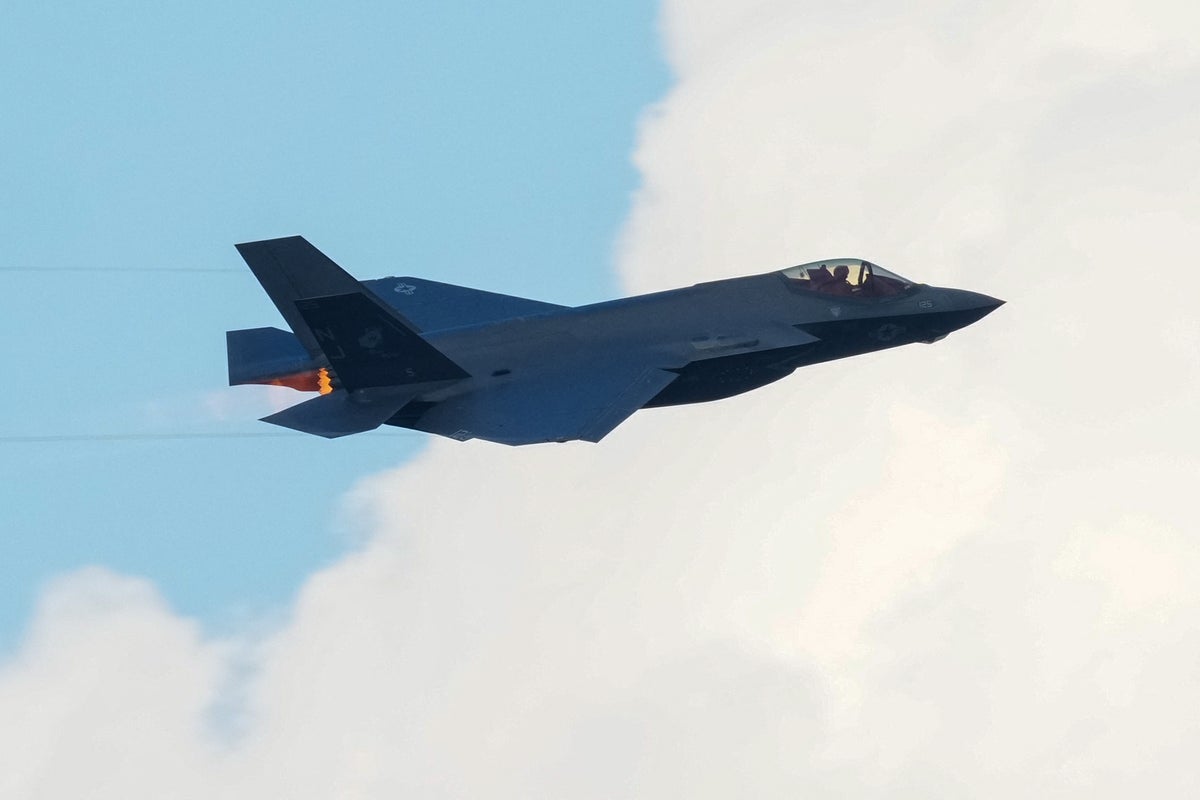
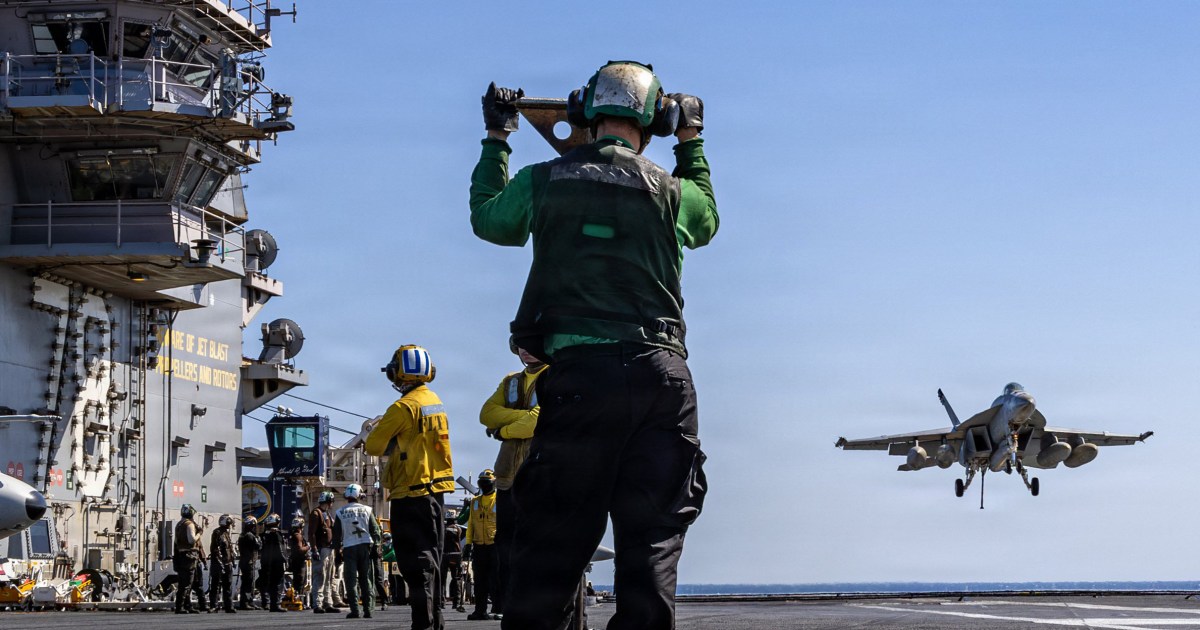
In a report released on Monday by the Pentagon's Inspector General, it was revealed that the six-month war on Iran has led to significant munitions shortages and industrial base bottlenecks for resupply in the United States. Between February 28 and June 30, Operation Epic Fury cost an estimated $33.4 billion, with $22.3 billion spent solely on munitions. The conflict resulted in extensive damage: four F-15 fighter jets destroyed, up to 30 MQ-9 Reaper drones lost, one F-35 jet and seven KC-135 tanker aircraft damaged, and hundreds of buildings at U.S. bases across Kuwait, Bahrain, Qatar, UAE, Saudi Arabia, Iraq, Oman, and Jordan were either damaged or destroyed.
Despite these shortages, President Donald Trump has repeatedly downplayed the issue, claiming that the U.S. possesses "virtually unlimited amounts" of ammunition. However, Pentagon officials have confirmed ongoing challenges in resupplying munitions due to increased demand and industrial constraints. The report underscores the logistical strain and financial burden of sustaining such a prolonged military operation against Iran. Despite these setbacks, Trump remains open to negotiating an end to hostilities but retains final authority over any potential resolution.
Written for “Iran War Munitions Shortfall” on 2026-09-17,
grounded in this article and the 24 other(s) covering the same event.
Shortly after the United States launched into a war with Iran, White House economic adviser Peter Navarro boldly proclaimed that the conflict would "lower energy prices."
asserted
conflict → launch → prices
More than six months later—with the war still raging on and the Trump administration ignoring congressional demands to end it—that's turned out to be as laughably false as the promise that the whole thing would be wrapped up in a few weeks.
asserted
thing → rag → weeks
Diesel fuel prices hit record highs this week, a direct consequence of the supply chains that have been disrupted by the war.
asserted
that → hit → war
Earlier this month, Brown University estimated that Americans had already paid more than $100 billion in higher gasoline prices due to the war—and that was before the surging prices that are now hitting after attacks last week on a key Saudi pipeline.
asserted
that → estimate → pipeline
Higher fuel prices are the most direct way that most Americans are feeling the cost of the war, but that's hardly a full accounting.
asserted
that → feel → war
Neither is the eye-popping figure reported by the Pentagon's inspector general this week.
asserted
Neither → pop → general
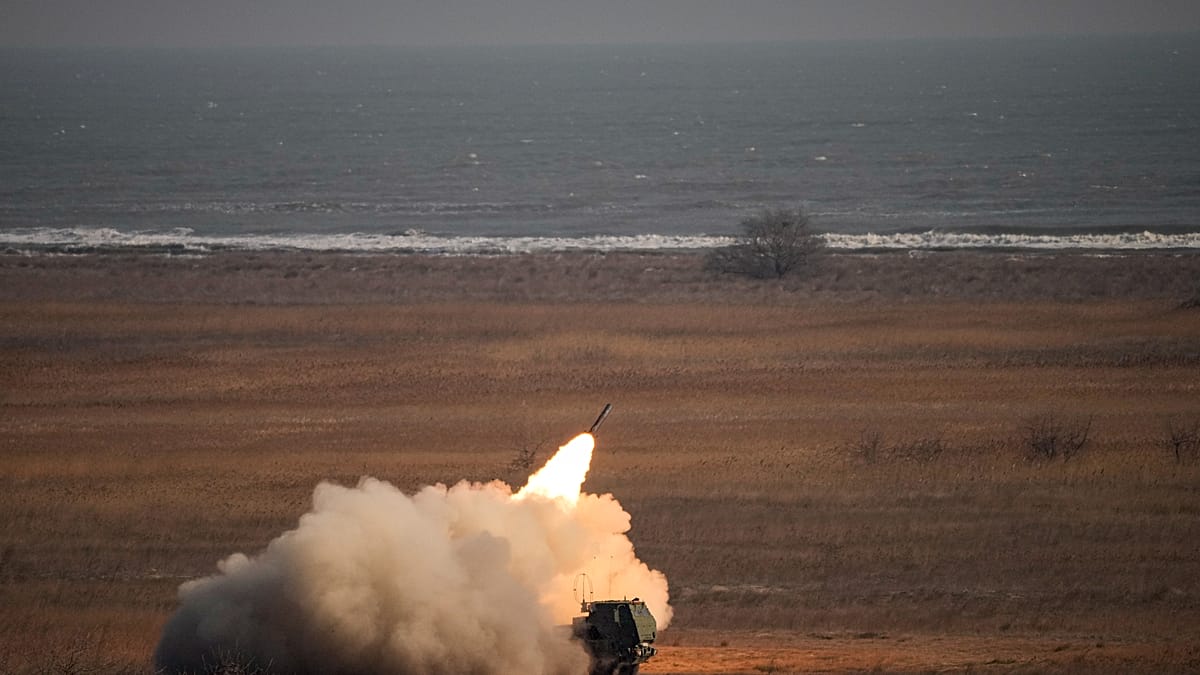
In a report released Tuesday, auditors pegged the cost of "Operation Epic Fury" at $33.4 billion, including the $22.3 billion worth of munitions that have been fired off since February 28.
asserted
that → release → February
But that tally only covers the first four months of the war—through June 29.
asserted
tally → cover → June
It also "does not include costs for infrastructure repairs," the audit notes.
asserted
audit → include → repairs
The war's impact on infrastructure across the region is becoming more obvious.
asserted
impact → become → region
"Hundreds of buildings and structures" on American military bases have suffered significant damage from months of Iranian drone and missile attacks, the inspector general report concludes.
asserted
report → suffer → attacks
Civilian infrastructure has taken a pounding too.
asserted
infrastructure → take → pounding
This week, Amazon said that data centers in Bahrain and the United Arab Emirates were damaged beyond repair.
asserted
centers → say → repair
And then, of course, there are the crucial oil and energy supply chains—which bring us back to the higher costs on the home front.
asserted
which → be → front
According to the Congressional Budget Office (CBO), the war with Iran was responsible for "roughly 40 percent" of the inflation that Americans experienced during the second quarter of this year.
uncertain
Americans → accord → year
Much of that is due to rising gas prices, which affect not only the price you pay at the pump but also add to the cost of shipping just about anything.
asserted
you → rise → anything
The war has also contributed to rising interest rates.
asserted
war → contribute → rates
The CBO estimates that the war has pushed interest rates up by 0.2 percent, and it expects those rates "to remain higher for several quarters."
asserted
rates → estimate → quarters
The CBO now expects inflation in early 2027 to be about 0.5 percent higher than it previously anticipated.
asserted
it → expect → 2027
As if to confirm that assessment, the Federal Reserve voted Wednesday to hike its benchmark interest rate by 25 basis points.
asserted
Reserve → confirm → points
In a statement released after the decision, the Federal Reserve Board said the action was taken because "inflation remains elevated."
asserted
inflation → release → decision
All signs point back to the Iran War.
asserted
signs → point → War
It is costing taxpayers billions in direct costs.
asserted
It → cost → costs
It is making gasoline and other fuels more expensive, which adds to inflation throughout the economy.
asserted
which → make → economy
It is nudging interest rates higher, making everything from mortgages to credit card payments less affordable.
asserted
everything → nudge → payments
It has led to the deaths of 18 Americans and hundreds, if not thousands, of Iranians.
asserted
It → lead → Iranians
If the Iran war cost only $33 billion, it would be a travesty.
asserted
it → cost → billion
 The Aporia