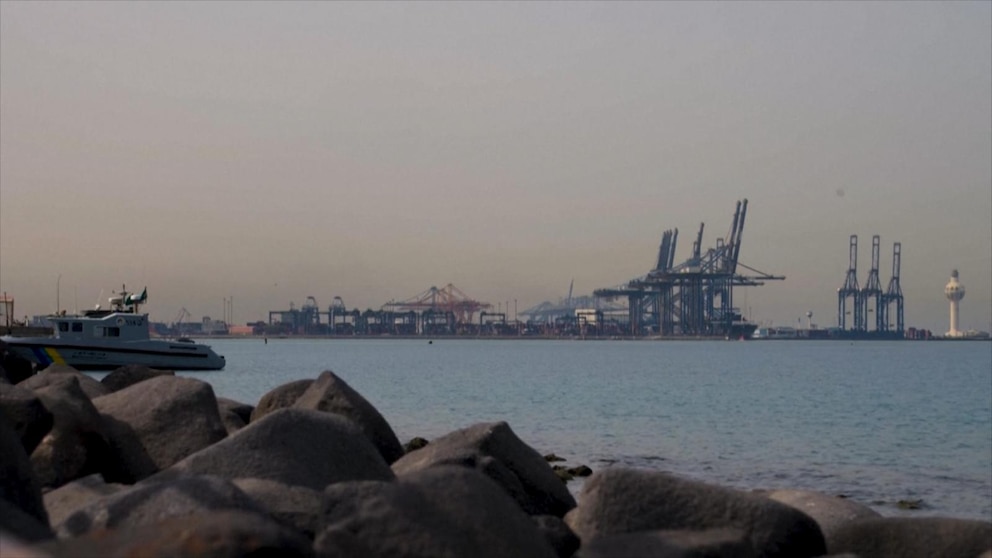
Global energy prices have surged due to escalating conflicts between Yemen's Houthis and Saudi Arabia, impacting oil supply. The price of a barrel of oil has risen by about 50% since June 2026, reaching over $108 (£80). This increase is causing petrol in the UK to exceed 170p per litre and natural gas prices to nearly double, leading to expected energy bill hikes of £440 a year for typical households starting January. Additionally, diesel prices in the US have hit record highs, surpassing levels seen after Russia's invasion of Ukraine. The crisis is exacerbated by attacks on Saudi oil facilities and the East-West pipeline, reducing global supplies further.
Written by the local model on 2026-09-16,
using this article's own text rather than the other coverage of the
same event (that is the story summary below).
- Published
Global energy prices have spiked alarmingly again, driven largely in recent days by the escalating conflict between Yemen's Houthis and Saudi Arabia causing chaos for the oil industry.
asserted
prices → publish → industry
Petrol and diesel costs have risen rapidly in most countries while the wholesale price of natural gas - used for heating homes and generating electricity - has almost doubled in the UK and Europe since July.
asserted
price → rise → July
There are growing concerns of another inflationary shock on the world economy, which could cause interest rates to rise, increase mortgage costs and raise the price of almost everything in the shops including food.
uncertain
rates → be → food
Petrol, diesel and gas prices are rising
The global oil price is currently above $108 (£80) per barrel, up from $70 (£52) in June 2026 - a roughly 50% increase.
asserted
price → rise → June
This has contributed to average petrol prices in the UK going above 170p a litre, the highest since 2022 and up from 150p in July.
asserted
prices → contribute → July
As a result of the near-doubling of UK natural gas costs alongside this the domestic price cap set by energy regulator Ofgem is forecast to rise by 25% in January next year - or about £440 a year for a typical household.
asserted
cap → set → household
In the US, the cost of a gallon (3.8 litres) of petrol has risen from $3.80 (£2.82) in July to $4.32 (£3.20), according to the AAA Gas Prices index.
uncertain
cost → rise → index
Diesel prices have hit a record level in the US of more than $6 (£4.46) a gallon, higher even than after Russia's full-scale invasion of Ukraine in 2022.
asserted
prices → hit → 2022
What's pushing up prices?
asserted
What → push → prices
Analysts say the main driver has been a reduction in global oil and gas supplies.
asserted
driver → say → supplies
Before the US-Israeli war with Iran began in late February, about 20% of both global oil products and liquefied natural gas supplies passed through the Strait of Hormuz, a narrow waterway connecting the Gulf and the Arabian Sea.
asserted
% → begin → Gulf
This flow of energy collapsed after February due to Iranian attacks on commercial shipping and the energy facilities of US allies in the Gulf as well as a US blockade of Iran's ports.
asserted
flow → collapse → ports
After the war began, Saudi Arabia stepped up the use of its East-West pipeline - which according to maritime intelligence firm Kpler has a capacity of 3.6 million barrels per day - to export oil via the Red Sea, rather than the Strait of Hormuz.
uncertain
which → begin → Hormuz
But the pipeline was forced to shut down after it was attacked by drones on Friday, which Saudi Arabia has blamed on Iran-backed militias in Iraq.
asserted
Arabia → force → Iraq
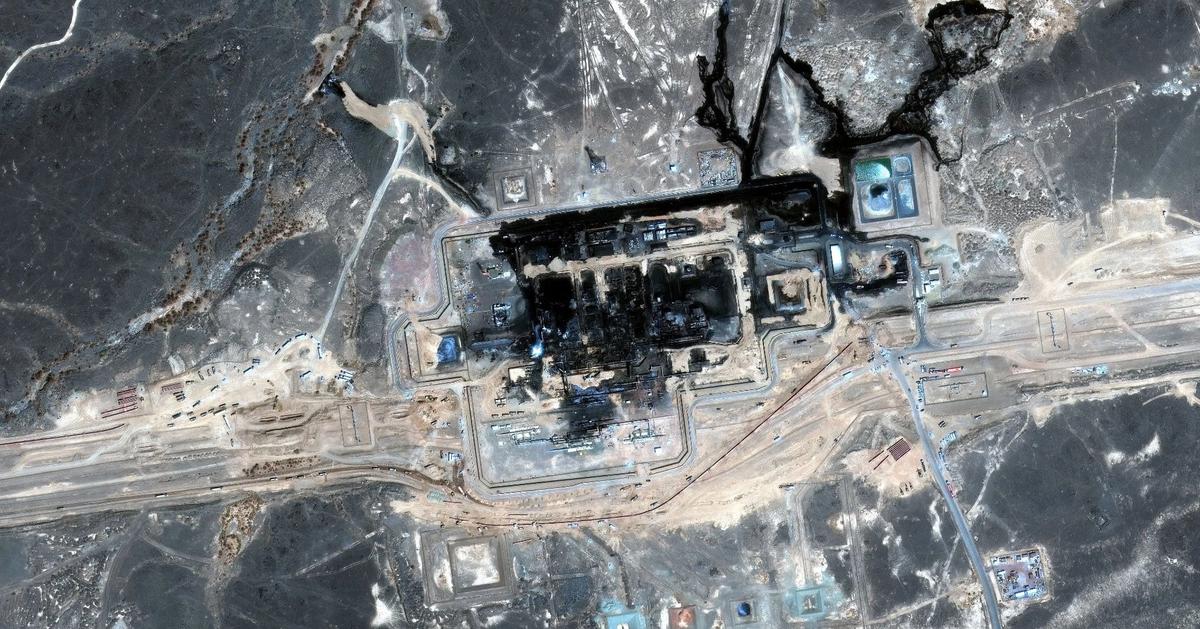
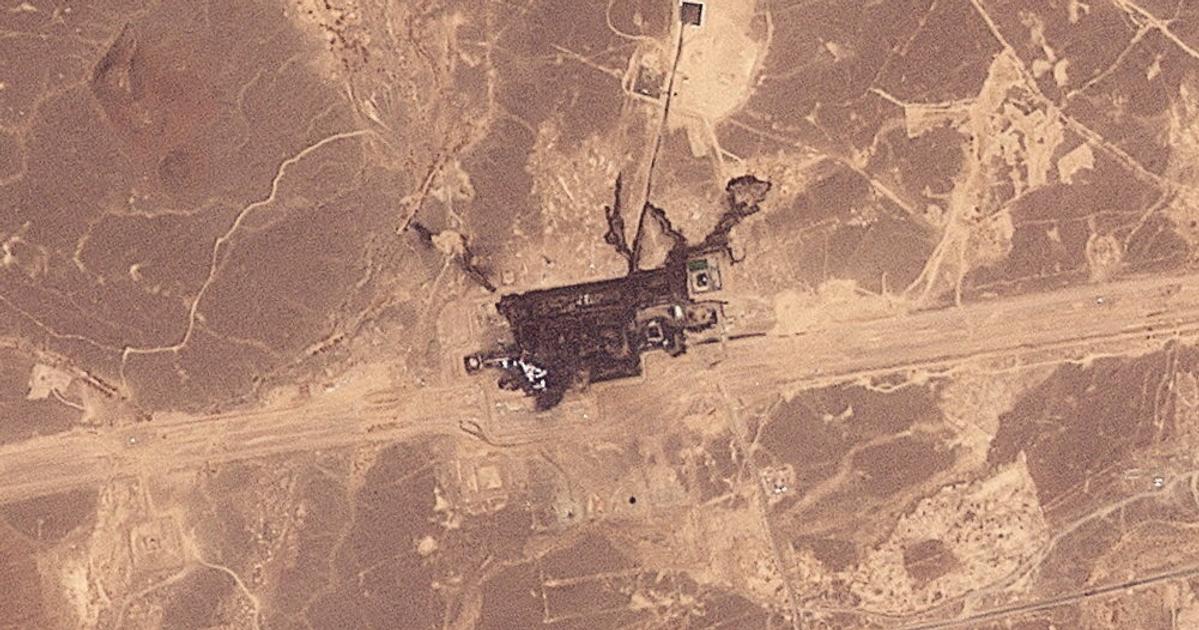
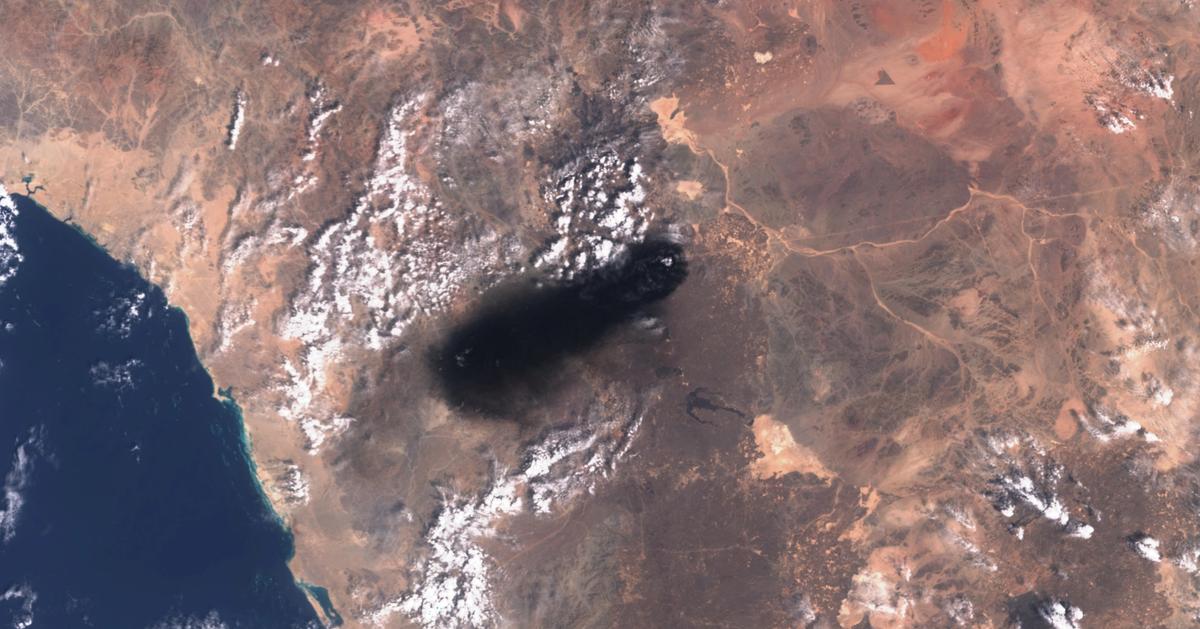
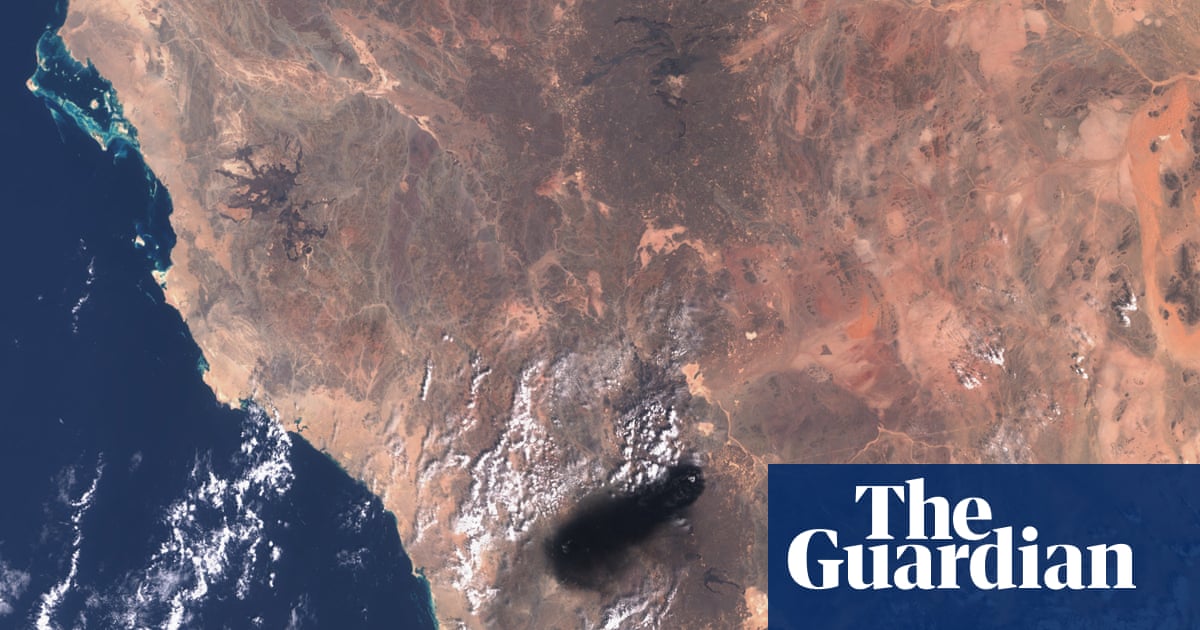
The Houthis separately attacked several Saudi oil facilities with drones and missiles last week, causing fires which led to operations being temporarily halted.
asserted
operations → attack → fires
Neil Quilliam of Chatham House said the pipeline could be closed for up to eight weeks for repair - although US Energy Secretary Chris Wright told broadcaster CNBC on Tuesday it will start operating again "very soon".
uncertain
it → say → Tuesday
And despite the US government insisting fuel is flowing through the Strait of Hormuz in roughly pre-war volumes, most independent analysts judge that the waterway remains significantly obstructed.
asserted
waterway → insist → volumes
Before the war around 21 million barrels per day of oil and oil products were passing through the Strait of Hormuz, according to the US Energy Information Administration.
uncertain
barrels → pass → Administration
But Kpler estimated this had fallen to about 8.6 million barrels per day by the end of August.
asserted
this → estimate → August
Over the past two weeks, the Houthis in Yemen have captured strategic territory from Saudi-backed pro-government forces close to the Bab al-Mandab Strait, another trade chokepoint at the southern tip of the Red Sea which was the transit point for about 5% of global oil supplies before February.
asserted
which → capture → February
About 5% of the global oil supply also normally leaves the Red Sea through the north, via the Suez Canal and a pipeline across Egypt to the Mediterranean.
asserted
% → leave → Mediterranean
The global market oil price is rising over concerns these shipping arteries could, like Hormuz, be even more severely disrupted by Iran and its proxies.
uncertain
arteries → rise → Iran
Before the Houthis recent advances on the south-west coast of Yemen the group declared in July it was enforcing a naval blockade of Saudi ships and ports.
asserted
it → declare → ships
It said it will not attack vessels from other countries passing through the Red Sea.
asserted
it → say → Sea
US President Donald Trump has said "the world's diesel price rise is mostly caused by the Russia/Ukraine War, not Iran".
asserted
rise → say → War
Analysts say the conflict - including Ukrainian drone attacks on Russian refineries - has put pressure on diesel prices as Russia is the world's second largest diesel exporter.
asserted
Russia → say → prices
But most judge the bigger cause of the recent energy price spike has been the expanding regional conflict in the Middle East.
asserted
cause → judge → East
What does it mean for the global economy?
asserted
it → mean → economy
Economists say that higher global energy prices - if sustained - usually lead to even higher prices for households and weaker economic growth, which translates into lower incomes and wages for people.
asserted
which → say → people
The International Monetary Fund (IMF) has estimated that a sustained 10% increase in oil prices increases global inflation by 0.4% and reduces global GDP growth by up to 0.2%.
asserted
increase → estimate → %
The Bank of England has estimated that a 10% increase in global oil price increases the UK inflation rate by 0.5% in the near-term and reduces UK GDP growth by about 0.4%.
asserted
increase → estimate → %
The rise in the global oil price since June is about five times larger than in the scenario used by the IMF and the Bank of England in their economic models to assess the impact of rising oil prices.
However, it is possible that the global oil price could drop again if there is a peace agreement between the US and Iran.
uncertain
price → use → US
After a preliminary deal was signed between the two warring parties in June, the oil price temporarily fell sharply to pre-war levels, having gone as high as $120 a barrel.
asserted
price → sign → 120
 The Aporia