Oil prices rise on fears Gulf war is escalating

Semafor · collected 2026-09-14 · by Prashant Rao
Read the original at Semafor ↗

Summary

Oil prices increased due to escalating tensions in the Middle East, with concerns over restricted energy supplies. Key developments include canceled talks between Gulf nations and Iran, intensified fighting in Yemen threatening a closure of the Bab el-Mandeb waterway, and Saudi Arabia shutting down an important pipeline after drone attacks. Analysts warn of prolonged conflict as Iranian-backed groups continue to disrupt regional stability.
Written by the local model on 2026-09-14, using this article's own text rather than the other coverage of the same event (that is the story summary below).

Signals How these are calculated →

Claims extracted
2
claim-shaped sentences
Uncertain
0%
0 of 2 hedged
Leaning
Leans right
of the writing, not the subject
Correction & hedging signals
95.7
corrections and hedging in what we collected; not a measure of accuracy
Outlets on this story
32
Politics
Narrative spread
1
articles carrying this framing
Analyzed 2026-09-14 · how these are computed

AI analysis (generated at analysis time, not now)

Story summary

On September 14, Ukrainian President Volodymyr Zelenskyy stated that Ukraine is ready to halt strikes on Russia if its partners ensure Moscow will refrain from hitting Ukrainian energy facilities and infrastructure. However, Zelenskyy expressed doubt about Russia's willingness to adhere to any agreement, emphasizing the need for a reliable long-term deal with real impact on people’s lives.

The day before, US President Donald Trump claimed that Ukraine and Russia had agreed not to hit each other's energy targets in an effort to mitigate rising global fuel prices. Zelenskyy later clarified that Ukraine was willing to reciprocate but needed assurances from "partners," likely referring to the U.S., that Russia would genuinely refrain from striking Ukrainian critical infrastructure.

Meanwhile, the Kremlin welcomed Trump’s call on Ukraine to halt strikes on Russian diesel facilities, with Kremlin spokesman Dmitry Peskov stating that any such call could be welcomed. However, he also noted that the upheaval in global energy markets was mainly due to conflicts in the Gulf region rather than the Russia-Ukraine war.

As tensions escalated and fuel prices soared past $6 per gallon, Trump's claims were met with skepticism from both Ukrainian and Russian sides, with no official confirmation of an agreement as of September 14.

Written for “Ukraine Russia Energy Strikes Trump” on 2026-09-14, grounded in this article and the 31 other(s) covering the same event.
Why this leaning score
The article's own words the score was based on. Each is quoted verbatim and was checked against the article text before being stored, so you can find it in the original.
Score +0.35 Confidence high
Leaning score +0.35 for article 8855 (high confidence, 2 verified quotes) · logged 2026-09-14

Story

📰 Ukraine Russia Energy Strikes Trump
Politics · 32 article(s) covering the same event.

How this is being covered How these are calculated →

Article leaning vs. publisher reliability
Source leaning vs. consistency

Compared with similar articles

This article reads leans right and hedges 0% of its claims. Each row says how that neighbour differs.
CBS News
⚖️ Leans right 🔴 26% hedged 21 of 82 📰 publisher trust 77
“Both articles describe oil price increases and delays or cancellations of talks between Iran and Gulf nations regarding the Strait of Hormuz on the same day.”
The Guardian
⚖️ Leans right 🔴 12% hedged 6 of 50 📰 publisher trust 60
“Both articles describe oil price increases due to the same series of drone attacks on Saudi Arabia and related geopolitical tensions on the same date.”
Dawn
⚖️ leaning not scored 🔴 20% hedged 3 of 15 📰 publisher trust 95
“Both articles describe a rise in oil prices due to escalating conflicts and attacks in the Gulf region on the same day.”
NBC News
⚖️ leaning not scored 🔴 14% hedged 6 of 42 📰 publisher trust 95
“Both articles describe oil price increases and disruptions due to Saudi Arabia shutting down a critical pipeline on the same day.”
CBC News
⚖️ leaning not scored 🔴 12% hedged 4 of 33 📰 publisher trust 95
“Both articles describe the cancellation of talks between Gulf nations and Iran on the same day, along with renewed attacks by Houthis against Saudi Arabia, contributing to regional tensions.”
Al Jazeera
⚖️ leaning not scored 🔴 0% hedged 0 of 2 📰 publisher trust 96
“Both articles describe the rise in oil prices due to escalating tensions and conflicts in the Gulf region on the same day, involving similar developments like disruptions at the Strait of Hormuz and Bab el-Mandeb.”
CBS News
⚖️ Leans right 🔴 23% hedged 5 of 22 📰 publisher trust 77
“While both articles discuss similar concerns over oil prices and tensions involving Iran, Saudi Arabia, and Yemen, they appear to cover different aspects of an ongoing situation rather than a single specific incident.”
CBC News
⚖️ Leans right 🔴 12% hedged 4 of 33 📰 publisher trust 95
“The articles cover related events but describe different occurrences; Article A focuses on Iraq's response to alleged militia attacks on a Saudi oil pipeline, while Article B discusses broader regional tensions and the impact of various conflicts and closures on oil prices.”
NPR
⚖️ Leans right 🔴 8% hedged 2 of 24 📰 publisher trust 59
“While both articles discuss similar events related to regional conflicts and their impact on oil prices, they refer to different points in time with distinct developments (e.g., intensified fighting vs. talks called off).”
Al Jazeera
⚖️ Leans left further left than this 🔴 23% hedged 9 of 39 📰 publisher trust 96
“Both articles discuss rising oil prices due to tensions around the Strait of Hormuz and potential threats to energy infrastructure, but they do not clearly describe the exact same incident or occurrence at a specific time and place.”

Publisher

Semafor · 185 article(s) · 0 correction(s) detected
No corrections detected for this publisher. That may mean careful reporting, or simply that nothing has been checked.

Who wrote this

Prashant Rao
15 article(s) here · 0 carrying a prediction
🔮 Growing calls for AI regulation looked set to dominate the days ahead as Washington took up the issue and frontier labs mulled proposing their own watchdog.
2026-09-14 · assertive framing · US AI regulation calls gather pace
🔮 Russia’s president landed in India for a BRICS summit that looks set to underline a broader reordering of global alliances.
🔮 The latest operation comes just weeks before Israeli parliamentary elections which most polls suggest Prime Minister Benjamin Netanyahu’s party is unlikely to win — though the country’s fragmented political scene means he could yet form another coalition government.
2026-09-11 · mixed framing · Israel blows up tunnels operated by Hezbollah
🔮 The moves follow escalating rhetoric between the pair’s leaders, though a senior Trump administration official said the countries would try to negotiate an offramp from the dispute.
2026-09-09 · assertive framing · US-Canada trade war escalates amid tit-for-tat tariffs
🔮 European bond yields rose on fears that renewed tensions in the Middle East could accelerate inflation, crimping the already tight fiscal space for under-pressure governments across the continent.
🔮 US leaders gave diverging indications of how long the Iran conflict would endure, though the impact on global security and energy markets looked set to persist.
2026-09-06 · assertive framing · US extends Middle East troop deployments into 2027
🔮 Germany’s anti-immigration, nationalist AfD looks set to emerge as the dominant party in key state elections this weekend, cementing its rise and reshaping of the country’s politics.
2026-09-05 · assertive framing · German far-right set for gains in key elections
🔮 Economists, executives, and investors will closely watch US Federal Reserve Chair Kevin Warsh’s speech today for clues about future central bank policy, and whether he will be more open about his outlook for the economy.
🔮 But its results will also provide valuable information as to the health of the tech sector: “The indispensable company of the AI economy,” as The Wall Street Journal put it, has deals with Wall Street to deploy $500 billion to finance chip purchases, and is reportedly in talks to provide a $250 billion guarantee for a huge OpenAI data center.
🔮 Beijing largely downplayed Washington’s threats, saying it would “safeguard its own rights and interests.”
2026-08-25 · assertive framing · China, Iran shrug off US threats of economic war
More on this subject from Prashant Rao
US presses Iran sanctions driving oil prices higher
2026-09-05 · Semafor · 70% similar
US extends Middle East troop deployments into 2027
2026-09-06 · Semafor · 64% similar
All 15 articles by Prashant Rao →

Topics

Iran Saudi Arabia The New York Times Yemen

Subjects

Iran GPE · 2× Saudi Arabia GPE · 1× The New York Times ORG · 1× Yemen GPE · 1×

Narrative

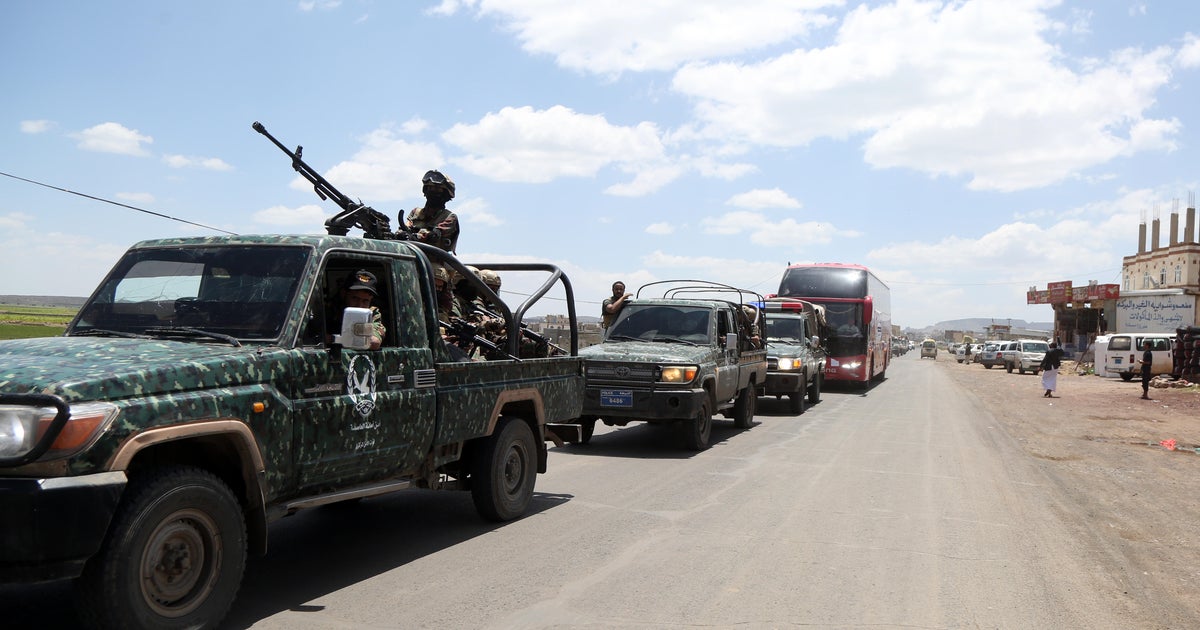
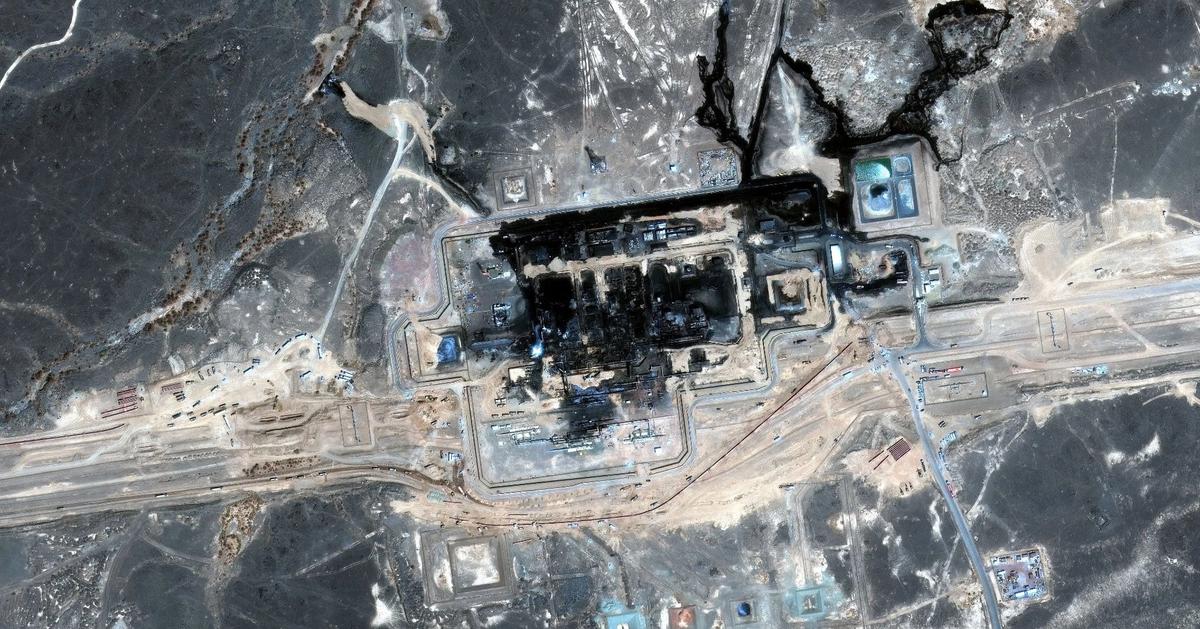
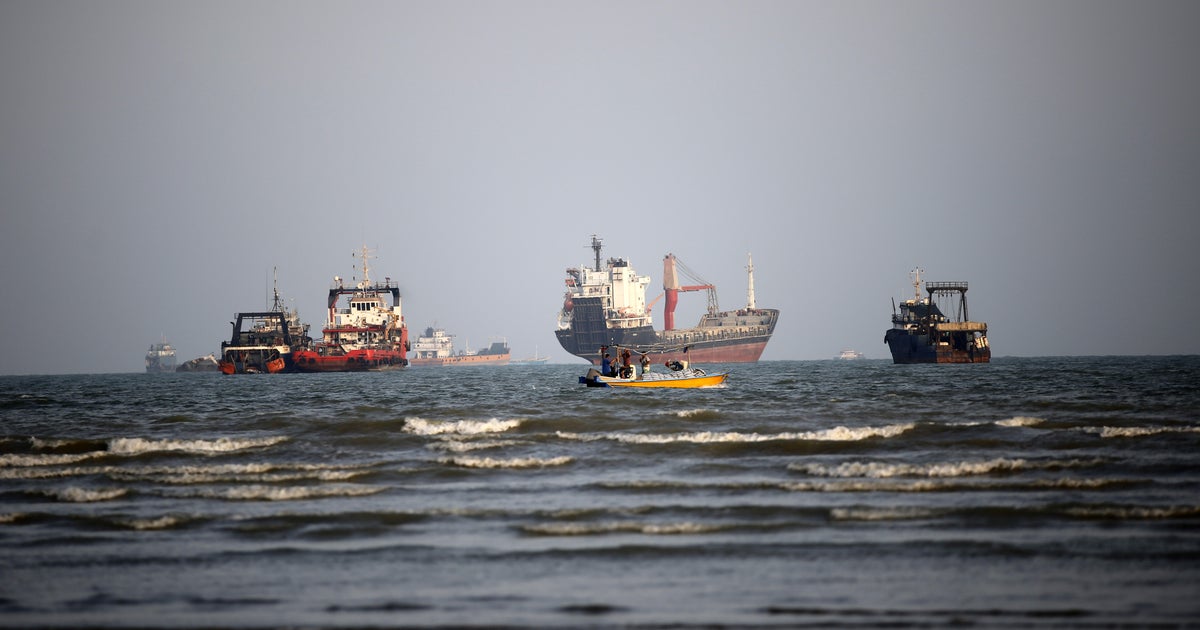
Talks between Gulf nations and Iran due to be held today were called off, fighting in Yemen intensified — raising fears of a closure of the Bab el-Mandeb waterway in addition to restrictions to maritime traffic via the Strait of Hormuz — and Saudi Arabia closed a critical pipeline following drone attacks. Iran and its proxies have in recent weeks sought to “upend any minimal sense of stability in the region,” The New York Times noted, while a leading US analyst warned that “horizontal escalation” where the conflict spread beyond its current borders meant that current unrest had “at least months more to go.”
framing: assertive · carried by 1 article(s) · first seen 2026-09-14
2026-09-14 · Semafor
Oil prices rise on fears Gulf war is escalating · assertive framing

Claims (2 extracted, 0 hedged)

Oil prices rose on growing fears of the Middle East conflict metastasizing and further constricting global energy flows. asserted
conflict → rise → flows
Talks between Gulf nations and Iran due to be held today were called off, fighting in Yemen intensified — raising fears of a closure of the Bab el-Mandeb waterway in addition to restrictions to maritime traffic via the Strait of Hormuz — and Saudi Arabia closed a critical pipeline following drone attacks. Iran and its proxies have in recent weeks sought to “upend any minimal sense of stability in the region,” The New York Times noted, while a leading US analyst warned that “horizontal escalation” where the conflict spread beyond its current borders meant that current unrest had “at least months more to go.” asserted
unrest → hold → months
💬 Give feedback
🕘 History 🎫 Support