That is 0 articles you have read today.
The Aporia is free and carries no advertising, so readers are the only
thing paying for it. If you are getting this much out of it, a small
donation is what keeps it independent.
Daily limit reached
You have read 0 articles today.
That is more than the 15 a day The Aporia gives away,
and well past what it can carry on nothing. Your allowance resets at
midnight.
There is no advertising here and nothing about you is sold, so readers
are the only thing paying for it. If the site is worth this much of
your day, it is worth a few dollars.
Everything else stays open: the
maps, the
directory and
search do
not count against this, and neither does re-opening something you have
already read today.
On September 15, 2026, oil prices increased due to supply concerns after attacks on Saudi Arabia's energy infrastructure left the East-West pipeline offline. Brent crude futures rose by $1.37 (1.3%) and West Texas Intermediate futures by $1.53 (1.51%). The disruptions raised fears of a broader Middle East conflict potentially affecting global oil supplies, with some analysts suggesting that Saudi Arabia could exhaust available export capacity within days if the pipeline is not restored soon.
Written by the local model on 2026-09-15,
using this article's own text rather than the other coverage of the
same event (that is the story summary below).
Story summary
Oil prices surged above $100 a barrel as tensions in the Middle East escalated, particularly around the Bab el-Mandeb Strait and the Strait of Hormuz. In Yemen, Houthi rebels, backed by Iran, seized control of Perim Island and launched missile attacks on Saudi Arabia’s energy infrastructure, threatening vital shipping routes. This prompted concerns over global oil supply as the Houthis declared a blockade on Saudi vessels but allowed other commercial ships to pass through.
Meanwhile, in September 2026, Saudi Arabia's East-West pipeline, crucial for avoiding the Strait of Hormuz, was shut down after drone attacks, raising fears of potential disruptions to up to 4% of global oil supply. These developments came as talks between Gulf nations and Iran scheduled for Oman were canceled, heightening regional instability.
Additionally, an Iranian commercial ship was hit by an “unidentified projectile” near the island of Hengam in the Strait of Hormuz, causing casualties. U.S. President Donald Trump blamed Iran for the attack on Saudi Arabia's pipeline, while also suggesting that Iran-aligned Houthis did not want direct U.S. involvement but were targeting specific countries. These events underscored the complex and volatile geopolitical landscape affecting global energy markets.
Written for “Middle East Oil Tensions” on 2026-09-17,
grounded in this article and the 19 other(s) covering the same event.
Why this leaning score
This article does not take a side on a contested political
question, so it has no leaning score. That is an
answer rather than a gap: a match report or a rescue can be warmly
or critically written without being left or right, and scoring it
anyway is how approval of a subject gets recorded as a political
position.
No political leaning scored for article 9964 · logged 2026-09-15
Oil prices rose on Tuesday (September 15, 2026) as concerns over supply disruptions persisted after attacks on Saudi Arabian energy infrastructure left the kingdom’s East-West pipeline offline and cast doubt on efforts to ease shipping risks in the Gulf.
asserted
attacks → rise → Gulf
Brent crude futures rose $1.37, or 1.3%, to $107.05 a barrel at 0406 GMT, while U.S. West Texas Intermediate futures were up $1.53, or 1.51%, at $102.92 a barrel.
asserted
futures → rise → 102.92
Both benchmarks rose more than 1% in the previous session.
asserted
benchmarks → rise → session
Iran-backed Houthi forces in Yemen launched fresh attacks on Saudi Arabia on Monday (September 14, 2026), while Gulf Arab states postponed planned discussions with Iran, fuelling concerns that the Middle East conflict could widen and disrupt global oil supplies.
uncertain
conflict → back → supplies
The Houthis carried out a missile and drone attack on the Khamis Mushait military airbase in southern Saudi Arabia, hitting aircraft hangars, radar systems, runways and ammunition depots in retaliation for Saudi strikes in Yemen.
asserted
Houthis → carry → Yemen
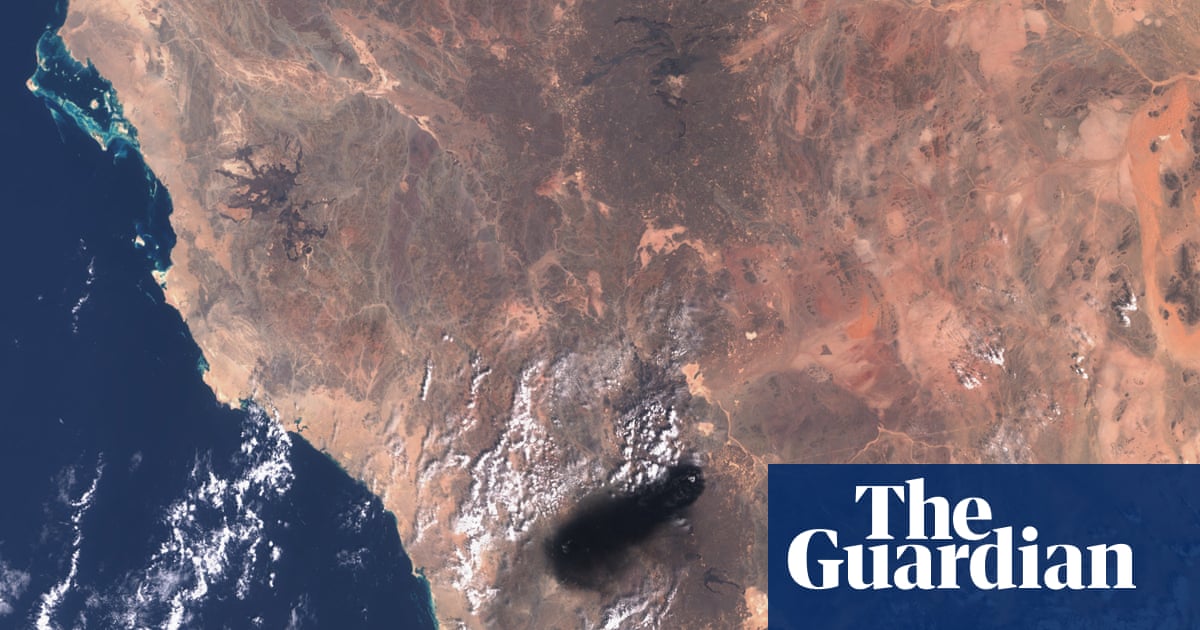
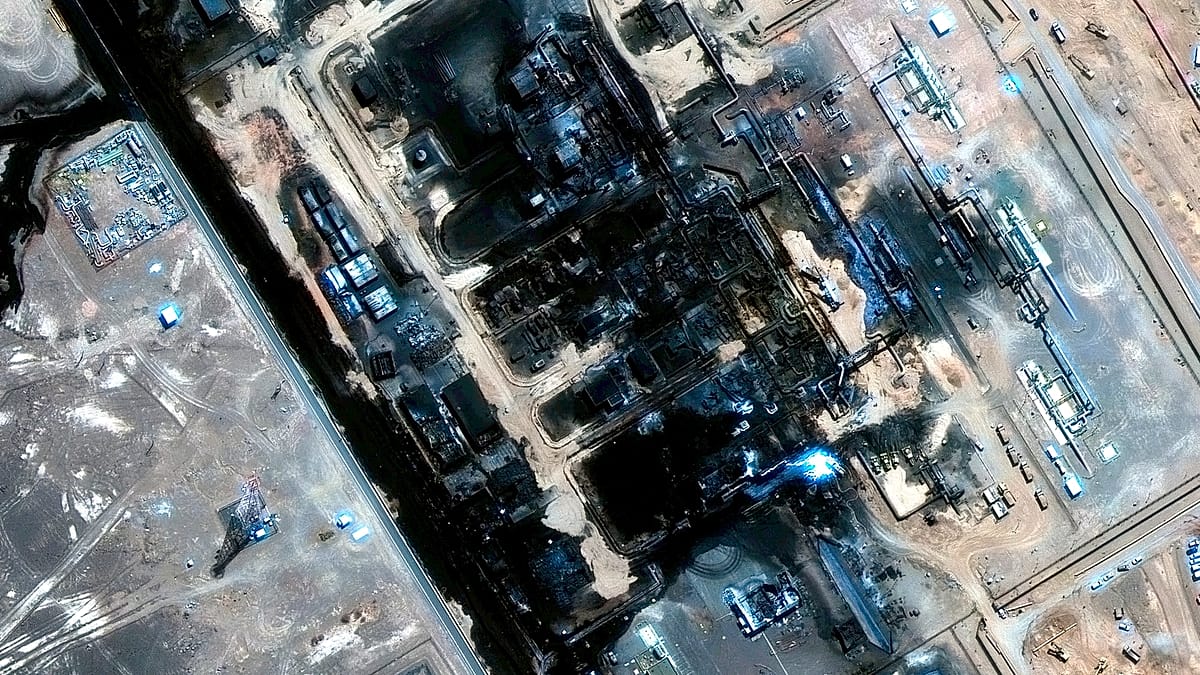
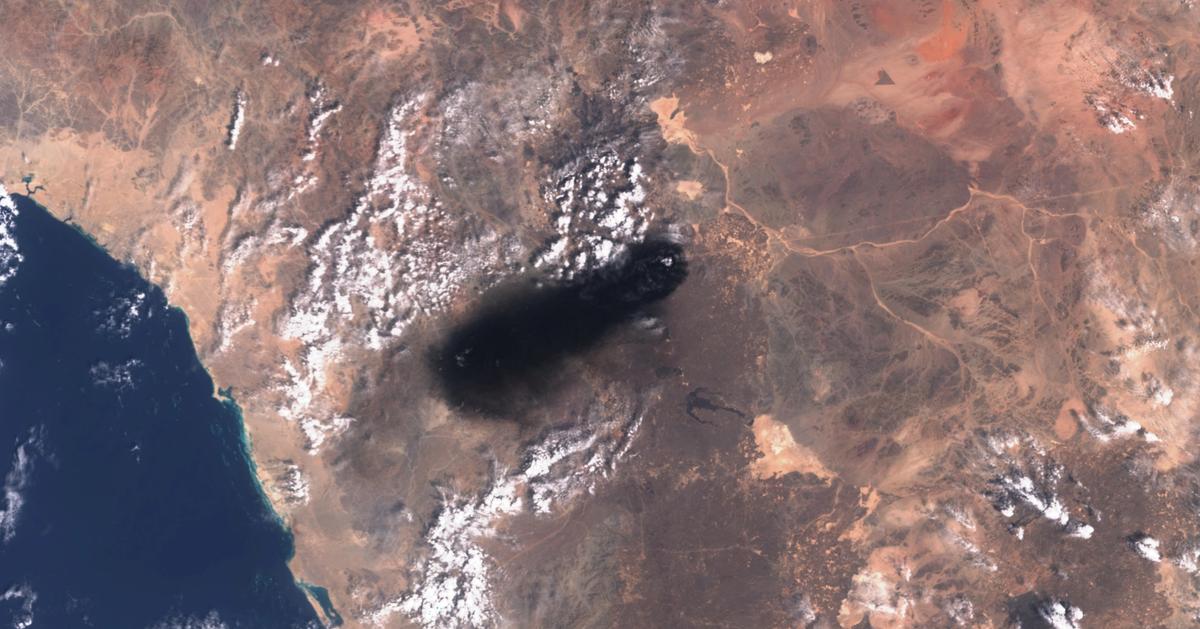
This followed attacks on Friday (September 11, 2026) on Saudi Arabia, which Riyadh blamed on Iranian-backed fighters in Iraq, that disrupted the country’s East-West pipeline, which allows oil exports to bypass the blockaded Strait of Hormuz.
asserted
exports → follow → Hormuz
“Oil traders are treating every fresh attack or infrastructure hit as incremental supply risk, while staying highly sensitive to any sign that the East-West pipeline or Hormuz flows could normalise,” said Tim Waterer, chief market analyst at KCM Trade.
uncertain
Waterer → treat → Trade
Commodity vessel traffic through the Strait of Hormuz dropped to fewer than 10 transits a day over the weekend, from a 10-day average of 14, raising concerns over a route that typically carried about one-fifth of global oil supplies before the U.S.-Israeli war on Iran began on February 28.
asserted
war → drop → February
Saudi Arabia could begin to exhaust oil available for export within days unless it restores operations on the East-West pipeline, potentially removing as much as 4% of global oil supply from the market, according to Saudi buyers and traders.
uncertain
it → begin → buyers
The world’s biggest exporter has used the pipeline to reroute around 4 million barrels per day — around 4% of global supply — to the port of Yanbu on the Red Sea.
“Plenty of uncertainty remains over the extent of damage and the duration of the outage for the East-West pipeline in Saudi Arabia.
asserted
Plenty → use → Arabia
Prices are likely to remain well supported until we get clarity,” ING analysts said in a note.
asserted
analysts → remain → note
Separately, President Volodymyr Zelenskyy said on Monday (September 11, 2026) that Kyiv was ready to support a U.S. proposal for a Russia-Ukraine ceasefire on energy sites only if Washington could ensure Moscow was genuinely ready to end its war on Ukraine.
uncertain
Moscow → say → Ukraine
 The Aporia