What crypto taught Democrats about the AI backlash

Semafor · collected 2026-09-16 · by David Weigel
Read the original at Semafor ↗

Summary

This article discusses the rapid escalation of Democratic opposition to artificial intelligence (AI) through newly formed political action committees and pledges aimed at regulating AI companies. It highlights initiatives like Tomorrow Together, Who Decides, and The Stop Bleeding the Future pledge, which aim to isolate AI industry funding in political campaigns. The author draws parallels between this current movement and previous Democrat efforts against cryptocurrency, noting how both technologies have sparked significant political backlash.
Written by the local model on 2026-09-16, using this article's own text rather than the other coverage of the same event (that is the story summary below).

Signals How these are calculated →

Claims extracted
48
claim-shaped sentences
Uncertain
8%
4 of 48 hedged
Leaning
Leans strongly left
of the writing, not the subject
Correction & hedging signals
94.9
corrections and hedging in what we collected; not a measure of accuracy
Outlets on this story
1
Politics
Narrative spread
1
articles carrying this framing
Analyzed 2026-09-16 · how these are computed

AI analysis (generated at analysis time, not now)

Story summary

Democrats are rapidly turning against artificial intelligence (AI) by forming new groups to combat it. One such group is Tomorrow Together, a political action committee (PAC) founded by former staffers of Bernie Sanders and Kamala Harris campaigns, aiming to make Democrats the leading party on AI issues. Another is Who Decides, launched by New York state legislator Alex Bores after losing his House bid, focusing on opposing AI industry efforts.

A recent addition is The Stop Bleeding the Future pledge developed by progressive groups like QuitGPT, which began circulating in May. This pledge commits candidates to refusing money from influential AI industry PACs and condemning their attempts to block sensible AI regulations. Early signatories include Texas Representative Greg Casar, who has long warned about needing more independent AI policies.

Michael Baick, an organizer of QuitGPT, emphasized the goal of making these industry groups irrelevant and toxic within political circles, aiming to change how politicians perceive any communication from these entities.

Written for “AI Backlash And Politics” on 2026-09-17, grounded in this article and the 0 other(s) covering the same event.
Why this leaning score
The article's own words the score was based on. Each is quoted verbatim and was checked against the article text before being stored, so you can find it in the original.
Score -0.65 Confidence high
Leaning score -0.65 for article 13982 (high confidence, 3 verified quotes) · logged 2026-09-16

Story

📰 AI Backlash And Politics
Politics · 1 article(s) covering the same event. This is the one the site leads with.

How this is being covered How these are calculated →

Article leaning vs. publisher reliability
Source leaning vs. consistency

Compared with similar articles

This article reads leans strongly left and hedges 8% of its claims. Each row says how that neighbour differs.
CBS News
⚖️ leaning not scored 🔴 0% hedged 0 of 3 📰 publisher trust 77
“The articles discuss different aspects and timelines related to AI regulations and political strategies without describing the same specific incident.”
NPR
⚖️ leaning not scored 🔴 0% hedged 0 of 21 📰 publisher trust 60
“Article A describes a specific event where Bernie Sanders and Steve Bannon are scheduled to speak at the 'Pro-Human Assembly' in Washington, D.C., while Article B discusses broader Democratic efforts and groups opposing AI technology.”
Fox News
⚖️ Leans strongly right further right than this 🔴 11% hedged 4 of 38 📰 publisher trust 95
“The articles discuss different aspects of AI concerns and politics without describing the same specific incident.”
Semafor
⚖️ leaning not scored 🔴 3% hedged 1 of 32 📰 publisher trust 95
“The articles discuss different aspects of AI regulation and political reactions to AI technology, not a single specific incident.”
The Guardian
⚖️ Leans left further right than this 🔴 21% hedged 5 of 24 📰 publisher trust 95
“The articles discuss different aspects of AI regulation and public response but do not describe the same specific incident or occurrence.”
CBS News
⚖️ Leans left further right than this 🔴 0% hedged 0 of 3 📰 publisher trust 77
“Article A reports on Rep. Sam Liccardo urging lawmakers to take action on AI, while Article B discusses Democrats' approach and new groups forming around AI issues.”
AI loses a Dallas debate different event · 90%
Semafor
⚖️ leaning not scored 🔴 5% hedged 1 of 19 📰 publisher trust 95
“The articles discuss different topics related to AI and politics but do not describe the same specific incident.”
The Guardian
⚖️ Leans left further right than this 🔴 0% hedged 0 of 2 📰 publisher trust 60
“The articles discuss different aspects related to AI and politics but do not describe the same specific incident or happening.”

Publisher

Semafor · 356 article(s) · 0 correction(s) detected
No corrections detected for this publisher. That may mean careful reporting, or simply that nothing has been checked.

Who wrote this

David Weigel
7 article(s) here · 1 carrying a prediction
🔮 QuitGPT, the coalition that wrote the pledge, began circulating it in May.
2026-09-16 · assertive framing · What crypto taught Democrats about the AI backlash
🔮 An old-fashioned news desk might cover a clip once, ask the candidate about it, and then consider the story over.
🔮 These voters were interested in economic populism, but a candidate’s background couldn’t overwhelm cultural concerns: On those, said Jared Abbott, the center’s director, “it’s better for you to say something that actually connects with those voters and that you agree with than to say nothing.”
🔮 “Five thousand dollars for every adult,” President Trump said on Thursday, suggesting that a “Trump dividend” would go out if the GOP kept control of Congress.
🔮 Jeffries then took to the cameras to explain how this agenda would play out next year, if he becomes speaker.
🔮 Notable - New polling for the IMEU Policy Project, conducted by YouGov, suggests that cutting off military aid to Israel is a popular position in the six states that will vote first in the 2028 Democratic presidential primary.
🔮 South Carolina Republicans could nominate Rep. Ralph Norman on Tuesday for Senate, denying Sen. Darline Graham six more years in the seat held by her late brother.
2026-08-24 · assertive framing · Norman could add to Trump’s primary losing streak
Also by David Weigel
Nothing else under this byline is closely related to this article, so these are simply their most recent.
All 7 articles by David Weigel →

Topics

Democrats House New York Texas Tomorrow Together

Subjects

Democrats NORP · 3× Sanders PERSON · 3× Bernie Sanders PERSON · 2× Alex Bores PERSON · 1× David PERSON · 1× Greg Casar PERSON · 1× House ORG · 1× Kamala Harris PERSON · 1× New York GPE · 1× Tomorrow Together ORG · 1×

Narrative

“If they say, ‘Hey, we protected you against rate increases, we made sure local communities would be able to choose what type of, if any, they want in terms of construction, and then we want to have an AI bill of rights,’ that’s where you get huge majorities,” he said this week.
framing: assertive · carried by 1 article(s) · first seen 2026-09-16
🔮 QuitGPT, the coalition that wrote the pledge, began circulating it in May.
2026-09-16 · Semafor
What crypto taught Democrats about the AI backlash · assertive framing

Claims (48 extracted, 4 hedged)

If you don’t appreciate how quickly Democrats are entering attack mode against AI, just count the groups they’ve started since our last edition alone. asserted
they → appreciate → edition
There’s Tomorrow Together, the new PAC formed by veterans of the Bernie Sanders and Kamala Harris campaigns, working to make theirs “the party that wins on AI.” asserted
that → ’ → AI
There’s Who Decides, launched by New York state legislator Alex Bores in the wake of his failed House bid, which became a proxy war between AI industry PACs. asserted
which → ’ → PACs
Joining the list today: The Stop Bleeding the Future pledge. asserted
pledge → join → Future
Developed by an array of progressive groups, it commits candidates to “refuse all money from” the most active AI industry PAC and to “condemn its efforts to stop commonsense AI laws.” asserted
it → develop → laws
Its first signatories include Rep. Greg Casar, D-Texas, who had warned for months that the party needed AI policies that weren’t written by the companies. asserted
that → include → companies
QuitGPT, the coalition that wrote the pledge, began circulating it in May. uncertain
that → write → May
“We want to make them irrelevant and toxic,” Michael Baick, one of its organizers, said when we talked yesterday. asserted
we → want → organizers
“We want any politician or staffer who gets an email from these guys to think: This is bleeding the future.” asserted
This → want → future
They might not need much pushing. uncertain
They → need → pushing
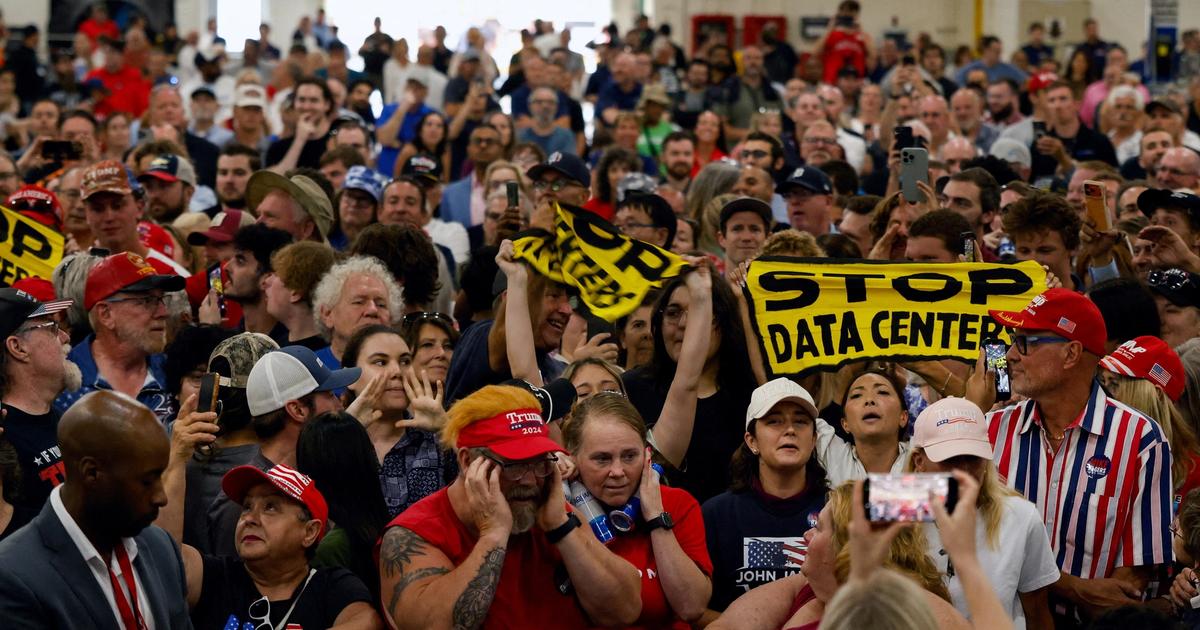
In the year since I covered voter anger at data center construction in Virginia, AI angst has moved from the political frontiers to center stage. asserted
angst → cover → stage
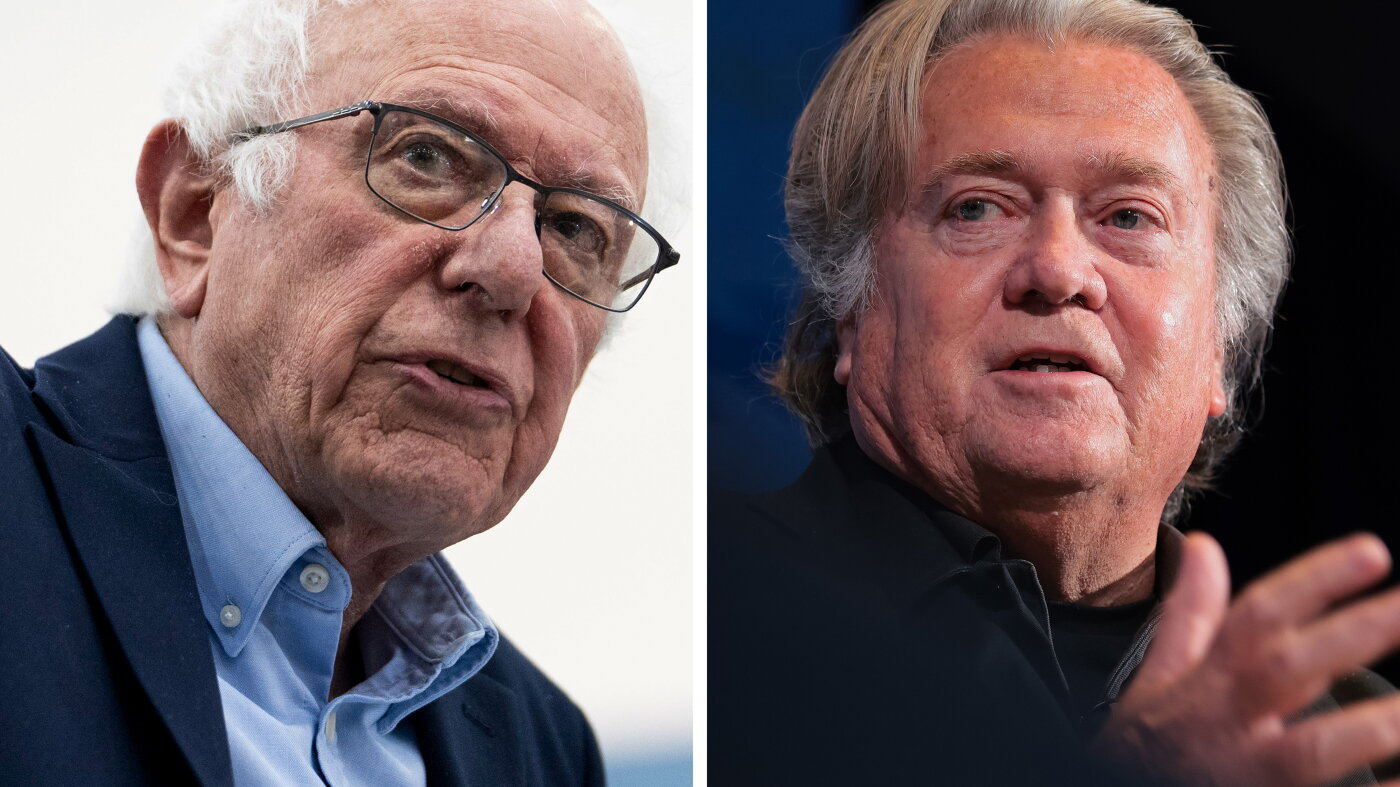
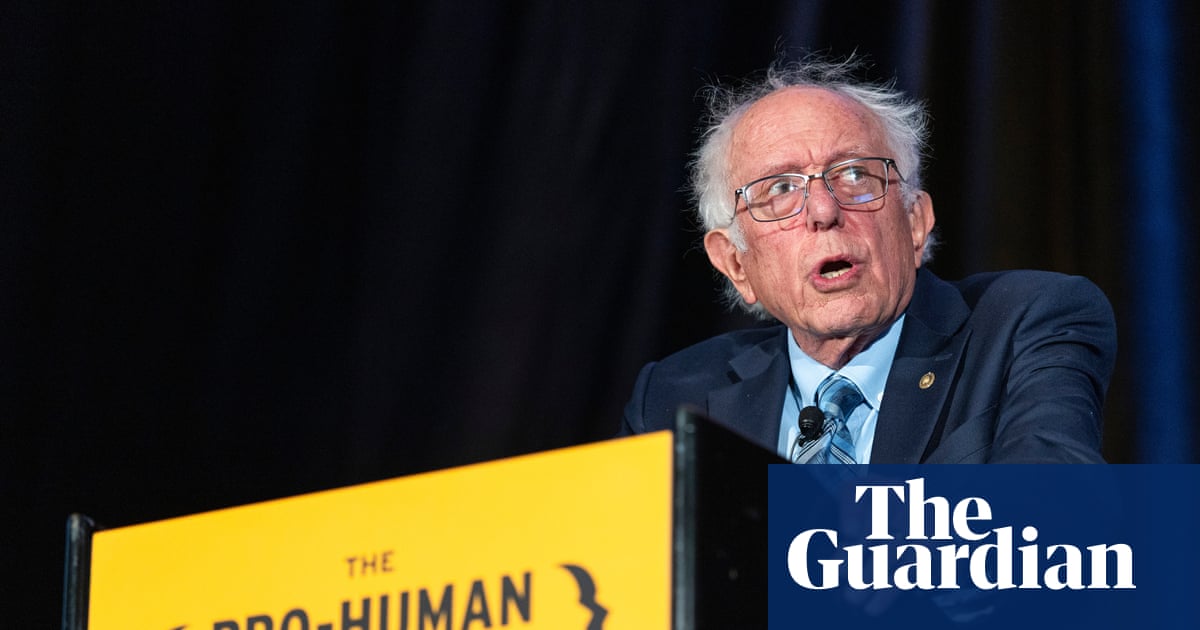
I spent most of Tuesday at the Pro-Human Assembly, where Steve Bannon and Sen. Bernie Sanders, I-Vt., anchored a day of nervous programming about the dangers of AI and the need for “guardrails” built by an accountable government. asserted
Bannon → spend → government
“I don’t think a pledge should be limited to [the Leading the Future AI industry PAC], because they’re already finding ways to shift their money,” Bores told me. asserted
Bores → think → me
“But they’re toxic to this debate.” asserted
they → ’re → debate
Leading the Future chose not to comment on the “bleeding” pledge. asserted
Leading → choose → pledge
Below the surface, there is a lot of contemptuous finger-pointing about where the anti-AI energy now coursing through the political-media landscape is coming from. asserted
energy → be → landscape
What’s the role of Effective Altruism, and that movement’s money, in fueling “doomerism” that will advantage one company at the expense of another? asserted
that → ’ → another
But we’re in the middle of an election, with ballots in the mail, and the Democratic Party’s conversation about this is pretty simple. asserted
conversation → ’re → this
They see a president who isn’t popular, an industry that’s less popular, and — when those are combined — a very straightforward story about wealthy job-destroyers using their political access to put everybody at risk. asserted
destroyers → see → risk
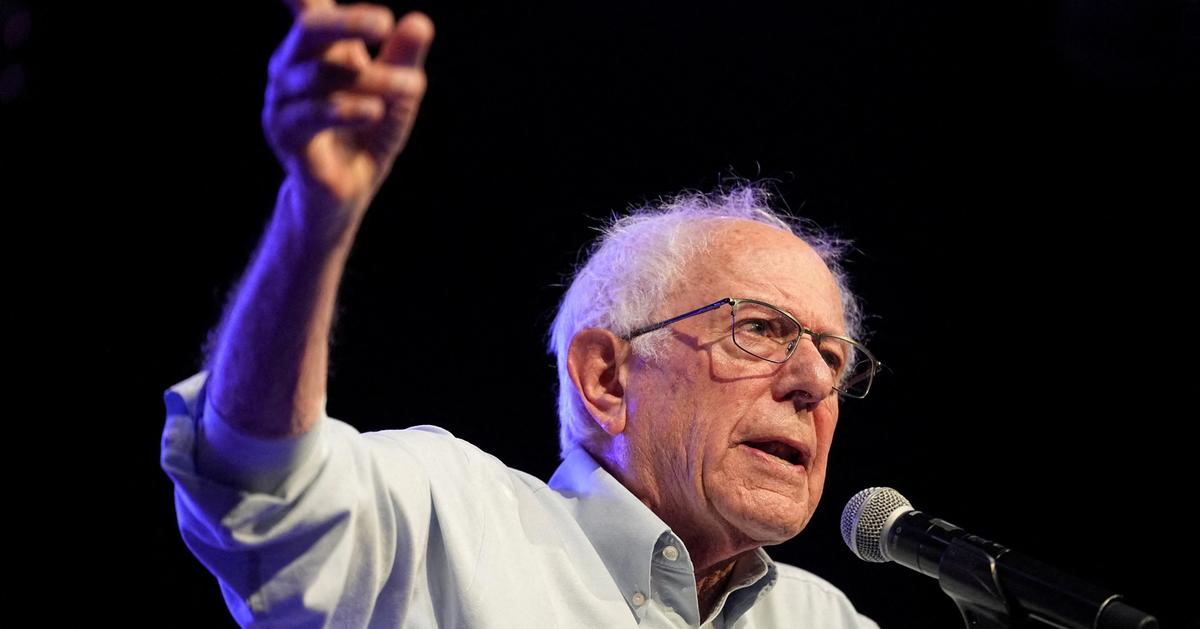
“I say to them that if you believe in democracy, if you believe that the people have a right to determine their future, stop pouring hundreds of millions of dollars into super PACs,” Sanders said at the conference. asserted
Sanders → say → conference
Sanders was one of the first left-wing politicians to understand the backlash against data centers. asserted
Sanders → understand → centers
The topic came up during his “Fight Oligarchy” tours. asserted
topic → come → tours
He polled audiences on what was happening in their towns and what was making them anxious. asserted
them → poll → towns
There are some Democratic skeptics of Sanders’ approach here, and his own thinking about the world-ending danger of AI — an idea that is pushed hard by Effective Altruists. asserted
that → be → Altruists
But I am starting to see wide adoption of his people-versus-Silicon Valley approach. asserted
I → start → approach
I expect to see more after Tuesday, when Senate Democrats sank the Clarity Act, the top priority of the cryptocurrency industry for the last two years, without much worry about the consequences. asserted
Democrats → expect → consequences
Republicans could resurrect the bill after the midterms, but it’s not likely after a failure this big. uncertain
it → resurrect → failure
The crypto industry spent more than $130 million on the 2024 elections to put friendly politicians in office, from both parties — out of necessity, because the filibuster wasn’t likely to get busted for their bill. asserted
filibuster → spend → bill
Democrats like Sen. Ruben Gallego, D-Ariz., and Sen. Elissa Slotkin, D-Mich., got help from the PACs, on the expectation that they’d be amenable to collaboration if they won their 2024 races. But the dynamics shifted quickly. asserted
dynamics → get → races
The president and his family had made more than $1 billion from crypto. asserted
president → make → crypto
How could Democrats go home and tell their voters that they’d enriched the president on behalf of an industry that funded their campaigns? uncertain
that → go → campaigns
Gallego, speaking for a lot of Democrats, decided that Republicans care “more about making sure the president keeps making money than actually bringing regulations.” asserted
president → speak → regulations
The anti-AI push comes from the same thinking. asserted
push → come → thinking
The president can be counted on to denounce AI regulation. asserted
president → count → regulation
That makes it easier to run against when he’s unpopular, and impossible to support when Democrats want to win their own primaries. asserted
Democrats → make → primaries
“The industry still thinks soft dollars will buy them love, in part because of the mistaken belief that the crypto playbook is repeatable,” said Sam Silverman, a Democratic strategist advising candidates on AI messaging. asserted
Silverman → think → messaging
“It’s not. asserted
It → ’ → ?
Voters don’t give a f*ck about crypto. asserted
Voters → give → crypto
When AI is the defining topic of the election, do you think taking millions from Marc Andreessen, Greg Brockman, and Joe Lonsdale will be palatable to the base?” asserted
taking → define → base
Across the aisle, the president’s party is more divided over AI than it was over crypto. asserted
it → divide → crypto
…and 8 more, not listed.

💬 Give feedback
🕘 History 🎫 Support