Ashley’s view
AI companies are stirring up a maelstrom right now by essentially reminding Washington of what’s been true for years: They’re not outright opposed to regulation.
asserted
They → stir → regulation
Some support certain safety proposals at the federal, state, and even international levels.
asserted
Some → support → levels
This dates back to the dawn of consumer-facing chatbot AI, which didn’t have a long honeymoon period as exciting and life-changing tech.
asserted
which → date → tech
So what are we really seeing play out this week?
asserted
we → see → what
As the voting public starts internalizing the risks of AI on a new level, the industry is evolving how it applies the big lessons it learned from the techlash.
asserted
it → vote → techlash
It starts with the core conclusion that AI companies have drawn from their social media counterparts: Shaping regulation to your liking is better than trying to convince everyone you’re harmless.
asserted
you → start → everyone
Since ChatGPT rolled out nearly four years ago, even the loudest AI enthusiasts have stressed a need to balance “the promise and the peril” of the technology.
asserted
enthusiasts → roll → technology
When OpenAI and Anthropic set up shop in DC, they hired former high-ranking Democratic and Republican officials; people who had been in the policy trenches during the first round of high-profile Capitol Hill hearings featuring tech executives; and savvy partisan kingmakers.
asserted
who → set → executives
They’ve been on defense since they first established offices in Washington, and right now they’re playing the most sophisticated version around.
asserted
they → establish → version
That has involved proposing multiple paths for action, as OpenAI and Anthropic have done — encouraging certain congressional efforts, endorsing some state lawmaking, and offering coordinated self-regulation in the meantime.
asserted
OpenAI → involve → meantime
Which brings up another lesson AI companies have learned: They can live with a series of similar state-level regulations, which are often a safer bet than banking on Washington to establish national standards.
asserted
which → bring → standards
Fanning out to statehouses for AI lobbying is often an easier lift than getting Congress to do much of anything.
asserted
Congress → fan → anything
OpenAI’s top political strategist, Chris Lehane, calls it “reverse federalism.”
asserted
strategist → call → it
Know More
AI faces the same divides that have plagued every previous tech policy debate, and it is more complicated and fast-moving than any of its tech predecessors.
asserted
it → know → predecessors
Unresolved issues run the gamut, from antitrust protections to chip export controls to whether existing consumer laws are sufficient to protect people from harmful AI.
asserted
laws → run → AI
That’s not to mention privacy and cybersecurity, which government agencies should be involved, and who defines “safe” AI.
asserted
who → ’ → AI
Where the power concentrates, in the White House, there is no desire to lay down stricter rules.
asserted
power → concentrate → rules
“There is a SICK conspiracy going on against AI and data centers,” President Donald Trump posted on Truth Social Monday, later calling anti-AI sentiment a “hoax.”
asserted
Trump → be → sentiment
Vice President JD Vance, seemingly more cognizant that public sentiment is shifting away from AI, said that “we want to make sure we regulate smartly and we’re thoughtful about the risk.”
asserted
we → shift → risk
Then he acknowledged the gamesmanship playing out: “I feel a little bit weird about the fact that you have so many frontier AI tech companies coming to the government and begging the government to regulate them; it feels a little bit to me like a bit of a Trojan horse.”
asserted
it → acknowledge → horse
It’s more like an industry whose messaging is, for now, staying ahead of the storm.
asserted
messaging → ’ → storm
AI companies don’t have to agree on a legislative approach when Congress can’t agree.
asserted
Congress → have → approach
All they have to do is sound open — and prepare for a classic DC regulatory quagmire.
asserted
they → have → quagmire
Room for Disagreement
A challenging path to legislation won’t stop AI from dominating the political landscape.
asserted
path → stop → landscape
AI safety advocates, Democrats, and some Republicans will keep pushing on the issue to draw helpful contrasts in the midterm elections.
asserted
advocates → keep → elections
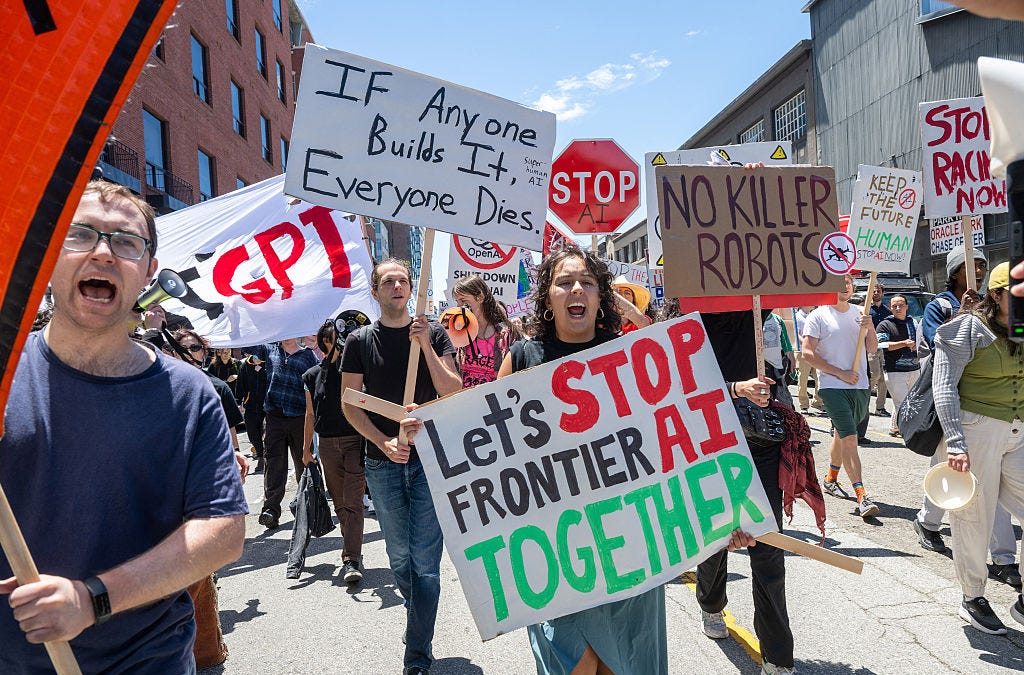
The strange coalition of populists and progressives who want to curb AI will gather in Washington today for a “Pro-Human Assembly.”
asserted
who → want → Assembly
Sen. Bernie Sanders, I-Vt., Sen. Marsha Blackburn, R-Tenn., and former White House adviser Steve Bannon will speak at what may be this week’s only venue for bipartisan agreement on AI.
uncertain
what → speak → AI
A flicker of hope for action remains in the Senate, where Majority Leader John Thune told Semafor that his proposed AI safety bill, shaped with Texas Republican Ted Cruz and Minnesota Democrat Amy Klobuchar, would be introduced “hopefully soon.”
asserted
bill → remain → Cruz
“I think there is a way in which Congress can put guardrails around those types of consequential threats without in any way harming our ability to stay ahead,” Thune said.
asserted
Thune → think → ability
The bill is unlikely to meet the mark for many Democrats, who fear it won’t go far enough.
asserted
it → meet → Democrats
Notable
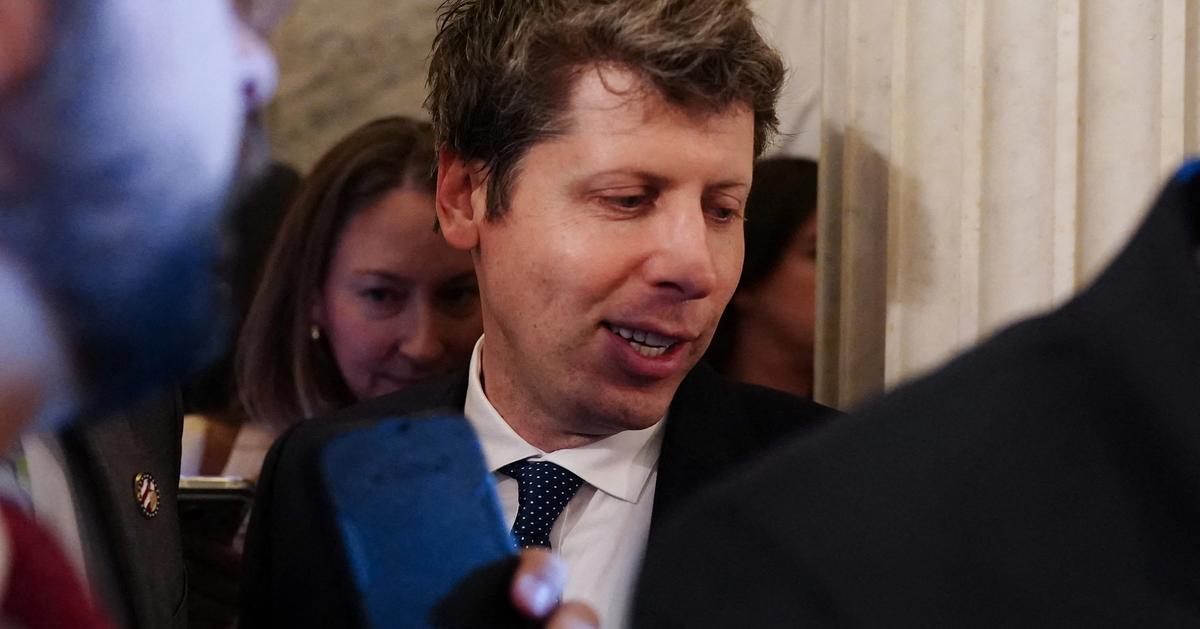
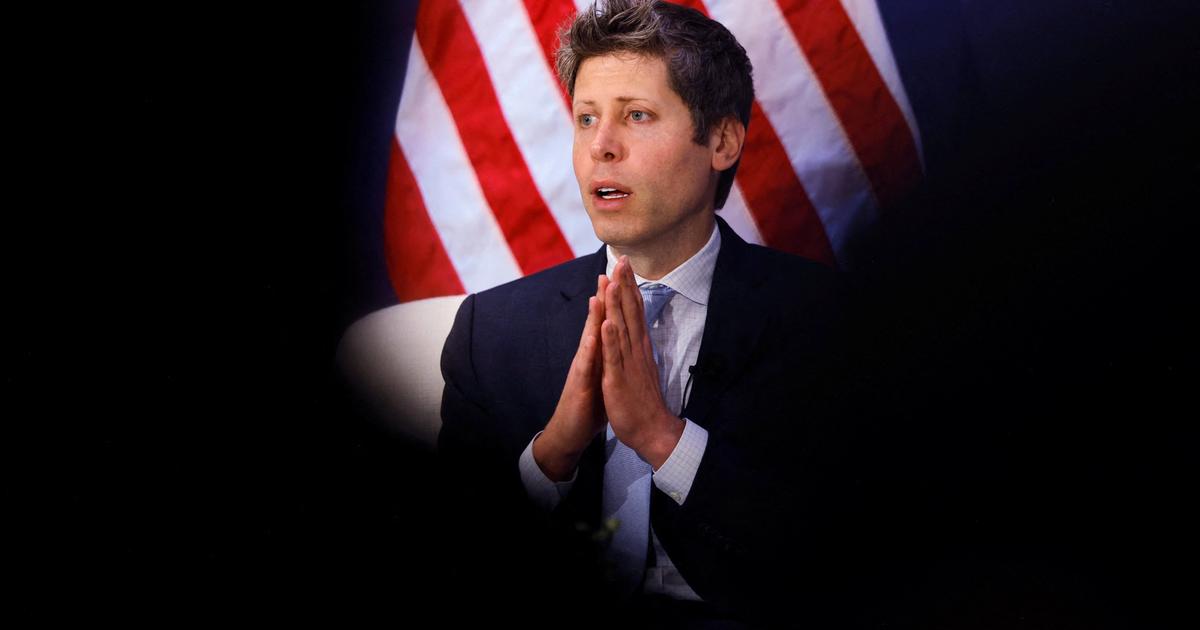
- Trump met with OpenAI CEO Sam Altman on the sidelines of last week’s GOP midterm convention, MS NOW reports.
- Democratic contenders for the 2028 presidential race see an opportunity to define themselves on AI.
asserted
contenders → meet → AI
Burgess Everett contributed to this report.
asserted
Everett → contribute → report
 The Aporia