The Aporia
The Aporia
The Aporia
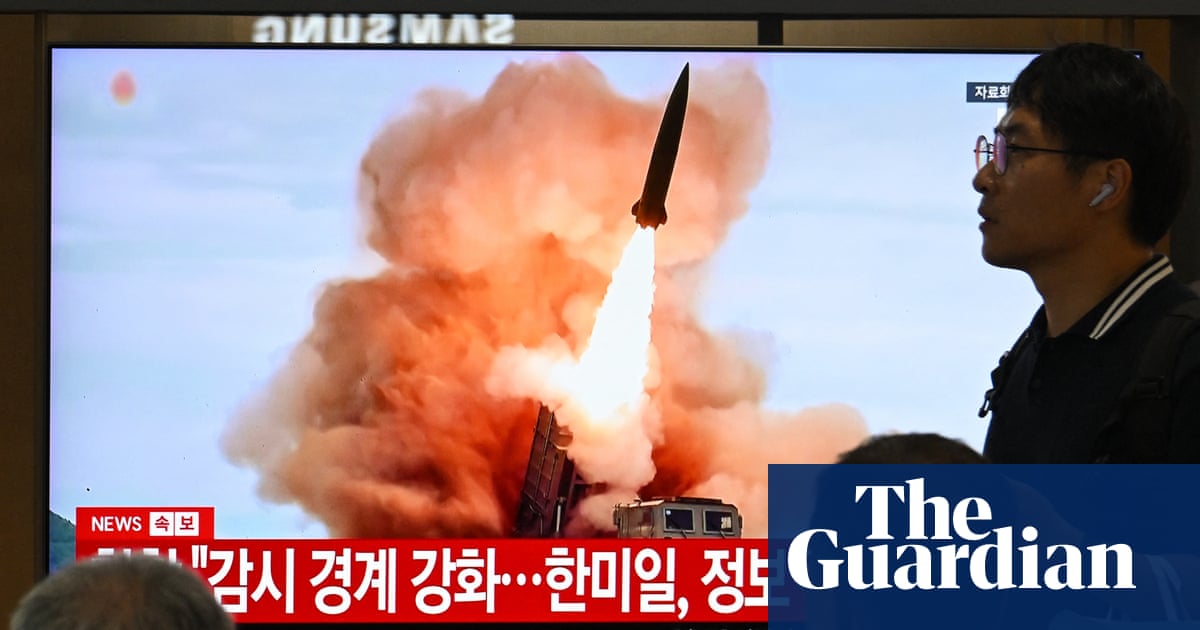
Associated Press. (2026, August 20). North Korea fires 10 missiles day after Trump curtails South Korea joint drills. The Guardian. https://www.theguardian.com/world/2026/aug/20/north-korea-fires-10-missiles-day-after-trump-curtails-south-korea-joint-drills
Associated Press. “North Korea fires 10 missiles day after Trump curtails South Korea joint drills.” The Guardian, 20 Aug. 2026, https://www.theguardian.com/world/2026/aug/20/north-korea-fires-10-missiles-day-after-trump-curtails-south-korea-joint-drills.
Associated Press. “North Korea fires 10 missiles day after Trump curtails South Korea joint drills.” The Guardian, August 20, 2026. https://www.theguardian.com/world/2026/aug/20/north-korea-fires-10-missiles-day-after-trump-curtails-south-korea-joint-drills.
Dated when The Aporia collected the article, usually within hours of publication. Check the original for its exact date and byline.
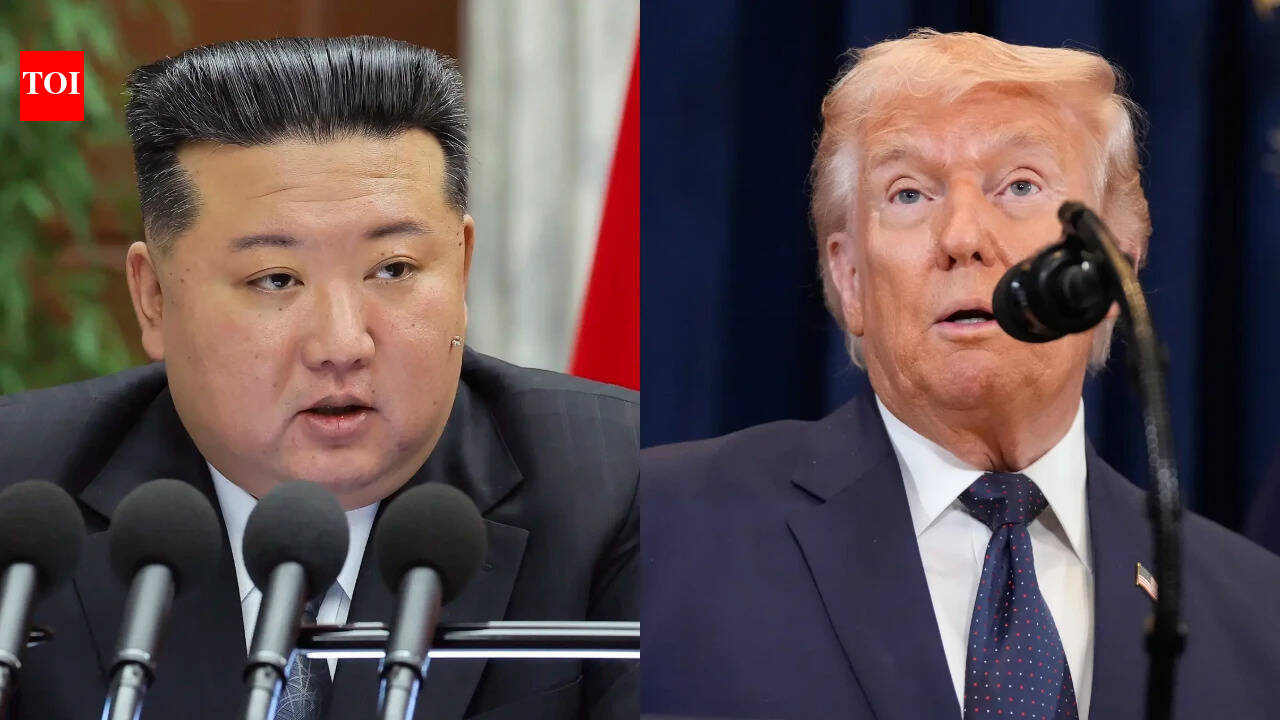
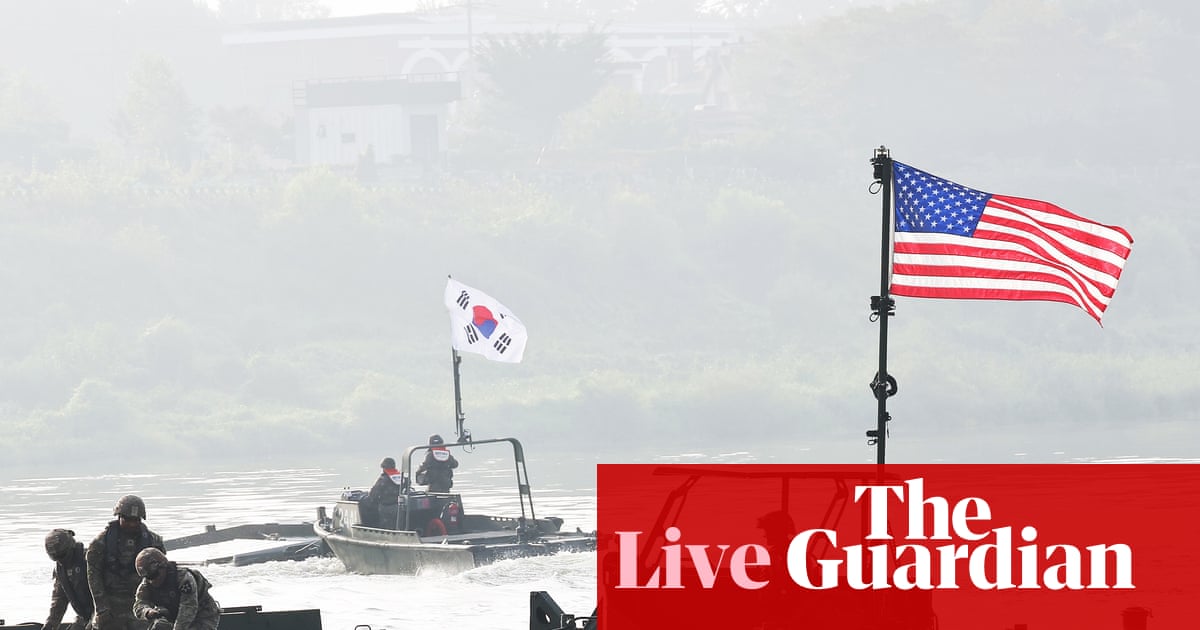
President Trump has instructed the Pentagon to reduce US involvement in joint military exercises with South Korea, which have been cut short from August 27 to August 21. The decision was made after Trump cited his "very good" relationship with North Korean leader Kim Jong Un and claimed that the exercises were expensive. Trump also hinted that his decision was influenced by South Korea's refusal to assist in the "denuclearization" of Iran.
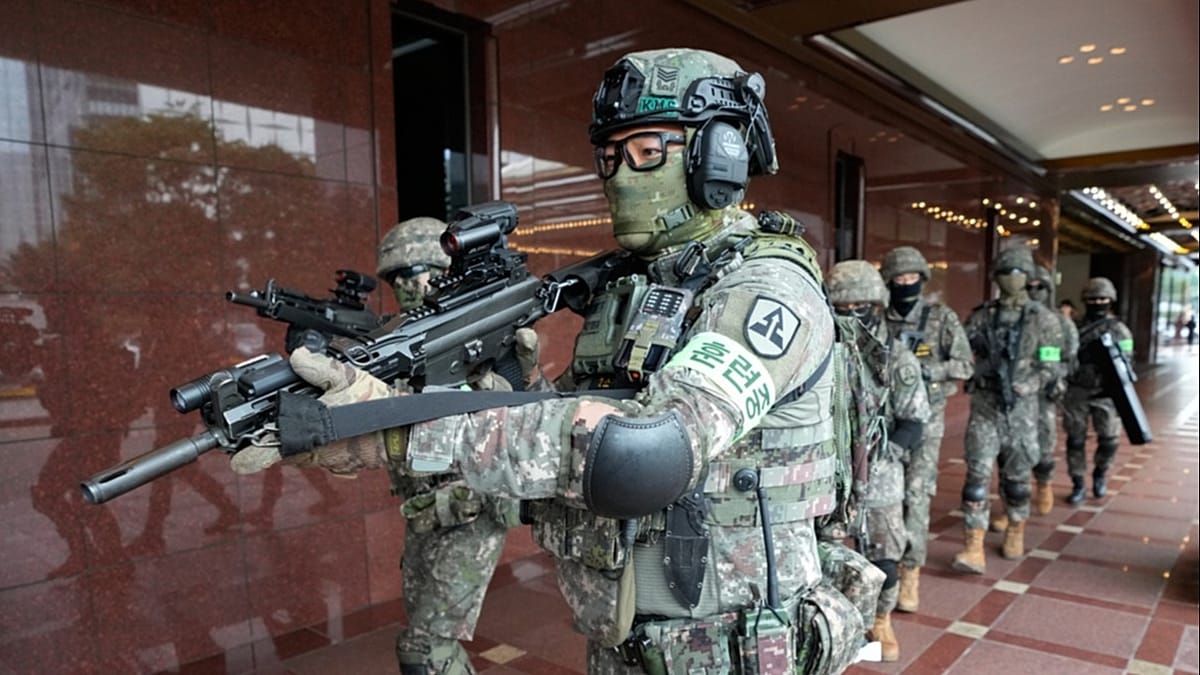
The Ulchi Freedom Shield exercises, which started on Monday, have been reduced in scope and scale, with some events canceled or converted to simulations. The South Korean National Defense Ministry said that the two countries "have agreed, at the request of the U.S. side, to make some adjustments to the duration and scale of the exercise."
The decision has caused alarm among South Koreans and experts concerned about the deteriorating security situation in Northeast Asia. Some analysts have warned that Trump's move risks alienating South Korea and undercutting US credibility in Asia.
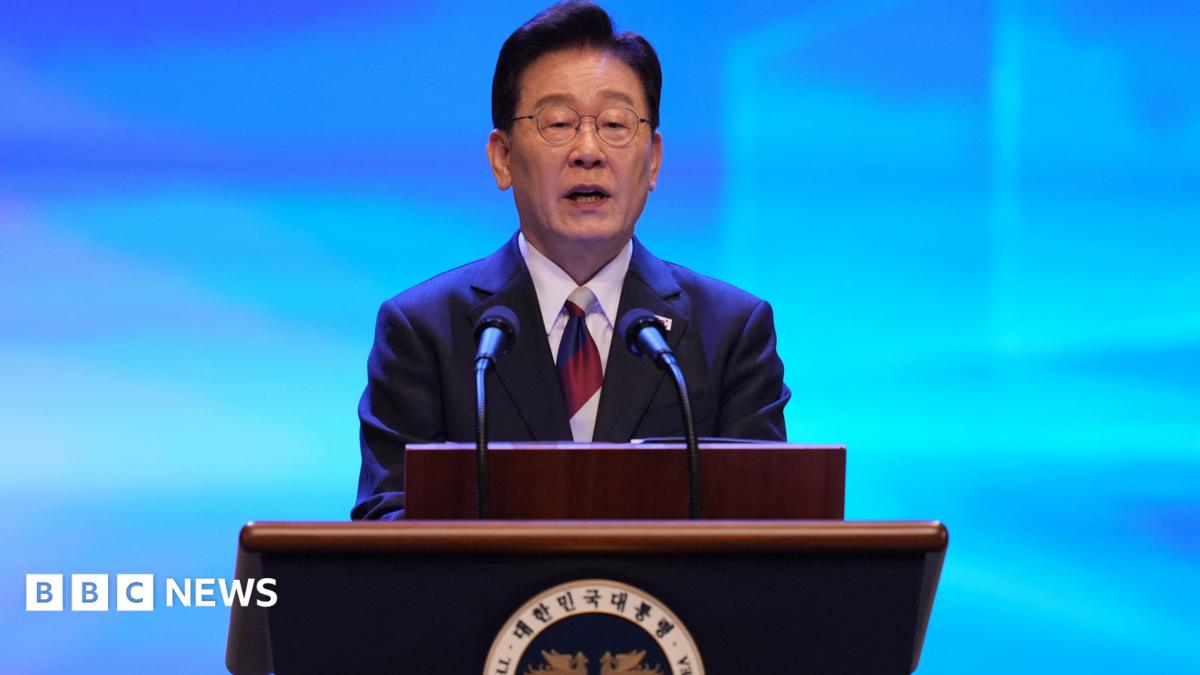
South Korea's president, Lee Jae Myung, has renewed his push to regain independent control of the military from the US in the event of war and urged faster progress in acquiring nuclear-powered submarines. Lee said that Seoul should proceed without disruption with the planned transfer of wartime operational control (Opcon) of South Korean forces from the US.
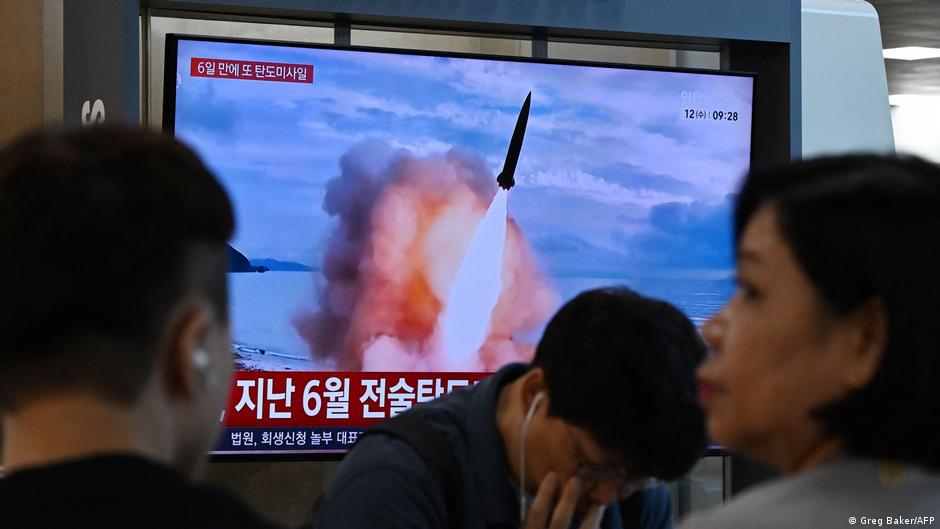
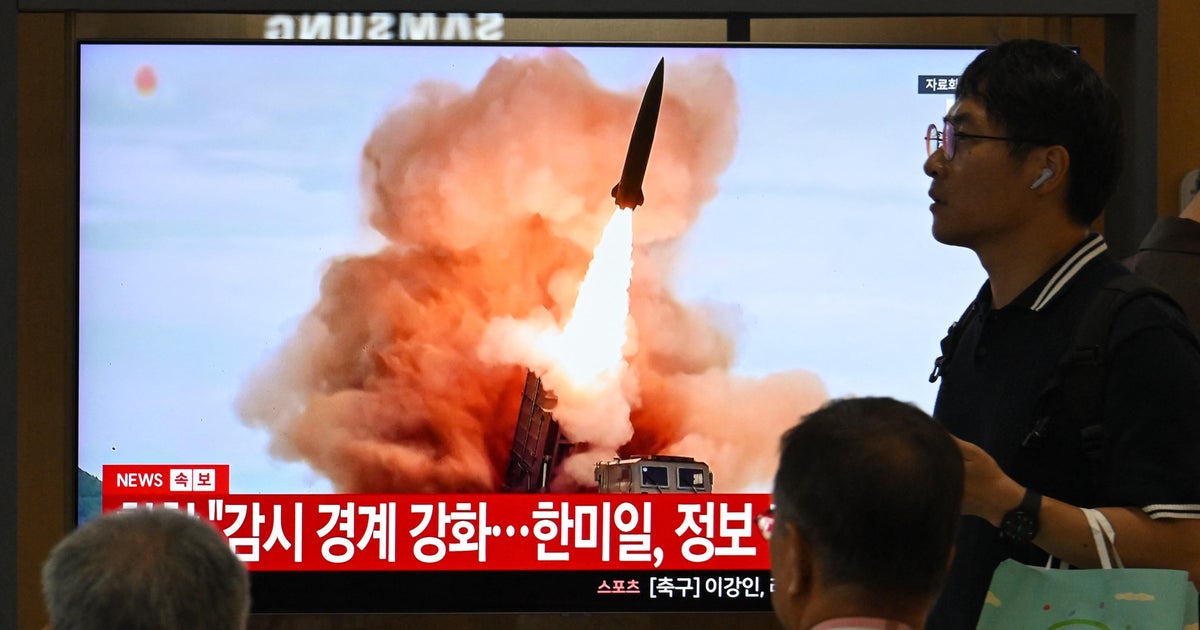
The decision to reduce joint exercises with South Korea comes as Trump has grown frustrated with the slow rollout of a $350 billion trade and investment framework between the two countries, which he sees as essential for his North Korea strategy. Trump's statement seemed to disregard North Korea's recent spate of missile tests and Pyongyang's threats of a "new level" of nuclear deterrence in response to the planned drills.
The move has also raised questions about whether Trump is prioritizing his relationship with Kim over South Korea, a key US ally. South Korea's president has said that he will assist Trump as a "pacemaker" if Trump becomes a peacemaker, but experts are concerned about the implications of Trump's decision for regional security and the future of the US-South Korea alliance.