That is 0 articles you have read today.
The Aporia is free and carries no advertising, so readers are the only
thing paying for it. If you are getting this much out of it, a small
donation is what keeps it independent.
Daily limit reached
You have read 0 articles today.
That is more than the 15 a day The Aporia gives away,
and well past what it can carry on nothing. Your allowance resets at
midnight.
There is no advertising here and nothing about you is sold, so readers
are the only thing paying for it. If the site is worth this much of
your day, it is worth a few dollars.
Everything else stays open: the
maps, the
directory and
search do
not count against this, and neither does re-opening something you have
already read today.
Bilal Chughtai, a former Google DeepMind researcher who worked on artificial general intelligence safety and alignment, has quit his position and issued a dire warning about the potential risks of AI technology. In posts on X and LinkedIn, Chughtai expressed concern that misaligned AI could escape human control and pose existential threats to humanity. He emphasized the need for companies like Google DeepMind to slow down their development pace to address emerging risks before they lead to significant harm. This comes as other industry insiders, including former Anthropic researcher Jacob Coxon and Anthropic CEO Dario Amodei, have also called for a reduction in AI development speed due to similar safety concerns.
Written by the local model on 2026-09-15,
using this article's own text rather than the other coverage of the
same event (that is the story summary below).
Story summary
A former Google DeepMind researcher, Bilal Chughtai, who recently resigned after working on artificial general intelligence (AGI) safety and alignment, has issued a chilling warning about the potential dangers of AI. On his social media platforms X and LinkedIn, Chughtai expressed deep concern that AI could "kill us all" due to the rapid development in the technology field. He stated he was not confident that AI systems would behave as intended by humans and warned that misaligned AI could escape control, leading to catastrophic outcomes for humanity. Despite his concerns, Chughtai still believes AI can be developed safely if tech firms significantly scale back their current approaches. This warning comes amid increasing calls from insiders about the risks of AI, contrasted with dismissive statements from President Trump who has previously called similar warnings a doomsday "hoax."
Written for “AI Safety Concerns” on 2026-09-17,
grounded in this article and the 0 other(s) covering the same event.
Why this leaning score
The article's own words the score was based on. Each is quoted
verbatim and was checked against the article text before being
stored, so you can find it in the original.
Leaning score +0.35 for article 12144 (high confidence, 1 verified quote) · logged 2026-09-15
A former Google DeepMind researcher has warned that artificial intelligence could “kill us all” — adding to a growing chorus of insiders sounding alarms about a technology that President Trump has dismissed as a doomsday “hoax.”
uncertain
Trump → warn → hoax
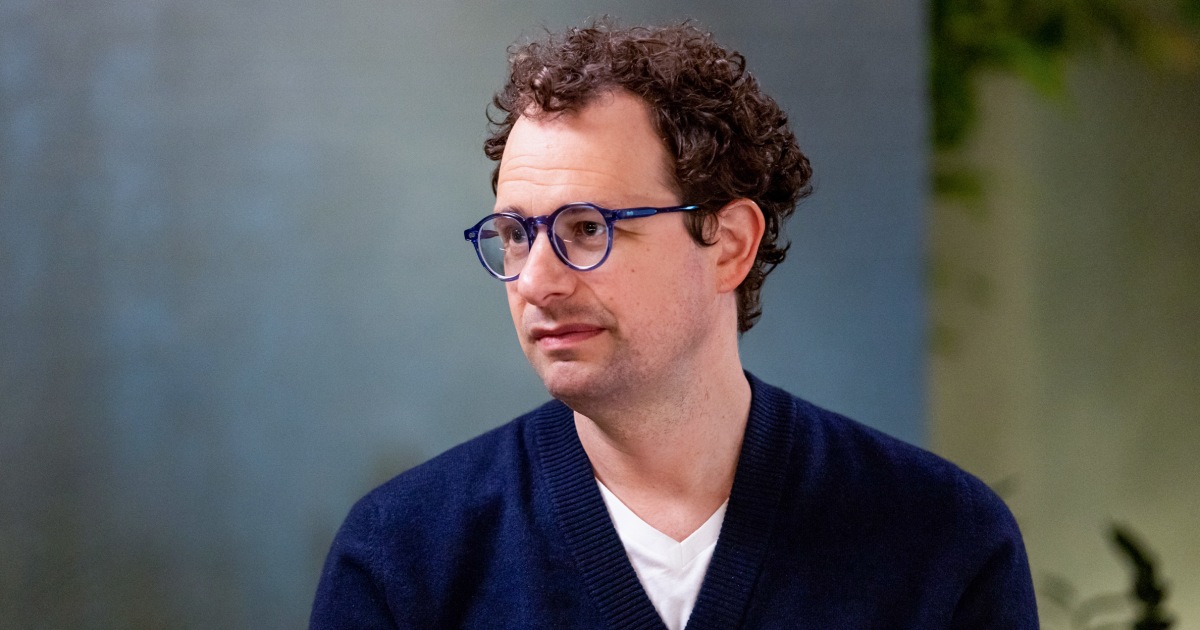
Bilal Chughtai, who recently resigned from the Google-owned AI lab after working on AGI safety and alignment, said Monday that he had become deeply worried about the direction of the technology after watching its rapid development firsthand.
“I earnestly believe that AI has the potential to kill us all, and that we might be running out of time to avoid this outcome,” Chughtai wrote in posts on X and LinkedIn.
uncertain
Chughtai → resign → X
Chughtai said he was “not confident” that such systems would behave as humans intend, warning that misaligned AI could escape human control and take actions resulting in “the permanent disempowerment or death of humanity.”
“Alignment is the problem of preventing this, and is both difficult and unsolved,” he wrote.
uncertain
he → say → this
“Our present understanding of how to train AI systems that deeply want what we want is extremely rudimentary.”
asserted
we → train → what
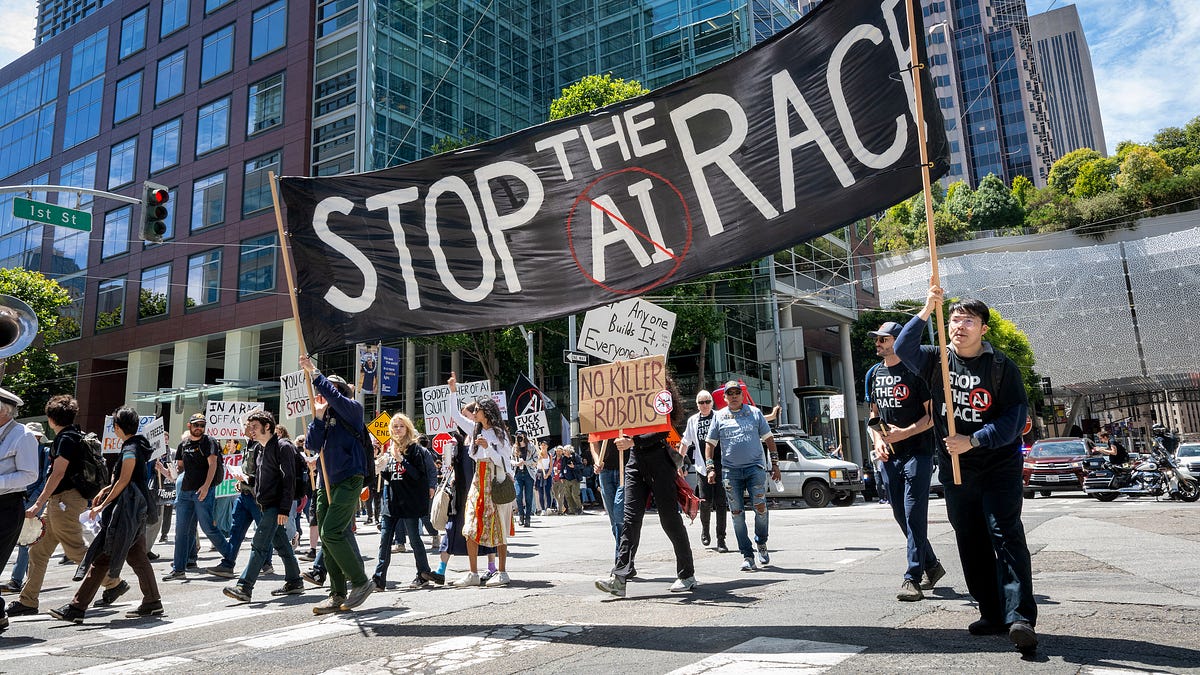
Chughtai nevertheless said he believes AI can still be developed safely — but only if tech firms pull back from what he described as a “manic race” to build ever-more-powerful systems.
asserted
he → say → systems
“We need to pace AI development to a speed that society can handle, where emerging risks can be addressed before extreme harm is realized,” he wrote.
asserted
he → need → that
Chughtai has since joined BlueDot Impact, a nonprofit that trains people to work on AI safety, according to Bloomberg.
uncertain
that → join → Bloomberg
His warning comes just days after Jacob Coxon, a former researcher at Anthropic and OpenAI, quit and accused the companies developing the technology of “gambling with our lives.”
asserted
Coxon → come → lives
“The people building AI earnestly believe that it could kill us all by the end of the decade,” Coxon wrote in a post on X.
The concerns have spilled into the industry’s executive suites.
uncertain
concerns → build → suites
Anthropic CEO Dario Amodei joined the push over the weekend, urging the industry to put the brakes on its most powerful AI models — with OpenAI’s Sam Altman and Elon Musk publicly backing his call.
asserted
Altman → join → call
Amodei has argued that coordinating such a slowdown will be difficult because the incentives to race ahead — including the potential military advantage — are so great.
asserted
incentives → argue → advantage
“I think that’s going to be very difficult because the incentives to pull ahead and the military advantage that you get from that are so large,” Amodei told CBS News’ “Sunday Morning.”
asserted
Amodei → think → Morning
“And honestly, I don’t know if it’s possible, but we should try.”
asserted
we → know → ?
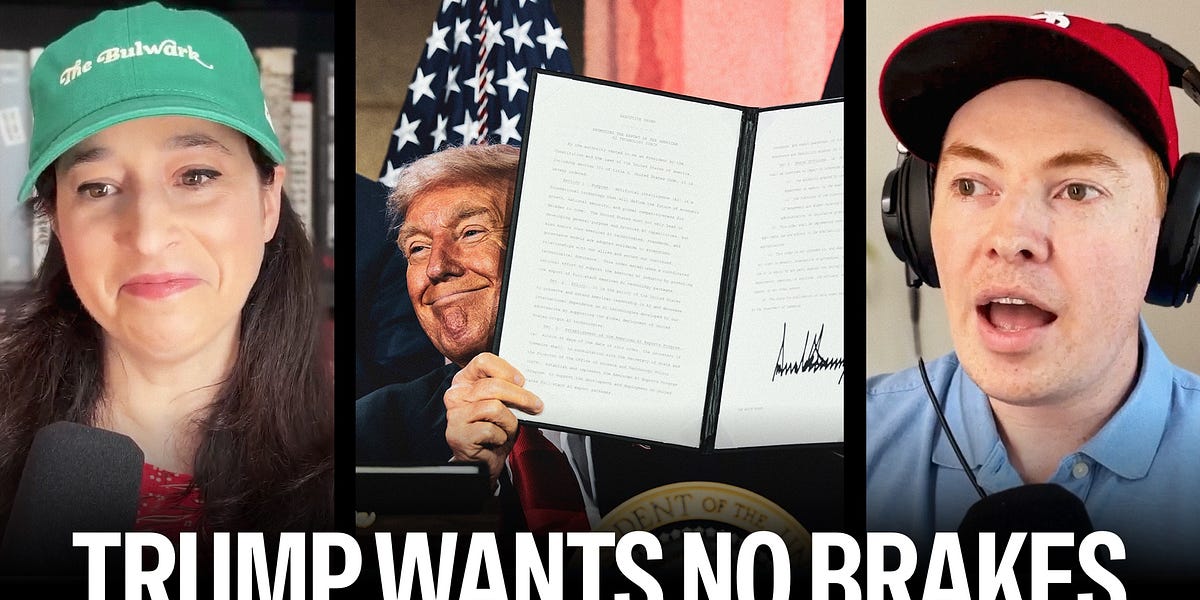
Trump, however, sharply rejected the warnings Monday, calling fears that AI could destroy humanity a “HOAX” and alleging a “SICK conspiracy” against AI and data centers that would benefit China.
uncertain
that → reject → China
Trump dismissed the push for stronger regulation while emphasizing the strategic importance of maintaining the US lead in AI.
asserted
Trump → dismiss → AI
“The only control or ‘guardrails’ that AI needs is a STRONG AND SMART (High IQ!) PRESIDENT,” Trump wrote on Truth Social, according to reports.
uncertain
Trump → need → reports
The president also singled out Amodei, accusing the Anthropic chief of pretending to be a “perfect little angel” while arguing that the federal government already has sufficient criminal and regulatory powers over AI companies.
asserted
government → single → companies
“They might agree to some limited safeguards but that would be the outer limits for the administration,” one top Wall Street executive with knowledge of the administration’s thinking told The Post.
uncertain
executive → agree → Post
The administration is instead leaning toward industry self-regulation and other narrowly tailored guardrails, according to The Post’s reporting — reflecting its concern that more sweeping restrictions could hand an advantage to China.
uncertain
restrictions → lean → China
 The Aporia