That is 0 articles you have read today.
The Aporia is free and carries no advertising, so readers are the only
thing paying for it. If you are getting this much out of it, a small
donation is what keeps it independent.
Daily limit reached
You have read 0 articles today.
That is more than the 15 a day The Aporia gives away,
and well past what it can carry on nothing. Your allowance resets at
midnight.
There is no advertising here and nothing about you is sold, so readers
are the only thing paying for it. If the site is worth this much of
your day, it is worth a few dollars.
Everything else stays open: the
maps, the
directory and
search do
not count against this, and neither does re-opening something you have
already read today.
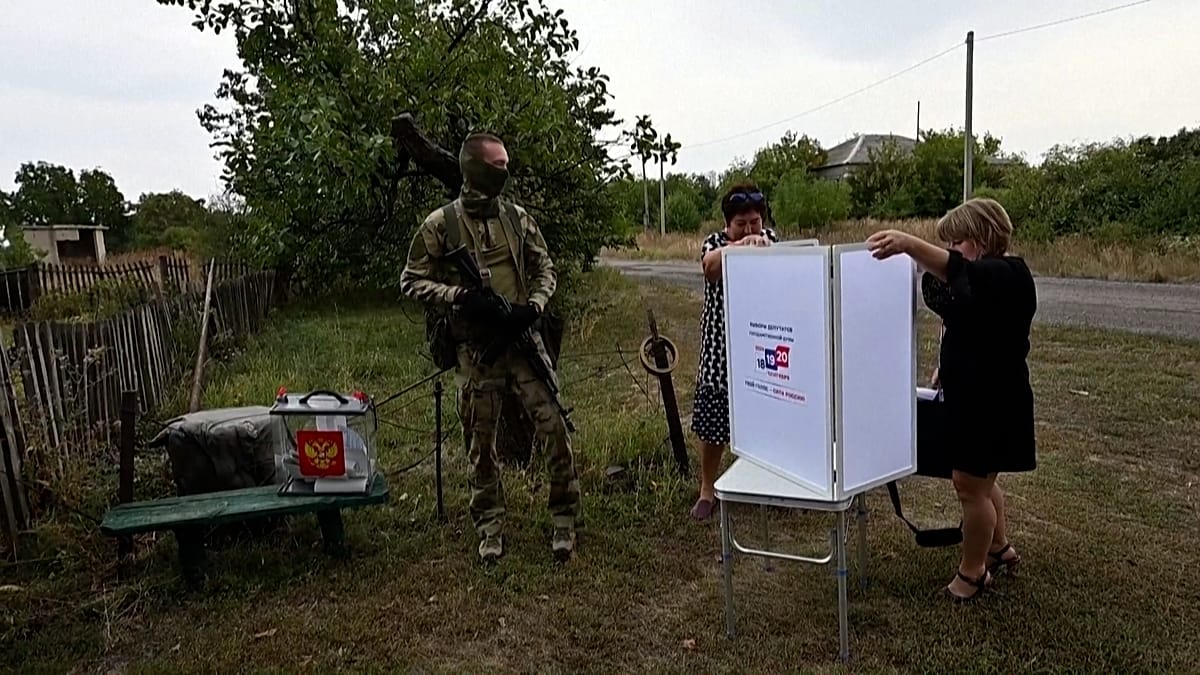
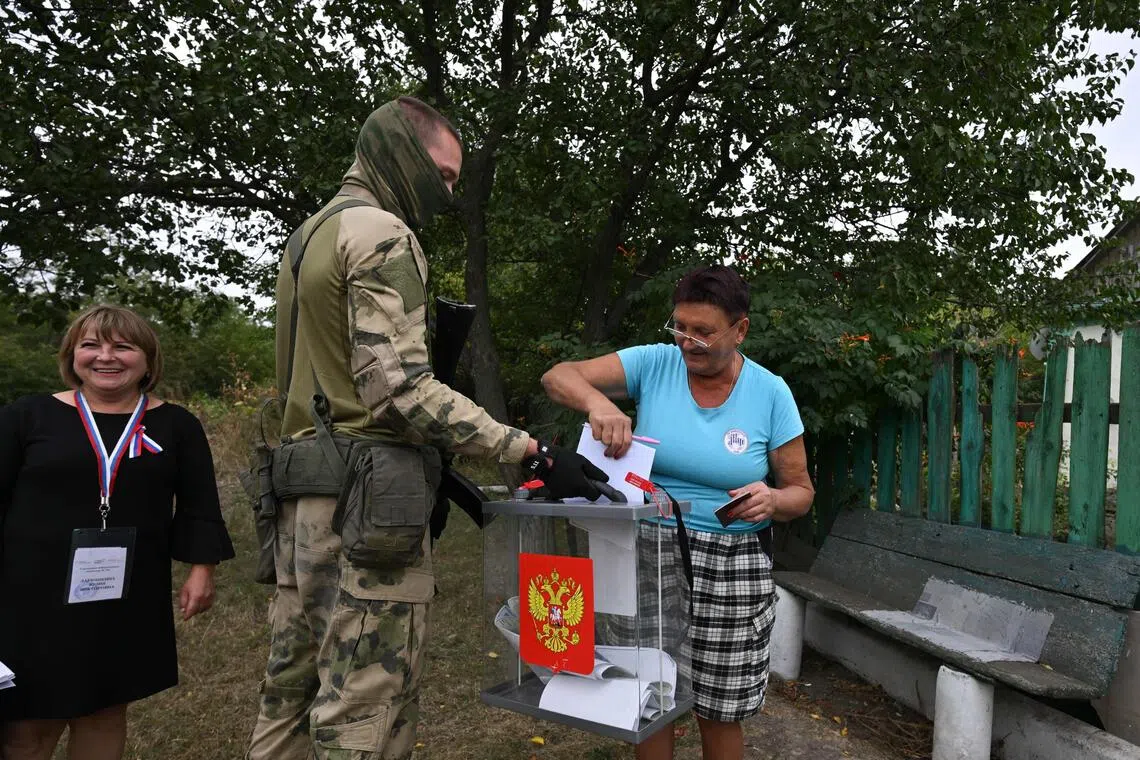
On September 14, Russia conducted early voting for its parliamentary election by sending mobile polling teams into areas of Ukraine it occupies. The teams included electoral commission members and security personnel who oversaw residents casting ballots at their homes or makeshift stations. This move is framed by the Kremlin as a way to gauge public sentiment on the ongoing war, but Ukraine’s Security Service warns locals against participating due to potential criminal charges under Ukrainian law for up to 10 years. Western governments view these elections as illegitimate and aimed at bolstering Russian control over occupied territories.
Written by the local model on 2026-09-15,
using this article's own text rather than the other coverage of the
same event (that is the story summary below).
Claims extracted
10
claim-shaped sentences
Uncertain
10%
1 of 10 hedged
Leaning
Leans left
of the writing, not the subject
Correction & hedging signals
95.4
corrections and hedging in what we collected;
not a measure of accuracy
Outlets on this story
1
Politics
Narrative spread
1
articles carrying this framing
Story summary
On September 14, Russia conducted early voting in areas of Ukraine it occupies ahead of the national parliamentary election set for September 18-20. Mobile polling teams visited rural homes carrying ballot boxes and booths, with Russian electoral officials supervising alongside military personnel. In Donetsk, election teams were escorted by police and armed forces while conducting polls. Despite this, Ukrainian Security Service (SBU) has warned residents in occupied territories against participating in the elections, stating that organizing or promoting them could be a criminal offense under Ukrainian law, punishable by up to 10 years in prison. Russia claims these voting measures are necessary due to martial law and to ensure voter safety. However, the actual voter turnout figures remain unclear from the footage available.
Written for “Russian Election In Ukraine Occupied …” on 2026-09-17,
grounded in this article and the 0 other(s) covering the same event.
Why this leaning score
The article's own words the score was based on. Each is quoted
verbatim and was checked against the article text before being
stored, so you can find it in the original.
Leaning score -0.35 for article 11975 (high confidence, 2 verified quotes) · logged 2026-09-15
Mobile polling teams visited homes in rural areas on 14 September, carrying ballot boxes and portable voting booths.
asserted
teams → visit → boxes
Footage showed residents casting their ballots outside their homes, while members of Russia’s Central Electoral Commission oversaw the process alongside Russian servicemen and police officers.
asserted
members → show → servicemen
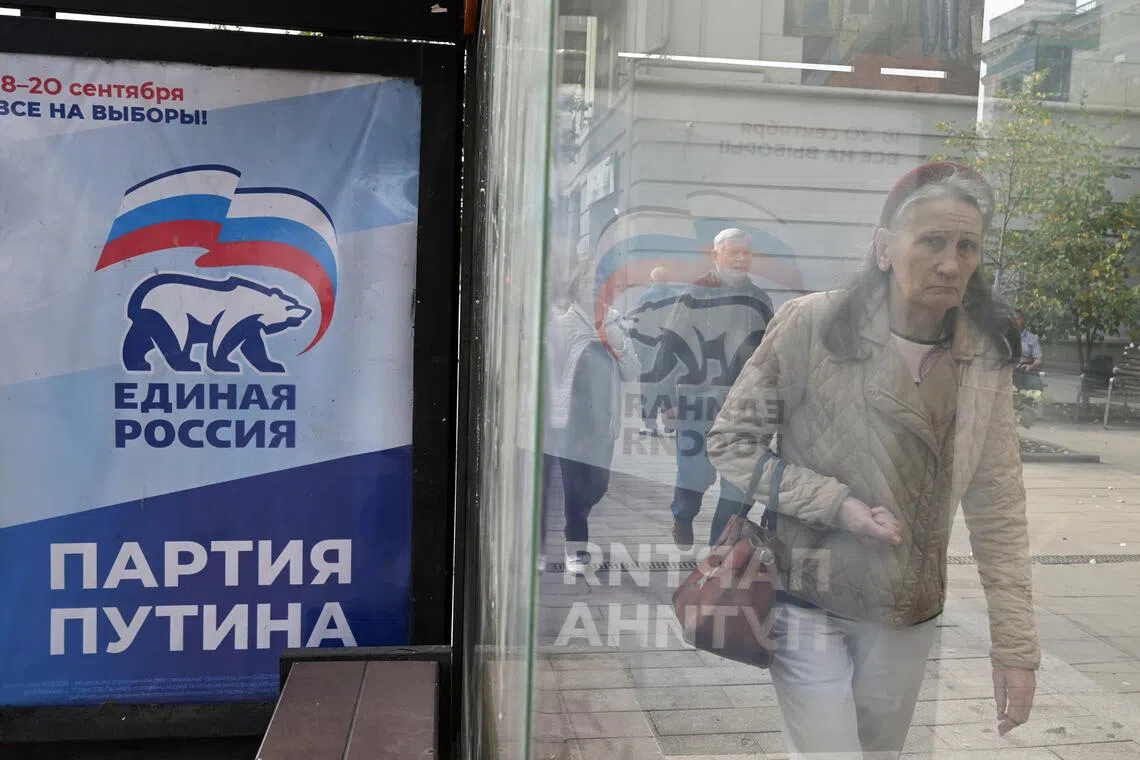
Russia’s parliamentary election is due to take place nationwide from 18 to 20 September.
asserted
election → take → September
The Kremlin presents the vote as a measure of public opinion on the war in Ukraine, now in its fifth year.
asserted
Kremlin → present → year
Early voting is also under way in several frontline regions, where Russian authorities say the arrangements are needed to comply with martial law imposed by Moscow and to protect voters and election workers.
asserted
arrangements → say → voters
In Donetsk, election officials travelled between settlements accompanied by police and armed military personnel.
asserted
officials → travel → police
The footage does not show how many people had voted or provide any figures for turnout at the time it was filmed.
asserted
it → show → time
Ukraine’s Security Service (SBU) has warned residents in occupied areas not to take part, saying that organising or promoting the elections could be a criminal offence under Ukrainian law, punishable by up to 10 years in prison.
uncertain
organising → warn → prison
Yet the question remains: what choice do people have when armed soldiers are at their door?
asserted
soldiers → remain → door
Kyiv and Western governments consider elections held in occupied Ukrainian territory illegal, describing them as a “sham election” intended to legitimise Moscow’s control over the regions.
asserted
elections → consider → regions
 The Aporia