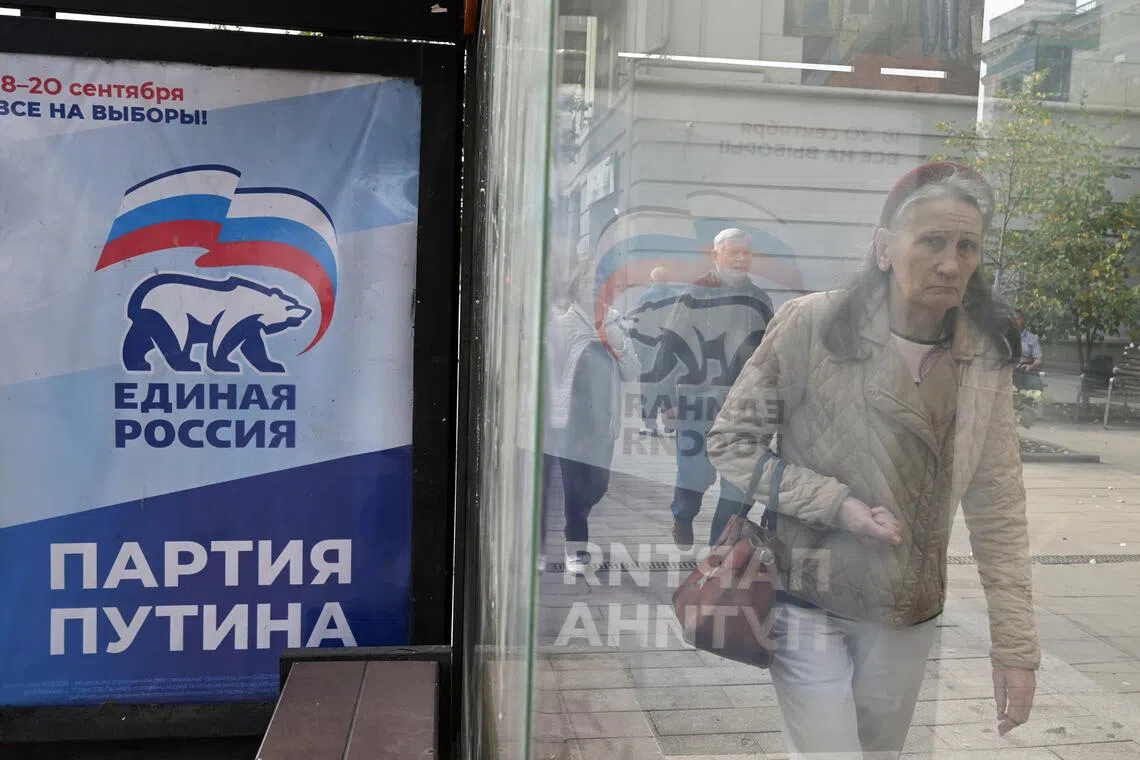
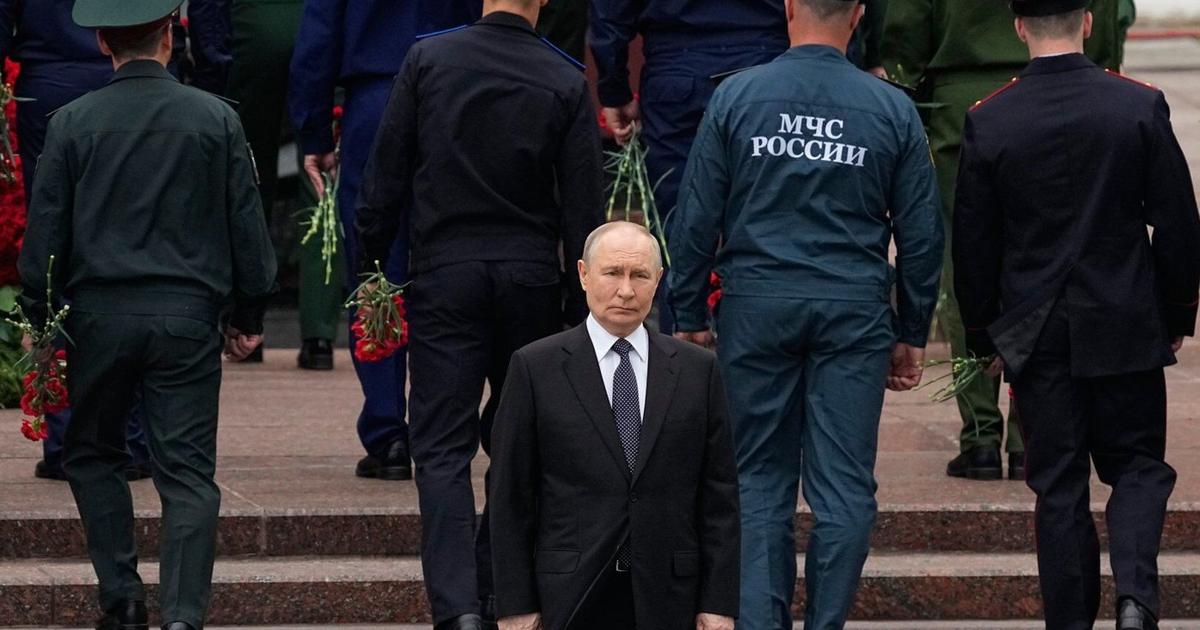
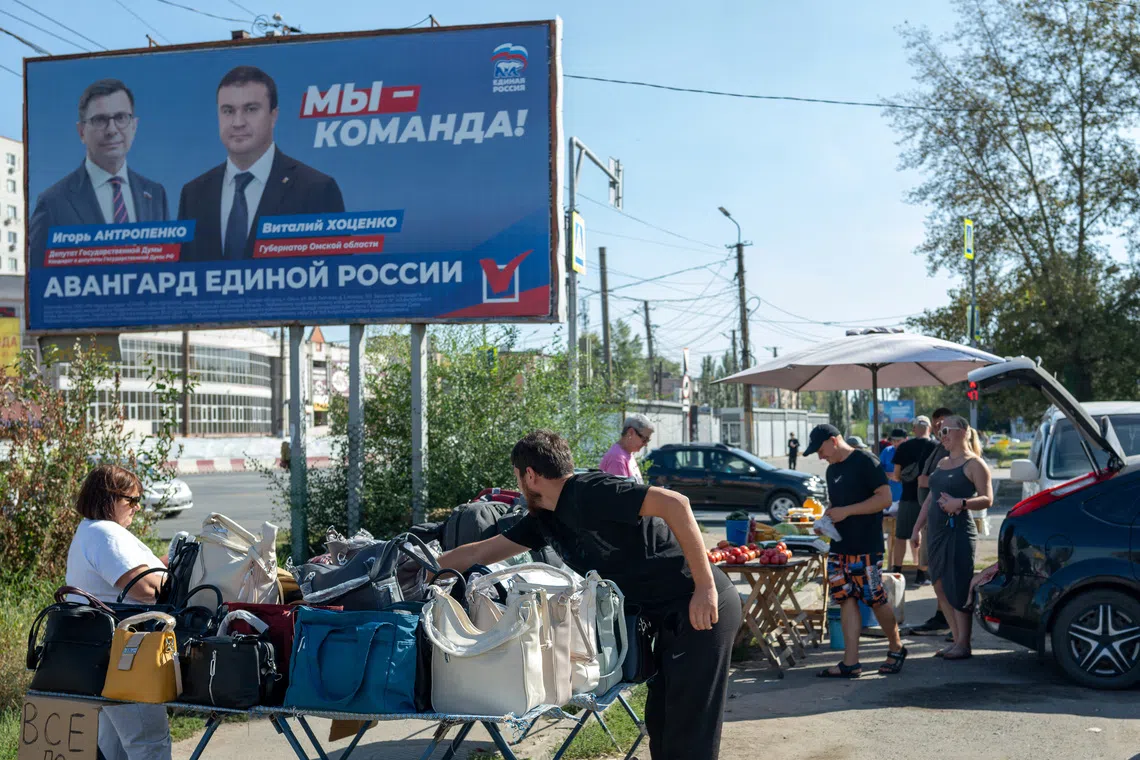
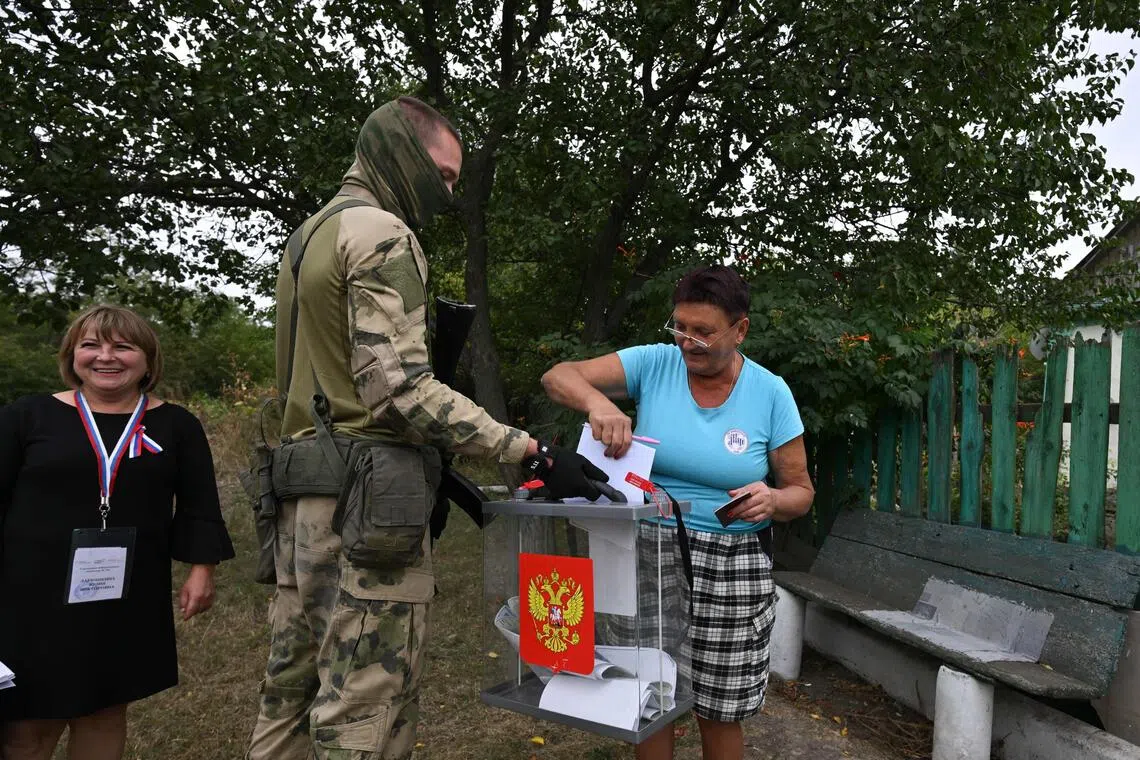
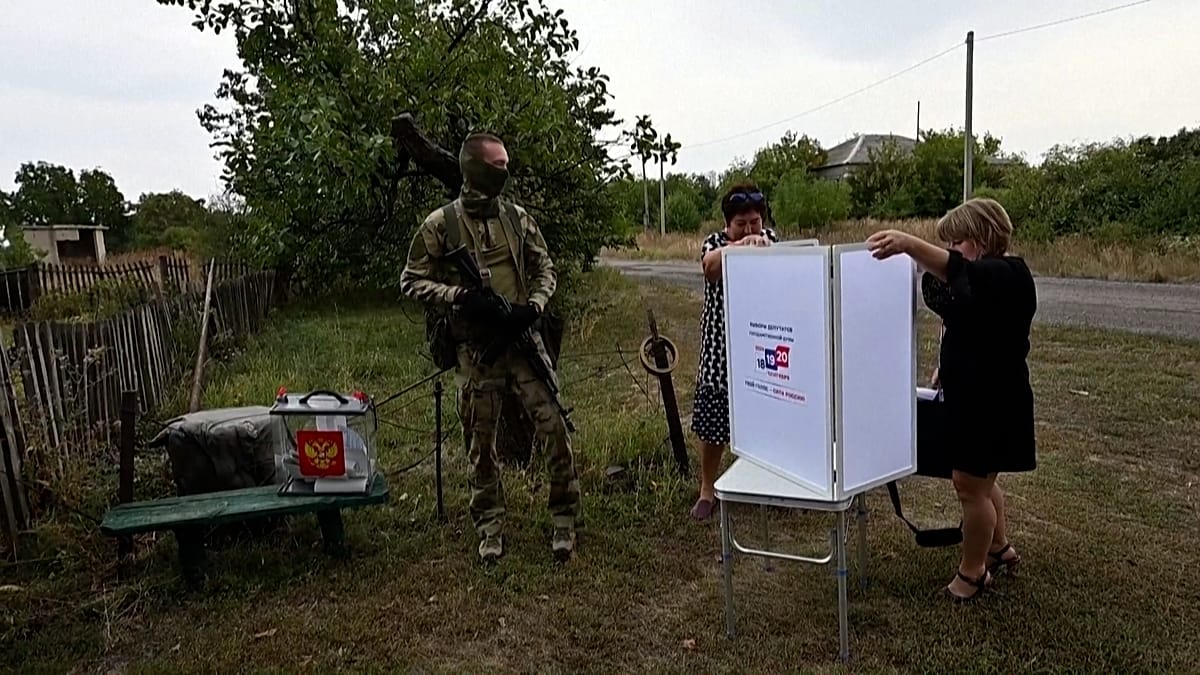
Russia's upcoming parliamentary election is expected to maintain the dominance of President Putin’s ruling United Russia party, continuing the country's tradition of "managed democracy." Despite critics dismissing the elections as neither free nor fair, the Kremlin views them as crucial for showcasing public support for the president and the war in Ukraine. The campaign has featured unusual moments like empty debate stages, reflecting a controlled political environment where all major parties align with government policies, especially regarding military actions in Ukraine.
Written by the local model on 2026-09-17,
using this article's own text rather than the other coverage of the
same event (that is the story summary below).
- Published
The system of power in Russia is often referred to as "managed democracy" (where the Kremlin does the managing).
asserted
Kremlin → publish → managing
That means huge powers for the president and few political surprises.
asserted
That → mean → president
This weekend's election is set to deliver another parliament dominated by the party of power, United Russia, and a house of MPs fiercely loyal to Vladimir Putin.
asserted
election → set → Putin
Critics dismiss the vote as neither free nor fair.
asserted
Critics → dismiss → vote
But the Kremlin doesn't care what the critics say.
asserted
critics → care → what
"We have our own political system, our own political process," Kremlin spokesman Dmitry Peskov explained recently.
asserted
Peskov → have → system
That means no curveballs for the Kremlin.
asserted
That → mean → Kremlin
The Kremlin will use it to claim that most Russians back the president and the war, as well as to promote the political careers of soldiers back from Ukraine: officials say nearly two hundred war veterans are taking part in the election.
uncertain
veterans → use → election
As for the election campaign, that has provided a window on Russian society four-and-a-half years into the war.
asserted
that → provide → war
I said no surprises.
asserted
I → say → surprises
"Good evening and welcome to tonight's campaign speeches by candidates for Duma Electoral District 158," said the anchor on state TV.
asserted
anchor → welcome → TV
The studio director cut to a wide shot revealing six empty lecterns.
asserted
director → cut → lecterns
"The candidates haven't turned up," admitted the host.
asserted
host → turn → ?
In another TV debate (where the politicians were present) one crooning candidate sang his pitch:
"The Communist Party, onwards we go!
"
asserted
we → croon → pitch
We're with the people, don't you know?
asserted
you → know → people
In the previous Duma, everyone seemed to be singing from the same hymn sheet.
asserted
everyone → seem → sheet
At the final session of parliament in July, MPs stood and applauded as the speaker of the house chanted repeatedly:
"Russia, Putin, Victory!
asserted
speaker → stand → house
It was a signal that all MPs in parliament should back President Putin and the war.
asserted
MPs → back → Putin
"All parties in the Duma, every single one, voted in favour of 170 laws to support the special military operation," Communist Party leader Gennady Zyuganov told me with obvious pride about the last parliament.
asserted
Zyuganov → vote → parliament
"In that sense there is 100% agreement in the Duma."
I caught up with Zyuganov on the campaign trail outside Moscow at a bread and biscuit factory.
asserted
I → be → factory
As I watched rows of identical-looking loaves speeding along the conveyer I thought about Russia's parliament.
asserted
I → watch → parliament
But when it comes to backing the Kremlin's legislative initiatives and supporting the "special military operation" they vote the same way.
asserted
they → come → operation
And if a party doesn't support the war?
asserted
party → support → war
One such party - Yabloko - is calling for a ceasefire in Ukraine.
asserted
party → call → Ukraine
Back in July it was the only anti-war party in Russia to be registered for the election.
asserted
it → register → election
Twelve days later, though, the Supreme Court removed it from the ballot.
asserted
Court → remove → ballot
That was widely interpreted as a sign of Kremlin concern that anti-war messaging could strike a chord with Russian voters.
uncertain
messaging → interpret → voters
Despite Yabloko's exclusion from the party list, some of its candidates are still running in individual constituency races.
asserted
some → run → races
Though in recent weeks growing numbers of Yabloko candidates have been detained by police, prosecuted for various offences and barred from the election.
asserted
numbers → grow → election
"The police are carrying out a political order.
asserted
police → carry → order
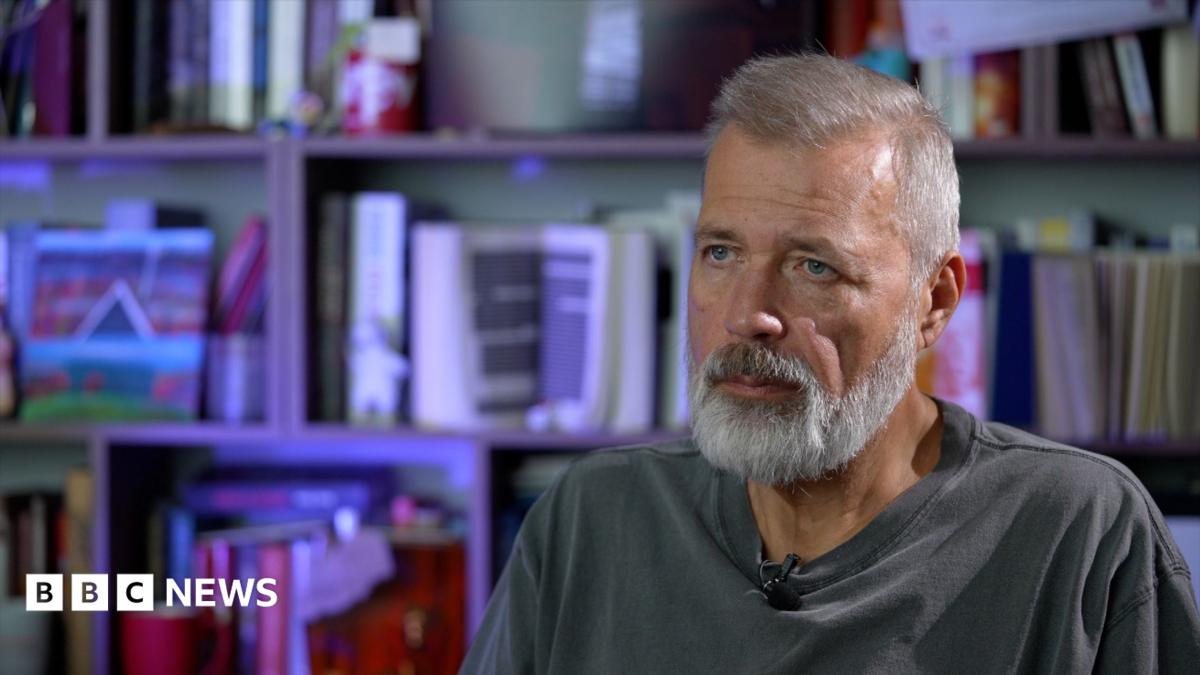
That's no secret," Yabloko candidate Grigory Grishin tells me.
asserted
Grishin → tell → me
"This way, the authorities are setting the boundaries within which they believe the elections should take place.
asserted
elections → set → place
"It is well known that the demand for an end to the bloodshed in this conflict with Ukraine is very popular.
asserted
demand → know → Ukraine
In my opinion, most people in Russia now want peace and Yabloko helped people express this.
asserted
people → want → this
That's why it's been excluded from the party lists, and why individual candidates are being barred."
asserted
candidates → exclude → lists
For now, Grigory remains a candidate.
asserted
Grigory → remain → ?
But the police recently came to his flat.
asserted
police → come → flat
"Three policemen in civilian clothes asked me to accompany them to the station, which I did.
asserted
I → ask → which
The police said I had posted what they claimed was an extremist symbol: the word 'Navalny' and that, by doing so, I had propagandised extremism via my Telegram channel."
asserted
I → say → channel
Alexei Navalny was Russia's most prominent opposition leader and Kremlin critic who died in prison in 2024.
asserted
who → die → 2024
…and 22 more, not listed.
 The Aporia