
Ukraine Russia Emergency App Hacks
14 outlets
Each outlet's article on this story, most articles first
16 reporters
- BBC NewsBBC
- The Straits TimesThe Straits Times
- Will HallowellDaily Mail
- Al Jazeera StaffAl Jazeera
- AFPThe Hindu
- Landon MionFox News
- Ron PopeskiSydney Morning Herald
- Bogdan KochubeySydney Morning Herald
- Jekaterīna GolubkovaSydney Morning Herald
- Maroosha MuzaffarThe Independent
- Frances MaoThe Guardian
- Yuliya TalmazanNBC News
- Luke HardingThe Guardian
- Prashant RaoSemafor
- Patrick ReillyNew York Post
- Maira ButtThe Independent
By day
Articles per day
Cite
Ukraine Russia Emergency App Hacks. (2026, November 2). The Aporia. https://the-aporia.com/event/122006
“Ukraine Russia Emergency App Hacks.” The Aporia, 2 Nov. 2026, https://the-aporia.com/event/122006.
“Ukraine Russia Emergency App Hacks.” The Aporia, November 2, 2026. https://the-aporia.com/event/122006.
Dated the day this page was built. The link always leads to this event, even after the stories are regrouped.


Ukraine officials said the country’s official air-raid alert app was likely hacked after emergency alerts warned on Sunday that there was a "radiation hazard" and a "chemical attack alert" in Kyiv.
What happened
The outlets' own sentences, most widely reported first. Hover or tap one to see who reported it.
Ukrainian media reported that users across the country received the alert, and in the Western Lviv region authorities reported that some of the public warning sirens and loudspeaker systems broadcast a “radiation hazard” signal.
In a separate event, the mobile app of Russia's emergencies ministry was also hit by a massive cyber attack.
The temporary truce, which was in effect from 27 October to 1 November, was brokered by US first lady Melania Trump to facilitate the evacuation of civilians from the occupied town.
A message written in Russian also claimed Ukraine was about to be hit by Oreshnik missiles, which can carry nuclear warheads.
What each outlet says
One AI summary per outlet of its latest article on this story, written from that article alone and checked against it. Open the article for the outlet's own words.
On Sunday evening, Ukraine’s emergency alert app sent out false nationwide air raid warnings along with alerts for radiological threats, chemical attacks, and street fighting in Kyiv. Hours later, Russia reported similar false alerts on its own app. Both countries accused each other of hacking their systems, but it remains unclear if the incidents are connected or who is responsible. The BBC’s Joe Tidy provides an…
What we know about the alert app hack in Ukraine and Russia →2 articles from BBC on this storyUkraine’s Air Force announced on November 1 that a public air raid alert app had been hacked, sending out false alerts about nuclear and chemical threats in Kyiv and other areas. The erroneous message incorrectly stated that Russia's Oreshnik hypersonic missile was deployed. In response to the incident, Ukraine’s Ministry for Digital Transformation clarified that while the app was down due to hacking, alternative…
Ukrainian air force says public air raid alert app sent erroneous alerts after being hacked →2 articles from The Straits Times on this storyRussia and Ukraine have exchanged accusations over hacked emergency alert systems that falsely warned citizens about nuclear radiation, chemical threats, and imminent attacks. These incidents occurred shortly after a localized ceasefire in Kherson ended on Sunday. Both countries’ civil defense apps were compromised, sending alarming messages to users before authorities clarified the alerts as false. The Ukrainian…
Nuclear radiation in Russia, Ukraine? No, just hacked warning alerts →2 articles from Al Jazeera on this storyUkraine’s public air raid alert system experienced hacking incidents that triggered false warnings about nuclear and chemical threats in certain regions. Meanwhile, Russia reported a significant cyberattack on its emergency services app. Both countries have noted these breaches but did not provide specific details on the extent of damage or ongoing response measures.
Ukrainian air raid alert app sends false warnings after being hacked →2 articles from ABC News (AU) on this storyOn Sunday night, millions of Ukrainians received an emergency alert through a government app warning of imminent threats including radiation and chemical attacks in Kyiv. Shortly after, Russian officials claimed Ukraine had hacked its systems to spread misinformation about nuclear strikes. Both sides denied responsibility for these incidents, which were seen by experts as retaliatory cyberattacks. According to…
Why Russia’s latest cyberattack on Ukraine is a desperate attempt to sow panic →2 articles from The Independent on this storyHackers sent fake nuclear threat alerts through Ukraine's emergency app in Kyiv late Sunday night, causing panic and confusion among residents. The alert warned of potential nuclear radiation and chemical threats, written in both English with errors and Ukrainian. While many ignored the messages due to their suspicious nature, others were frightened into believing an imminent attack was underway. The Ukrainian…
Hackers send fake nuclear threat alert to Ukraine emergency app →2 articles from The Guardian on this storyShow 8 more outlets
Ukraine’s Air Force announced that the country’s air raid alert app was hacked on Sunday night, falsely warning residents of Kyiv and other areas about radiation, chemical, nuclear, and street fighting threats. The hack occurred shortly after a ceasefire in Kherson ended without extension. Officials clarified there is no actual radiation threat and advised people to stay calm. Ukrainian authorities confirmed the…
Ukraine's air raid app 'is hacked': Kyiv and Lviv residents 'get fake alerts about radiation threats' →After a five-day truce that ended on November 1, 2026, both Russia and Ukraine reported cyberattacks on their emergency warning systems. Moscow’s emergencies ministry noted a “massive cyberattack” on its app designed to warn of drone attacks and other threats, while Ukraine suspected Russian involvement in hacks that posted false alerts about radiation dangers on its air raid alert system. The renewed hostilities…
Cyber attacks hit Russia, Ukraine after truce ends →Ukraine officials reported that their air-raid alert system was hacked, leading to false alerts in Kyiv about radiation and chemical attacks on Sunday. The app warned residents not to go outside due to these alleged threats, though Ukraine’s Air Force later confirmed the messages were fake and there was no actual danger. Russia's Emergencies Ministry also announced a cyberattack that allowed for spreading…
Ukraine says air alert system hacked after false radiation warning in Kyiv →On Sunday night, Ukraine’s public air raid alert app was hacked and sent false alerts about nuclear, chemical threats, and street combat to users in Kyiv and other areas. The Ukrainian Air Force acknowledged the breach within 10 minutes, assuring there was no actual radiation threat and advising calm. About an hour later, all-clear messages were issued as normal operations resumed through alternative alert systems…
‘Stay calm’: Ukraine says public air raid alert app sent false alerts after being hacked →On Sunday night, Ukrainian residents received false emergency alerts warning of nuclear danger, radiation threats, and street combat through their Air Alert application, which authorities confirmed had been hacked. Hours later, Russia reported that its own alert system was also targeted in a cyberattack, amid the end of a humanitarian ceasefire between Ukraine and Russia. Both countries’ systems were temporarily…
Fake alerts warn of nuclear danger as Ukraine and Russia report emergency app hacks →On Sunday, emergency alert systems in Ukraine and Russia faced cyberattacks that spread false alarms through mobile apps. In Ukraine, users received warnings about high radiation levels in Kyiv, while Russian authorities reported similar fake alerts on their app. Both countries' officials advised caution and confirmed the Ukrainian system was restored quickly without impacting military operations. Authorities in…
Ukraine, Russian alert systems hit by cyberattacks that spread alarming messages →Recent cyberattacks on emergency alert systems in Ukraine and Russia, as well as phones of German officials, have raised significant concerns about the misuse of artificial intelligence to compromise cybersecurity. These incidents include false warnings about missile and nuclear attacks through official apps, highlighting a new level of threat posed by AI technology. Additionally, a Pentagon defense contractor…
New hacks underscore AI security concerns →Emergency alert apps in Ukraine and Russia were hacked overnight, spreading false warnings of nuclear attacks. In Ukraine, the air raid alert channel confirmed unauthorized breaches that led to alarming posts about high radiation levels and chemical attacks in Kyiv. Similar incidents occurred in Russia, where users received fake alerts urging them to stock up on food and take shelter due to supposed nuclear launches…
Hackers breach emergency alert apps in Ukraine and Russia with fake warnings of nuclear attacks →Analysis
Agreed
Reported by outlets on both sides of the middle
No sentence was reported across the range.
Disputed
Picked by our model, which is sometimes wrong
No disagreement the check could confirm. That does not prove there is none.
Framing
How the first headlines put it
Words to watch (2)
Why Russia’s latest cyberattack on Ukraine is a desperate attempt to sow panic
Ukraine, Russian alert systems hit by cyberattacks that spread alarming messages
How it changed
- 1 Nov
Ukraine's air raid alert app was apparently hacked on Sunday and for a short time said the capital Kyiv was subject to a radiation threat, the Ukrainian Air Force has said.
- 2 Nov
In a separate event, the mobile app of Russia's emergencies ministry was also hit by a massive cyber attack.
Coverage 20 articles
Suggested from 11 outlets: the fullest account of the event, no political position was found in its wording and its publisher is declared as reporting rather than commentary.
 2 Nov Why Russia’s latest cyberattack on Ukraine is a desperate attempt to sow panicOn Sunday night, millions of Ukrainians received an emergency alert through a government app warning of imminent threats including radiation and chemical attacks in Kyiv. Shortly after, Russian officials claimed Ukraine had hacked its systems to spread misinformation about nuclear strikes. Both sides denied responsibility for these incidents, which were seen by experts as retaliatory cyberattacks. According to…The Independent
 2 Nov What we know about the alert app hack in Ukraine and RussiaOn Sunday evening, Ukraine’s emergency alert app sent out false nationwide air raid warnings along with alerts for radiological threats, chemical attacks, and street fighting in Kyiv. Hours later, Russia reported similar false alerts on its own app. Both countries accused each other of hacking their systems, but it remains unclear if the incidents are connected or who is responsible. The BBC’s Joe Tidy provides an…BBC
 2 Nov Hackers breach emergency alert apps in Ukraine and Russia with fake warnings of nuclear attacksEmergency alert apps in Ukraine and Russia were hacked overnight, spreading false warnings of nuclear attacks. In Ukraine, the air raid alert channel confirmed unauthorized breaches that led to alarming posts about high radiation levels and chemical attacks in Kyiv. Similar incidents occurred in Russia, where users received fake alerts urging them to stock up on food and take shelter due to supposed nuclear launches…New York Post
 2 Nov New hacks underscore AI security concernsRecent cyberattacks on emergency alert systems in Ukraine and Russia, as well as phones of German officials, have raised significant concerns about the misuse of artificial intelligence to compromise cybersecurity. These incidents include false warnings about missile and nuclear attacks through official apps, highlighting a new level of threat posed by AI technology. Additionally, a Pentagon defense contractor…Semafor
 2 Nov Hackers send fake nuclear threat alert to Ukraine emergency appHackers sent fake nuclear threat alerts through Ukraine's emergency app in Kyiv late Sunday night, causing panic and confusion among residents. The alert warned of potential nuclear radiation and chemical threats, written in both English with errors and Ukrainian. While many ignored the messages due to their suspicious nature, others were frightened into believing an imminent attack was underway. The Ukrainian…The Guardian
- 2 Nov Ukraine, Russian alert systems hit by cyberattacks that spread alarming messagesOn Sunday, emergency alert systems in Ukraine and Russia faced cyberattacks that spread false alarms through mobile apps. In Ukraine, users received warnings about high radiation levels in Kyiv, while Russian authorities reported similar fake alerts on their app. Both countries' officials advised caution and confirmed the Ukrainian system was restored quickly without impacting military operations. Authorities in…CBC
 2 Nov Fake alerts warn of nuclear danger as Ukraine and Russia report emergency app hacksOn Sunday night, Ukrainian residents received false emergency alerts warning of nuclear danger, radiation threats, and street combat through their Air Alert application, which authorities confirmed had been hacked. Hours later, Russia reported that its own alert system was also targeted in a cyberattack, amid the end of a humanitarian ceasefire between Ukraine and Russia. Both countries’ systems were temporarily…NBC News
 2 Nov Nuclear radiation in Russia, Ukraine? No, just hacked warning alertsRussia and Ukraine have exchanged accusations over hacked emergency alert systems that falsely warned citizens about nuclear radiation, chemical threats, and imminent attacks. These incidents occurred shortly after a localized ceasefire in Kherson ended on Sunday. Both countries’ civil defense apps were compromised, sending alarming messages to users before authorities clarified the alerts as false. The Ukrainian…Al Jazeera
 2 Nov Ukraine and Russia say emergency air-raid warning systems hit by cyber-hacks – Europe liveUkraine and Russia reported simultaneous cyber-hacks on their emergency air-raid warning systems late Sunday night. The Ukrainian app falsely warned of a nuclear radiation threat, chemical attack, street fighting, and incoming hypersonic missiles in Kyiv, while Russian authorities had to take their warning app offline. A Ukrainian hacker group claimed responsibility for sending fake alerts about nuclear warheads to…The Guardian
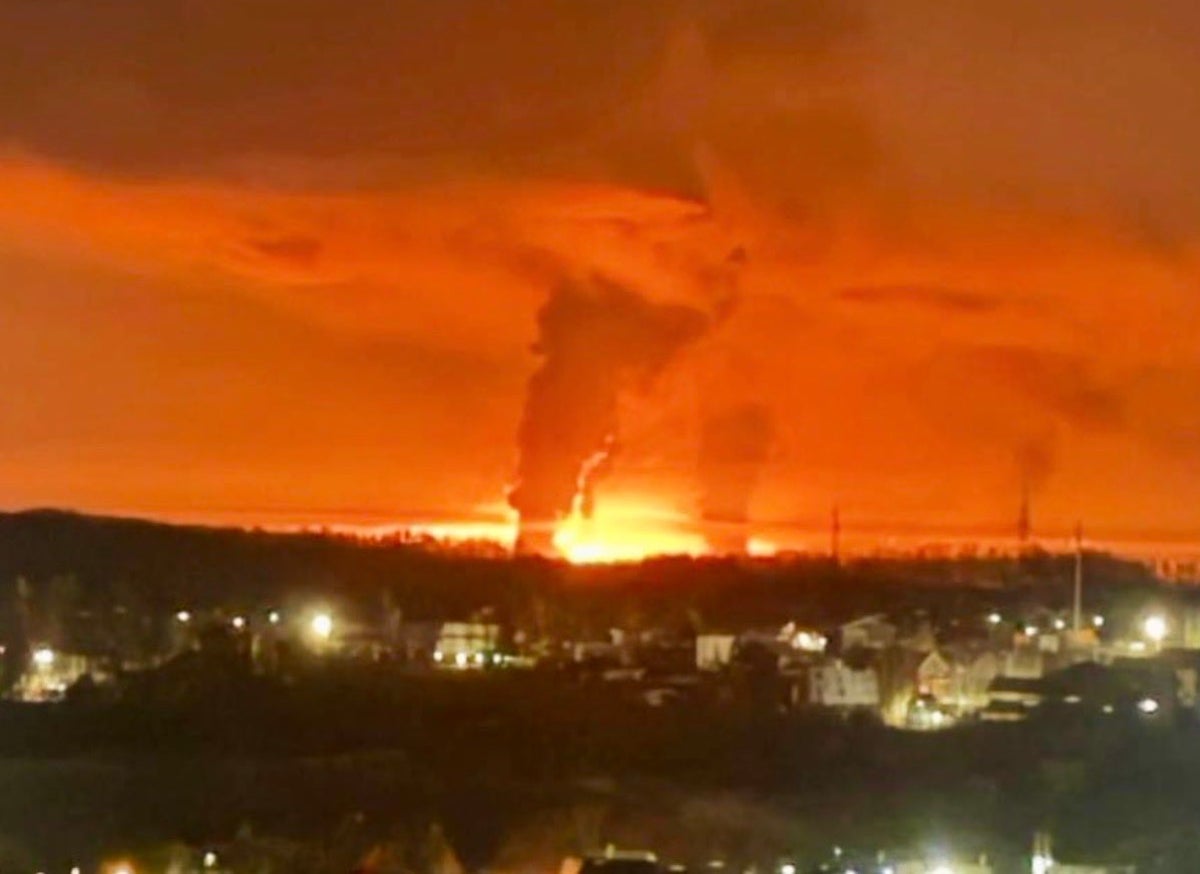 2 Nov Ukraine-Russia war latest: Kyiv says air raid app hacked by ‘enemy influence’ after nuclear warningsKyiv warned its citizens to stay calm after their air raid app falsely issued nuclear alerts due to a hack by "enemy influence." Meanwhile, Ukraine reported hitting a Russian missile plant and oil facilities. Despite this, a six-day local ceasefire around Oleshky ended with the successful evacuation of residents, brokered by US First Lady Melania Trump. Pope Leo XIV expressed hope that such humanitarian gestures…The Independent
Show all 20 articles
 2 Nov ‘Stay calm’: Ukraine says public air raid alert app sent false alerts after being hackedOn Sunday night, Ukraine’s public air raid alert app was hacked and sent false alerts about nuclear, chemical threats, and street combat to users in Kyiv and other areas. The Ukrainian Air Force acknowledged the breach within 10 minutes, assuring there was no actual radiation threat and advising calm. About an hour later, all-clear messages were issued as normal operations resumed through alternative alert systems…Sydney Morning Herald
 2 Nov Ukrainian air raid alert app sends false warnings after being hackedUkraine’s public air raid alert system experienced hacking incidents that triggered false warnings about nuclear and chemical threats in certain regions. Meanwhile, Russia reported a significant cyberattack on its emergency services app. Both countries have noted these breaches but did not provide specific details on the extent of damage or ongoing response measures.ABC News (AU)
 2 Nov Ukraine says air alert system hacked after false radiation warning in KyivUkraine officials reported that their air-raid alert system was hacked, leading to false alerts in Kyiv about radiation and chemical attacks on Sunday. The app warned residents not to go outside due to these alleged threats, though Ukraine’s Air Force later confirmed the messages were fake and there was no actual danger. Russia's Emergencies Ministry also announced a cyberattack that allowed for spreading…Fox News
 2 Nov Cyber attacks hit Russia, Ukraine after truce endsAfter a five-day truce that ended on November 1, 2026, both Russia and Ukraine reported cyberattacks on their emergency warning systems. Moscow’s emergencies ministry noted a “massive cyberattack” on its app designed to warn of drone attacks and other threats, while Ukraine suspected Russian involvement in hacks that posted false alerts about radiation dangers on its air raid alert system. The renewed hostilities…The Hindu
- 2 Nov Ukraine's air raid alert app has been hackedUkraine’s air raid alert system suffered a hack that caused the public app to issue false warnings about nuclear and chemical threats in certain areas. The Russian military claims their emergency alerts app faced a similar large-scale cyberattack, though both sides accuse each other of perpetrating these attacks.ABC News (AU)
 2 Nov Ukraine blames Russia after air alert app sends out false warningsUkraine’s Air Force accused Russia of hacking its air raid alert app, leading to false alerts about nuclear and chemical threats around Kyiv on Sunday. SPRAVDI, Ukraine’s strategic communications center, also blamed Russia for the cyberattack. Meanwhile, Russia’s Emergencies Ministry reported a “massive cyberattack” that spread false information through its own mobile app early Monday morning. The incidents occurred…Al Jazeera
 1 Nov Ukraine's air raid app 'is hacked': Kyiv and Lviv residents 'get fake alerts about radiation threats'Ukraine’s Air Force announced that the country’s air raid alert app was hacked on Sunday night, falsely warning residents of Kyiv and other areas about radiation, chemical, nuclear, and street fighting threats. The hack occurred shortly after a ceasefire in Kherson ended without extension. Officials clarified there is no actual radiation threat and advised people to stay calm. Ukrainian authorities confirmed the…Daily Mail
 1 Nov Ukrainian air force says public air raid alert app sent erroneous alerts after being hackedUkraine’s Air Force announced on November 1 that a public air raid alert app had been hacked, sending out false alerts about nuclear and chemical threats in Kyiv and other areas. The erroneous message incorrectly stated that Russia's Oreshnik hypersonic missile was deployed. In response to the incident, Ukraine’s Ministry for Digital Transformation clarified that while the app was down due to hacking, alternative…The Straits Times
 1 Nov Ukrainian air force says public air raid alert app has been hackedUkraine’s air force announced on November 1 that the country's public air raid alert application was hacked, briefly displaying false nuclear alerts for Kyiv and other regions. The abnormal readings were later corrected, but the military warned of potential enemy interference through a Telegram message advising citizens to stay calm and follow official updates.The Straits Times
- 1 Nov Ukraine air raid app apparently hacked as users receive false radiation threat, Air Force saysUkraine's air raid alert app was reportedly hacked on Sunday, causing users to receive false radiation threat warnings in Kyiv and other areas. The Ukrainian Air Force and Central Intelligence Agency both issued statements clarifying that there is no actual radiation danger and advised citizens to rely on official sources for accurate information. Authorities urged the public to remain calm and recommended using…BBC
Keep exploring
 Similar coverageTrump Alignments And Ukraine War Critiques
 Similar coverageRussian Drone Attacks On Ukraine
 Similar coverageRussia Strikes Ukraine Infrastructure
 Similar coverageRussian Drone Strikes Kyiv
 Similar coverageRussian Strikes Across Ukraine
 Similar coverageRussia Attacks Kyiv
 Similar coverageUkraine Drone Attacks Moscow Region
 Similar coverageWar In Ukraine Drone Attacks
 Similar coverageRussian Strikes On Ukraine Capital
 RecentCelebrity Sexual Misconduct Trial Developments
Built 2026-11-02 from 20 articles. Every sentence on this page is quoted from the linked article; nothing was written by a model except the Summary and the items marked AI, which cite their sources, and the questions and labels under "Disputed". Photos are from the outlets that covered the story, never from articles our check marks sensitive.