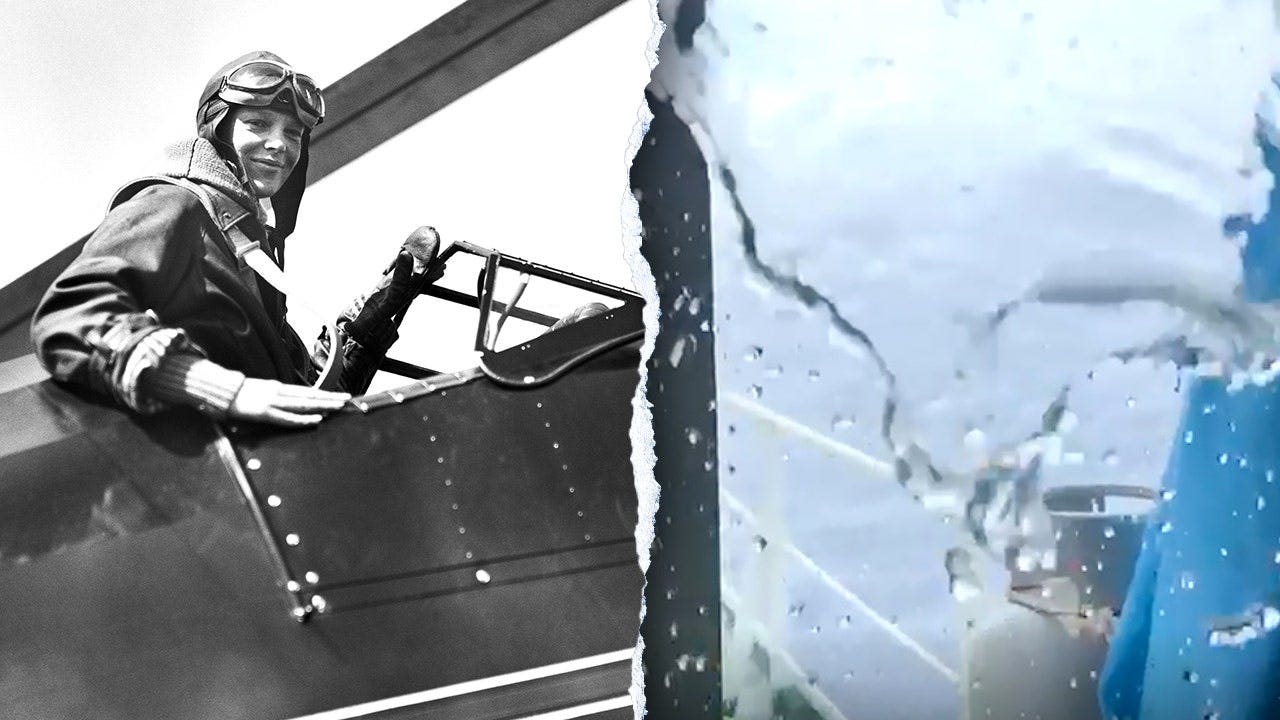
The 89-year hunt for Amelia Earhart takes another turn as searchers stick by ‘castaway hypothesis’

Read the original at The Independent ↗
Cite

Gilliver, L. (2026, October 20). The 89-year hunt for Amelia Earhart takes another turn as searchers stick by ‘castaway hypothesis’. The Independent. https://www.independent.co.uk/news/world/americas/amelia-earhart-nikumaroro-island-map-b3069679.html

Dated from the outlet's own feed. Check the original for its byline.

The Independent · collected 2026-10-20 · by Liam Gilliver

Quick Summary

Expeditionists searching for Amelia Earhart's aircraft on Nikumaroro Island in the South Pacific have concluded that recent wreckage sightings were actually washed-up trees, despite previous satellite imagery suggesting otherwise. The Taraia Object expedition, involving the Archaeological Legacy Institute and Purdue University, found no definitive evidence of the plane but discovered other artifacts during their search. Despite this setback, team members vow to continue searching based on what they call the "castaway hypothesis," maintaining that Earhart may have survived as a castaway after crashing near Nikumaroro Island in 1937.
Written locally by qwen2.5:14b on 2026-10-20, using this article's own text rather than the other coverage of the same event (that is the story summary below).

AI analysis runs on qwen2.5:14b, locally

Story summary

A team of researchers from Purdue University and the Archaeological Legacy Institute traveled to Nikumaroro Island in Kiribati, searching for wreckage believed to be that of Amelia Earhart's lost plane. The expedition, costing $900,000, aimed to investigate an object visible since 1938, known as the "Taraia Object." However, after studying it on October 19th, they determined the object was merely a cluster of washed-up trees, leaving Earhart's disappearance one of aviation’s most enduring mysteries unresolved. The team remains committed to continuing their search based on the hypothesis that Earhart and her navigator Fred Noonan may have crash-landed there as castaways. Despite this setback, the researchers see value in their mission, emphasizing that "adventure is worthwhile."

Written for “Amelia Earhart Mystery Investigation” on 2026-10-20, grounded in this article and the 24 other(s) covering the same event.

Story

📰 Amelia Earhart Mystery Investigation
Science · 25 article(s) covering the same event. Compare every outlet's account →

Compared with similar articles

This article reads unscored and hedges 0% of its claims. Each row says how that neighbour differs.
ABC News (AU)
⚖️ leaning not scored 🔴 4% hedged 1 of 23 📰 publisher trust 68
“Both articles describe the same specific incident where an object thought to be Amelia Earhart's plane wreckage was identified as a clump of trees during a recent expedition in Kiribati, South Pacific.”
CBS News
⚖️ leaning not scored 🔴 no claims extracted 📰 publisher trust 66
“The articles describe different stages of the ongoing search for Amelia Earhart's plane, not the same specific incident.”
NBC News
⚖️ leaning not scored 🔴 5% hedged 1 of 19 📰 publisher trust 95
“Both articles discuss the same expedition called 'Taraia Object' searching for Amelia Earhart's plane in Nikumaroro, South Pacific, occurring around the same time with similar findings.”
The Straits Times
⚖️ leaning not scored 🔴 9% hedged 2 of 23 📰 publisher trust 60
“Both articles describe explorers announcing that an object thought to be wreckage from Amelia Earhart's plane turned out to be tree debris on a tiny South Pacific island, occurring on the same expedition and date.”
Fox News
⚖️ leaning not scored 🔴 18% hedged 3 of 17 📰 publisher trust 67
“The articles describe different stages of the same mission, with Article A reporting on the challenges faced during the initial phase and Article B discussing the continuation of the search despite setbacks.”
CBS News
⚖️ leaning not scored 🔴 0% hedged 0 of 2 📰 publisher trust 66
“While both articles discuss expeditions to find Amelia Earhart's plane on Nikumaroro Island, they describe different stages or aspects of the search process and are published on different dates.”
CBS News
⚖️ leaning not scored 🔴 0% hedged 0 of 6 📰 publisher trust 66
“While both articles discuss the recent expedition to find Amelia Earhart's plane and its unsuccessful outcome at the same location, they describe different aspects of the event (the findings vs. the reaction to the findings and continued search efforts).”
BBC News
⚖️ leaning not scored 🔴 7% hedged 1 of 14 📰 publisher trust 69
“While both articles discuss the recent findings about Amelia Earhart's potential plane wreckage on Nikumaroro Island, they describe different aspects of the investigation. Article A specifically reports on researchers concluding that the Taraia Object is likely trees, while Article B focuses on expeditionists' continued belief in the castaway hypothesis despite this setback.”
NBC News
⚖️ leaning not scored 🔴 no claims extracted 📰 publisher trust 95
“The articles discuss different aspects of the ongoing search for Amelia Earhart's plane and do not describe the same specific incident or outcome.”
Fox News
⚖️ leaning not scored 🔴 20% hedged 3 of 15 📰 publisher trust 67
“The articles describe different stages of the Amelia Earhart search; one reports a setback from finding no conclusive evidence for the Taraia Object, while the other discusses researchers' resolve to continue searching based on the castaway hypothesis.”
How this article was measured signals, leaning charts, publisher record, byline, topics and claims

Signals How these are calculated →

Claims extracted
26
sentences that state something as happening or true
Uncertain
0%
0 of 26 hedged ("reportedly", "may", "according to")
Leaning
not political
takes no side on a contested political question
Publisher signals
59/100
The Independent's corrections and hedging, across everything collected from it. Not a measure of accuracy.
Outlets on this story
25
Science
Same framing elsewhere
1
articles that frame the event the way this one does
Analyzed 2026-10-20 · how these are computed

How this is being covered How these are calculated →

Article leaning vs. publisher reliability
Source leaning vs. consistency

Publisher

The Independent · 2650 article(s) · 6 correction(s) detected
Running correction rate · 6 correction(s)

Who wrote this

Liam Gilliver
5 article(s) here · 1 carrying a prediction
🔮 The worst of Storm Adam appears to have passed, with conditions improving in Valencia and Alicante – though local disruption may continue.
🔮 ‘We will keep searching’
🔮 South Africa will hold local elections on 4 November to decide which parties control municipal councils.
🔮 “The three-holed stone anchors found in the wreck area resemble those seen in Bronze Age Minoan, Cypriot, Anatolian, Levantine contexts,” they stated, “while the single-holed stone anchor resembles those seen on the Bronze Age Anatolian and Levantine coasts It was unclear if the anchors were indeed part of the ship, but they could shed more light on anchoring technology in use in the region during the Bronze Age.
🔮 "A clear message is required: there will be no tolerance for any attacks on Polish children, nor for the descent of public life into anarchy," said Poland’s Interior Minister Marcin Kierwinski on Sunday evening.
Also by Liam Gilliver
Nothing else under this byline is closely related to this article, so these are simply their most recent.

Topics

ALI Independent Purdue Purdue Research Foundation the Archaeological Legacy Institute

Subjects

Earhart PERSON · 6× ALI ORG · 2× Amelia Earhart PERSON · 2× Amelia Earhart’s PERSON · 2× Purdue ORG · 2× Independent NORP · 1× Purdue Research Foundation ORG · 1× Purdue University ORG · 1× Rick Pettigrew PERSON · 1× the Archaeological Legacy Institute ORG · 1×

Narrative

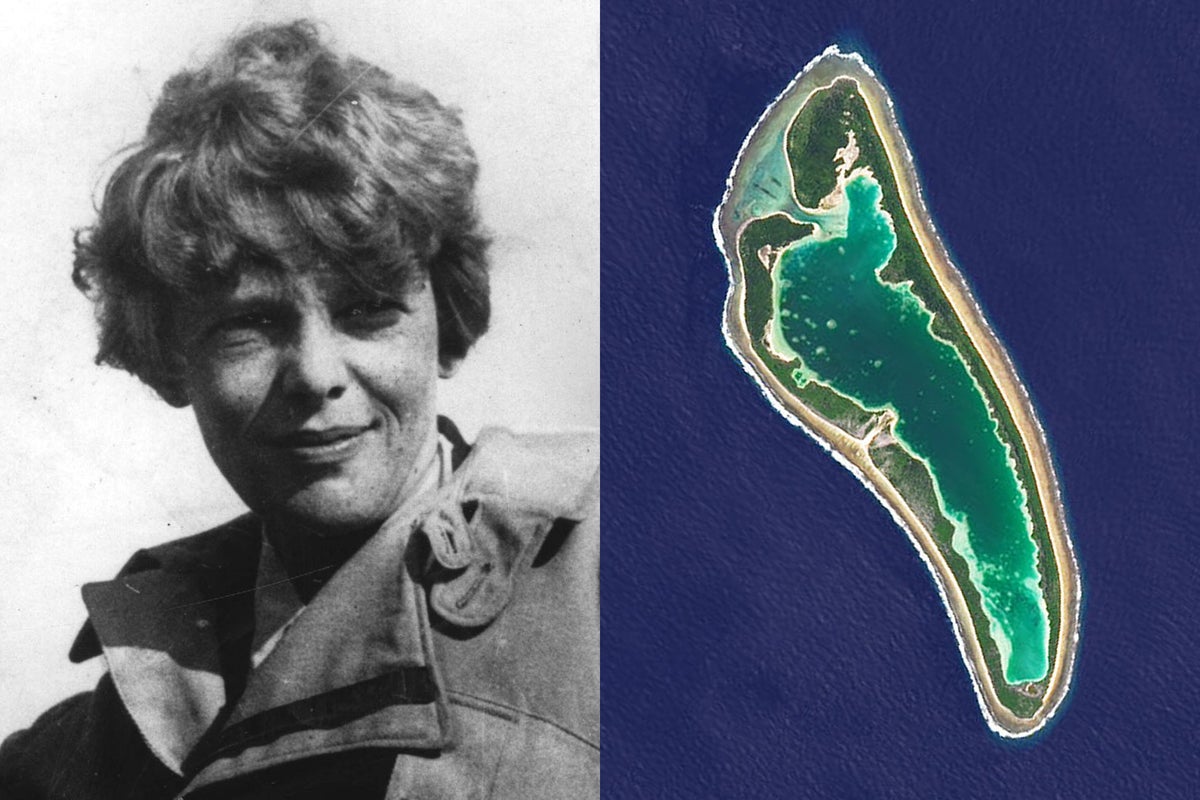
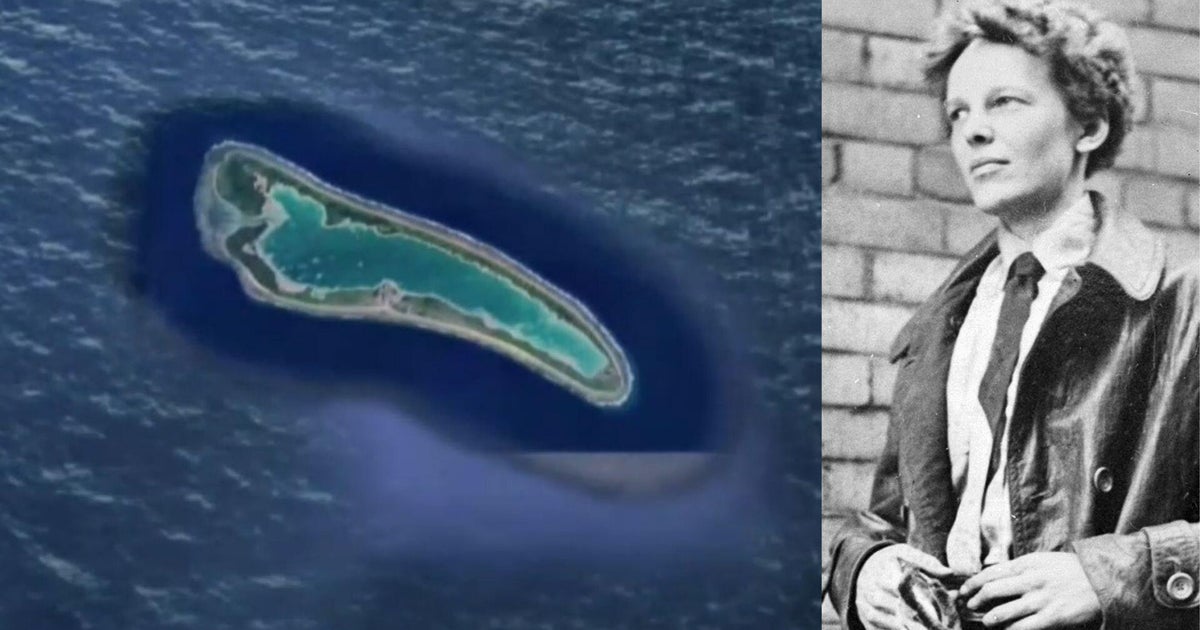
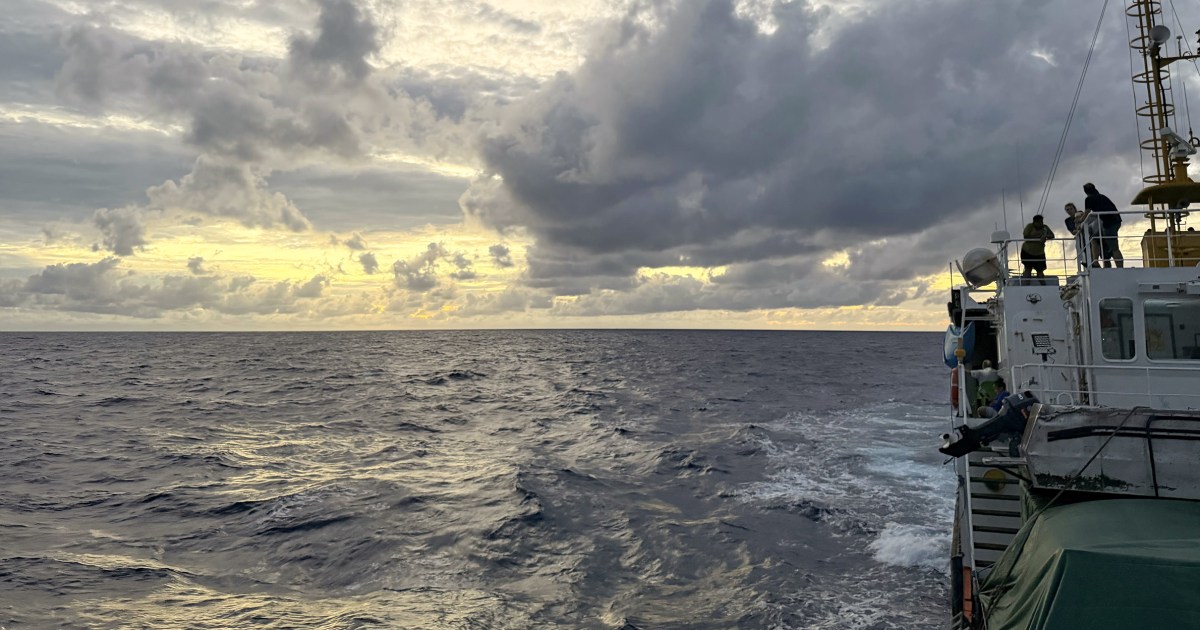
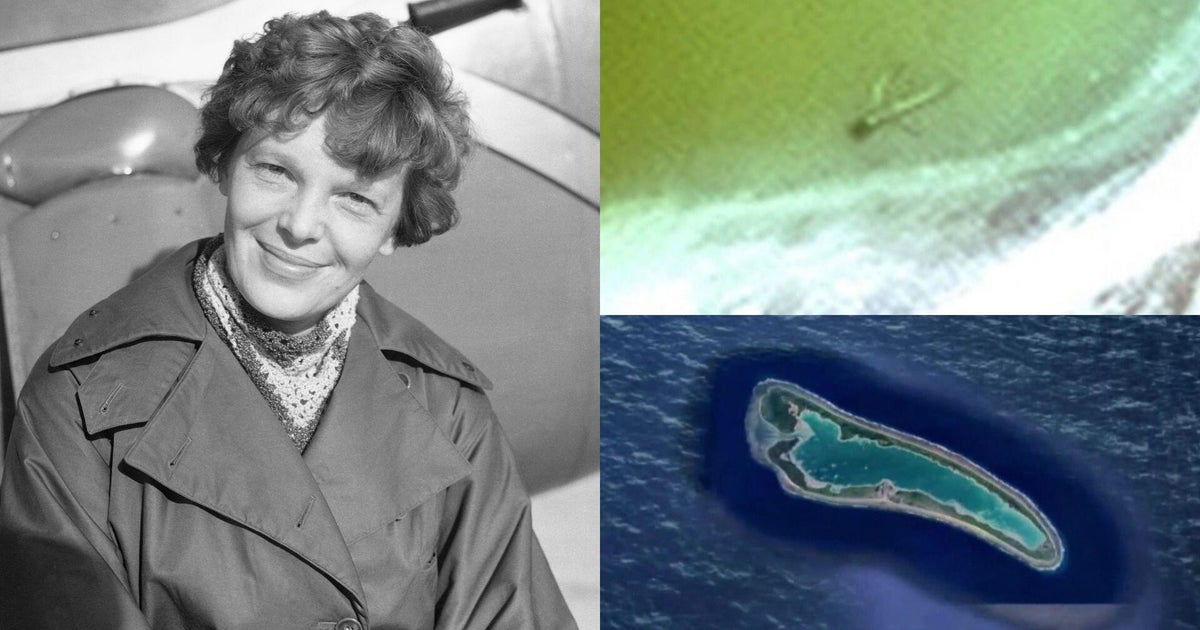
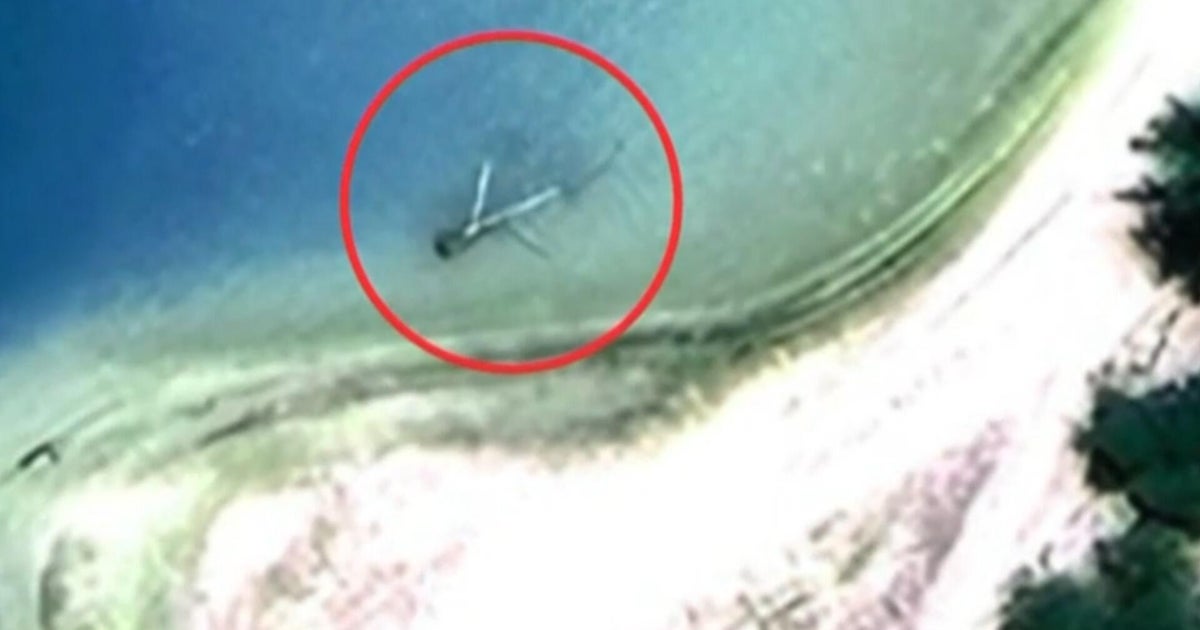
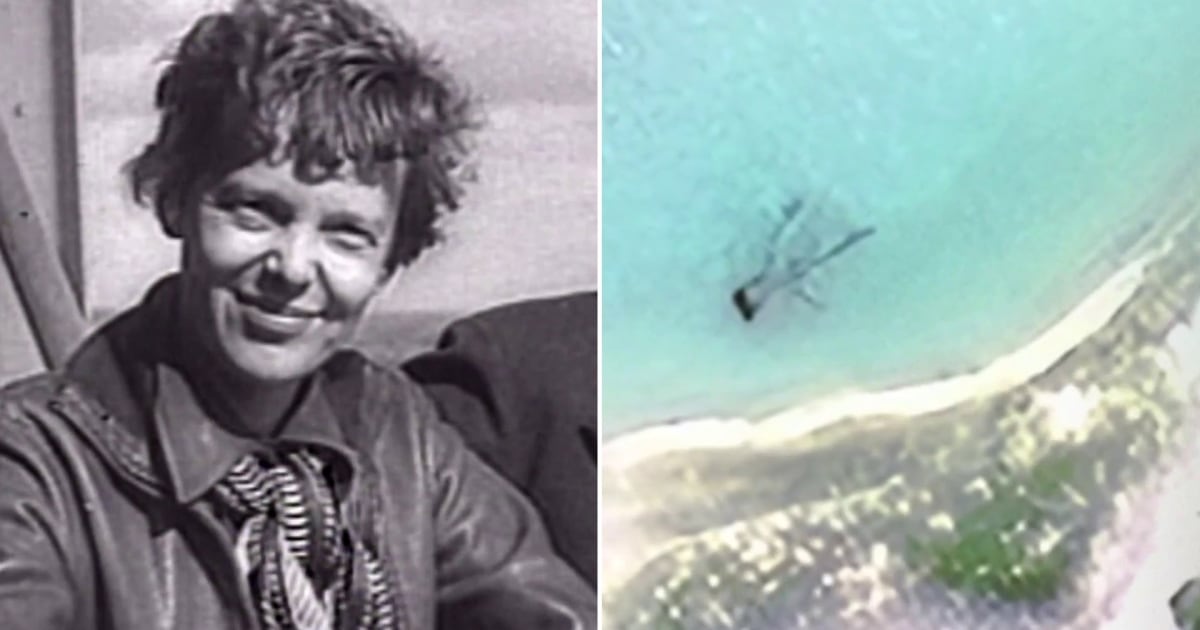
Expeditionists have vowed to keep searching for Amelia Earhart after a wreckage thought to be the aviator’s plane turned out to be a cluster of washed-up trees US-based explorers who voyaged to a tiny South Pacific island in hopes of finding Amelia Earhart’s plane say they stand by the “castaway hypothesis” despite the snag in their search. The Taraia Object expedition, a joint effort by the Archaeological Legacy Institute (ALI), Purdue Research Foundation and Purdue University, headed to Nikumaroro Island after satellite imagery from 2020 appeared to show Earhart’s Electra 10-E aircraft.
framing: assertive · carried by 1 article(s) · first seen 2026-10-20
🔮 ‘We will keep searching’

Claims (26 extracted, 0 hedged)

Expeditionists have vowed to keep searching for Amelia Earhart after a wreckage thought to be the aviator’s plane turned out to be a cluster of washed-up trees US-based explorers who voyaged to a tiny South Pacific island in hopes of finding Amelia Earhart’s plane say they stand by the “castaway hypothesis” despite the snag in their search. The Taraia Object expedition, a joint effort by the Archaeological Legacy Institute (ALI), Purdue Research Foundation and Purdue University, headed to Nikumaroro Island after satellite imagery from 2020 appeared to show Earhart’s Electra 10-E aircraft. asserted
imagery → vow → aircraft
However, on Monday the team confirmed that the wreckage was actually a cluster of washed-up trees. asserted
wreckage → confirm → trees
By the time the team arrived at the site, a good portion of the debris had fragmented and washed away, leaving only a single Y-shaped segment — a fraction of the anomaly’s original size observed in imagery when the Taraia Object hypothesis was developed. asserted
hypothesis → arrive → imagery
Nikumaroro Island mapped: asserted
Island → map → ?
Researchers thought the suspected plane's reflective surface meant it was made out of a metallic substance, but this turned out to be carbonate veneer. asserted
this → think → substance
Other items found by the team were similarly coated with a shiny concretised amalgam of coral sand. asserted
items → find → sand
The Taraia Object expedition did find numerous artefacts through both maritime and terrestrial archaeology efforts, including a steel tube about 30 inches long discovered in the lagoon near the Taraia Peninsula. asserted
expedition → find → Peninsula
The setback follows two previous failed attempts to locate the aircraft’s wreckage in the waters surrounding Nikumaroro. asserted
setback → follow → Nikumaroro
A plane-shaped sonar image captured elsewhere on the sea floor was reported to be a pile of rocks. asserted
image → shape → rocks
‘We will keep searching’ asserted
We → keep → ?
While expeditionists didn’t find the “smoking gun” they were hoping for, Rick Pettigrew, ALI’s executive director, says the team remains in great spirits. asserted
team → find → spirits
“Amelia Earhart never gave up — she kept pushing boundaries and flying into the unknown,” said Steve Schultz, Purdue general counsel and expedition member. asserted
Schultz → give → unknown
“That same fire fuels our search. asserted
fire → fuel → search
She kept flying, and we will keep searching. asserted
we → keep → ?
Did Amelia Earhart’s plane actually crash? asserted
plane → crash → ?
Earhart and her navigator Fred Noonan left Lae, Papua New Guinea, on the third-to-last leg of her round-the-world flight attempt on 2 July, 1937. asserted
Earhart → leave → July
The pair were heading to Howland Island, around 400 miles northwest of Nikumaroro when they mysteriously disappeared. asserted
they → head → Nikumaroro
It led to one of the US’ largest air-sea searchers in history, as the country spent two weeks scouring an area of the Pacific Ocean roughly the size of Texas. asserted
country → lead → Texas
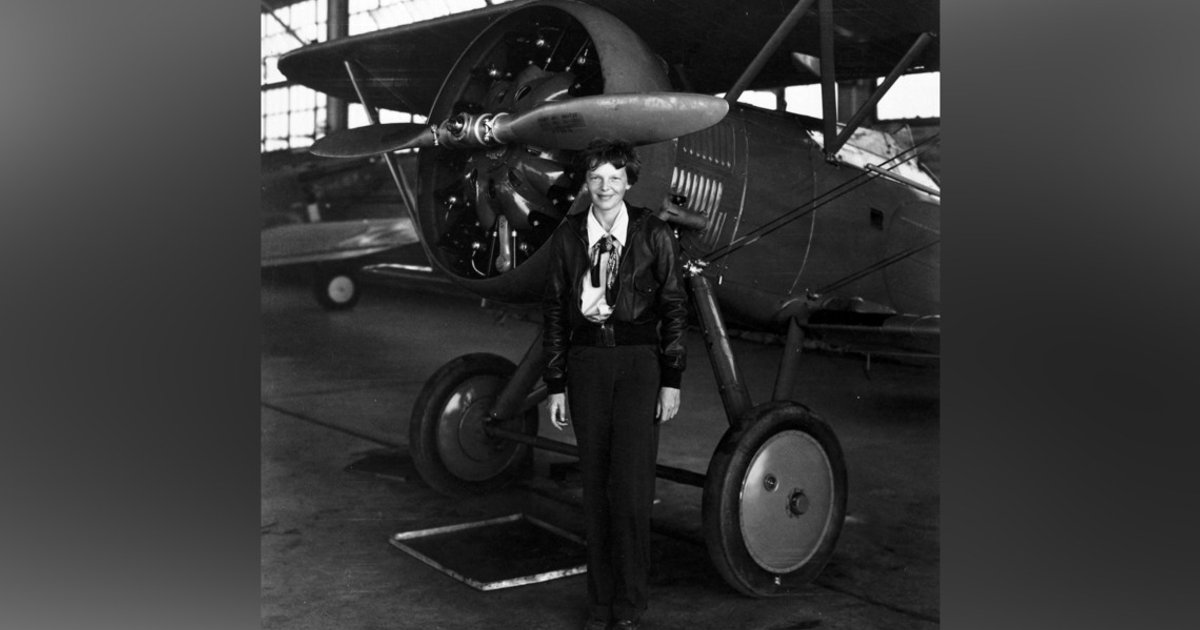
Earhart’s Lockheed Electra, affectionately known as her “Flying Laboratory,” was purchased with funds from the Purdue Research Foundation. asserted
Electra → know → Foundation
Earhart intended to return the plane to Purdue upon completion of her flight. asserted
Earhart → intend → flight
But the castaway theory, developed by The International Group for Historic Aircraft Recovery since the 1980s, argues that Earhart and Noonan did not crash into the sea. asserted
Earhart → develop → sea
Instead, it is believed the pair landed on the reef flat of the remote atoll and were marooned there. asserted
pair → believe → atoll
The castaway theory is based on four key bodies of evidence, based on documentary records, photographs and satellite images, physical artifacts, and personal testimony. asserted
theory → base → records
These are: - Radio bearings recorded from transmissions at the time by the US Navy, the U.S. Coast Guard and Pan American World Airways, which converge on Nikumaroro. - A 2018 analysis of human bones discovered on the island in 1940, strongly suggesting they belong to a woman of Earhart’s stature - Artefacts found on Nikumaroro including a woman’s shoe, a compact case, a freckle cream jar and a medicine vial — all dating to the 1930s. asserted
all → record → 1930s
- The Bevington Object, a photographic anomaly on the Nikumaroro reef captured three months after the plane’s disappearance, which appears to represent the Electra’s landing gear. asserted
which → capture → gear
The official US government view of Earhart's fate has long been that her plane ran out of fuel and crashed at sea near its refueling destination of Howland Island. asserted
plane → run → Island

💬Give feedback
🕘History 🎫Support