In search for Amelia Earhart’s plane, tantalising clue turns out to be tree debris
AI generated
LOS ANGELES –
asserted
clue → turn → plane
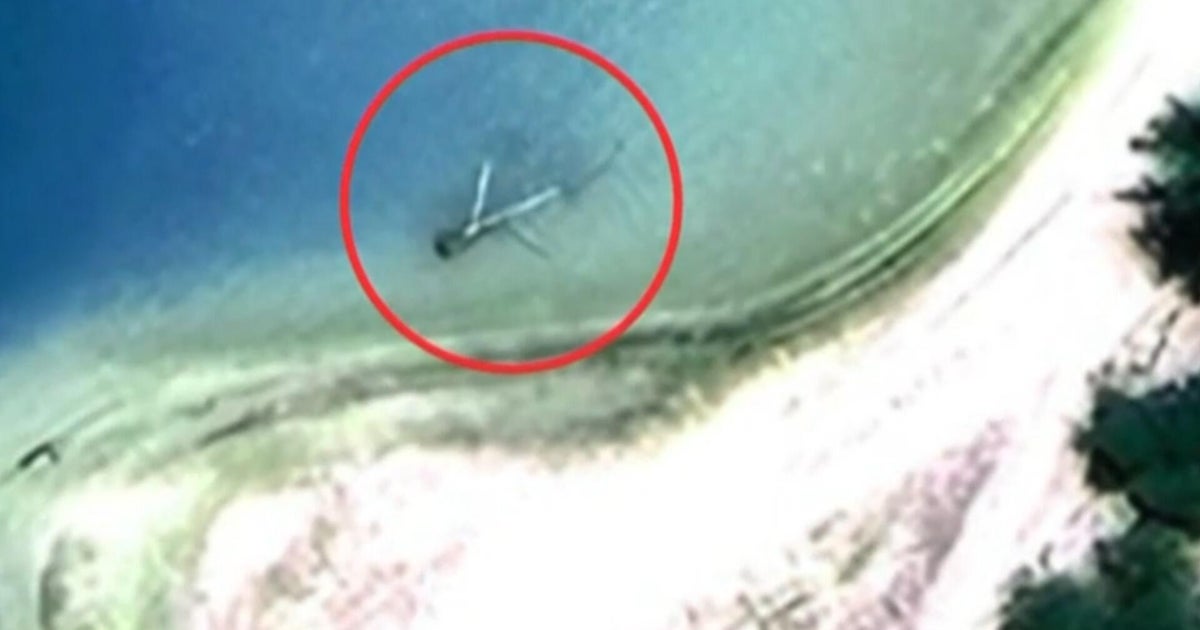
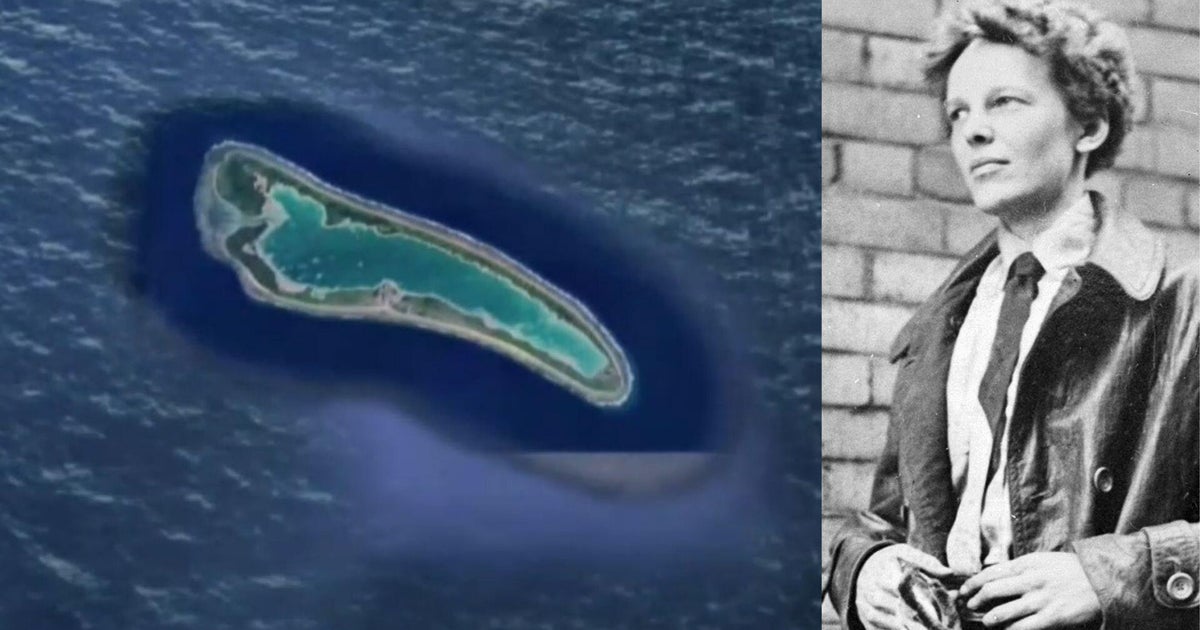
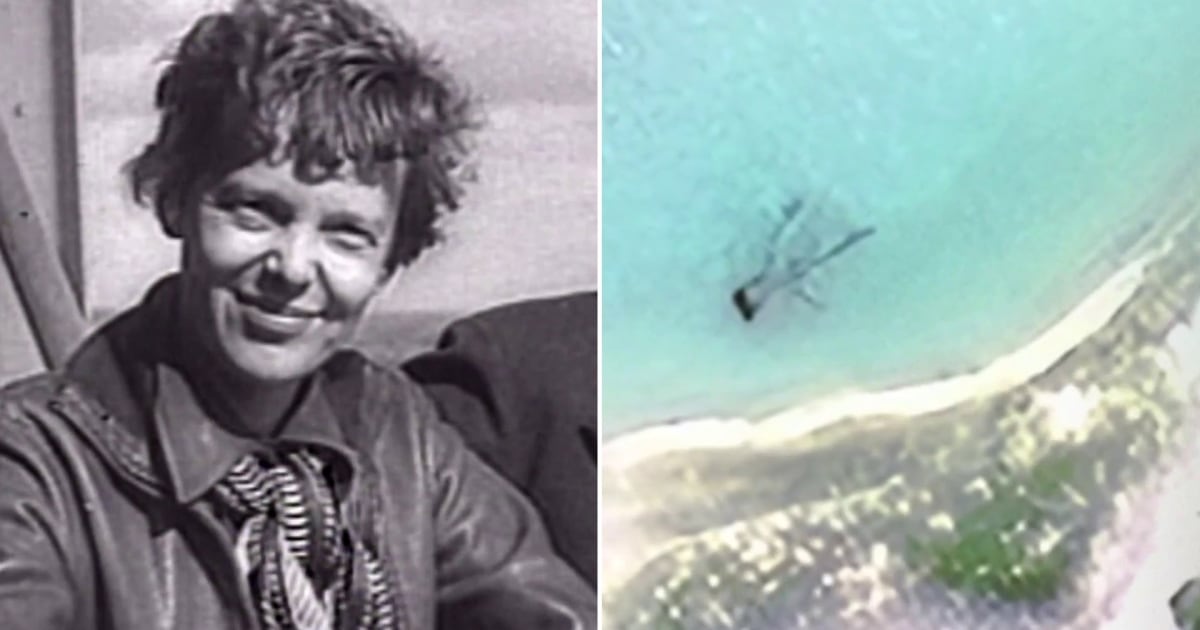
US-based explorers who voyaged to a tiny South Pacific island seeking to solve conclusively the 1937 disappearance of famed aviator Amelia Earhart have determined that an object they suspected was wreckage from her plane was a cluster of washed-up trees.
asserted
they → base → trees
Leaders of the mission made the announcement on Oct 19.
asserted
Leaders → make → Oct
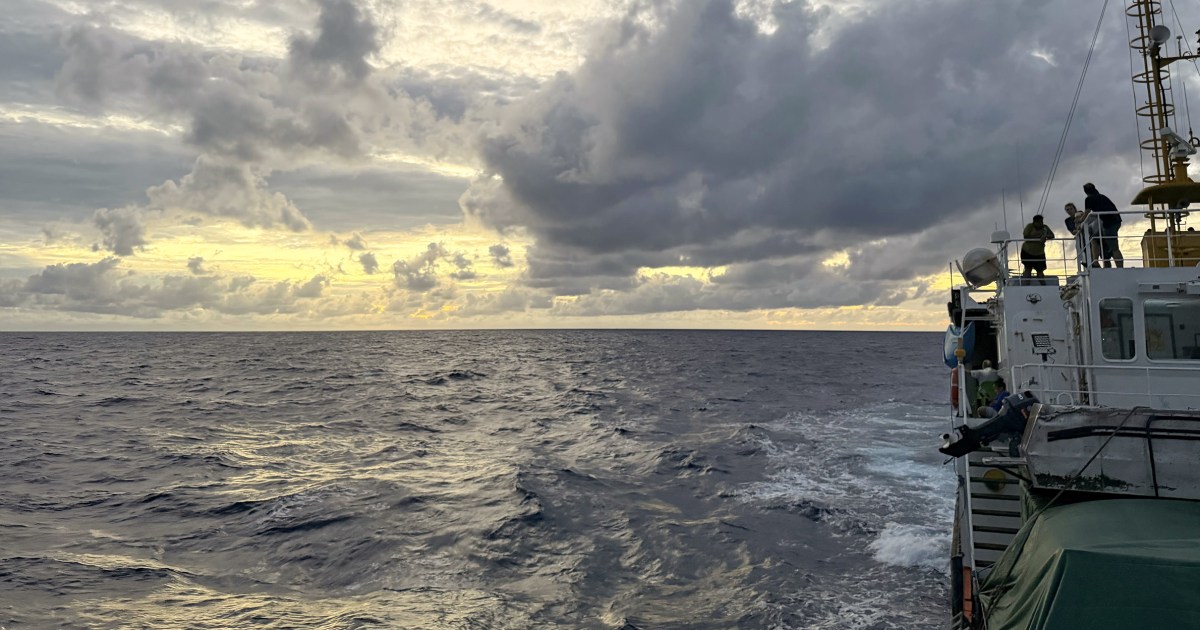
The team set out in October from Los Angeles for the archipelago nation of Kiribati on a US$900,000 (S$1.15 million) expedition backed by private donors and Indiana’s Purdue University, long affiliated with Earhart and her legacy.
asserted
team → set → Earhart
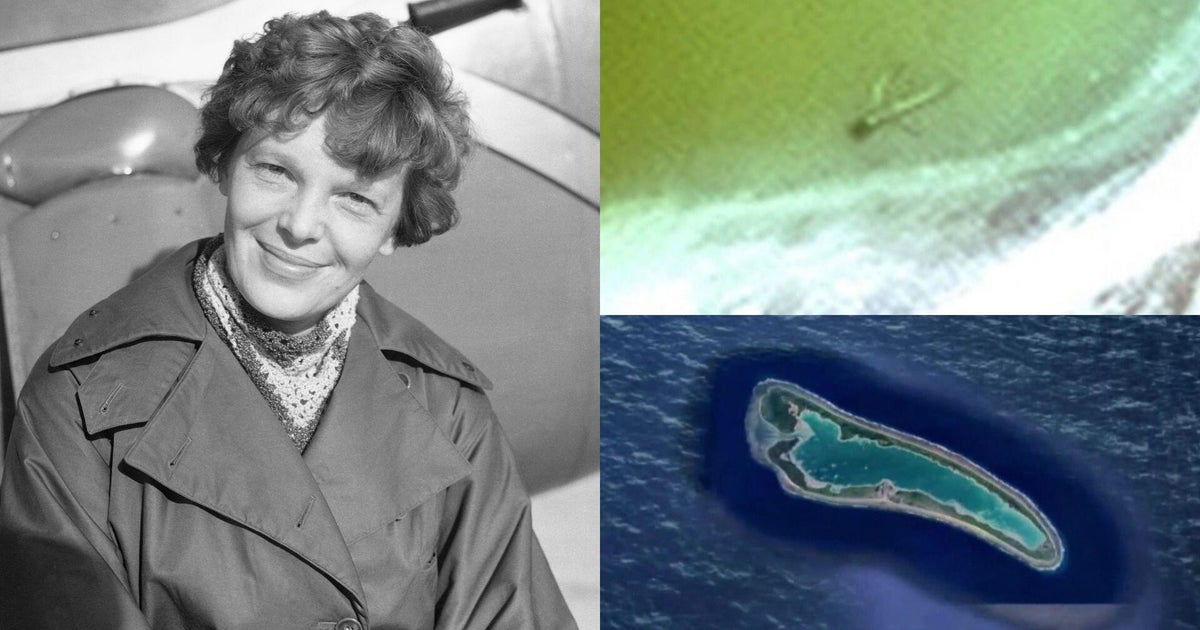
The objective was to learn whether an elongated, multi-pronged object detected by 2020 satellite imagery in the island’s lagoon was a remnant of Earhart’s long-missing twin-engine Lockheed Electra 10-E airplane.
asserted
object → learn → airplane
Such a finding would have decisively proven some scholars’ hypothesis that Earhart and her navigator, Fred Noonan, crash-landed on or near the coral-ringed atoll and perished as castaways there, hundreds of kilometres from their intended refuelling stop.
‘Adventure is worthwhile’
asserted
Adventure → prove → stop
“Unfortunately, we weren’t able to find that smoking gun,” Purdue general counsel and team member Steve Schultz said in a video message recorded on the island of Nikumaroro, part of the Phoenix Islands in Kiribati.
asserted
Schultz → find → Kiribati
Quoting Earhart, he added: “You know, Amelia herself said, ‘Adventure is worthwhile in itself.’”
asserted
Adventure → quote → itself
After a week at the island, the team ultimately concluded that the “visual anomaly” picked up by satellite “was likely a collection of large trees” wedged in the sand at the lagoon, the expedition said in a statement.
asserted
expedition → conclude → statement
Much of that debris had fragmented and washed away since it was first spotted, leaving a smaller Y-shaped segment whose reflective surface – suggestive of metal – turned out to come from “its carbonate veneer”, the team said in a statement.
asserted
team → fragment → statement
Two previous attempts to locate the aircraft’s wreckage in the ocean around Nikumaroro also proved fruitless, and a plane-shaped sonar image captured elsewhere on the sea floor turned out to be a pile of rocks.
asserted
image → locate → rocks
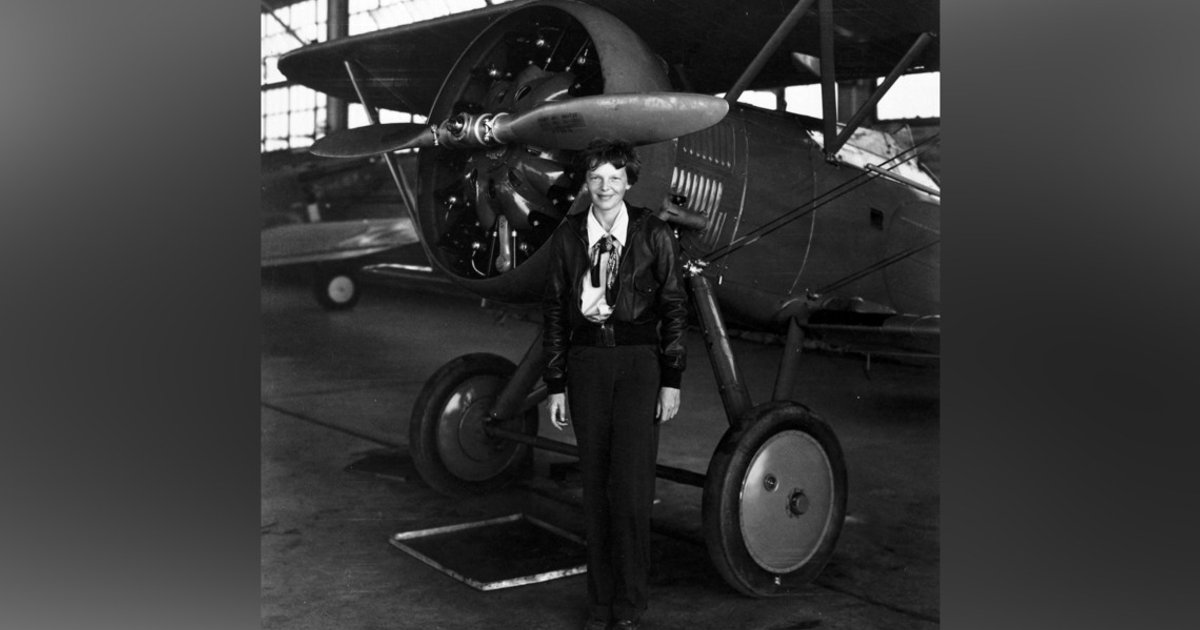
Earhart and Noonan were last seen taking off in the Electra on July 2, 1937, from Papua New Guinea, during Earhart’s multi-stage attempt to become the first woman to pilot a plane around the world, and the first aviator to circumnavigate the equator.
asserted
Earhart → see → equator
Radio contact with the flight was lost the next day after Earhart, 39, reported “gas is running low”, followed by her final known transmission giving her navigational line of position.
asserted
gas → lose → position
Castaway hypothesis ‘remains very strong’
asserted
hypothesis → remain → ?
The disappearance spawned one of the largest air-sea searches ever undertaken, and endures as one of the great unsolved mysteries of the 20th century and aviation history.
asserted
disappearance → spawn → century
The expedition’s leader, Richard Pettigrew, head of the Archaeological Legacy Institute of Eugene, Oregon, said evidence supporting the “castaway hypothesis”, suggesting Earhart and Noonan died while marooned on Nikumaroro, “remains very strong”.
asserted
Earhart → say → Nikumaroro
He cited the body of evidence collected during the past 30-plus years by veteran Earhart explorer Ric Gillespie, co-founder of The International Group for Historic Aircraft Recovery and author of the 2024 book One More Good Flight: The Amelia Earhart Tragedy.
asserted
He → cite → book
His case includes multiple radio distress calls picked up in the days immediately after Earhart vanished with bearings that converge on Nikumaroro, and a 2018 forensic analysis of human bones recovered on the island in 1940 showing they belonged to a woman of Earhart’s build and stature.
asserted
they → include → build
Gillespie’s investigation also encompassed such artefacts from the island as a woman’s shoe, a compact case, a freckle cream jar and medicine vial, all dating to the 1930s, as well as remnants of a jackknife like one Earhart carried on the plane.
asserted
Earhart → encompass → plane
Yet another piece of evidence is a photograph taken of the island’s shoreline months after Earhart vanished showing an object that appears to be the Electra’s landing gear.
asserted
that → take → object
The Purdue expedition in October said it uncovered a number of other artefacts, including a steel tube about 75cm long found in the lagoon, that may yield additional evidence when studied.
uncertain
that → say → evidence
According to Gillespie, the plane has been lost to history, eventually swept by tides off the coral flat where it had landed and carried into the sea to sink and break apart in the surf.
uncertain
it → accord → surf
The official US government view of Earhart’s fate has long been that her plane ran out of fuel and crashed at sea near its refuelling destination of Howland Island, another dot of land about 640km north-west of Nikumaroro.
asserted
plane → run → Nikumaroro
 The Aporia