A new poll by Abacus Data indicates growing Canadian support for deepening strategic cooperation with the European Union, with 80% in favor as Prime Minister Mark Carney prepares to travel to Strasbourg from September 15 to 17. The survey also shows that 71% of Canadians view the EU positively, and 81% back closer integration on trade, travel, work, study, and security cooperation. Support is widespread across provinces and political affiliations, though specifics suggest more enthusiasm among Liberal (92%) and NDP voters (92%). Carney’s trip aims to strengthen ties but he clarifies Canada isn’t seeking EU membership, instead looking into forming a unique alliance with the bloc.
Written by the local model on 2026-09-14,
using this article's own text rather than the other coverage of the
same event (that is the story summary below).
Story summary
A new Abacus Data poll shows 80% of Canadians support deepening strategic cooperation with the European Union on foreign policy, defense, and economic priorities, up from February. The survey also found that 71% view the EU positively compared to just 16% who have a negative opinion. Furthermore, 81% support closer integration with the EU, including easier trade, travel, work, study, and security cooperation. Prime Minister Mark Carney is set to travel to Strasbourg, France, aiming to strengthen Canada-EU ties, potentially making Canada the first-ever "associate member" of the EU if discussions succeed. This would allow free movement for Canadian goods, services, and workers in defense, energy, AI, and critical minerals within Europe.
Written for “Canada EU Relations” on 2026-09-14,
grounded in this article and the 0 other(s) covering the same event.
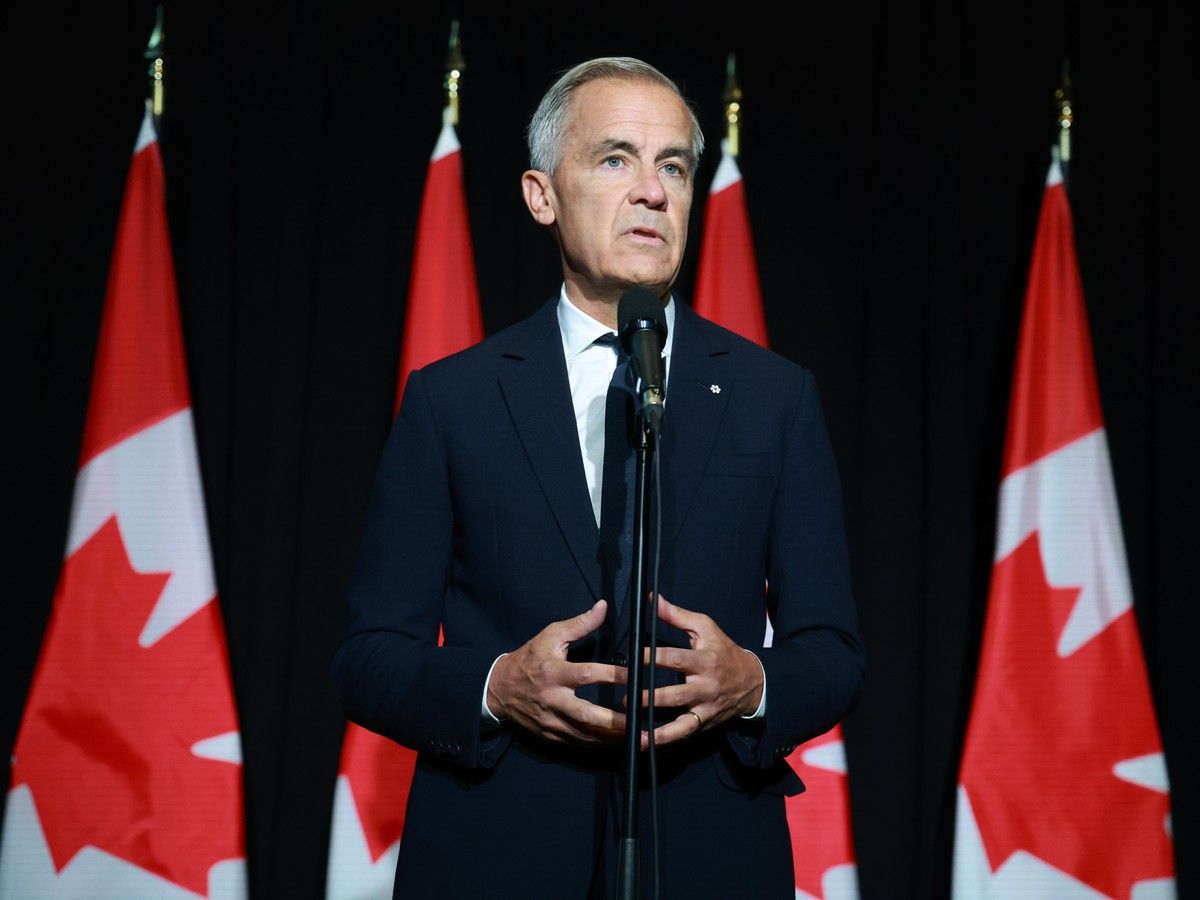
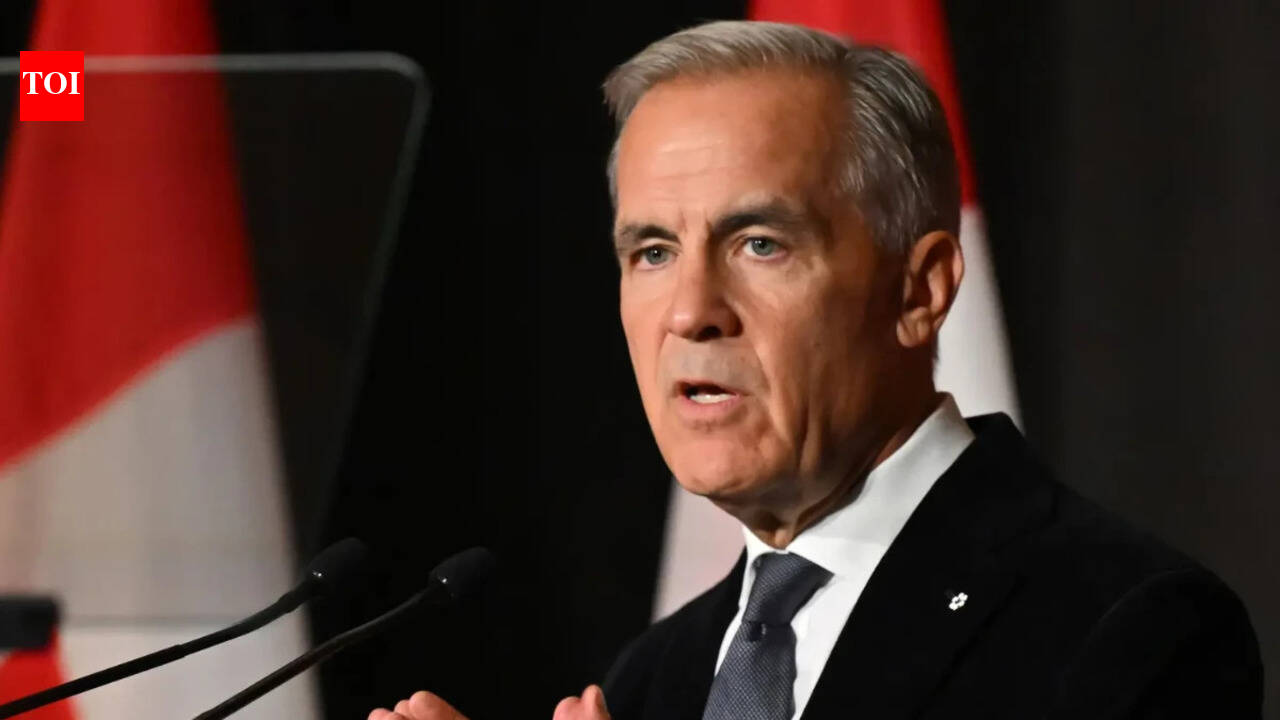
Support for Canada deepening its relationship with Europe is growing, a new poll has found, as Prime Minister Mark Carney prepares to travel to Strasbourg, France, to strengthen ties with the European Union.
asserted
Carney → deepen → Union
An Abacus Data survey, which was conducted from September 4 to 9, found that 80 per cent of Canadians say Canada should deepen strategic cooperation with the European Union on foreign policy, defence, and economic priorities — up six points since February.
asserted
Canada → conduct → February
The European Union itself is viewed positively by 71 per cent of Canadians, up five points since February, compared to 16 per cent who have a negative impression of it, which is unchanged from February.
asserted
which → view → February
Elsewhere, 81 per cent support closer integration with the EU, including making it easier to trade, travel, work and study and to cooperate on security, while 56 per cent say Canada has more in common with the countries of the EU than with the United States.
asserted
Canada → support → States
Just 16 per cent say Canada has more in common with the United States.
asserted
Canada → say → States
The survey found that support for Canada deepening strategic cooperation with the EU is broad, and crosses provincial boundaries.
asserted
Canada → find → boundaries
It reaches 84 per cent in British Columbia, 79 per cent in Alberta, 74 per cent in Saskatchewan and Manitoba, 80 per cent in Ontario, 82 per cent in Quebec, and 73 per cent in Atlantic Canada.
asserted
It → reach → Canada
Among Liberal voters, 92 per cent support deeper cooperation with the EU, as do 92 per cent of NDP voters and 86 per cent of Bloc Québécois voters.
asserted
cent → support → voters
Among Conservative voters, support is lower but still reaches 69 per cent.
asserted
support → reach → cent
The findings come ahead of Carney’s trip to Europe from September 15 to 17, where he is scheduled to address the European Parliament in Strasbourg, attend European Commission President Ursula von der Leyen’s State of the European Union address, and meet with members of the European Parliament.
asserted
he → come → Parliament
On Sunday, The Wall Street Journal reported that Carney wishes to make Canada the first-ever “associate member” of the EU, which would allow Canada’s goods, services and workers in defence, energy, AI, and critical minerals to move freely in Europe.
asserted
goods → report → Europe
However, the prime minister poured cold water on the claim later that day while on the red carpet of the Toronto International Film Festival (TIFF).
uncertain
minister → pour → Festival
The Globe and Mail reports that Carney said, “We’re not looking to become a member of the European Union,” but that Canada is starting talks with the EU about forming a “unique alliance.”
asserted
Canada → report → alliance
It comes as the federal government continues to frame closer ties with Europe as part of a broader effort to diversify Canada’s economic and security relationships and reduce its vulnerability to an increasingly unpredictable U.S. under president Donald Trump.
asserted
government → come → Trump
On that topic, the Abacus Data survey found that when Canadians are asked what concerns them more about the future of Canada’s relationships with both Europe and the U.S., 39 per cent point to Canada continuing to rely too heavily on the U.S. Just 16 per cent are concerned that closer ties with the EU could weaken Canada’s relationship with the U.S.
Meanwhile, only 21 per cent of Canadians now have a positive impression of the U.S., down three points since February, while 75 per cent have a negative impression, an increase of six points.
uncertain
cent → find → points
It means the gap between positive impressions of the EU and positive impressions of the United States now stands at 50 points.
asserted
gap → mean → points
There is a much larger partisan divide, but even there, Europe is viewed positively by a majority of voters across party affiliations.
asserted
Europe → be → affiliations
Among Liberal supporters, 85 per cent have a positive impression of the EU, as do 79 per cent of NDP supporters and 80 per cent of Bloc Québécois supporters.
asserted
cent → have → supporters
Among Conservative voters, 58 per cent have a positive impression.
asserted
cent → have → impression
By comparison, only 37 per cent of Conservative voters have a positive impression of the U.S. Among Liberal voters the number is 12 per cent, among NDP voters 11 per cent, and among Bloc voters just 3 per cent.
asserted
number → have → voters
That said, Canadians are divided when asked about becoming a member of the EU.
asserted
Canadians → say → EU
Nearly half of Canadians (49 per cent) say they would support Canada becoming a member state of the European Union, while another 30 per cent are opposed to the idea and 21 per cent are unsure.
asserted
cent → say → idea
Support is up slightly from 48 per cent in February and from 46 per cent in 2025, while the share who are unsure has fallen from 25 per cent in 2025.
asserted
who → fall → 2025
The majority of Liberal voters (64 per cent) support EU membership, as do 56 per cent of NDP voters and 57 per cent of Bloc Québécois voters, while only 33 per cent of Conservative voters support it and 51 per cent are opposed.
asserted
cent → support → it
Nevertheless, Abacus Data says the survey results paint a clear picture: “Canadians are increasingly positive about Europe, overwhelmingly open to deeper cooperation, supportive of a much broader economic and security relationship, and more worried about continued dependence on the United States than they are about the consequences of moving closer to Europe.”
asserted
they → say → Europe
The survey authors add that the public increasingly appears to see Europe as part of the solution to how Canada can become more resilient, more economically independent, and less vulnerable to the decisions of any one country.
asserted
Canada → add → country
The Abacus Data survey was conducted with 1,479 Canadian adults from September 4 to 9, 2026.
asserted
survey → conduct → 2026
The margin of error for a comparable probability-based random sample of the same size is approximately plus or minus 2.5 percentage points, 19 times out of 20.
asserted
margin → base → 20